Close Banner
Free Section  - Video Lectures

09. Novel Agents in BPD: Omega-3, Methylphenidate, Naltrexone, and Oxytocin

Published on September 30, 2026 Certification expiration date: September 30, 2029 DOI: 10.64239/PI-VL11209

Paul S. Links, M.D., F.R.C.P.C.

Professor Emeritus in the Department of Psychiatry and Behavioural Neurosciences - McMaster University in Hamilton, Ontario, Canada

Key Points

  • Omega-3 EPA 1000 mg OTC may be a low-risk option for BPD patients with affective instability who are reluctant to take prescribed medications.
  • Stimulant therapy in BPD with ADHD may reduce suicide behavior risk. Screen carefully for substance use history, and monitor for paranoid symptoms or agitation when prescribing.
  • Methylphenidate is evidence-supported for impulsiveness, irritability, and functional improvement in BPD with comorbid ADHD. Consider long-acting formulations.

Free Downloads for Offline Access

  • Free Download Audio File (MP3)
  • Free Download Video (MP4)
  • Free Download PDF File

Slides and Transcript

Slide 1 of 20

Novel Agents in Borderline Personality Disorder: Omega-3 fatty acids, methylphenidate, clonidine, buprenorphine, naltrexone and others.
References:
  • Paul S. Links, M.D., F.R.C.P.C.

Slide 2 of 20

As an introduction, we’re going to discuss these agents that may be useful but mostly we’re describing these agents to demonstrate there may be novel neurobiological pathways that should be examined in the future to explain the psychopathology of borderline personality disorder. So it’s really a sort of academic interest that we mention some of these medication trials.
Free Files
Success!
Check your inbox, we sent you all the materials there.

Slide 3 of 20

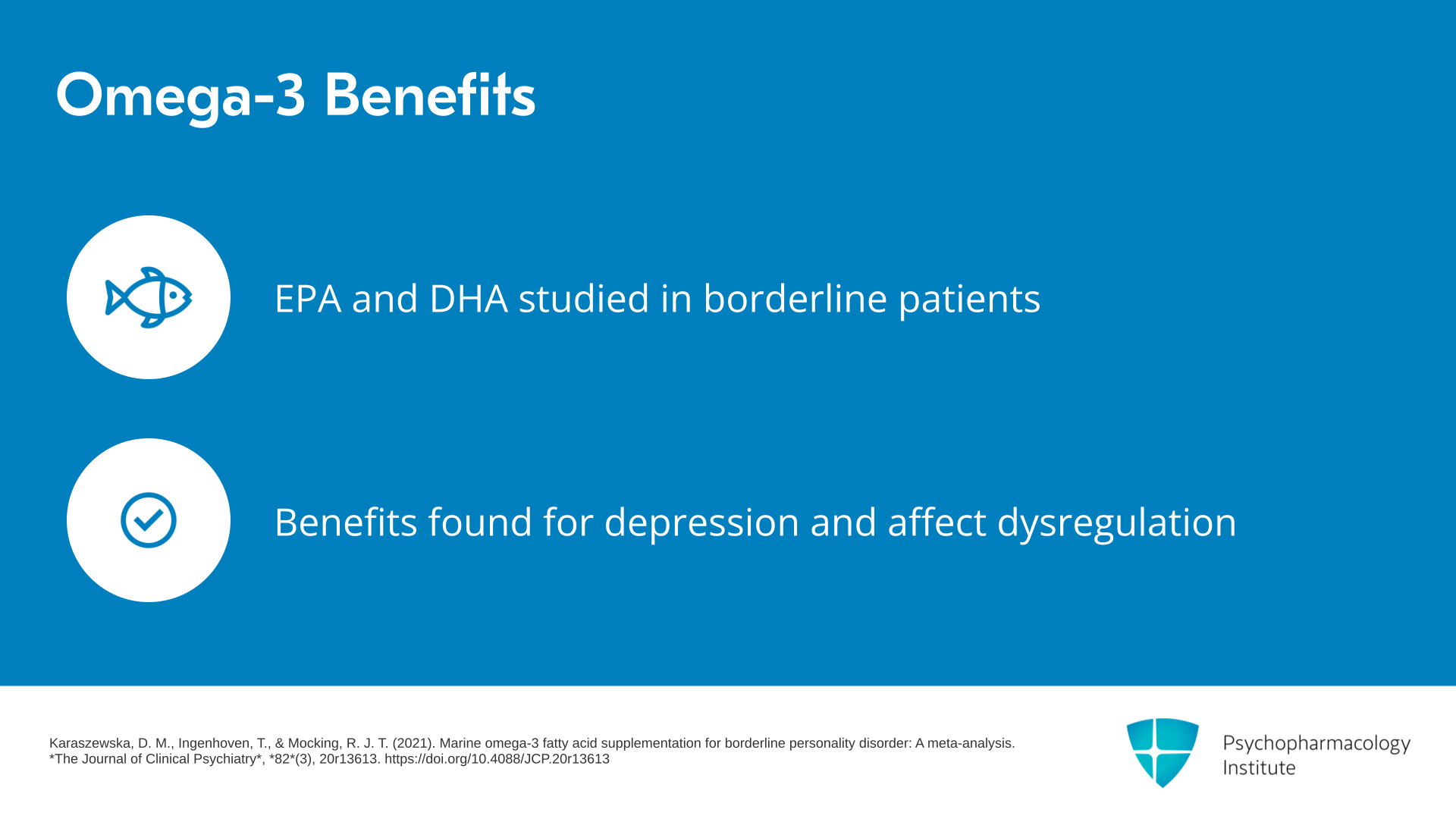
Omega-3 fatty acids such as EPA or DHA have been used in borderline patients, and there’s even been a systematic review of their use in borderline patients. And in that systematic review, they found that they were helpful for depression but most specifically they had most benefit for affect dysregulation.
References:
  • Karaszewska, D. M., Ingenhoven, T., & Mocking, R. J. T. (2021). Marine omega-3 fatty acid supplementation for borderline personality disorder: A meta-analysis. *The Journal of Clinical Psychiatry*, *82*(3), 20r13613. https://doi.org/10.4088/JCP.20r13613

Slide 4 of 20

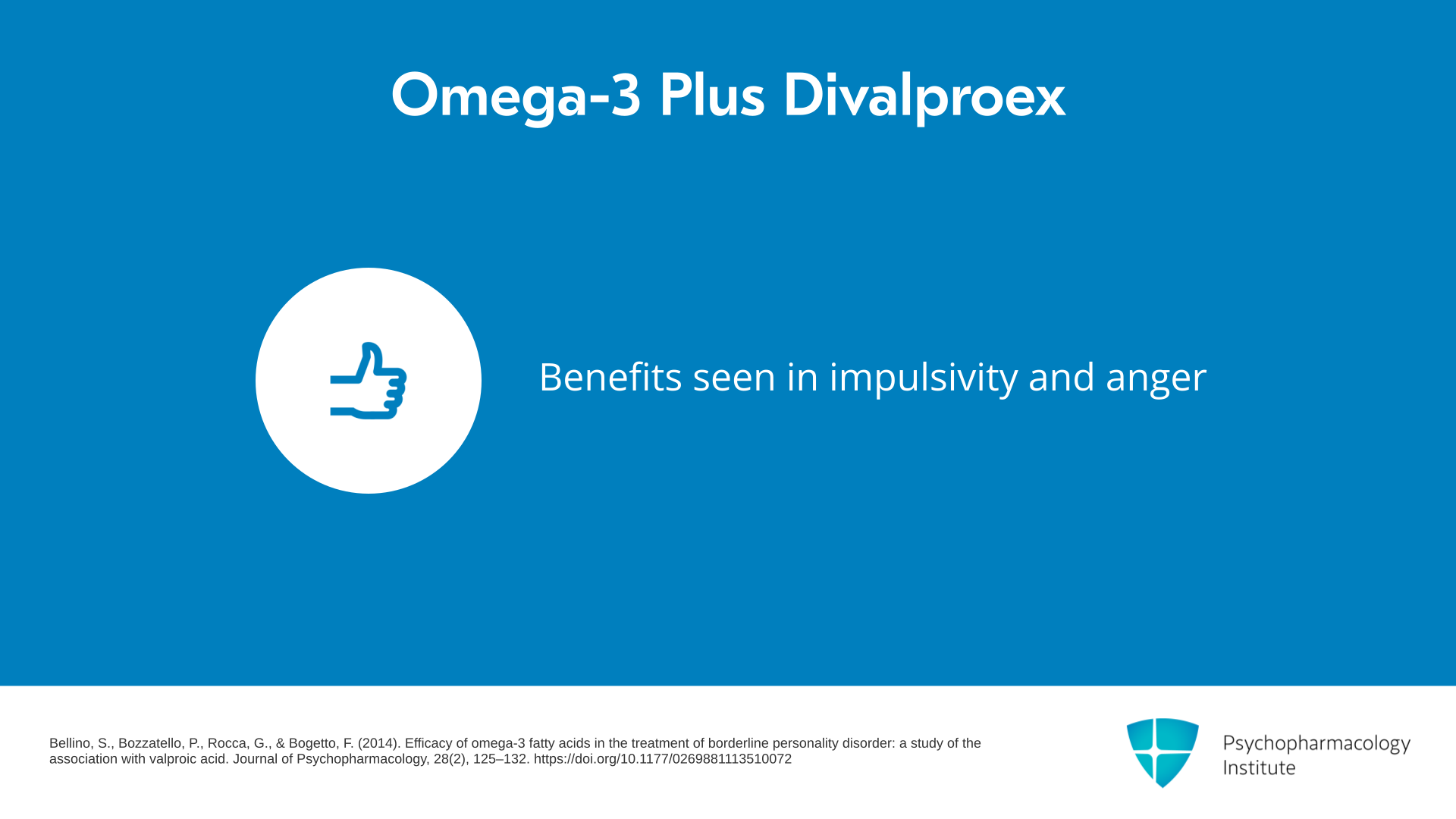
There has been a smaller trial where omega-3 fatty acids were used with divalproex versus divalproex alone and again there was some benefit noted for impulsivity, affective instability and anger.
References:
  • Bellino, S., Bozzatello, P., Rocca, G., & Bogetto, F. (2014). Efficacy of omega-3 fatty acids in the treatment of borderline personality disorder: a study of the association with valproic acid. Journal of Psychopharmacology, 28(2), 125–132. https://doi.org/10.1177/0269881113510072
Free Files
Success!
Check your inbox, we sent you all the materials there.

Slide 5 of 20

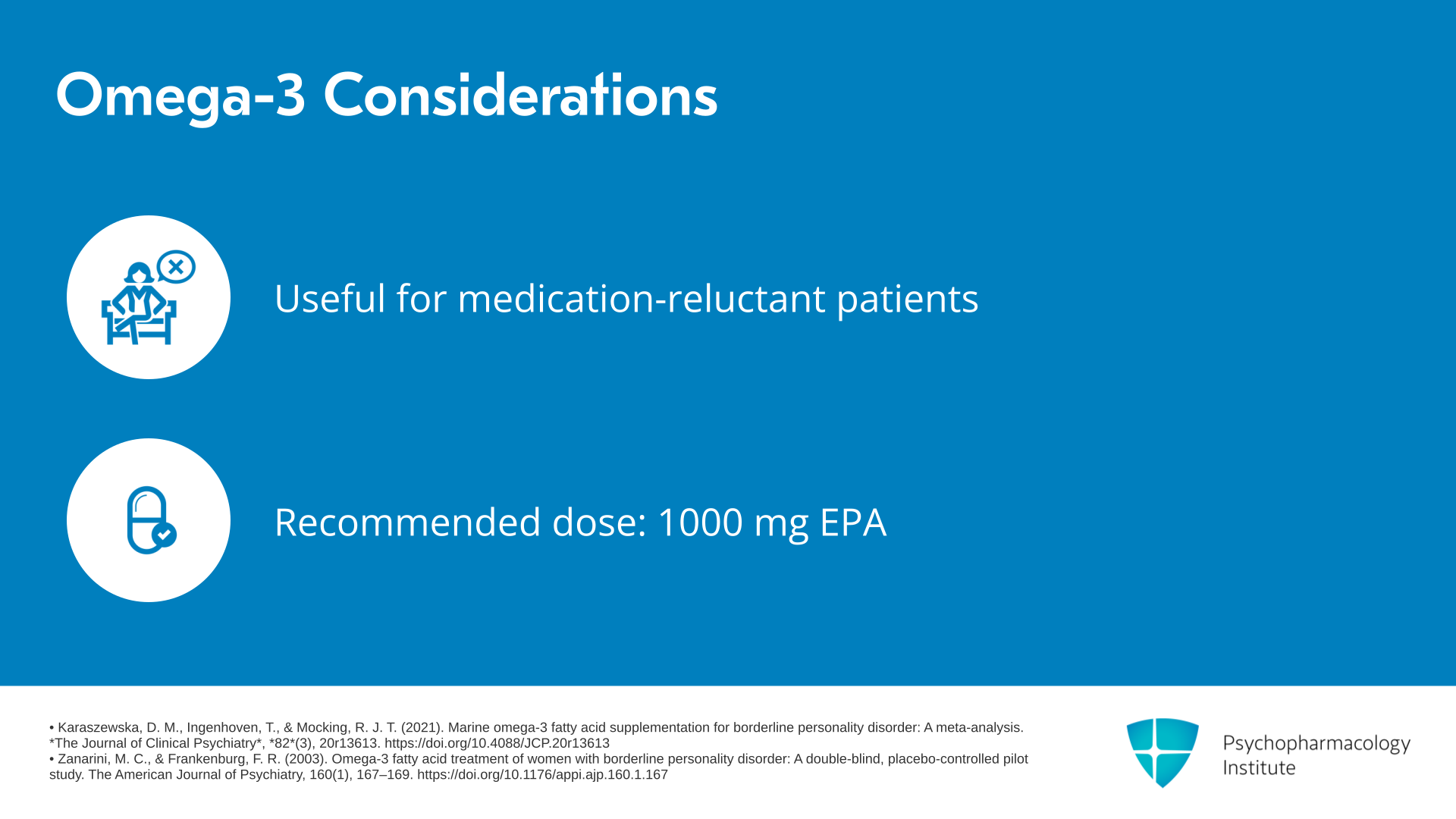
So in my own practice, for example, if a patient is reluctant to have medication but maybe still struggles with affective instability, I have suggested them over-the-counter omega-3 fatty acids. The usual dose is 1000 mg of EPA which is probably the more important ingredient that can be helpful and often is helpful with very few side effects.
References:
  • Karaszewska, D. M., Ingenhoven, T., & Mocking, R. J. T. (2021). Marine omega-3 fatty acid supplementation for borderline personality disorder: A meta-analysis. *The Journal of Clinical Psychiatry*, *82*(3), 20r13613. https://doi.org/10.4088/JCP.20r13613
  • Zanarini, M. C., & Frankenburg, F. R. (2003). Omega-3 fatty acid treatment of women with borderline personality disorder: A double-blind, placebo-controlled pilot study. The American Journal of Psychiatry, 160(1), 167–169. https://doi.org/10.1176/appi.ajp.160.1.167

Slide 6 of 20

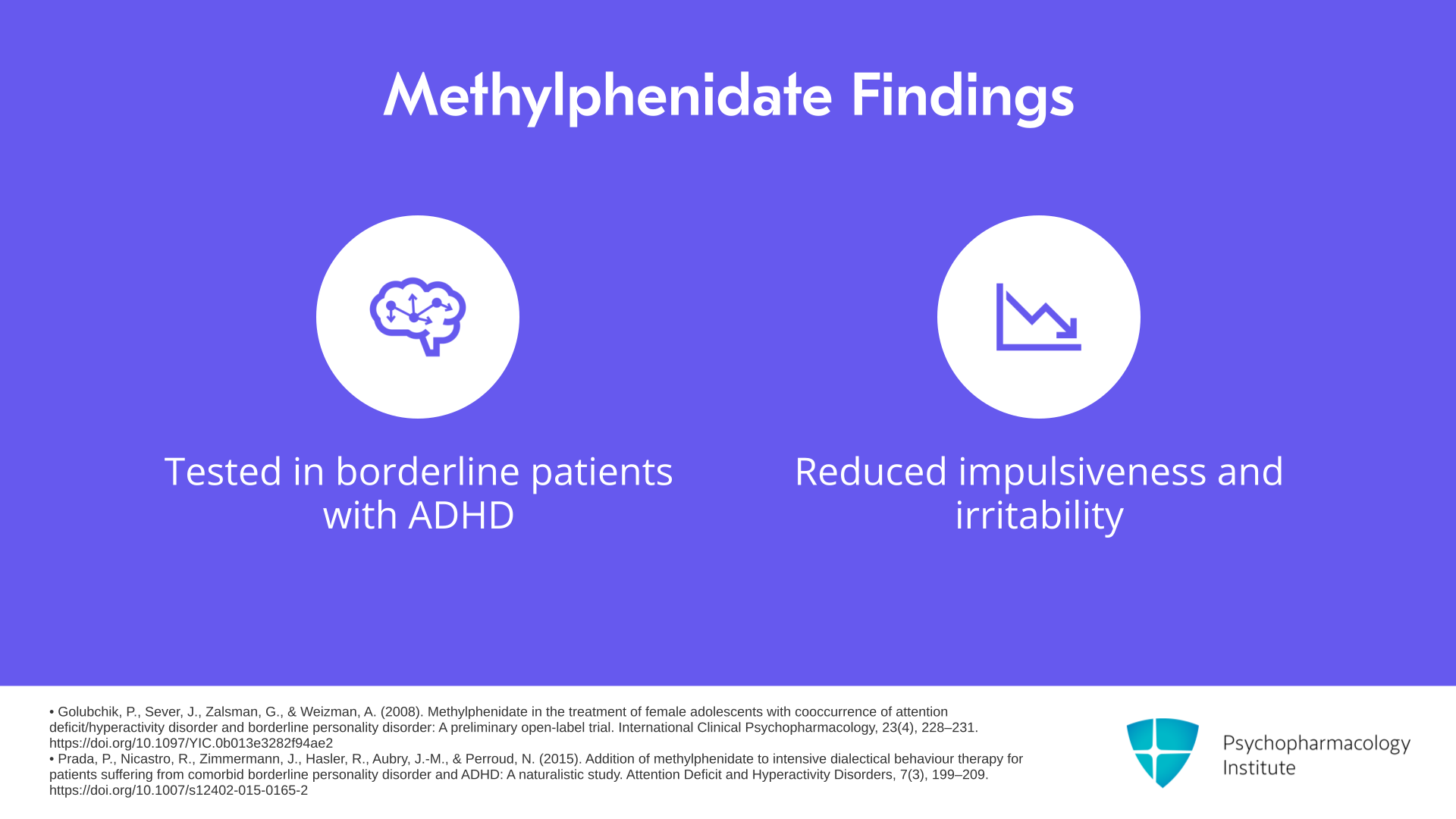
Turning to methylphenidate, there have been two prospective studies where methylphenidate was tested in borderline patients with comorbid ADHD, and they were found to be helpful for symptoms of ADHD such as impulsiveness, irritability and some improvement in function.
References:
  • Golubchik, P., Sever, J., Zalsman, G., & Weizman, A. (2008). Methylphenidate in the treatment of female adolescents with cooccurrence of attention deficit/hyperactivity disorder and borderline personality disorder: A preliminary open-label trial. International Clinical Psychopharmacology, 23(4), 228–231. https://doi.org/10.1097/YIC.0b013e3282f94ae2
  • Prada, P., Nicastro, R., Zimmermann, J., Hasler, R., Aubry, J.-M., & Perroud, N. (2015). Addition of methylphenidate to intensive dialectical behaviour therapy for patients suffering from comorbid borderline personality disorder and ADHD: A naturalistic study. Attention Deficit and Hyperactivity Disorders, 7(3), 199–209. https://doi.org/10.1007/s12402-015-0165-2
Free Files
Success!
Check your inbox, we sent you all the materials there.

Slide 7 of 20

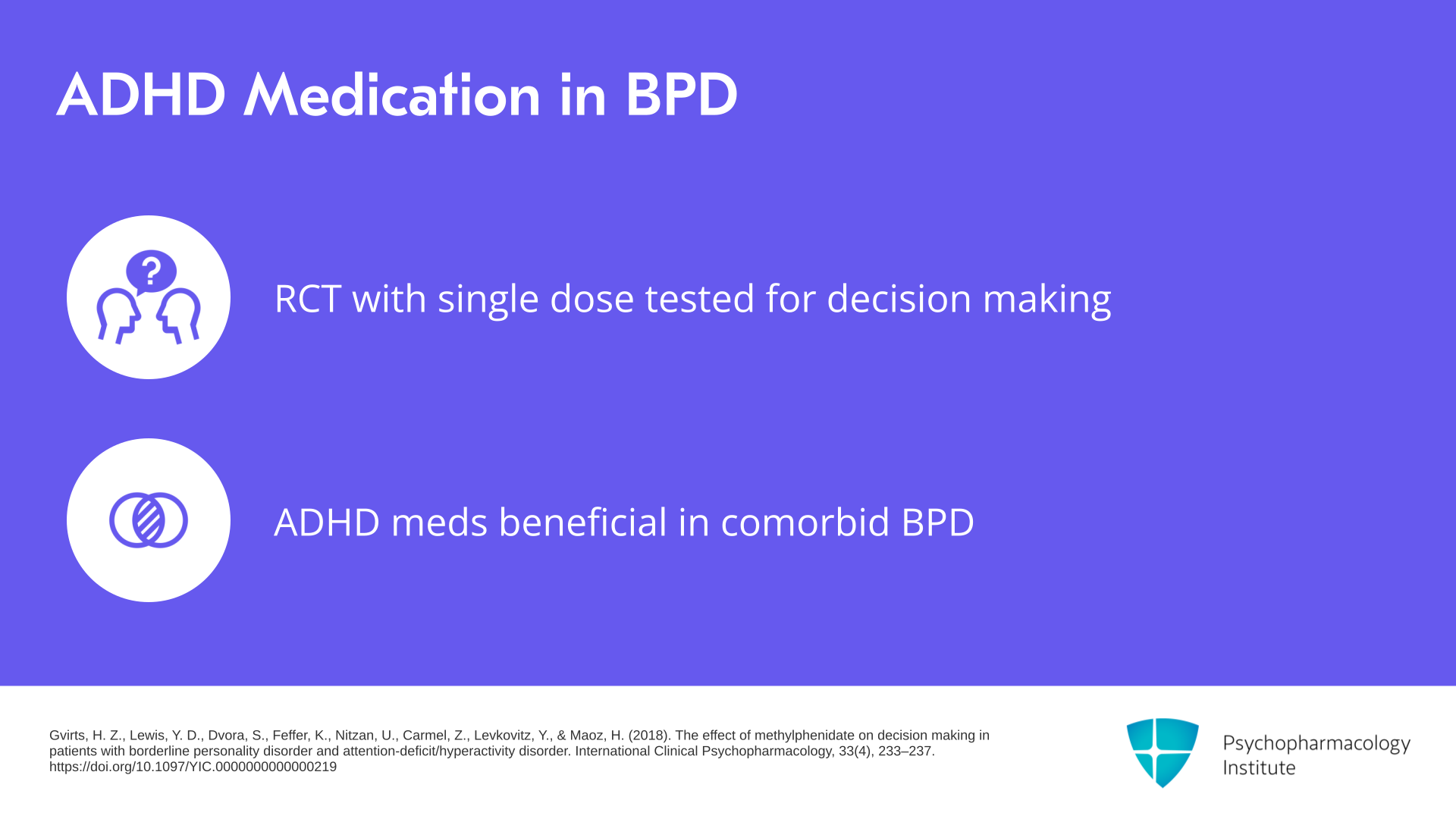
There was this small sort of laboratory randomized controlled trial where they tested one dose of methylphenidate to see if it helped with decision making. But I think I would say that ADHD medication does have a role in patients with BPD and comorbid ADHD.
References:
  • Gvirts, H. Z., Lewis, Y. D., Dvora, S., Feffer, K., Nitzan, U., Carmel, Z., Levkovitz, Y., & Maoz, H. (2018). The effect of methylphenidate on decision making in patients with borderline personality disorder and attention-deficit/hyperactivity disorder. International Clinical Psychopharmacology, 33(4), 233–237. https://doi.org/10.1097/YIC.0000000000000219

Slide 8 of 20

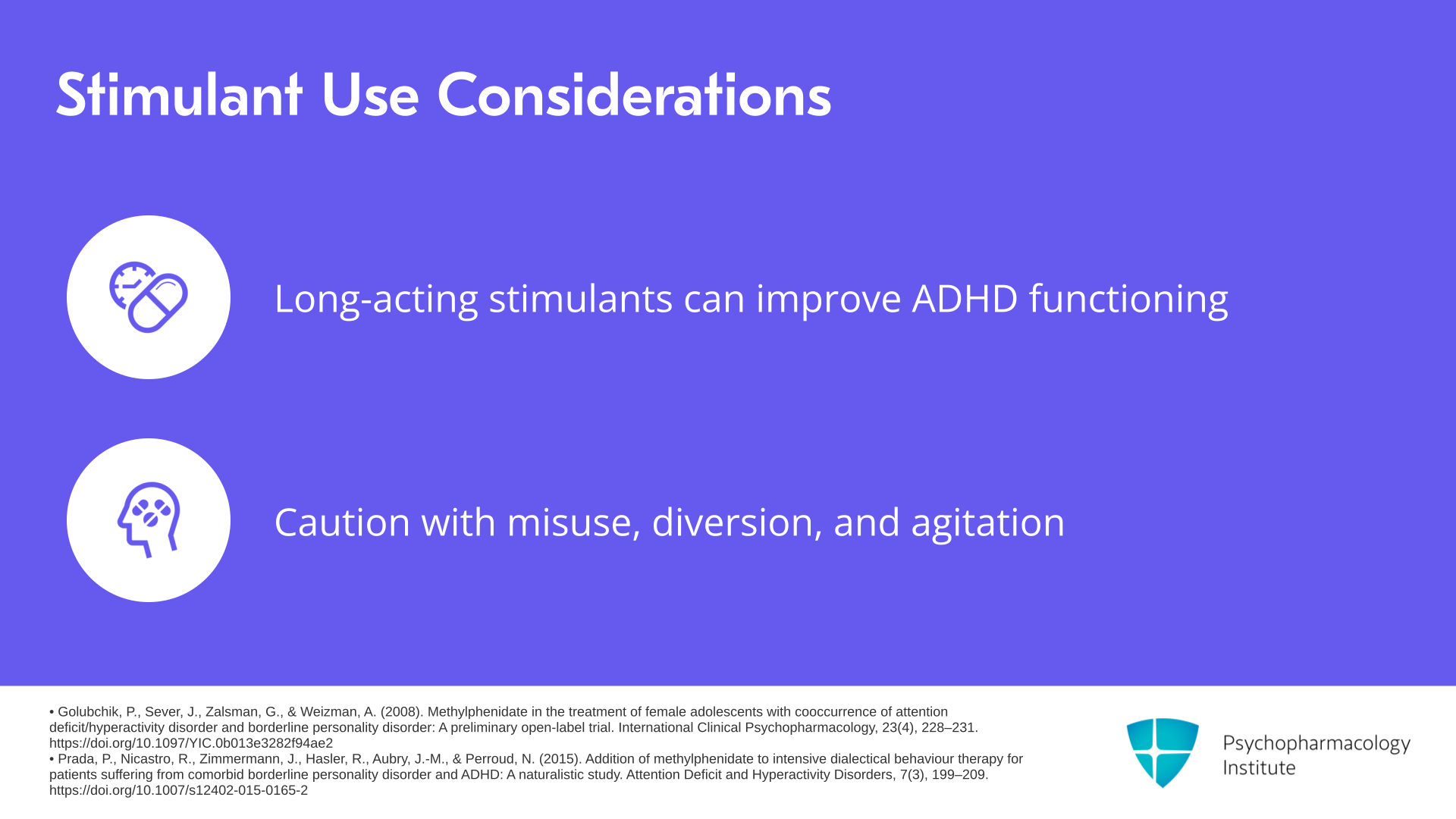
I would use long-acting stimulants which I think can be helpful for patients. I would try to focus on, is their functioning improved if we improve their ADHD? There may be some evidence that stimulant therapy may reduce the risk of suicide behavior when treated with stimulant therapy. Of course, one has to be cautious when prescribing to borderline patients especially if they have a recent history of substance use disorders and you have to be careful about misuse and diversion of these medications. And it is possible that stimulant medication could worsen paranoid symptoms or agitation in borderline patients so you have to be careful to monitor for that.
References:
  • Golubchik, P., Sever, J., Zalsman, G., & Weizman, A. (2008). Methylphenidate in the treatment of female adolescents with cooccurrence of attention deficit/hyperactivity disorder and borderline personality disorder: A preliminary open-label trial. International Clinical Psychopharmacology, 23(4), 228–231. https://doi.org/10.1097/YIC.0b013e3282f94ae2
  • Prada, P., Nicastro, R., Zimmermann, J., Hasler, R., Aubry, J.-M., & Perroud, N. (2015). Addition of methylphenidate to intensive dialectical behaviour therapy for patients suffering from comorbid borderline personality disorder and ADHD: A naturalistic study. Attention Deficit and Hyperactivity Disorders, 7(3), 199–209. https://doi.org/10.1007/s12402-015-0165-2
Free Files
Success!
Check your inbox, we sent you all the materials there.

Slide 9 of 20

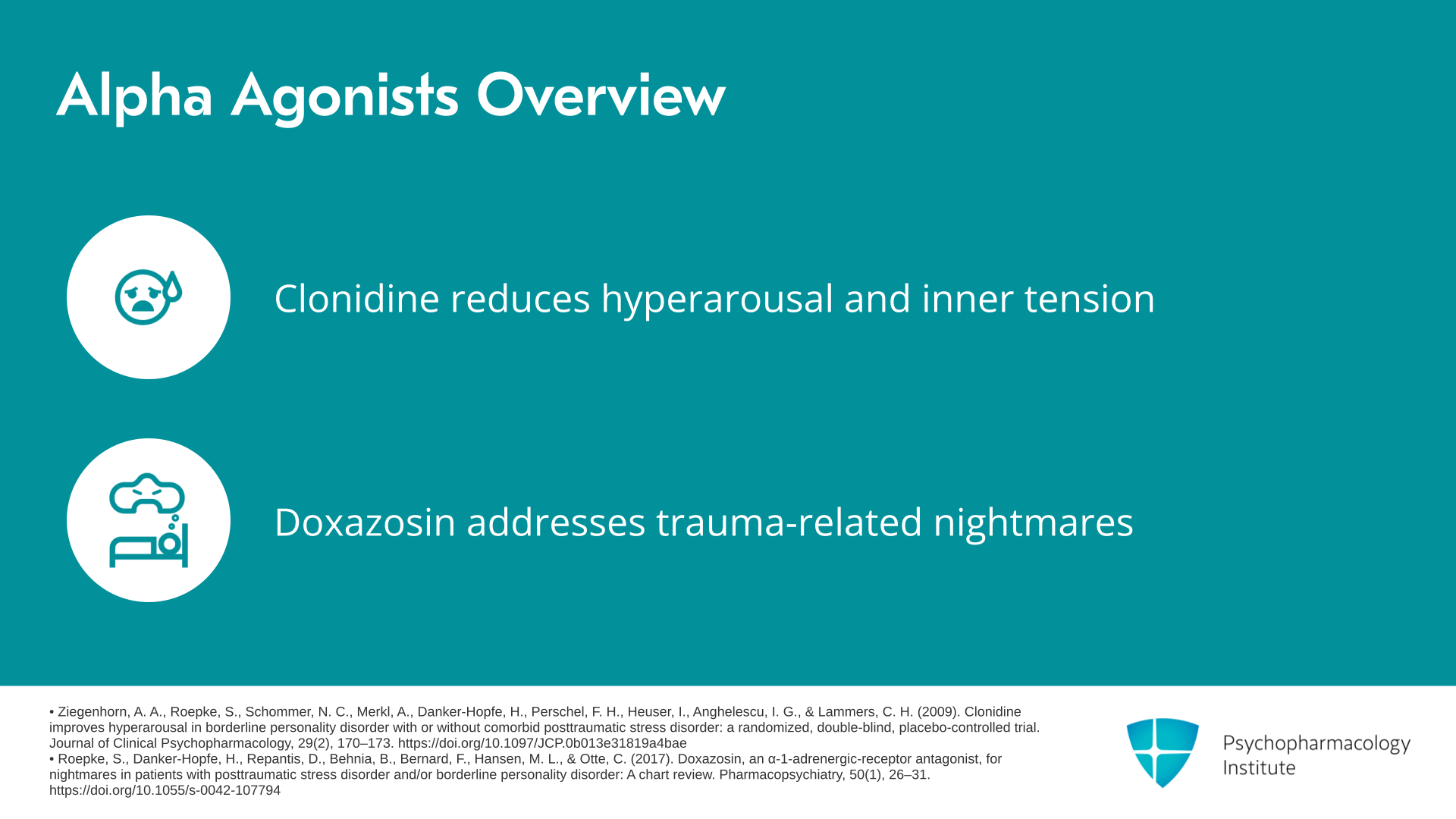
Turning to clonidine, doxazosin and memantine. These agents, clonidine has been used for inner tension and hyperarousal, so this can be useful in borderline patients with comorbid PTSD. Doxazosin, similar to prazosin, can be used in a similar situation where you’re treating trauma-related nightmares.
References:
  • Ziegenhorn, A. A., Roepke, S., Schommer, N. C., Merkl, A., Danker-Hopfe, H., Perschel, F. H., Heuser, I., Anghelescu, I. G., & Lammers, C. H. (2009). Clonidine improves hyperarousal in borderline personality disorder with or without comorbid posttraumatic stress disorder: a randomized, double-blind, placebo-controlled trial. Journal of Clinical Psychopharmacology, 29(2), 170–173. https://doi.org/10.1097/JCP.0b013e31819a4bae
  • Roepke, S., Danker-Hopfe, H., Repantis, D., Behnia, B., Bernard, F., Hansen, M. L., & Otte, C. (2017). Doxazosin, an α-1-adrenergic-receptor antagonist, for nightmares in patients with posttraumatic stress disorder and/or borderline personality disorder: A chart review. Pharmacopsychiatry, 50(1), 26–31. https://doi.org/10.1055/s-0042-107794

Slide 10 of 20

Memantine has been studied as an antagonist of NMDA receptors and there was a positive randomized controlled trial but again this is just one trial and these agents require further investigation.
References:
  • Kulkarni, J., Thomas, N., Hudaib, A. R., Gavrilidis, E., Grigg, J., Tan, R., Cheng, J., Arnold, A., & Gurvich, C. (2018). Effect of the Glutamate NMDA Receptor Antagonist Memantine as Adjunctive Treatment in Borderline Personality Disorder: An Exploratory, Randomised, Double-Blind, Placebo-Controlled Trial. CNS Drugs, 32(2), 179–187. https://doi.org/10.1007/s40263-018-0506-8
Free Files
Success!
Check your inbox, we sent you all the materials there.

Slide 11 of 20

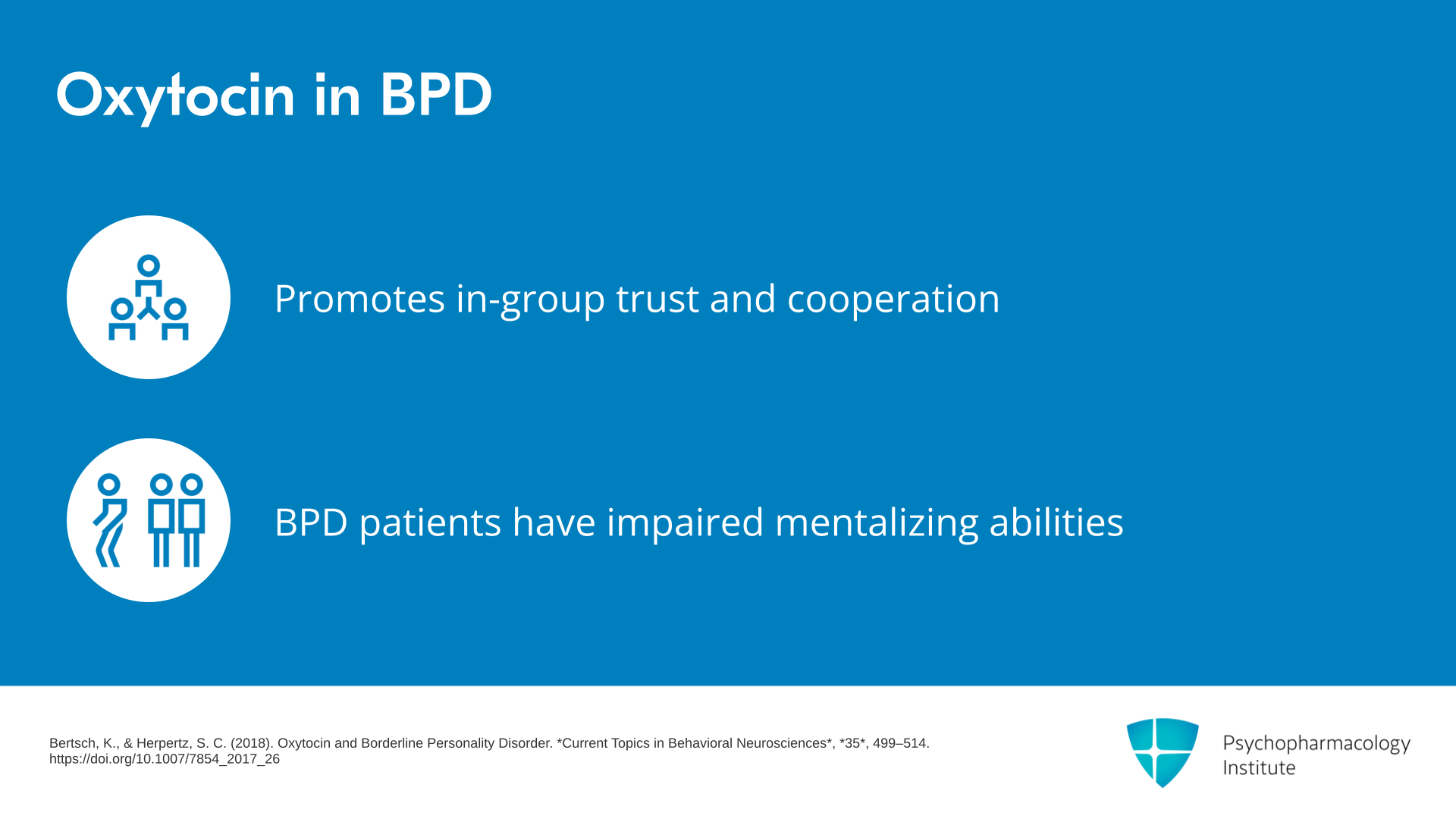
Oxytocin is an agent of interest. It’s a neuropeptide excreted by the posterior pituitary and it’s known to promote in-group trust and cooperation and it enhances social cognitive abilities. Of course, this would be of interest to people who treat borderline personality disorder because we know that borderline patients have deficits in mentalizing and they have a bias to negatively valent social stimuli.
References:
  • Bertsch, K., & Herpertz, S. C. (2018). Oxytocin and Borderline Personality Disorder. *Current Topics in Behavioral Neurosciences*, *35*, 499–514. https://doi.org/10.1007/7854_2017_26

Slide 12 of 20

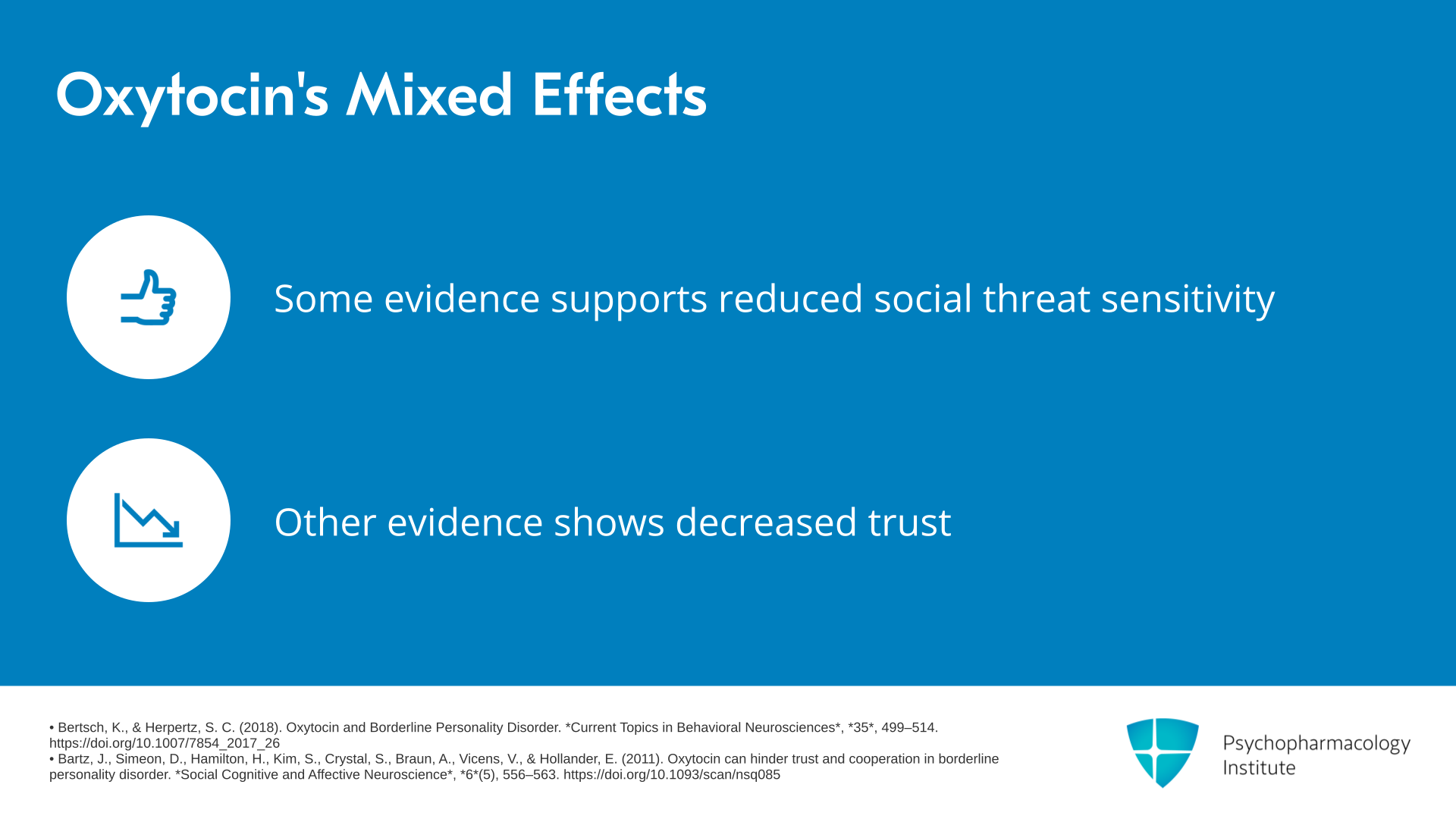
There have been laboratory experiments to see if prosocial behavior can be modified by exposure to oxytocin. Unfortunately, the findings have been really mixed. There is some evidence that oxytocin can improve hypersensitivity to social threats and other evidence suggests that it lessens trust and cooperative behavior.
References:
  • Bertsch, K., & Herpertz, S. C. (2018). Oxytocin and Borderline Personality Disorder. *Current Topics in Behavioral Neurosciences*, *35*, 499–514. https://doi.org/10.1007/7854_2017_26
  • Bartz, J., Simeon, D., Hamilton, H., Kim, S., Crystal, S., Braun, A., Vicens, V., & Hollander, E. (2011). Oxytocin can hinder trust and cooperation in borderline personality disorder. *Social Cognitive and Affective Neuroscience*, *6*(5), 556–563. https://doi.org/10.1093/scan/nsq085
Free Files
Success!
Check your inbox, we sent you all the materials there.

Slide 13 of 20

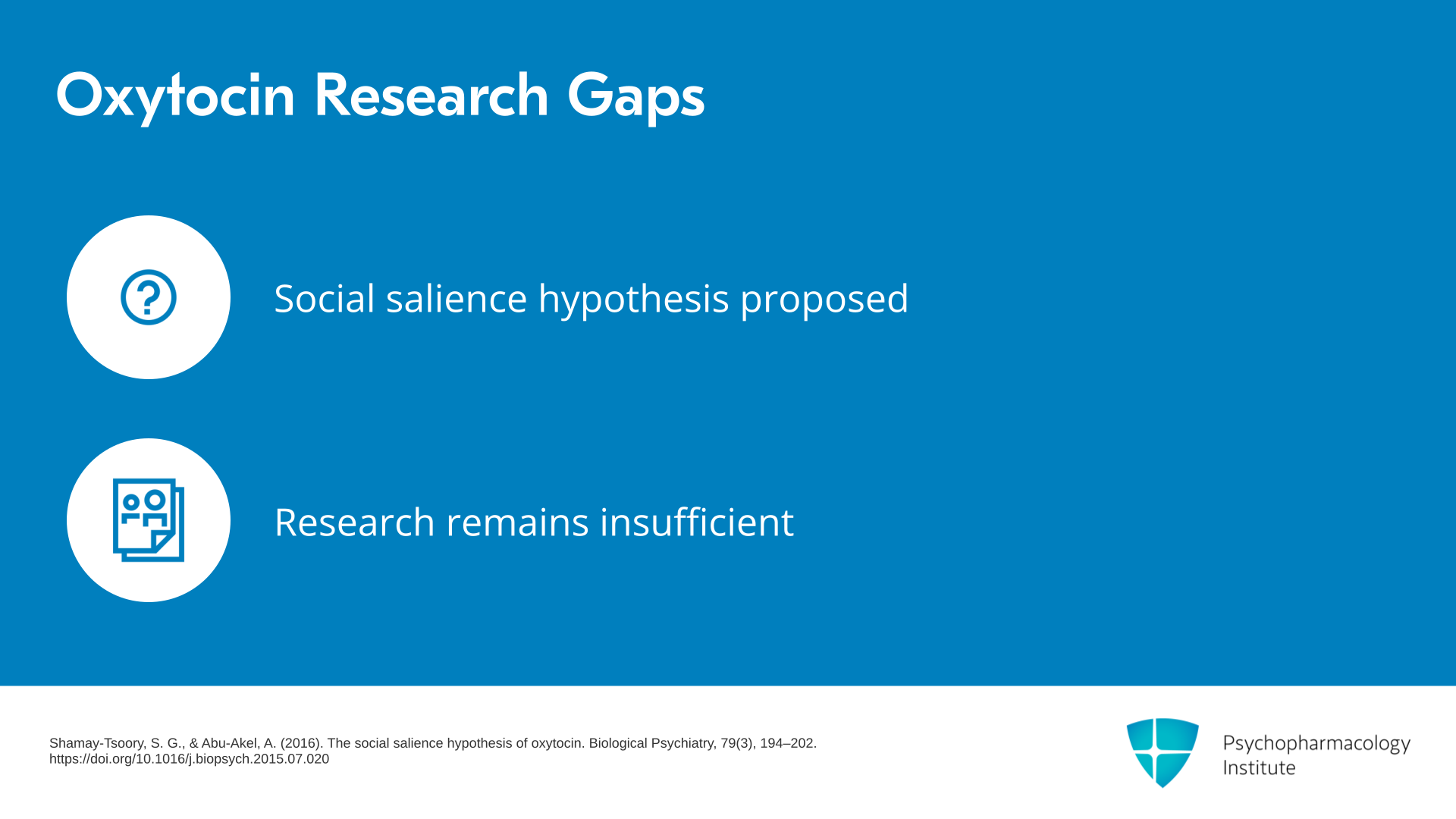
The possible explanation is what’s called the social salience hypothesis. This is that oxytocin might improve a patient’s social salience but it ends up being that it could have both positive and negative responses, so it may also enhance negative responses to social cues. Suffice to say that oxytocin is of interest but there really isn’t sufficient research at this time and the studies that have been done really are single dose studies sort of looking at laboratory outcomes and we would need clear clinical trials looking at clinical outcomes.
References:
  • Shamay-Tsoory, S. G., & Abu-Akel, A. (2016). The social salience hypothesis of oxytocin. Biological Psychiatry, 79(3), 194–202. https://doi.org/10.1016/j.biopsych.2015.07.020

Slide 14 of 20

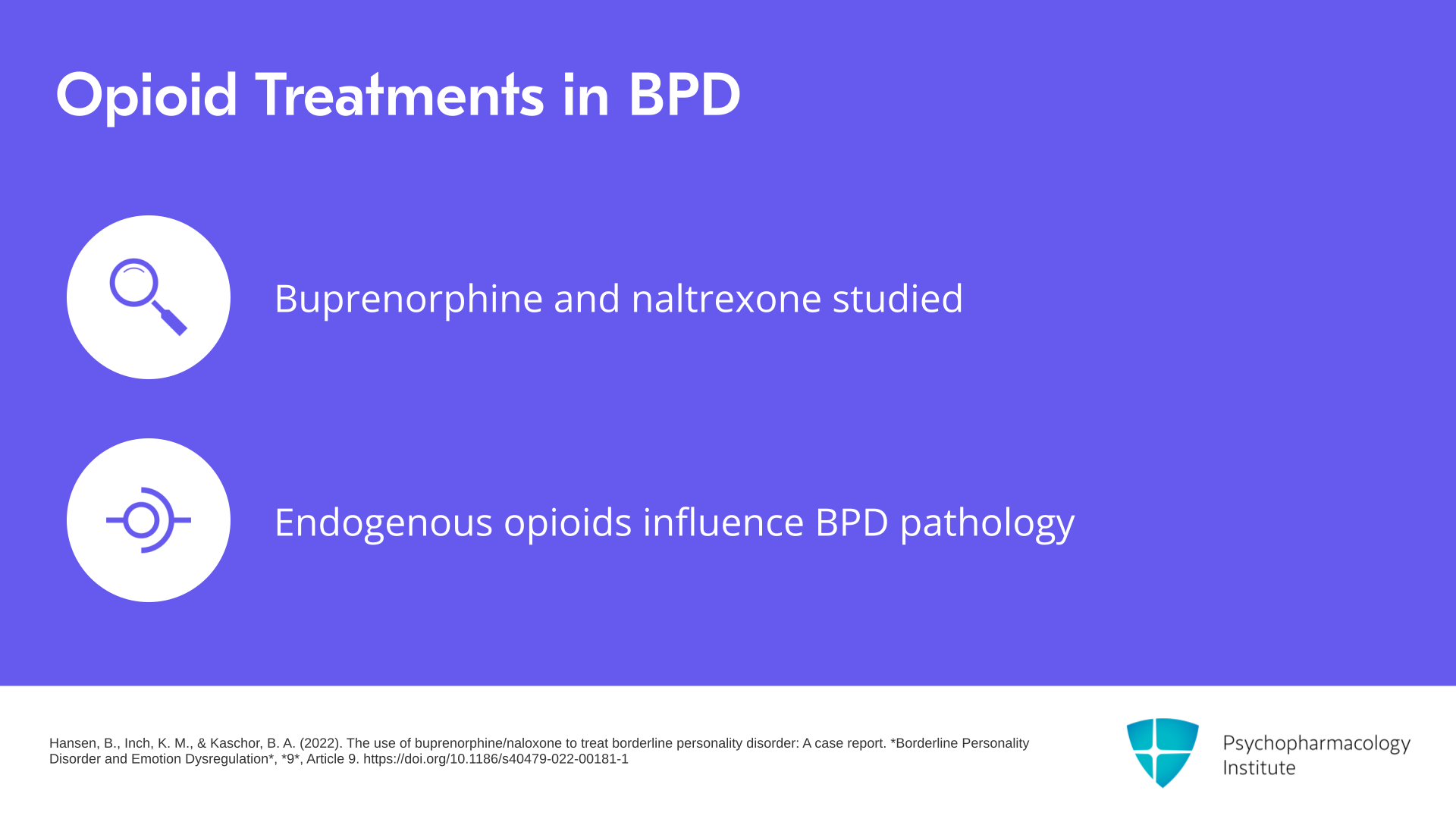
Buprenorphine and naltrexone have been, have been of interest really looking at the issue of does endogenous opioid systems affect borderline psychopathology, that is by affecting things like pain response to social rejection.
References:
  • Hansen, B., Inch, K. M., & Kaschor, B. A. (2022). The use of buprenorphine/naloxone to treat borderline personality disorder: A case report. *Borderline Personality Disorder and Emotion Dysregulation*, *9*, Article 9. https://doi.org/10.1186/s40479-022-00181-1
Free Files
Success!
Check your inbox, we sent you all the materials there.

Slide 15 of 20

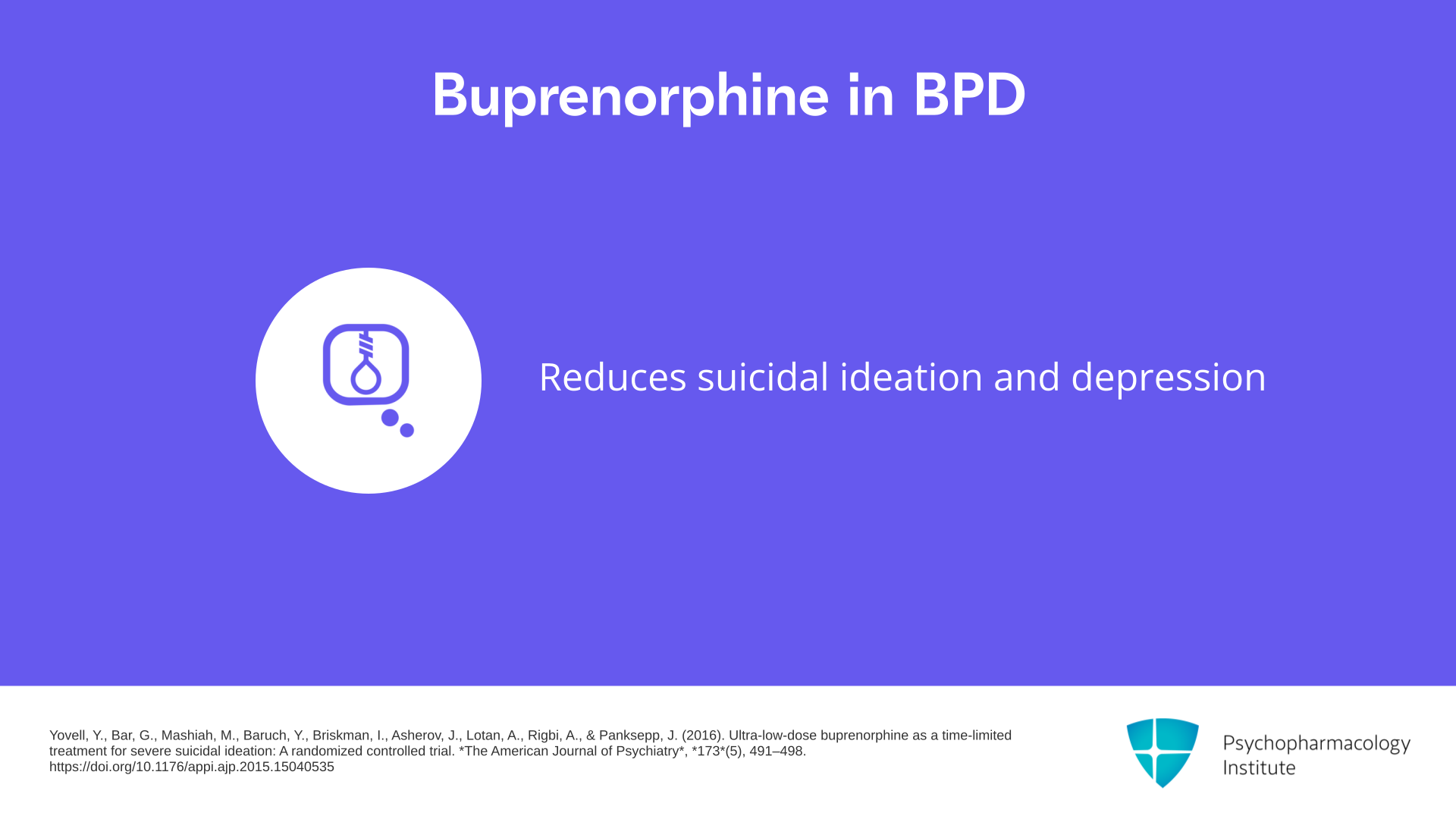
Buprenorphine has been used in a sample of borderline patients, and it seemed to reduce suicidal ideation and depressive symptoms but again more studies are needed.
References:
  • Yovell, Y., Bar, G., Mashiah, M., Baruch, Y., Briskman, I., Asherov, J., Lotan, A., Rigbi, A., & Panksepp, J. (2016). Ultra-low-dose buprenorphine as a time-limited treatment for severe suicidal ideation: A randomized controlled trial. *The American Journal of Psychiatry*, *173*(5), 491–498. https://doi.org/10.1176/appi.ajp.2015.15040535

Slide 16 of 20

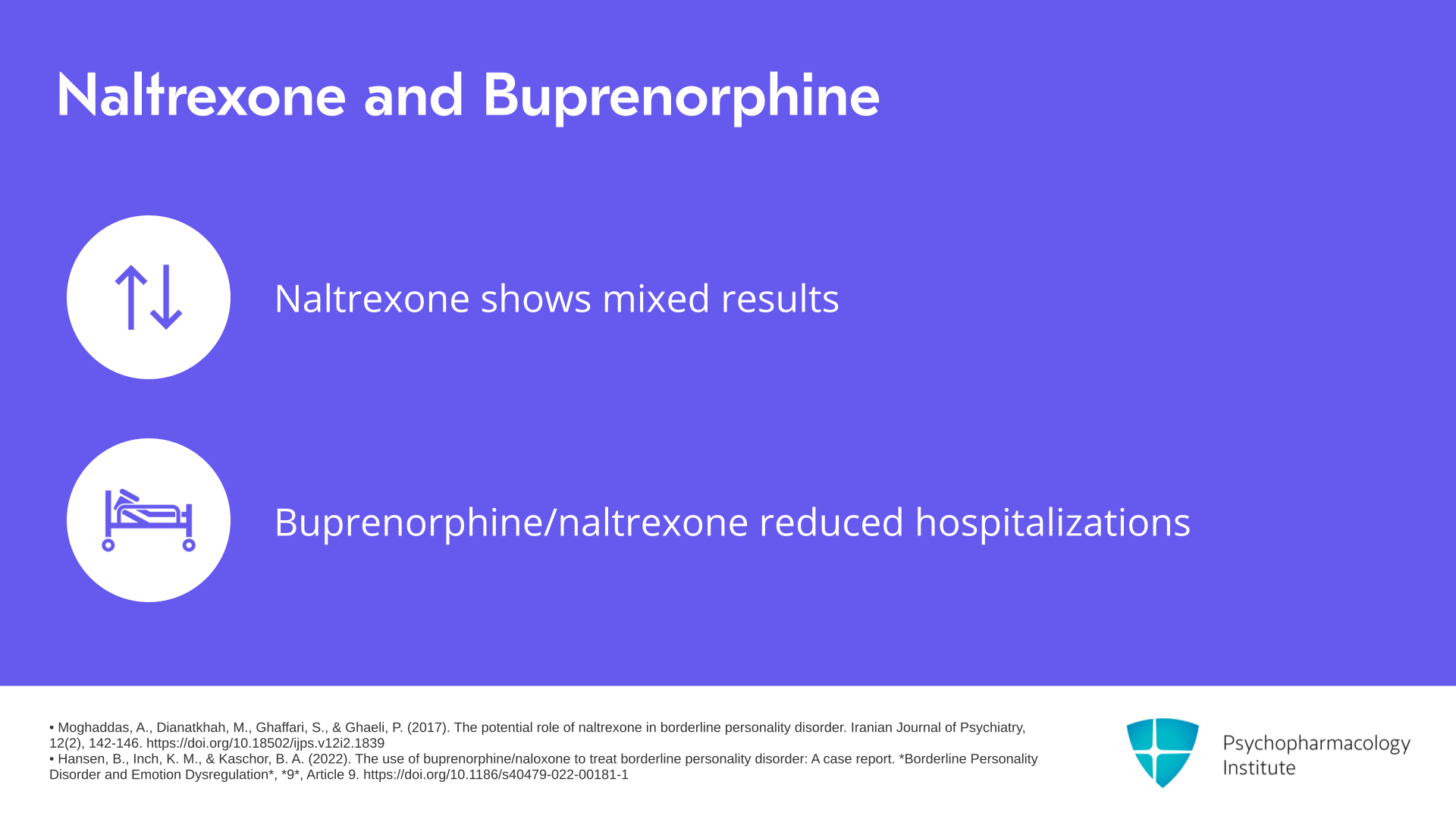
Naltrexone has been tried to reduce self-injurious behavior and dissociative symptoms, but again I don’t think the research is clear. There’ve been mixed results. There is one case study of buprenorphine and naltrexone used in combination in a case study of a borderline patient that seemed to reduce emergency department visits and hospitalizations.
References:
  • Moghaddas, A., Dianatkhah, M., Ghaffari, S., & Ghaeli, P. (2017). The potential role of naltrexone in borderline personality disorder. Iranian Journal of Psychiatry, 12(2), 142-146. https://doi.org/10.18502/ijps.v12i2.1839
  • Hansen, B., Inch, K. M., & Kaschor, B. A. (2022). The use of buprenorphine/naloxone to treat borderline personality disorder: A case report. *Borderline Personality Disorder and Emotion Dysregulation*, *9*, Article 9. https://doi.org/10.1186/s40479-022-00181-1
Free Files
Success!
Check your inbox, we sent you all the materials there.

Slide 17 of 20

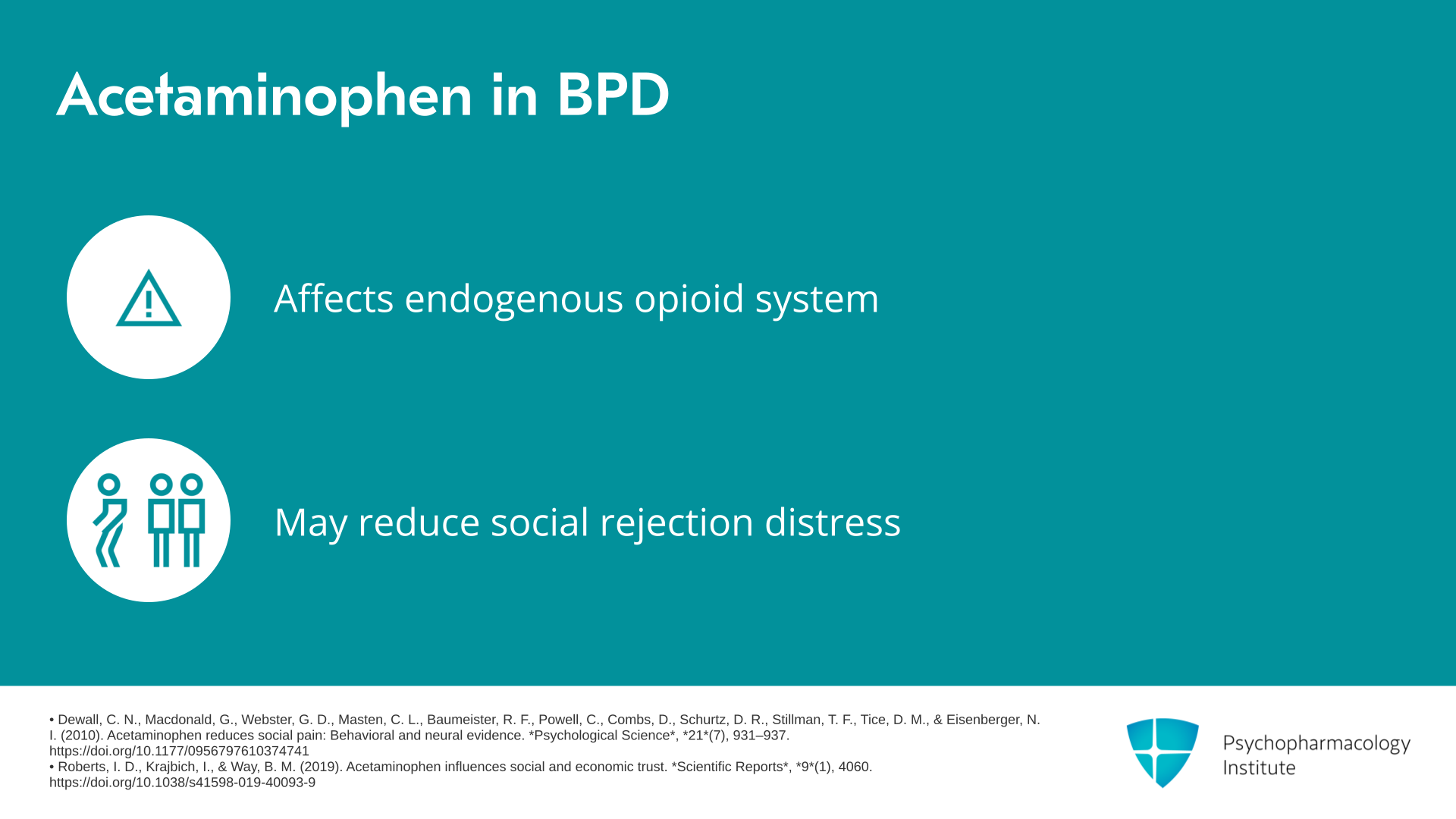
Two agents to mention, again because of their possible impact on the endogenous opioid system, is acetaminophen. There’s been some suggestion that it could reduce the negative affects associated with social rejection which would be of interest to borderline patients and treaters of borderline patients.
References:
  • Dewall, C. N., Macdonald, G., Webster, G. D., Masten, C. L., Baumeister, R. F., Powell, C., Combs, D., Schurtz, D. R., Stillman, T. F., Tice, D. M., & Eisenberger, N. I. (2010). Acetaminophen reduces social pain: Behavioral and neural evidence. *Psychological Science*, *21*(7), 931–937. https://doi.org/10.1177/0956797610374741
  • Roberts, I. D., Krajbich, I., & Way, B. M. (2019). Acetaminophen influences social and economic trust. *Scientific Reports*, *9*(1), 4060. https://doi.org/10.1038/s41598-019-40093-9

Slide 18 of 20

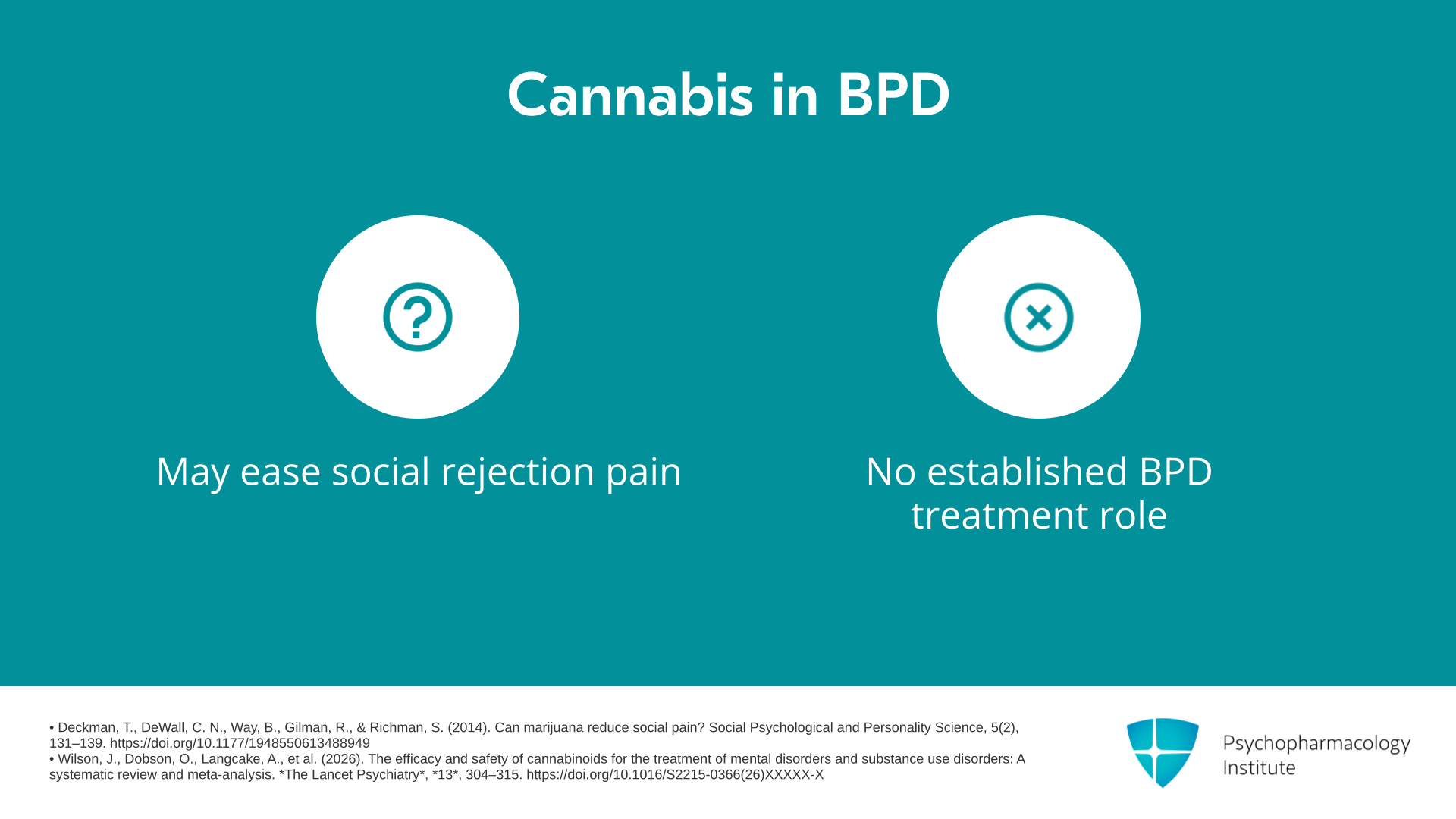
And cannabis is also felt to perhaps have similar effects on the pain of social rejection. As you know, cannabis can be helpful for sleep but otherwise cannabis currently has no established role in treating borderline personality disorder and really no other psychiatric disorder. But suffice to say, all of these medications are really just exploratory.
References:
  • Deckman, T., DeWall, C. N., Way, B., Gilman, R., & Richman, S. (2014). Can marijuana reduce social pain? Social Psychological and Personality Science, 5(2), 131–139. https://doi.org/10.1177/1948550613488949
  • Wilson, J., Dobson, O., Langcake, A., et al. (2026). The efficacy and safety of cannabinoids for the treatment of mental disorders and substance use disorders: A systematic review and meta-analysis. *The Lancet Psychiatry*, *13*, 304–315. https://doi.org/10.1016/S2215-0366(26)XXXXX-X
Free Files
Success!
Check your inbox, we sent you all the materials there.

Slide 19 of 20

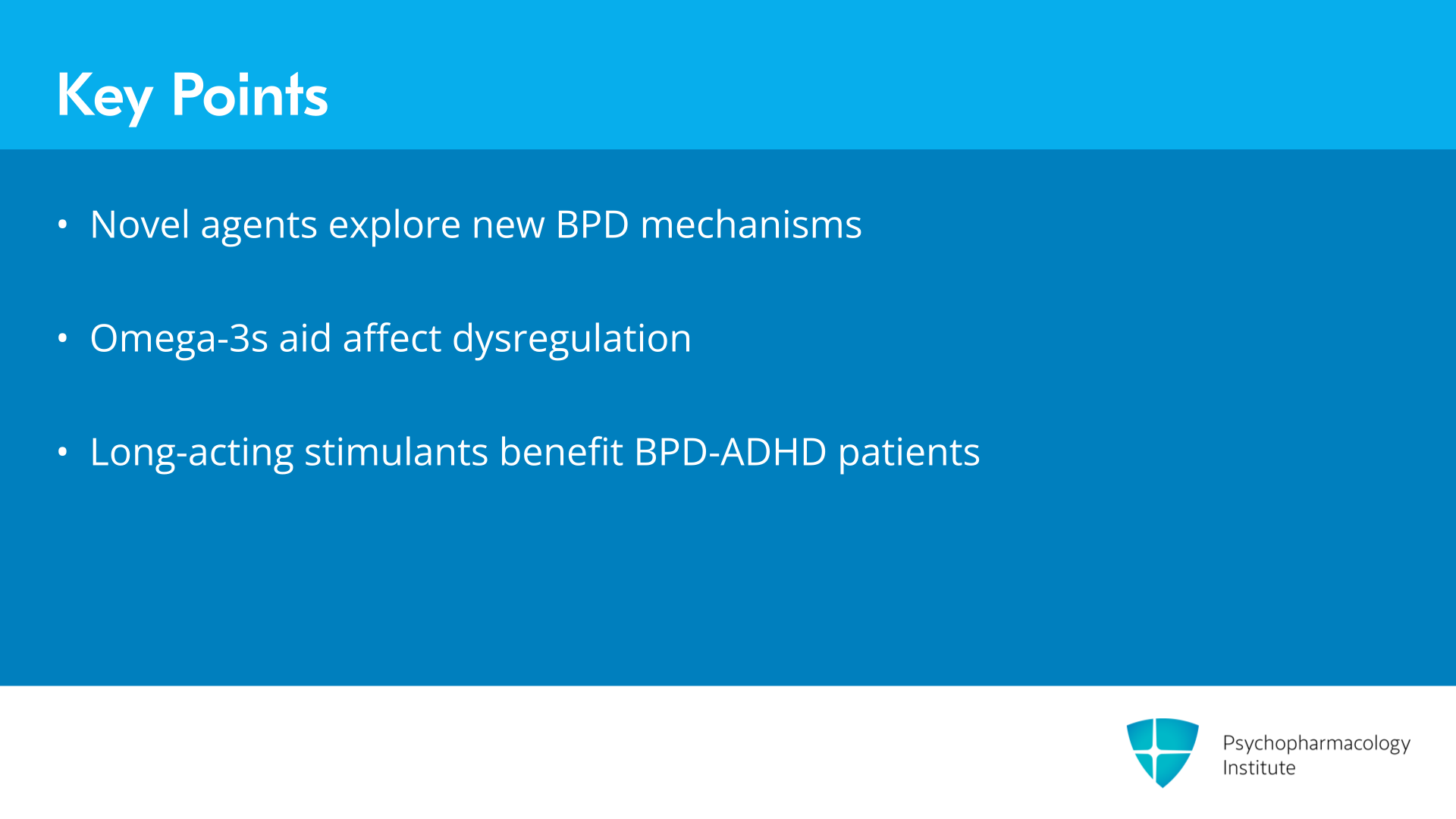
The key points from this section are that novel agents that we’ve discussed are really used to highlight new mechanisms of action, that might be important in borderline psychopathology. Omega-3 fatty acids, I’ve used sometimes particularly in patients who want to avoid medications but struggle with affect dysregulation. For patients with BPD and ADHD, I think long-acting stimulants can be effective and they may even reduce the risk of suicide behavior.

Slide 20 of 20

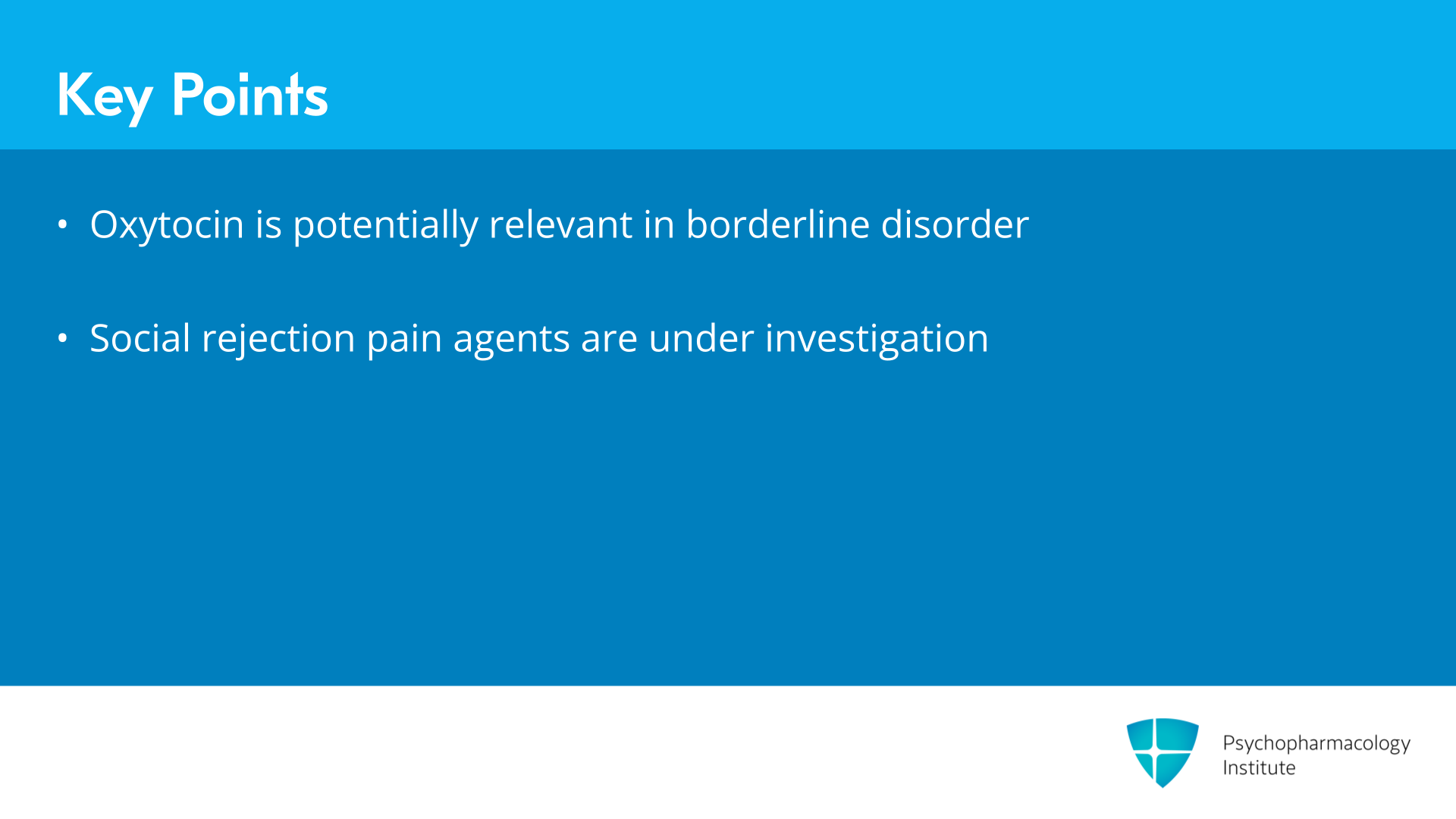
Oxytocin of course would potentially be of interest in borderline patients but further study is needed and agents that may reduce emotional pain from social rejection again are intriguing in understanding borderline psychopathology but all of these agents require further study.
Free Files
Success!
Check your inbox, we sent you all the materials there.

Learning Objectives

After completing this activity, the learner will be able to:

  1. Differentiate borderline personality disorder from bipolar II disorder and complex PTSD using the duration and triggers of mood shifts, self-concept, and relationship patterns.
  2. Apply a collaborative, time-limited approach to prescribing in borderline personality disorder, including baseline symptom assessment, patient-defined functional outcomes, and structured deprescribing to reduce polypharmacy.
  3. Select pharmacotherapy for specific symptom targets and comorbid conditions in borderline personality disorder, weighing the evidence for antipsychotics, mood stabilizers, antidepressants, and stimulants against the risks of benzodiazepines.

Activity

Original Release Date: September 30, 2026
Expiration Date: September 30, 2029
Expert: Paul S. Links, M.D., F.R.C.P.C.
Medical Editor: Tomás Abudarham, M.D.

Relevant Financial Disclosures:

Paul S. Links, M.D., F.R.C.P.C. declares the following interest:
– American Psychiatric Association Publishing: Receive book royalties

All the relevant financial relationships listed above have been mitigated by Medical Academy and the Psychopharmacology Institute.

None of the other faculty, planners, and reviewers for this educational activity has relevant financial relationships to disclose during the last 24 months with ineligible companies whose primary business is producing, marketing, selling, re-selling, or distributing healthcare products used by or on patients.

Instructions for Participation and Credit

Participants must complete the activity online within the valid credit period noted above.
Follow these steps to earn CME credit:

  1. View the required educational content provided on this course page.
  2. Complete the Post-Activity Evaluation to provide the necessary feedback for continuing accreditation purposes and for the development of future activities. NOTE: Completing the Post Activity Evaluation after the quiz is required to receive the earned credit.
  3. Download your certificate.

Please note that CME and SA CME certificates completion dates are recorded using UTC. Depending on your local time zone, activities completed later in the day may appear on your certificate with the following calendar date.

Contact Information: For questions regarding the content or access to this activity, contact us at support@psychopharmacologyinstitute.com

Accreditation

Physicians

Accreditation Statement:
This activity has been planned and implemented in accordance with the accreditation requirements and policies of the Accreditation Council for Continuing Medical Education through the joint providership of Medical Academy LLC and the Psychopharmacology Institute. Medical Academy is accredited by the ACCME to provide continuing medical education for physicians.

Credit Designation Statement:
Medical Academy designates this enduring activity for a maximum of 1 AMA PRA Category 1 credit(s)™. Physicians should claim only the credit commensurate with the extent of their participation in the activity.

Nursing professionals — The ANCC accepts AMA PRA Category 1 Credit(s)™ as Contact Hours, under this calculation: 1 CME = 1 Contact Hour. All of our content is psychopharmacology, so the pharmacology hours shown on your certificate match the credits awarded for that activity. Your certificate states them on their own line, separately from the credit designation statement. This applies to APRN pharmacology renewal as well. Boards of nursing define pharmacology CE in their own way, so please confirm with your board that this is the documentation they expect.

Physician assistants — The NCCPA accepts AMA PRA Category 1 Credit™ from providers accredited by the ACCME toward PA certification maintenance. Requirements are set by the NCCPA, so please confirm with them what your current cycle requires.

Physicians outside the United States — AMA PRA Category 1 Credit™ may be awarded to physicians regardless of where they are licensed. Physicians interested in converting AMA PRA Category 1 Credit™ to UEMS-European Accreditation Council for Continuing Medical Education CME credits (ECMEC®s) should contact the UEMS at mutualrecognition@uems.eu. Acceptance toward a national continuing education requirement is determined by each country’s own authority.

Artificial Intelligence (AI) Use Disclosure

Artificial intelligence (AI) tools may have been used in limited stages of developing this activity (e.g., drafting or language refinement). The specific tool, version, and date of use are documented internally. AI is used solely as an editorial support mechanism and does not replace human expertise. AI does not determine clinical recommendations. All content is reviewed, verified, and approved by the listed experts and medical editors, and reflects independent human clinical judgment consistent with ACCME Standards for Integrity and Independence in Accredited Continuing Education.


Free Files
Success!
Check your inbox, we sent you all the materials there.
Continue in the website
Instant access modal

Become a Bronze, Silver, Gold, Bronze extended, Silver extended or Gold extended Member.

2026–27 Psychopharmacology CME Program

Unlock up to 155 CME Credits, including 40 SA CME Credits.