Learning Objectives:
- Describe the diagnostic criteria for chronic insomnia disorder and apply the Insomnia Severity Index to screen patients and monitor treatment response.
- Compare the efficacy, dosing, and safety profiles of FDA-approved and off-label agents for insomnia, including dual orexin receptor antagonists, Z-drugs, benzodiazepines, melatonin agonists, and sedating antidepressants.
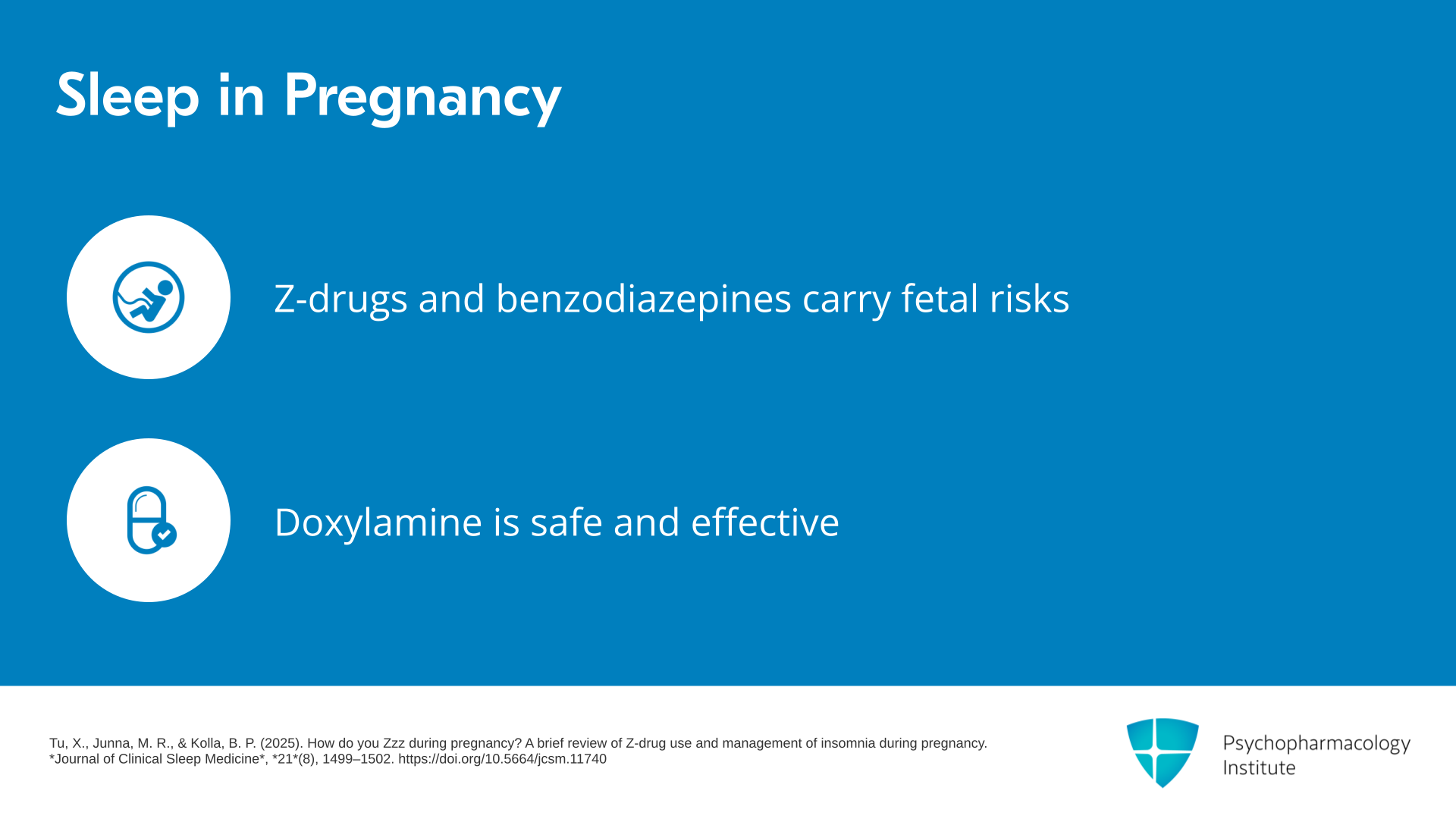
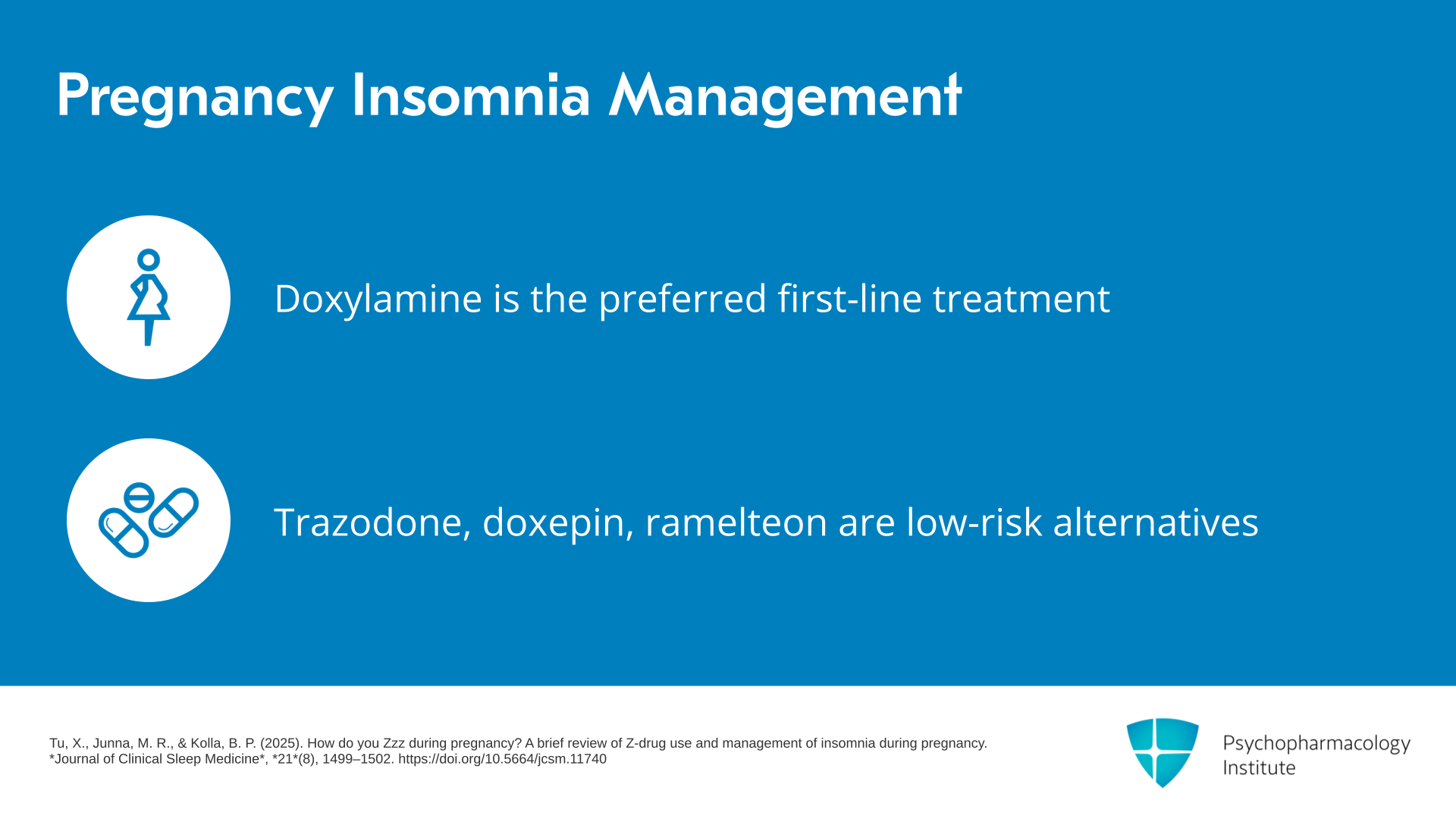
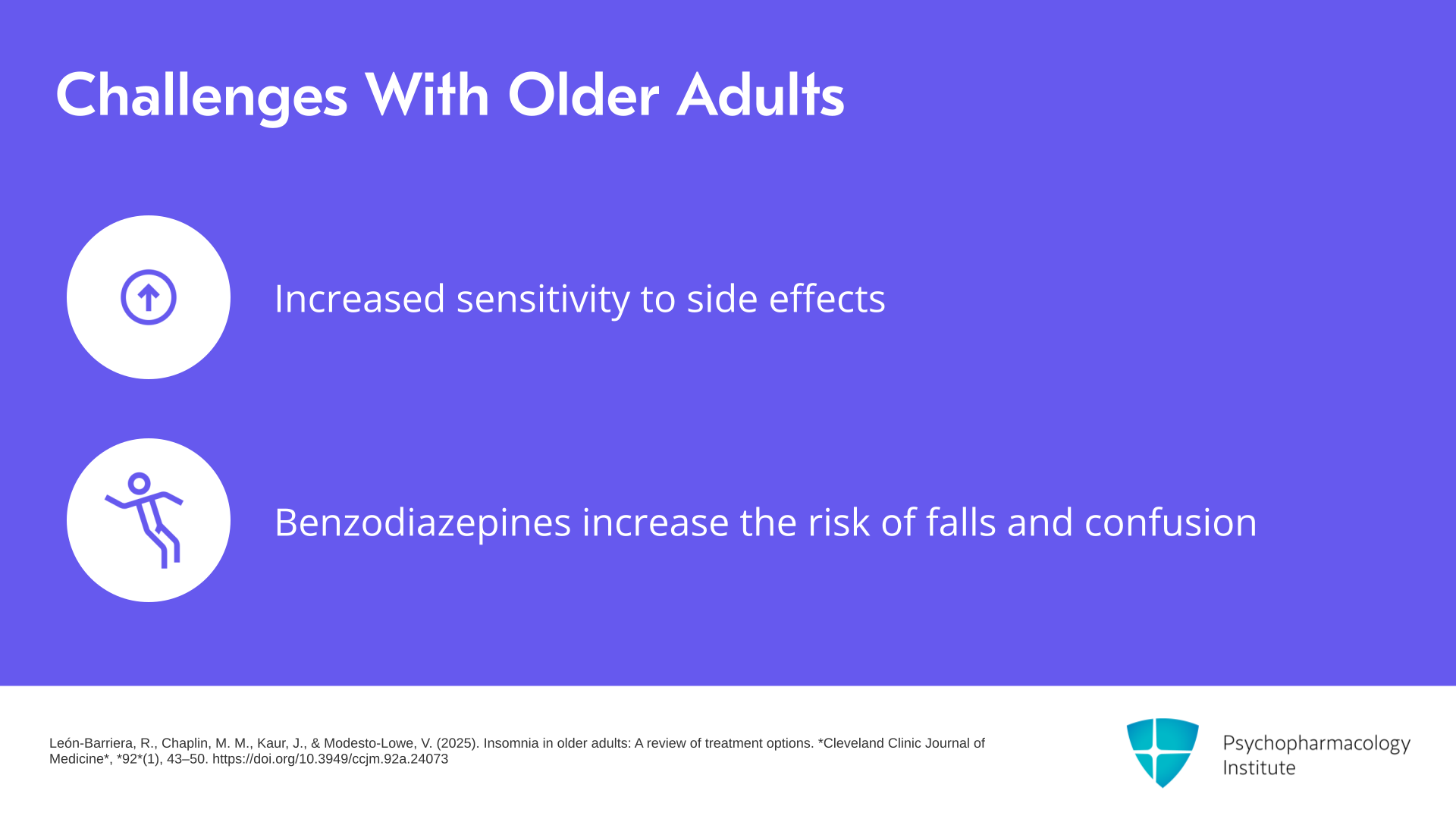
- Select appropriate pharmacotherapy for insomnia in special populations, including pregnancy, older adults, patients receiving opioids or with comorbid substance use disorder, and patients requiring long-term treatment.
Original Release Date: August 05, 2026
Expiration Date: August 05, 2029
Faculty: Bhanu Kolla, M.D.
Medical Editor: Tomás Abudarham, M.D.
Relevant Financial Disclosures:
None of the faculty, planners, and reviewers for this educational activity has relevant financial relationships to disclose during the last 24 months with ineligible companies whose primary business is producing, marketing, selling, re-selling, or distributing healthcare products used by or on patients.
Contact Information: For questions regarding the content or access to this activity, contact us at support@psychopharmacologyinstitute.com
Instructions for Participation and Credit:
Participants must complete the activity online within the valid credit period noted above.
Follow these steps to earn CME credit:
- View the required educational content provided on this course page.
- Complete the Post-Activity Evaluation to provide the necessary feedback for continuing accreditation purposes and for the development of future activities. NOTE: Completing the Post Activity Evaluation after the quiz is required to receive the earned credit.
- Download your certificate.
Please note that CME and SA CME certificates completion dates are recorded using UTC. Depending on your local time zone, activities completed later in the day may appear on your certificate with the following calendar date.
Accreditation Statement
This activity has been planned and implemented in accordance with the accreditation requirements and policies of the Accreditation Council for Continuing Medical Education through the joint providership of Medical Academy LLC and the Psychopharmacology Institute. Medical Academy is accredited by the ACCME to provide continuing medical education for physicians.
Credit Designation Statement
Medical Academy designates this enduring activity for a maximum of 1 AMA PRA Category 1 credit(s)™. Physicians should claim only the credit commensurate with the extent of their participation in the activity.
Artificial Intelligence (AI) Use Disclosure
Artificial intelligence (AI) tools may have been used in limited stages of developing this activity (e.g., drafting or language refinement). The specific tool, version, and date of use are documented internally.
AI does not determine clinical recommendations. All content is reviewed, verified, and approved by the listed faculty and medical editors, and reflects independent human clinical judgment consistent with ACCME Standards for Integrity and Independence in Accredited Continuing Education.