Learning Objectives
After completing this activity, the learner will be able to:
- Apply a two-step screen and DSM-5 severity criteria to identify cannabis use disorder and match patients to an appropriate level of care.
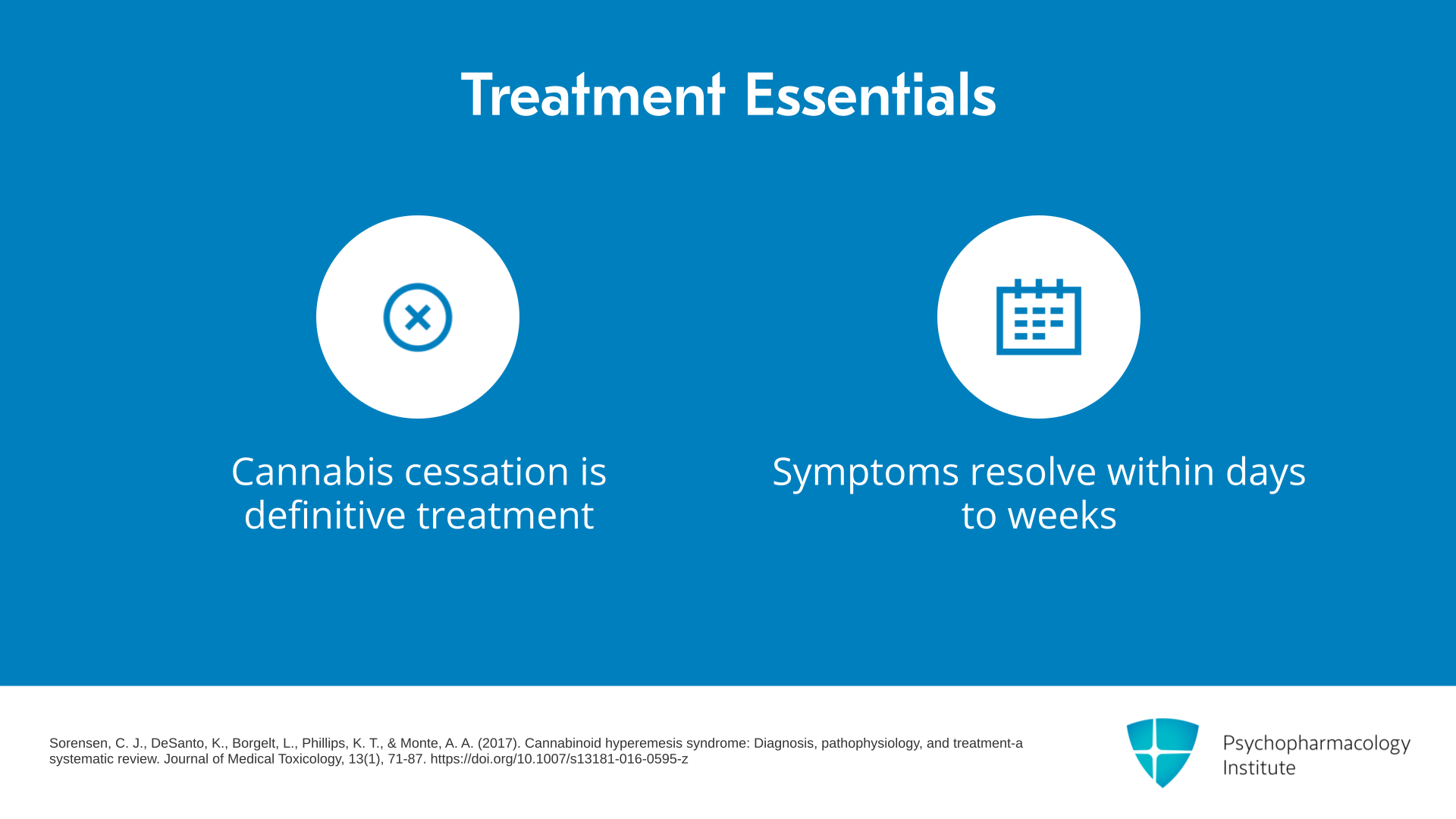
- Describe the neurobiology and expected timeline of cannabis withdrawal, and use it to counsel patients through early abstinence.
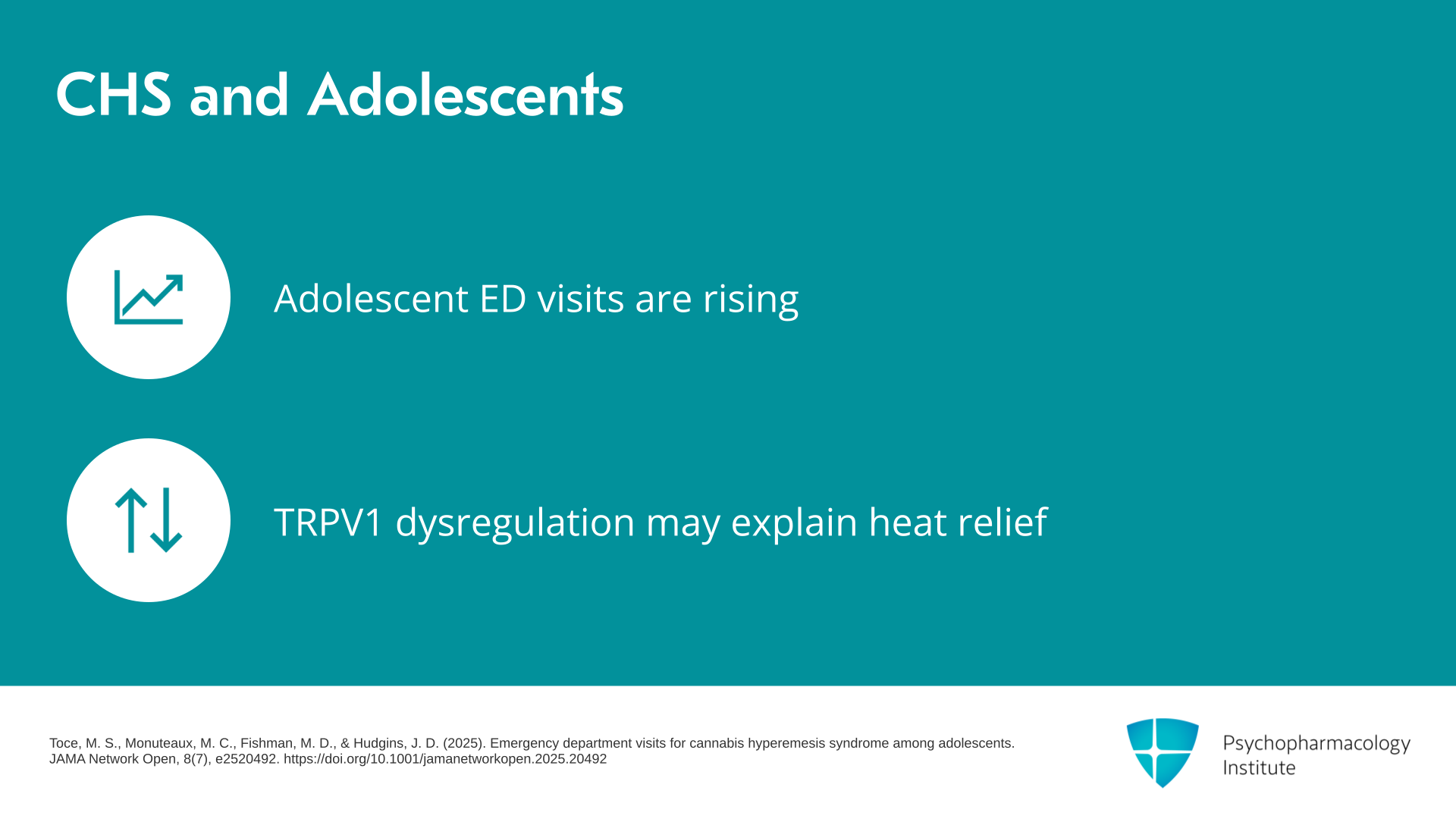
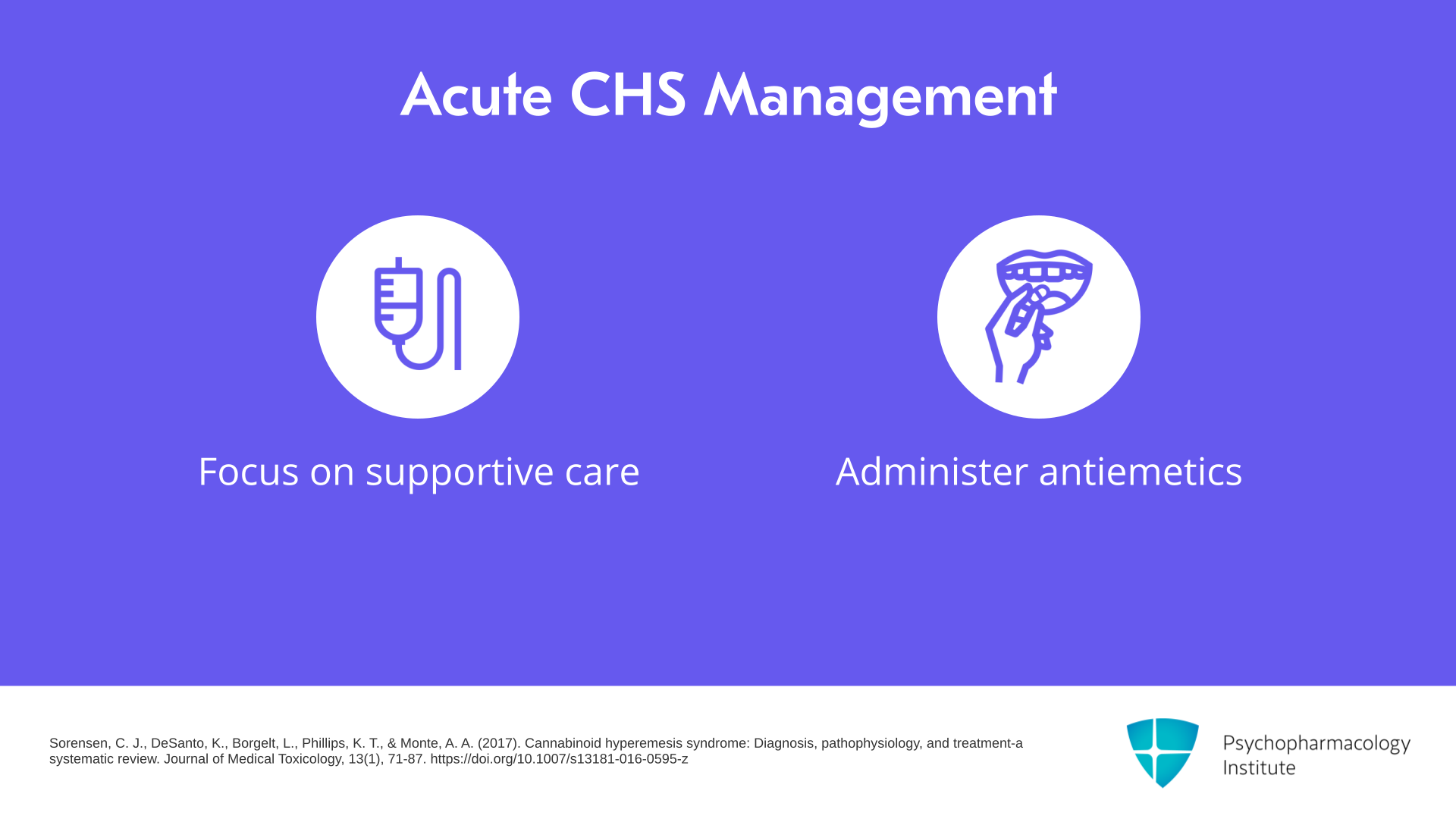
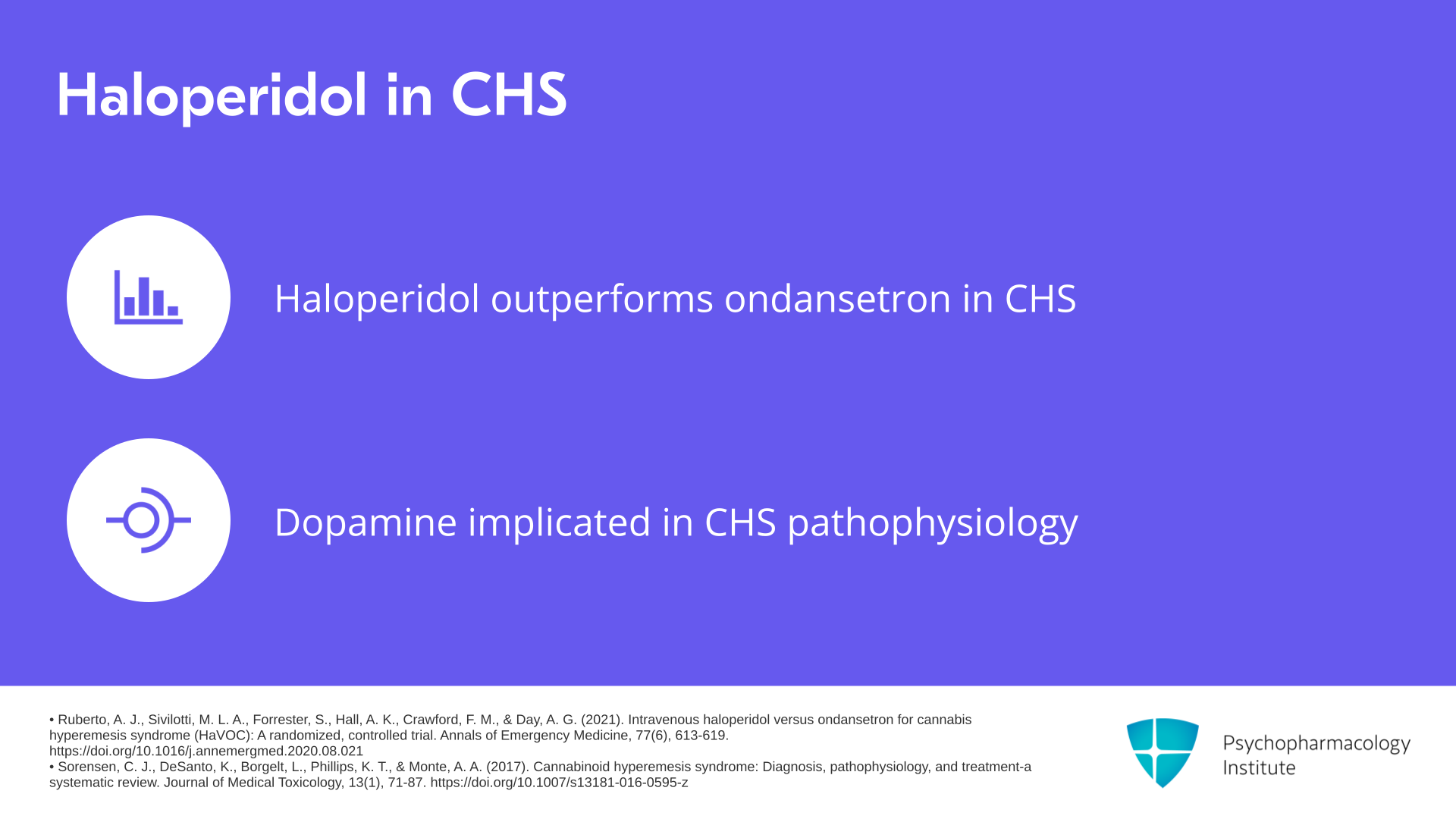
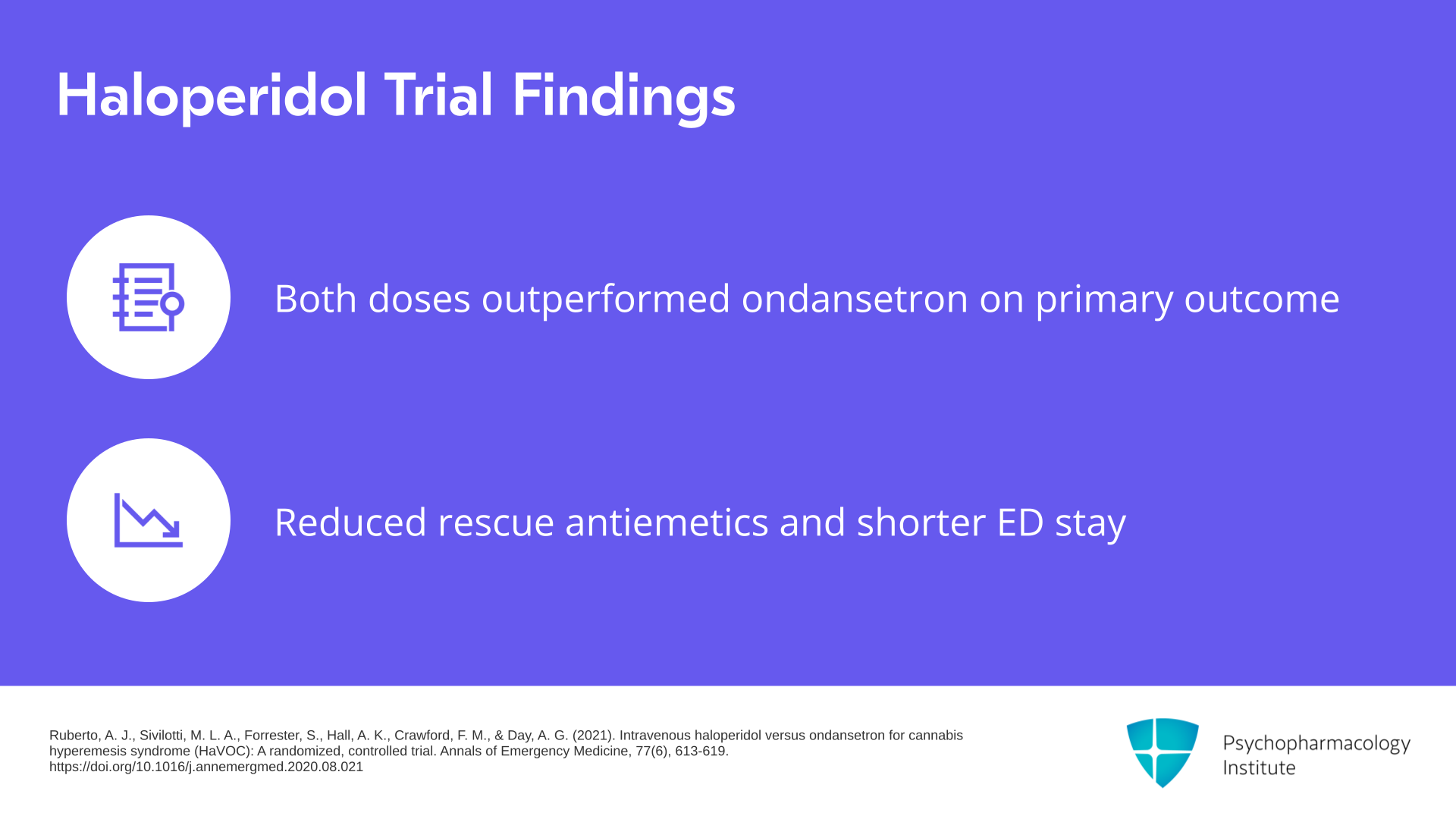
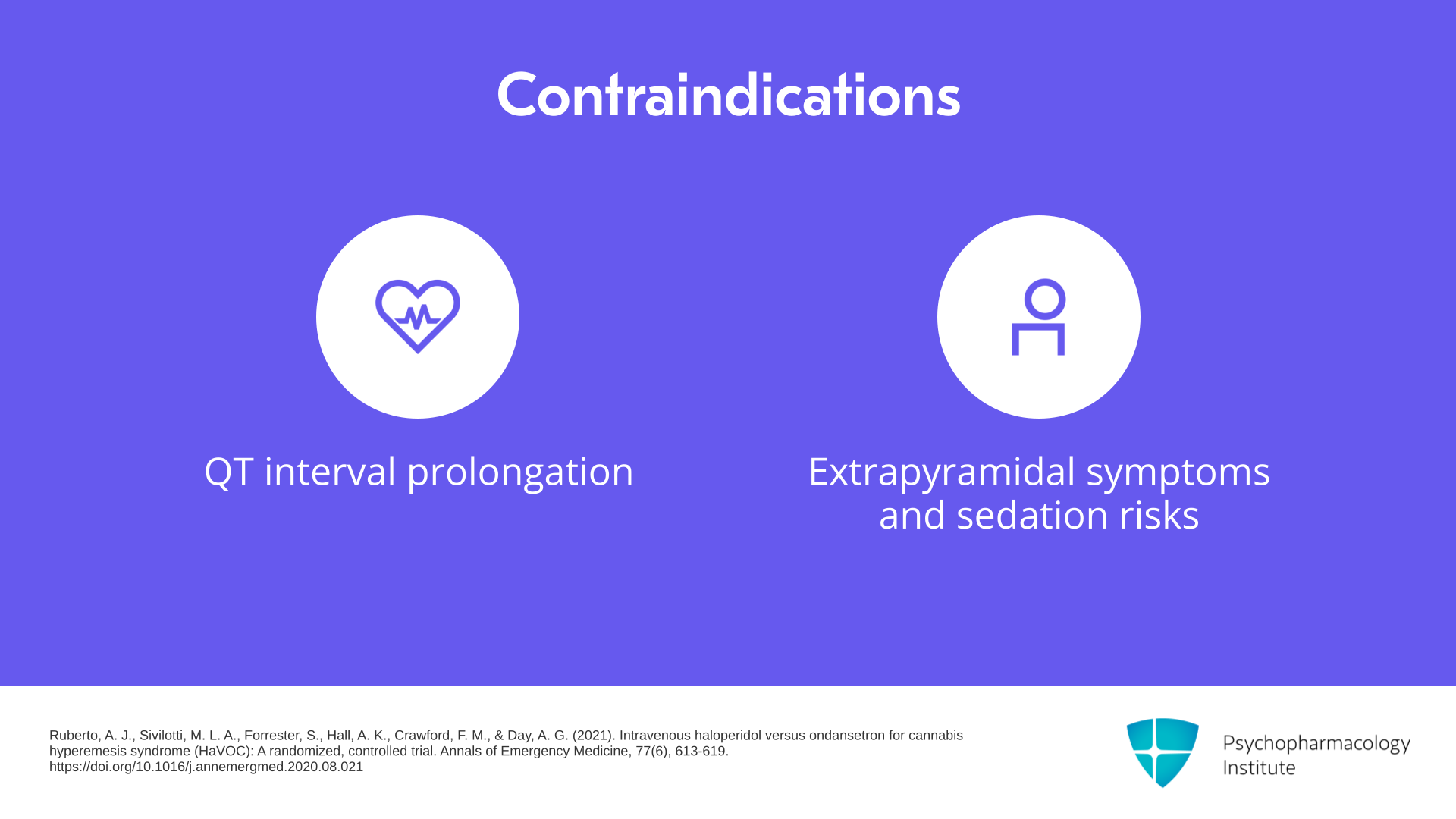
- Select psychosocial treatments and off-label, symptom-targeted medications for cannabis use disorder, and manage the acute presentation of cannabis hyperemesis syndrome.
Activity
Original Release Date: November 27, 2026
Expiration Date: November 27, 2029
Expert: Joao P. De Aquino, M.D.
Medical Editor: Tomás Abudarham, M.D.
Relevant Financial Disclosures:
Joao P. De Aquino, M.D. declares the following interests:
– National Institutes of Health (NIDA, NIAAA, NCCIH): Research funding
– Doris Duke Charitable Foundation: Research funding
– Robert E. Leet and Clara Guthrie Patterson Trust: Research funding
– Jazz Pharmaceuticals: Study medications (investigator-initiated clinical trials)
– Ananda Scientific: Study medications (investigator-initiated clinical trials)
– Boehringer Ingelheim: Compensated consultancy
All the relevant financial relationships listed above have been mitigated by Medical Academy and the Psychopharmacology Institute.
None of the other faculty, planners, and reviewers for this educational activity has relevant financial relationships to disclose during the last 24 months with ineligible companies whose primary business is producing, marketing, selling, re-selling, or distributing healthcare products used by or on patients.
Instructions for Participation and Credit
Participants must complete the activity online within the valid credit period noted above.
Follow these steps to earn CME credit:
- View the required educational content provided on this course page.
- Complete the Post-Activity Evaluation to provide the necessary feedback for continuing accreditation purposes and for the development of future activities. NOTE: Completing the Post Activity Evaluation after the quiz is required to receive the earned credit.
- Download your certificate.
Please note that CME and SA CME certificates completion dates are recorded using UTC. Depending on your local time zone, activities completed later in the day may appear on your certificate with the following calendar date.
Contact Information: For questions regarding the content or access to this activity, contact us at support@psychopharmacologyinstitute.com
Accreditation
Physicians
Accreditation Statement:
This activity has been planned and implemented in accordance with the accreditation requirements and policies of the Accreditation Council for Continuing Medical Education through the joint providership of Medical Academy LLC and the Psychopharmacology Institute. Medical Academy is accredited by the ACCME to provide continuing medical education for physicians.
Credit Designation Statement:
Medical Academy designates this enduring activity for a maximum of 1.25 AMA PRA Category 1 credit(s)™. Physicians should claim only the credit commensurate with the extent of their participation in the activity.
Nursing professionals — The ANCC accepts AMA PRA Category 1 Credit(s)™ as Contact Hours, under this calculation: 1 CME = 1 Contact Hour. All of our content is psychopharmacology, so the pharmacology hours shown on your certificate match the credits awarded for that activity. Your certificate states them on their own line, separately from the credit designation statement. This applies to APRN pharmacology renewal as well. Boards of nursing define pharmacology CE in their own way, so please confirm with your board that this is the documentation they expect.
Physician assistants — The NCCPA accepts AMA PRA Category 1 Credit™ from providers accredited by the ACCME toward PA certification maintenance. Requirements are set by the NCCPA, so please confirm with them what your current cycle requires.
Physicians outside the United States — AMA PRA Category 1 Credit™ may be awarded to physicians regardless of where they are licensed. Physicians interested in converting AMA PRA Category 1 Credit™ to UEMS-European Accreditation Council for Continuing Medical Education CME credits (ECMEC®s) should contact the UEMS at mutualrecognition@uems.eu. Acceptance toward a national continuing education requirement is determined by each country’s own authority.
Artificial Intelligence (AI) Use Disclosure
Artificial intelligence (AI) tools may have been used in limited stages of developing this activity (e.g., drafting or language refinement). The specific tool, version, and date of use are documented internally. AI is used solely as an editorial support mechanism and does not replace human expertise. AI does not determine clinical recommendations. All content is reviewed, verified, and approved by the listed experts and medical editors, and reflects independent human clinical judgment consistent with ACCME Standards for Integrity and Independence in Accredited Continuing Education.