Video presentations on antipsychotic agents
These are short video lectures highlighting the key clinical features of this class of drugs.
First vs Second-Generation Antipsychotics
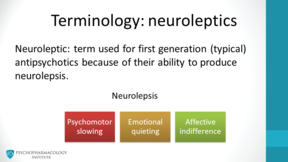
A brief introduction to general concepts: definitions and differences between typical and atypical agents.
Antipsychotics for Schizophrenia: A Clinical Overview
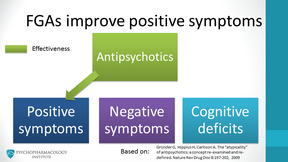
The effects of antipsychotics on positive, negative and cognitive symptoms of schizophrenia. Antipsychotics for Bipolar Disorder The use of antipsychotic agents for the treatment of different phases of bipolar disorder: mania, depression and as maintenance treatment.

Mechanism of Action of AntipsychotIc Agents
An overview of the dopamine theory of schizophrenia, the effects of antipsychotics on dopamine pathways and other non-dopamine mechanisms.
Acute Neurological Adverse Effects of Antipsychotics
Summary of acute abnormal movements: akathisia, parkinsonism, dystonia.
Articles
First-Generation Antipsychotics
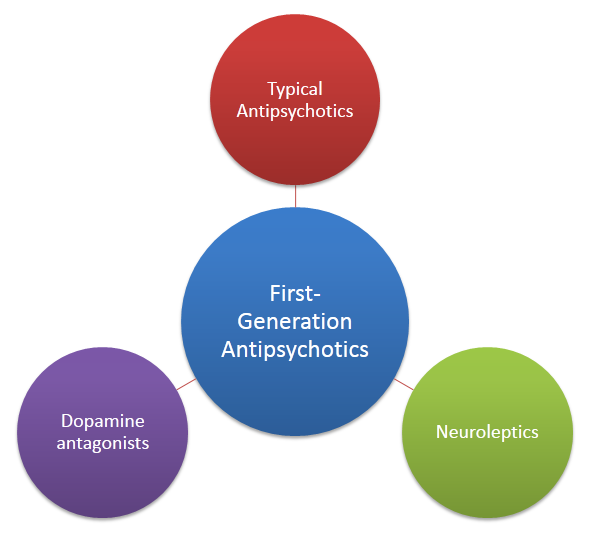
An introduction to the terminology, classification, effects on dopamine pathways and equivalences of typical agents.
Long-Acting Injectable Antipsychotics: A Practical Guide for Prescribers
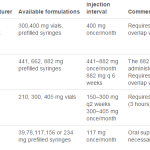
This article summarizes the most clinically relevant features of long-acting injectable antipsychotics (LAIs, previously known as depot antipsychotics). We discuss general concepts as well as key prescribing facts of individual agents. The guide also includes two new formulations: aripiprazole lauroxil (Aristada) and 3-month paliperidone palmitate (Invega Trinza).
Interviews
Reviewing Antipsychotic Adverse Effects with Prof. Mark Taylor

Professor Mark Taylor is a consultant psychiatrist at the NHS in the UK. He is also Associate Professor at the University of Queensland in Brisbane Australia. He is the coauthor of a paper published in the Journal of Psychopharmacology: “First do no harm.” A systematic review of the prevalence and management of antipsychotic adverse effects”.
Second-Generation Antipsychotics (Atypicals)
This section includes mechanism of action, pharmacokinetics and indications of the most commonly prescribed antipsychotics.
Aripiprazole
- Mechanism of action
- Indications
- Schizophrenia
- Bipolar disorder:
- Major Depressive Disorder
- Pharmacokinetics
- Formulations
Asenapine
Iloperidone
Lurasidone
- Indications
- Pharmacokinetics
- Adverse effects
- Mechanism of action and pharmacodynamics
- Interactions
Olanzapine
Quetiapine
- Indications
- Schizophrenia
- Depression
- Bipolar Disorder:
- Pharmacokinetics
- Mechanism of action