Close Banner
Free Section  - Video Lectures

05. Omega-3 Fatty Acids for Anxiety: Patient Selection, EPA-to-DHA Ratio, Dosing, and AFib Risk

Published on July 8, 2026 Certification expiration date: July 8, 2029

Noshene E. Ranjbar, M.D., D.F.A.A.C.A.P., D.F.A.P.A.

Professor of Psychiatry and Director of the Integrative Psychiatry Program - University of Arizona

Key Points

  • Omega-3s offer anti-inflammatory effects and potential anxiolytic benefits. In clinical practice, consider them for anxious patients who are overweight, have high triglycerides, or hs-CRP above 3.
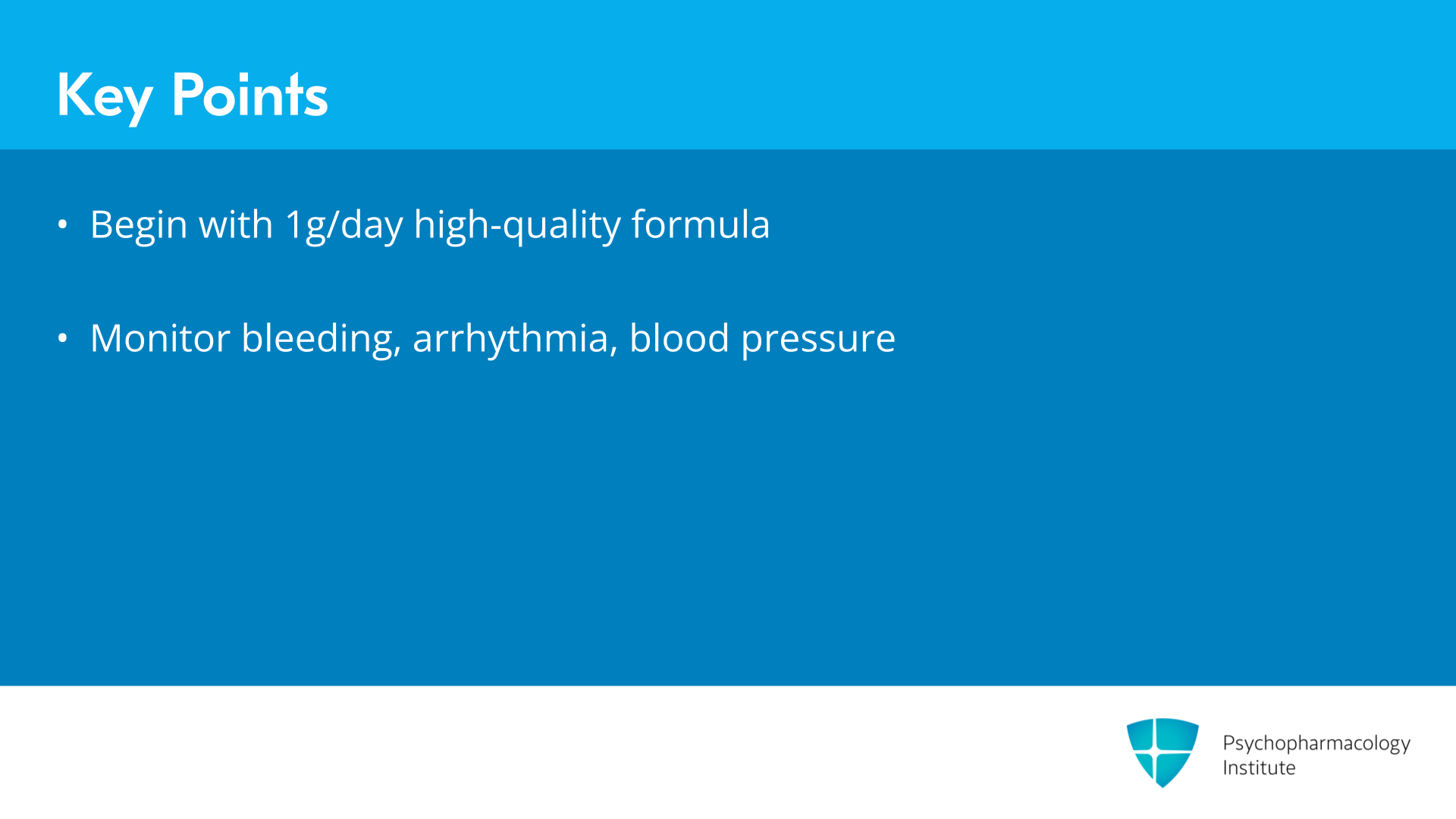
  • Start omega-3s at 1 gram daily of a third-party-tested formula with an EPA-to-DHA ratio of 3:2. Target 2 grams daily after one week if no side effects appear.
  • Discontinue omega-3 ethyl esters permanently if atrial fibrillation develops. Risk is dose-dependent, and highest at 4 grams daily.

Free Downloads for Offline Access

  • Free Download PDF File
  • Free Download Audio File (MP3)
  • Free Download Video (MP4)

Slides and Transcript

Slide 1 of 17

In this section, we discuss omega-3 fatty acids including neurotransmitter effects and anti-inflammatory pathways.

Slide 2 of 17

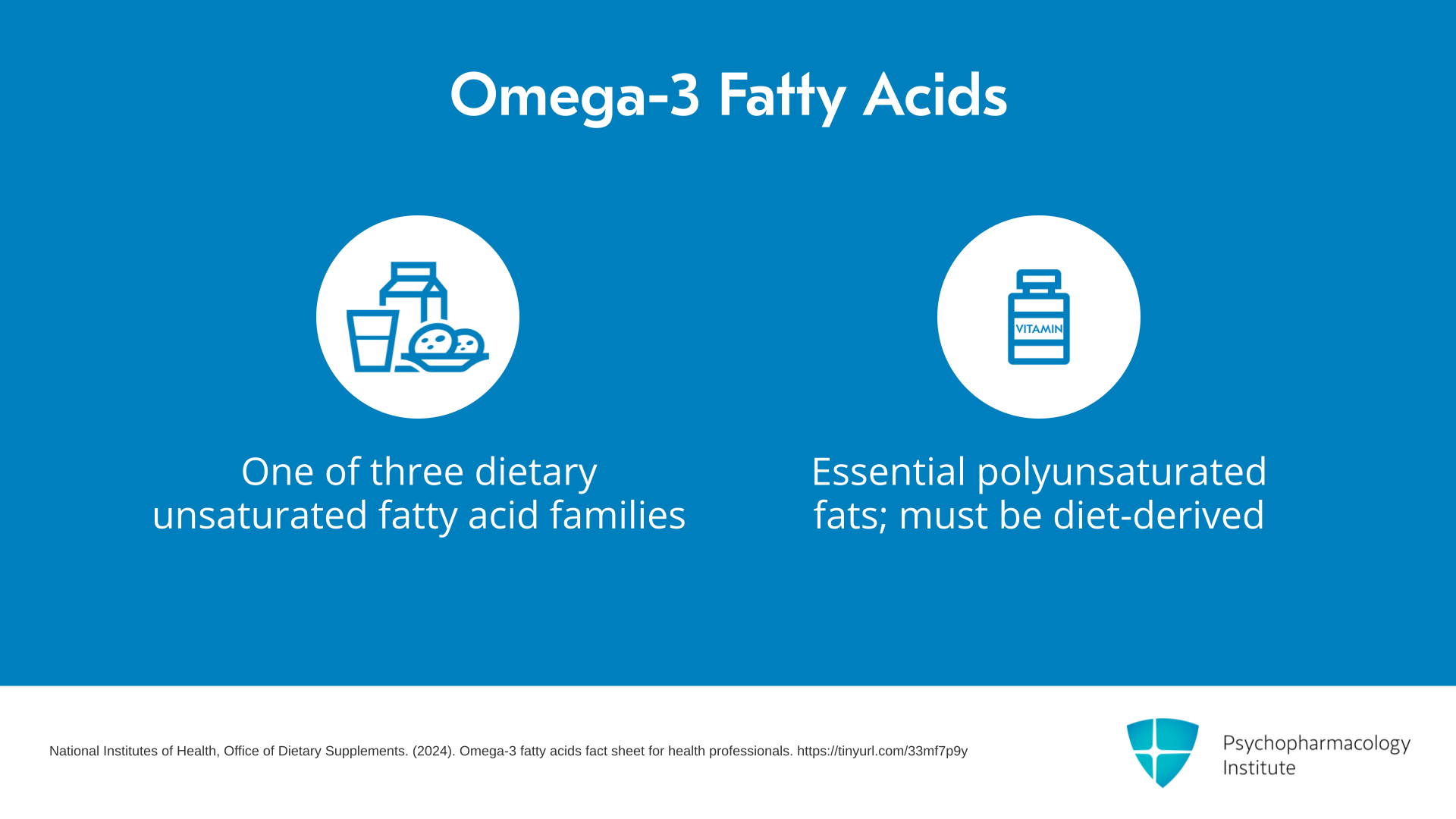
Omega-3 fatty acids are a group of fatty acids that have an initial carbon-carbon double bond at the third carbon unit from the terminal methyl group. These constitute one of the three major families of unsaturated fatty acids present in the diet, the others being omega-6 and omega-9 fatty acids. Dietary omega-3 fatty acids have more than one double bond and are therefore considered polyunsaturated fatty acids, classified as essential which means they must be taken endogenously because our body does not produce them.
References:
  • National Institutes of Health, Office of Dietary Supplements. (2024). Omega-3 fatty acids fact sheet for health professionals. https://tinyurl.com/33mf7p9y
Free Files
Success!
Check your inbox, we sent you all the materials there.

Slide 3 of 17

The only rich sources of EPA and DHA, which are the two components of omega-3 fatty acids, are cold-water fish including anchovies, krill, herring, tuna, mackerel, salmon, sardines, cod liver oil and other fish oils.
References:
  • National Institutes of Health, Office of Dietary Supplements. (2024). Omega-3 fatty acids fact sheet for health professionals. https://tinyurl.com/33mf7p9y

Slide 4 of 17

Dietary sources are not plentiful in plant foods with the exception of flax and chia seeds and in small amounts in walnuts, soybeans, canola oil, free range chicken eggs, grassfed animals and their milk.
References:
  • National Institutes of Health, Office of Dietary Supplements. (2024). Omega-3 fatty acids fact sheet for health professionals. https://tinyurl.com/33mf7p9y
Free Files
Success!
Check your inbox, we sent you all the materials there.

Slide 5 of 17

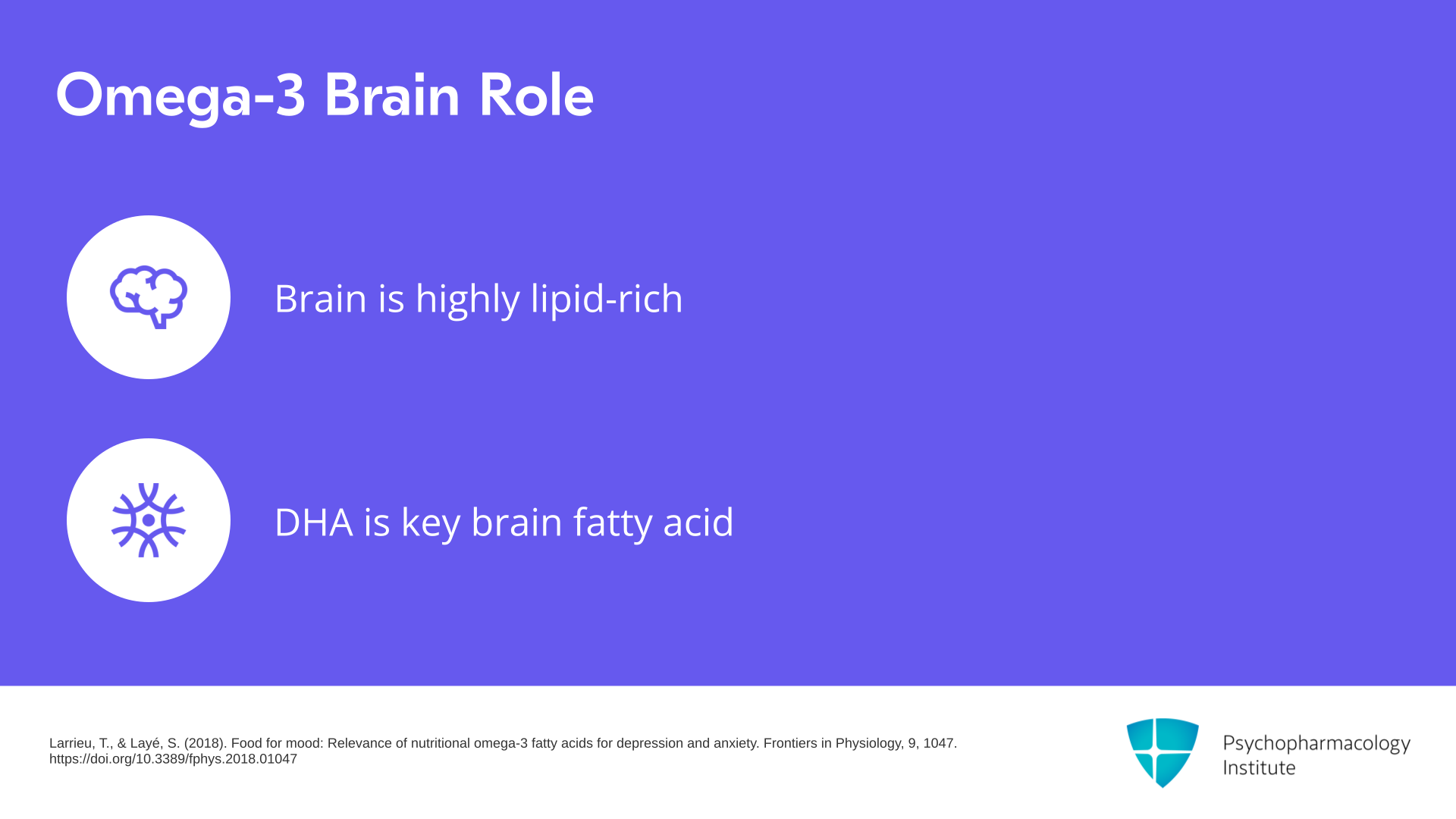
What are the mechanisms behind how omega-3s can be helpful? The central nervous system has the highest concentration of lipids in the organism after adipose tissue. For example, 50% to 60% of the dry weight of the brain is made of lipids. The brain is particularly enriched with polyunsaturated fatty acids represented by omega-6s and omega-3s. The DHA accounts for 10% to 15% of the total fatty acids in the brain. Epidemiological studies have linked low omega-3 polyunsaturated fatty acid dietary intake with the prevalence of depression in the general population.
References:
  • Larrieu, T., & Layé, S. (2018). Food for mood: Relevance of nutritional omega-3 fatty acids for depression and anxiety. Frontiers in Physiology, 9, 1047. https://doi.org/10.3389/fphys.2018.01047

Slide 6 of 17

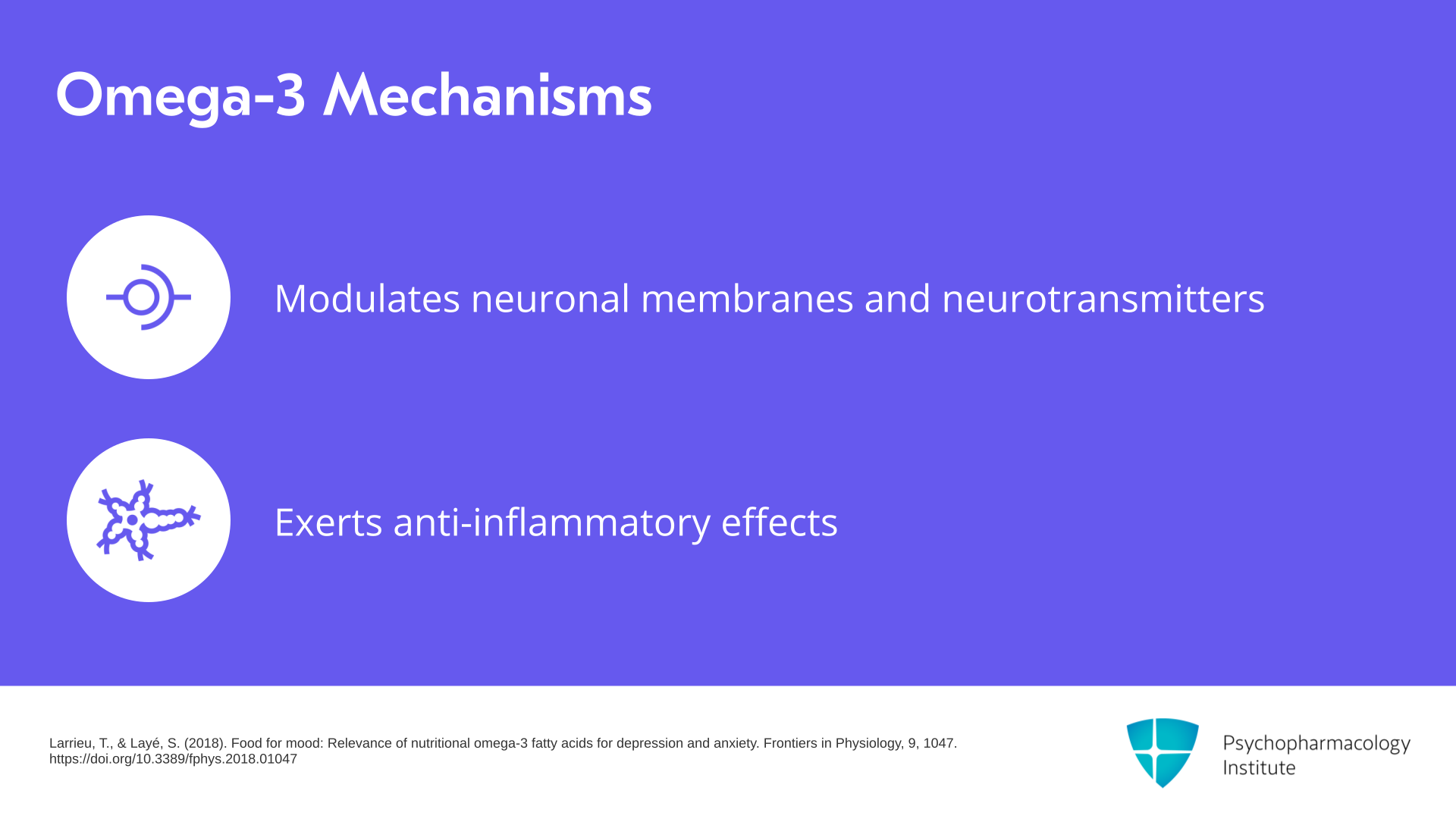
Omega-3s play multiple roles in human physiology. Omega-3 fatty acids incorporate into neuronal cell membranes, alter their physical properties including fluidity and thereby modulate neurotransmitter systems including serotonin and dopamine. They also exert anti-inflammatory effects. Omega-3s act as precursors in the synthesis of prostaglandins, leukotrienes and other eicosanoids.
References:
  • Larrieu, T., & Layé, S. (2018). Food for mood: Relevance of nutritional omega-3 fatty acids for depression and anxiety. Frontiers in Physiology, 9, 1047. https://doi.org/10.3389/fphys.2018.01047
Free Files
Success!
Check your inbox, we sent you all the materials there.

Slide 7 of 17

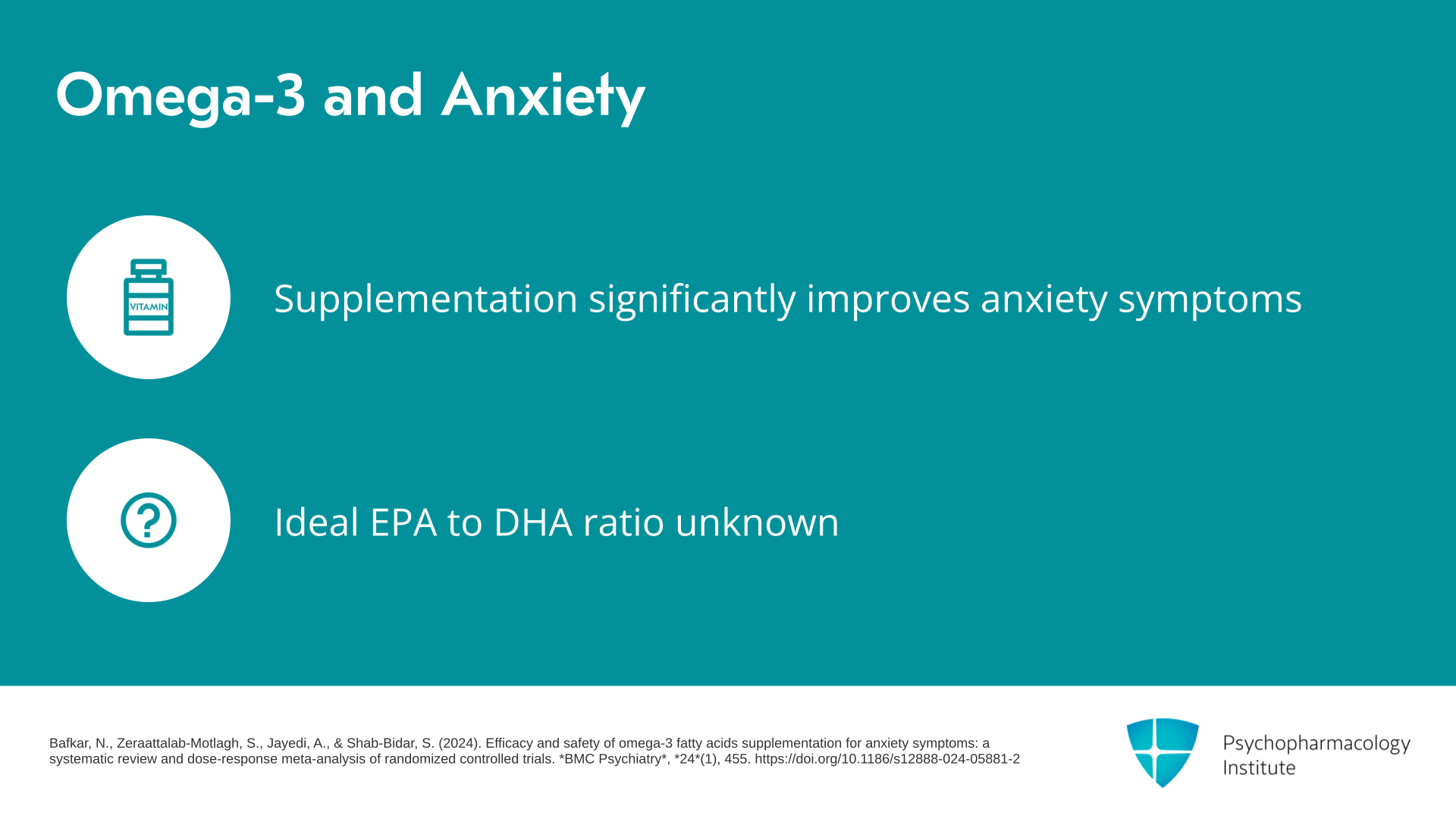
Based on a 2023 study of 23 trials with more than 2000 participants, titled Efficacy and Safety of Omega-3 Fatty Acid Supplementation for Anxiety Symptoms, supplementation was found to significantly improve anxiety symptoms with the greatest improvement at 2 grams daily. The results were of very low certainty. More trials with better methodological quality are needed to reach more robust evidence. Not enough data to determine ideal ratio of EPA to DHA exist for anxiety disorders within research.
References:
  • Bafkar, N., Zeraattalab-Motlagh, S., Jayedi, A., & Shab-Bidar, S. (2024). Efficacy and safety of omega-3 fatty acids supplementation for anxiety symptoms: a systematic review and dose-response meta-analysis of randomized controlled trials. *BMC Psychiatry*, *24*(1), 455. https://doi.org/10.1186/s12888-024-05881-2

Slide 8 of 17

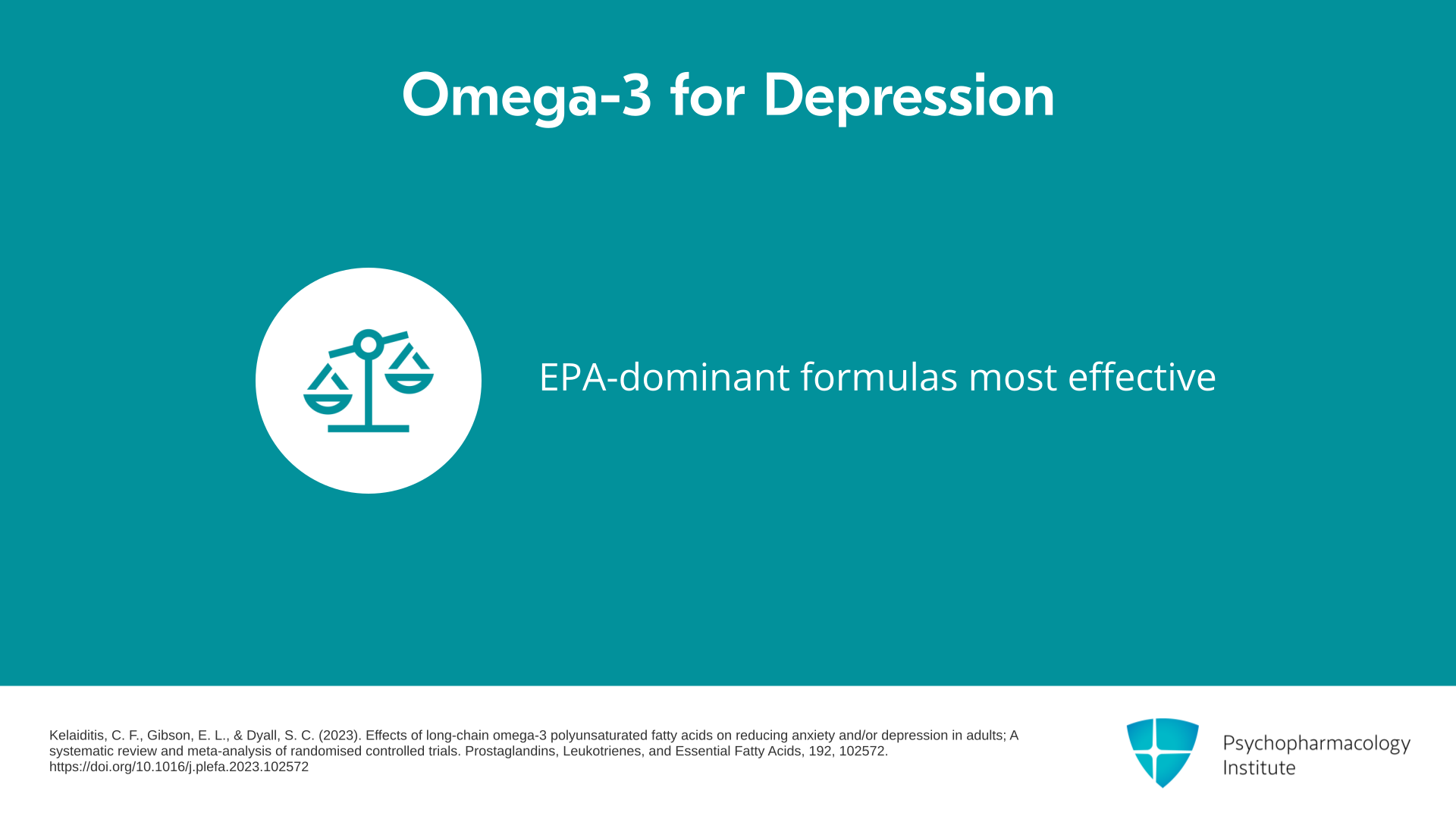
In a systematic review of omega-3s for depression, most effective preparations contained EPA at a proportion of the EPA being greater than 60% of the total EPA and DHA.
References:
  • Kelaiditis, C. F., Gibson, E. L., & Dyall, S. C. (2023). Effects of long-chain omega-3 polyunsaturated fatty acids on reducing anxiety and/or depression in adults; A systematic review and meta-analysis of randomised controlled trials. Prostaglandins, Leukotrienes, and Essential Fatty Acids, 192, 102572. https://doi.org/10.1016/j.plefa.2023.102572
Free Files
Success!
Check your inbox, we sent you all the materials there.

Slide 9 of 17

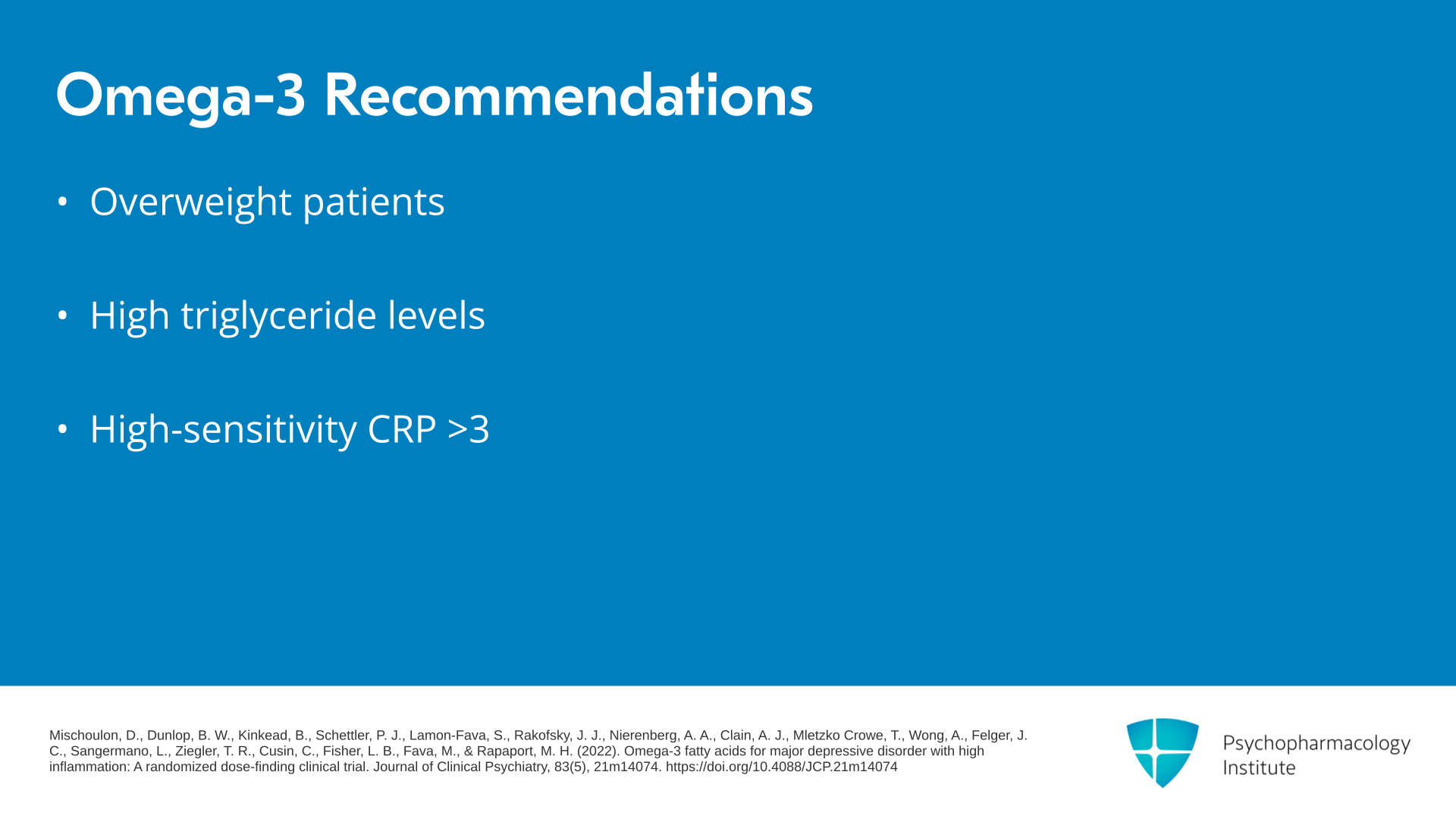
Due to inconsistencies in the data, in clinical practice, I recommend omega-3s for patients with anxiety or depression who may have the following: Either they might be overweight, have high triglyceride levels or have high-sensitivity CRP greater than 3 in their lab work.
References:
  • Mischoulon, D., Dunlop, B. W., Kinkead, B., Schettler, P. J., Lamon-Fava, S., Rakofsky, J. J., Nierenberg, A. A., Clain, A. J., Mletzko Crowe, T., Wong, A., Felger, J. C., Sangermano, L., Ziegler, T. R., Cusin, C., Fisher, L. B., Fava, M., & Rapaport, M. H. (2022). Omega-3 fatty acids for major depressive disorder with high inflammation: A randomized dose-finding clinical trial. Journal of Clinical Psychiatry, 83(5), 21m14074. https://doi.org/10.4088/JCP.21m14074

Slide 10 of 17

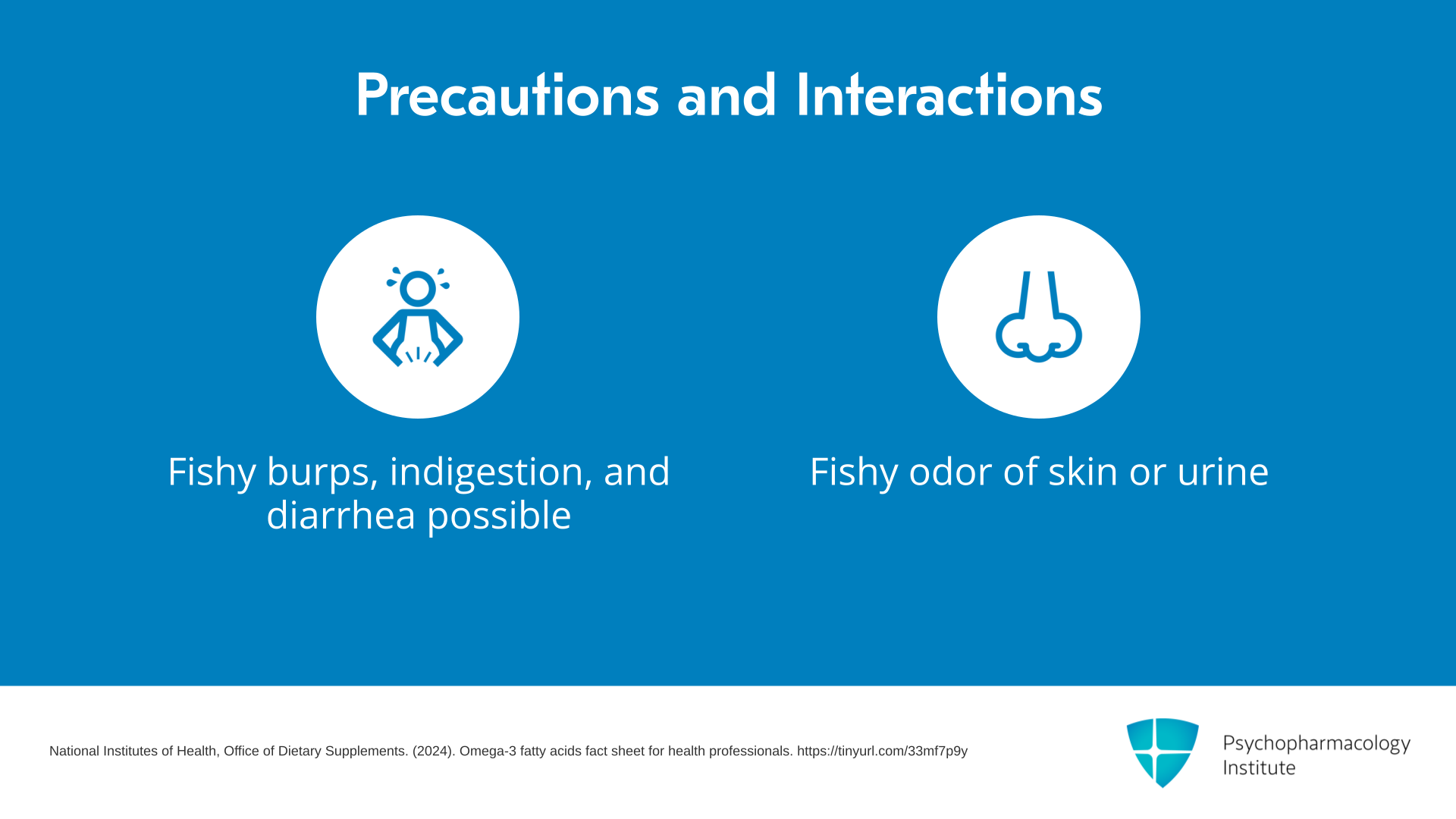
Some precautions and interactions. Most common side effects include fishy burps, indigestion, diarrhea, fishy odor of skin or urine and those with fish allergy may also be allergic to omega-3s from fish but not necessarily as many products contain minimum fish protein and consider the oil highly refined.
References:
  • National Institutes of Health, Office of Dietary Supplements. (2024). Omega-3 fatty acids fact sheet for health professionals. https://tinyurl.com/33mf7p9y
Free Files
Success!
Check your inbox, we sent you all the materials there.

Slide 11 of 17

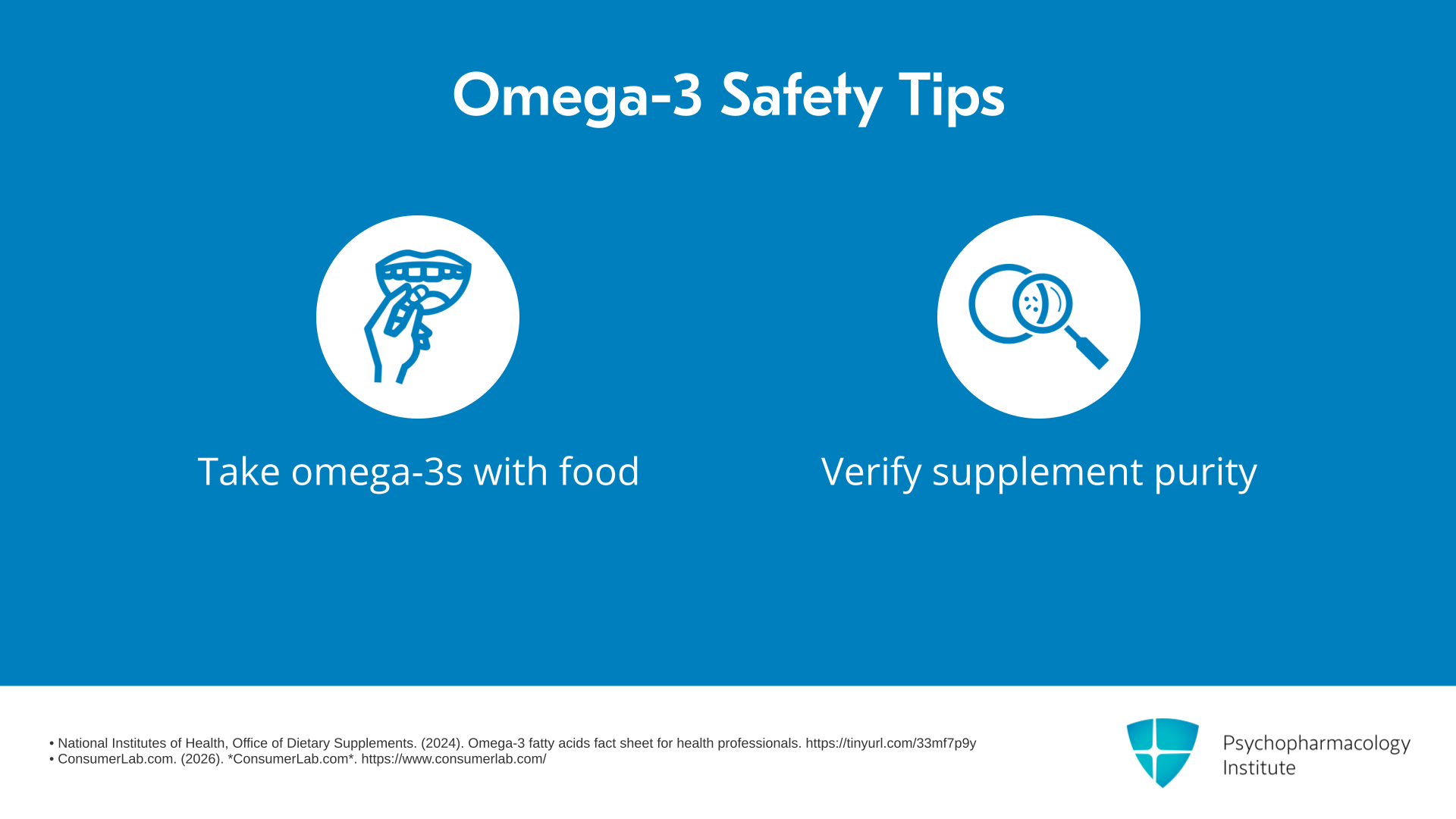
Gastrointestinal side effects can be reduced by taking the omega-3s with food, titrate slowly and freeze the capsules. Mercury toxicity can be a concern so look for a supplement that is verified toxin free by ConsumerLab and/or third-party tested with the NSF or USP labeling.
References:
  • National Institutes of Health, Office of Dietary Supplements. (2024). Omega-3 fatty acids fact sheet for health professionals. https://tinyurl.com/33mf7p9y
  • ConsumerLab.com. (2026). *ConsumerLab.com*. https://www.consumerlab.com/

Slide 12 of 17

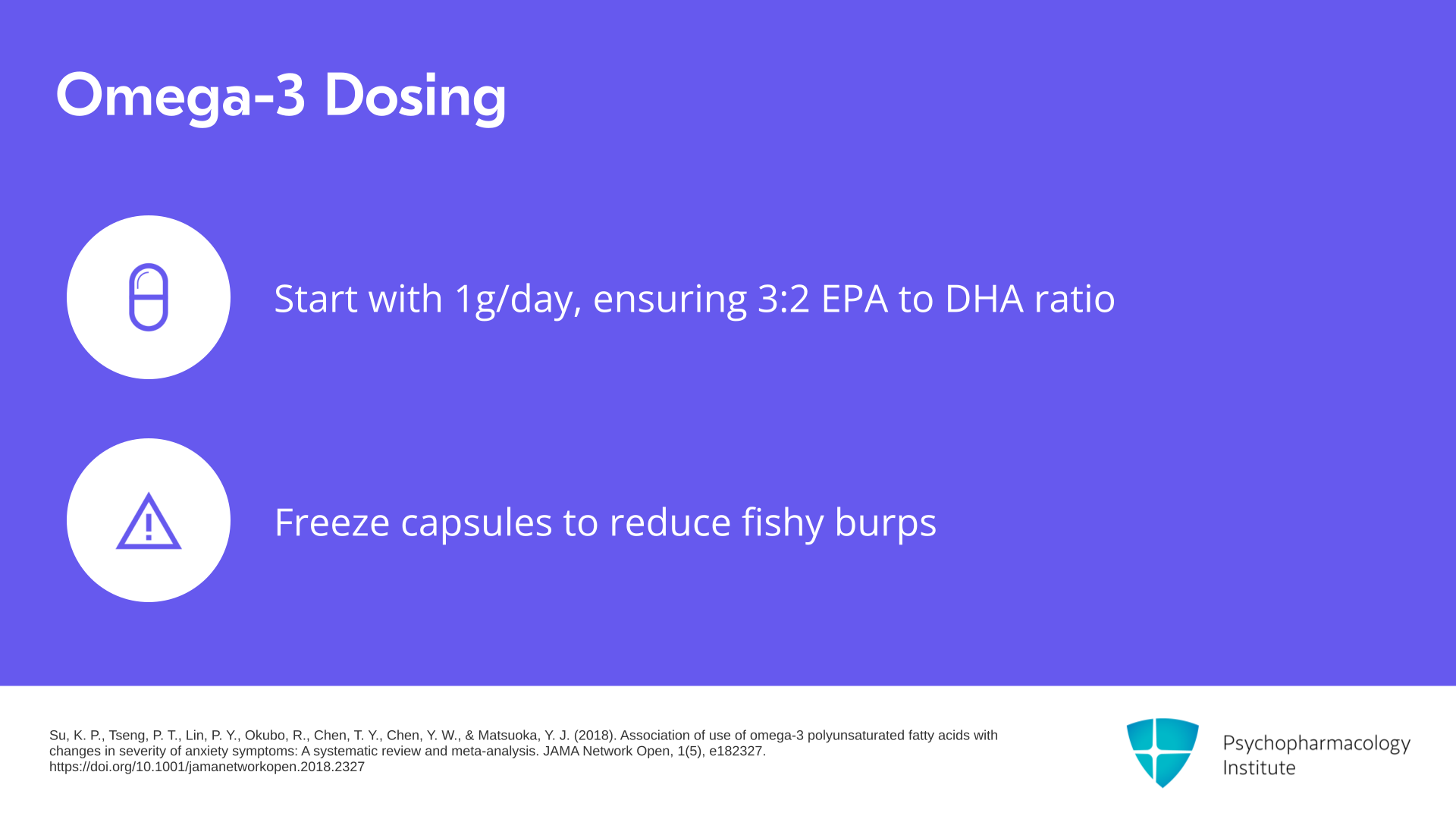
For dosing, we usually recommend starting with 1 gram a day of a high-quality omega-3 formula that has been third-party tested with 3:2 ratio of EPA to DHA. If no side effects are found within a week, then it is generally safe to go to 2 grams per day. If the capsules are resulting in fishy burps, then recommend placing the bottle of the capsules in the freezer and using them frozen and recommend taking the capsules with food.
References:
  • Su, K. P., Tseng, P. T., Lin, P. Y., Okubo, R., Chen, T. Y., Chen, Y. W., & Matsuoka, Y. J. (2018). Association of use of omega-3 polyunsaturated fatty acids with changes in severity of anxiety symptoms: A systematic review and meta-analysis. JAMA Network Open, 1(5), e182327. https://doi.org/10.1001/jamanetworkopen.2018.2327
Free Files
Success!
Check your inbox, we sent you all the materials there.

Slide 13 of 17

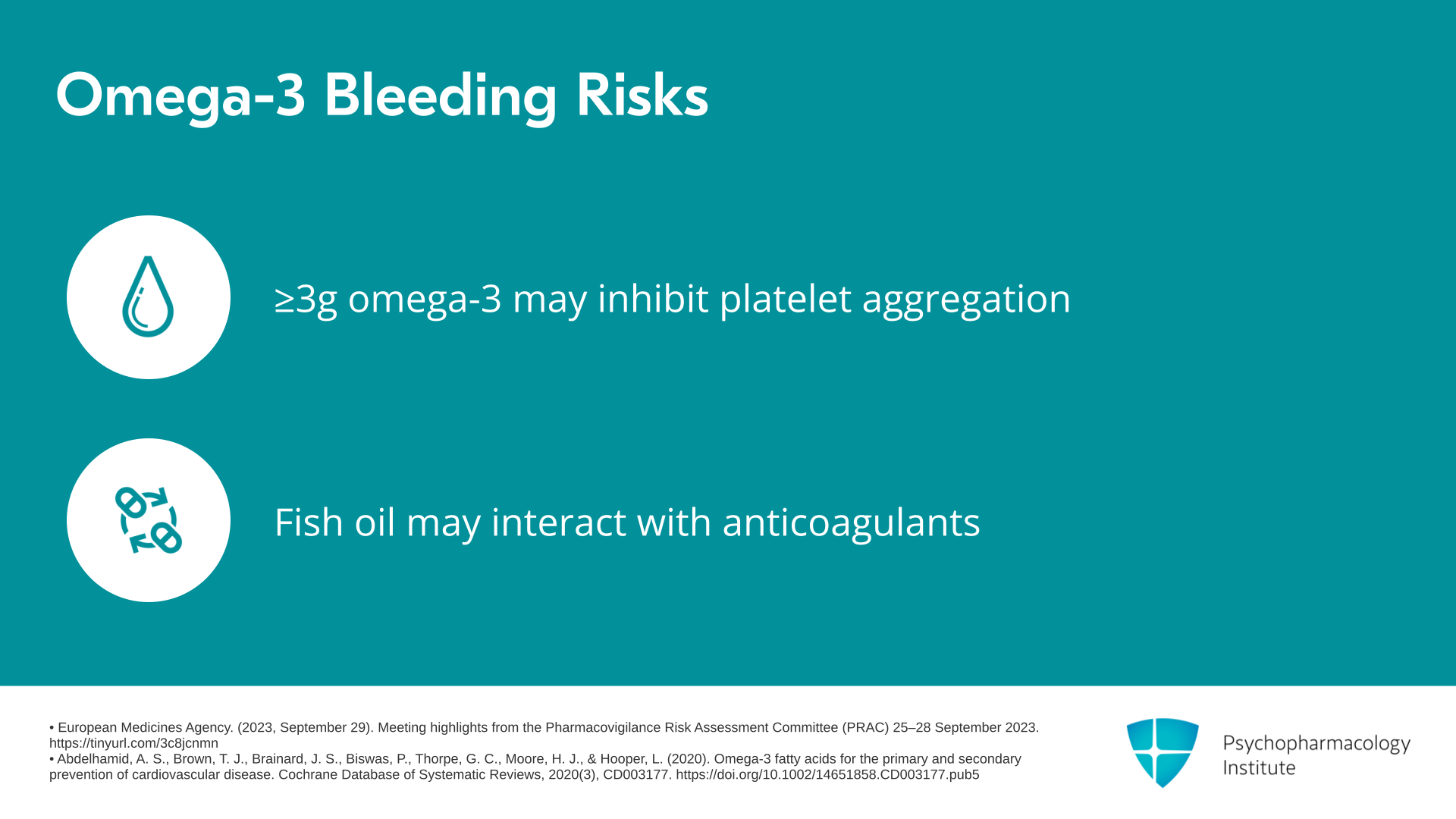
For supplement drug interactions orally, 3 grams or greater of omega-3 fatty acids may inhibit platelet aggregation and increase risk of bleeding. However, there’s little evidence of statistically significant bleeding risk at lower doses. Fish oil may have antiplatelet effects, may increase risk of bleeding if used with anticoagulant or antiplatelet drugs. However, the evidence thus far has been conflicting.
References:
  • European Medicines Agency. (2023, September 29). Meeting highlights from the Pharmacovigilance Risk Assessment Committee (PRAC) 25–28 September 2023. https://tinyurl.com/3c8jcnmn
  • Abdelhamid, A. S., Brown, T. J., Brainard, J. S., Biswas, P., Thorpe, G. C., Moore, H. J., & Hooper, L. (2020). Omega-3 fatty acids for the primary and secondary prevention of cardiovascular disease. Cochrane Database of Systematic Reviews, 2020(3), CD003177. https://doi.org/10.1002/14651858.CD003177.pub5

Slide 14 of 17

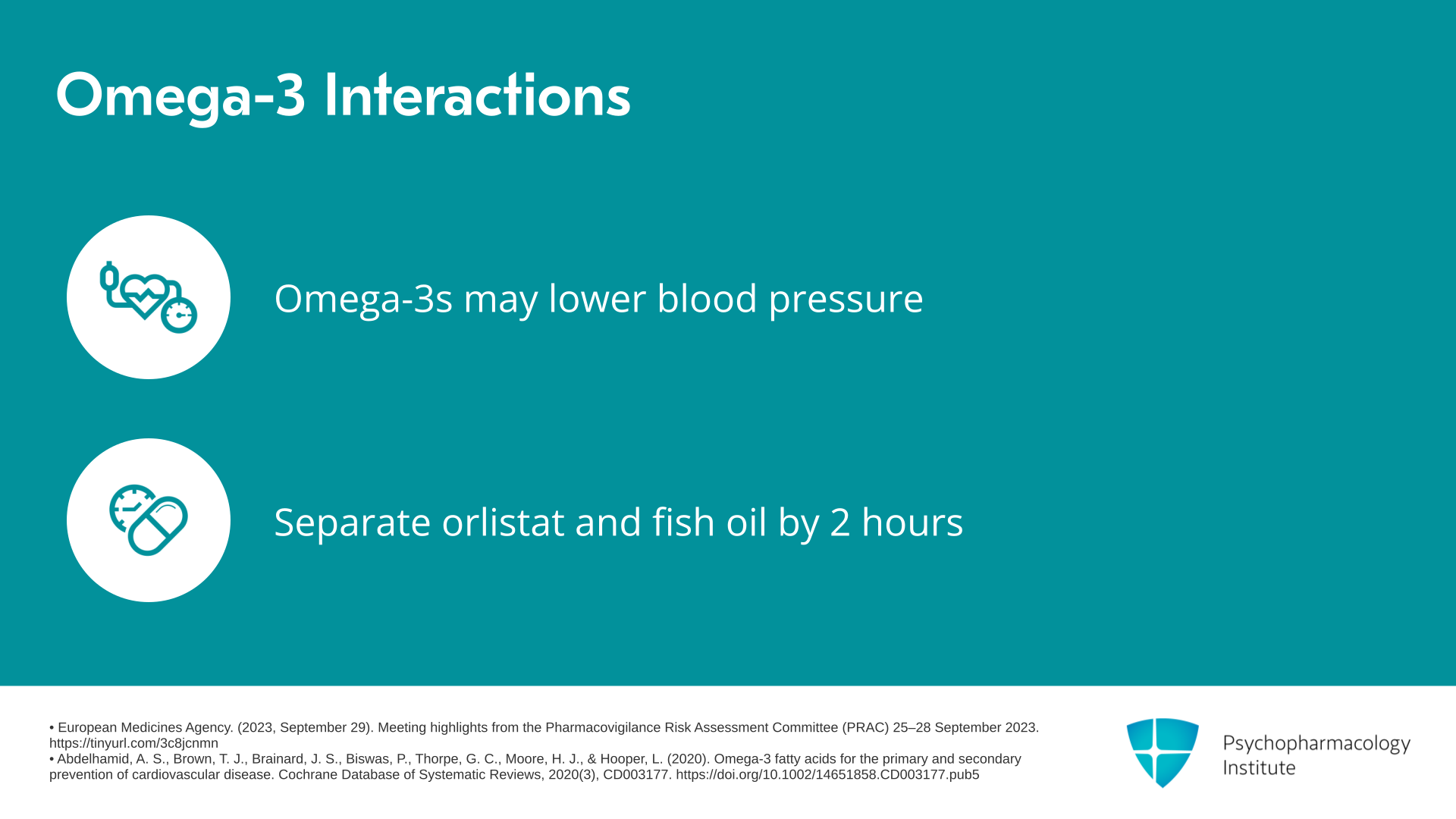
Omega-3s may lower blood pressure. Monitor those who are on antihypertensive medications. Taking the obesity medication, Orlistat, with fish oil can reduce fish oil absorption so separate the medication from fish oil by at least two hours.
References:
  • European Medicines Agency. (2023, September 29). Meeting highlights from the Pharmacovigilance Risk Assessment Committee (PRAC) 25–28 September 2023. https://tinyurl.com/3c8jcnmn
  • Abdelhamid, A. S., Brown, T. J., Brainard, J. S., Biswas, P., Thorpe, G. C., Moore, H. J., & Hooper, L. (2020). Omega-3 fatty acids for the primary and secondary prevention of cardiovascular disease. Cochrane Database of Systematic Reviews, 2020(3), CD003177. https://doi.org/10.1002/14651858.CD003177.pub5
Free Files
Success!
Check your inbox, we sent you all the materials there.

Slide 15 of 17

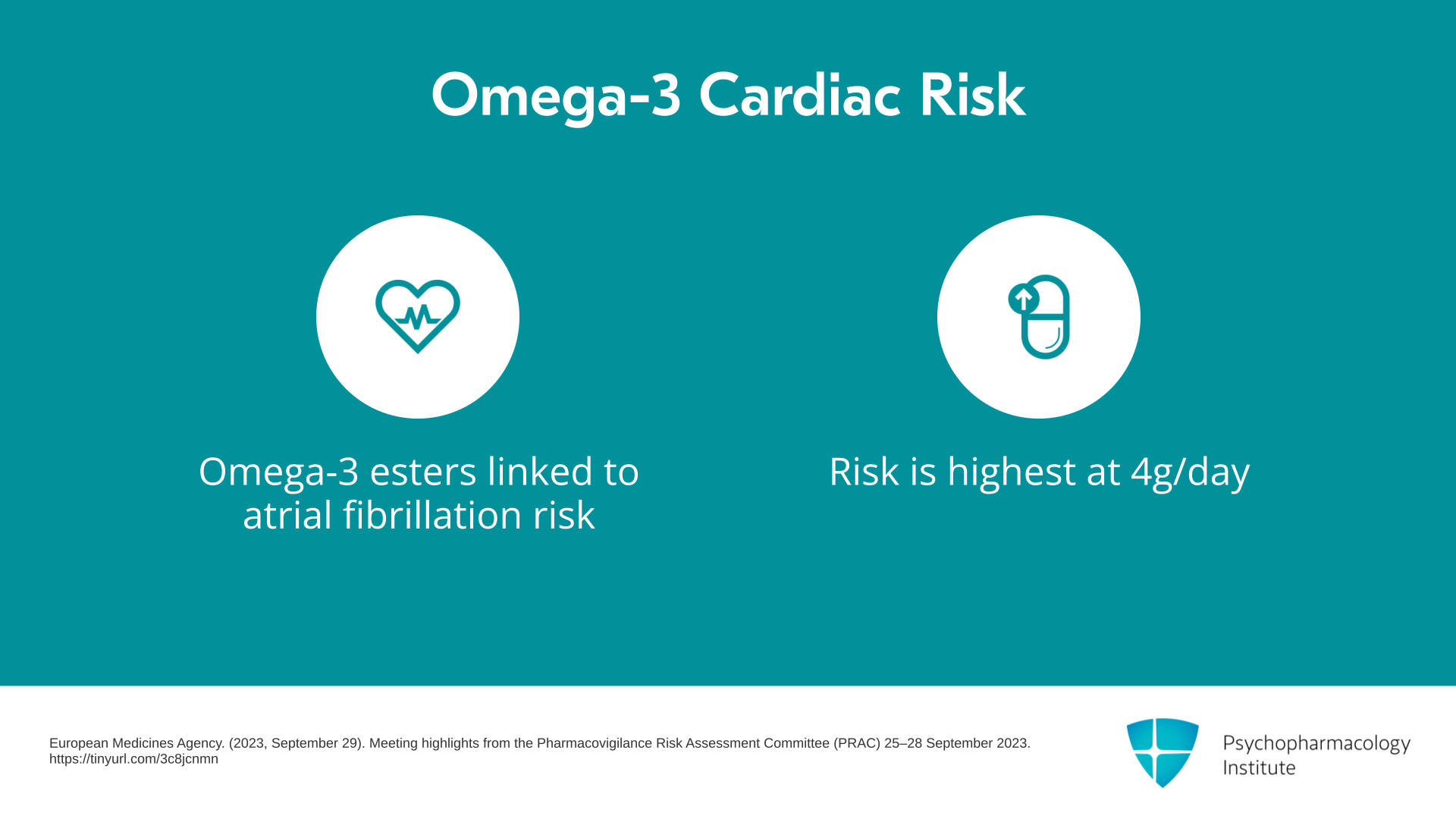
In 2023, the Pharmacovigilance Risk Assessment Committee of the European Medicines Agency stated that omega-3 acid ethyl esters used for hypertriglyceridemia are associated with a dose-dependent increased risk of atrial fibrillation in patients with established cardiovascular disease or cardiovascular risk factors compared to none. The highest risk occurs at 4 grams a day. Treatment should be permanently discontinued if atrial fibrillation develops.
References:
  • European Medicines Agency. (2023, September 29). Meeting highlights from the Pharmacovigilance Risk Assessment Committee (PRAC) 25–28 September 2023. https://tinyurl.com/3c8jcnmn

Slide 16 of 17

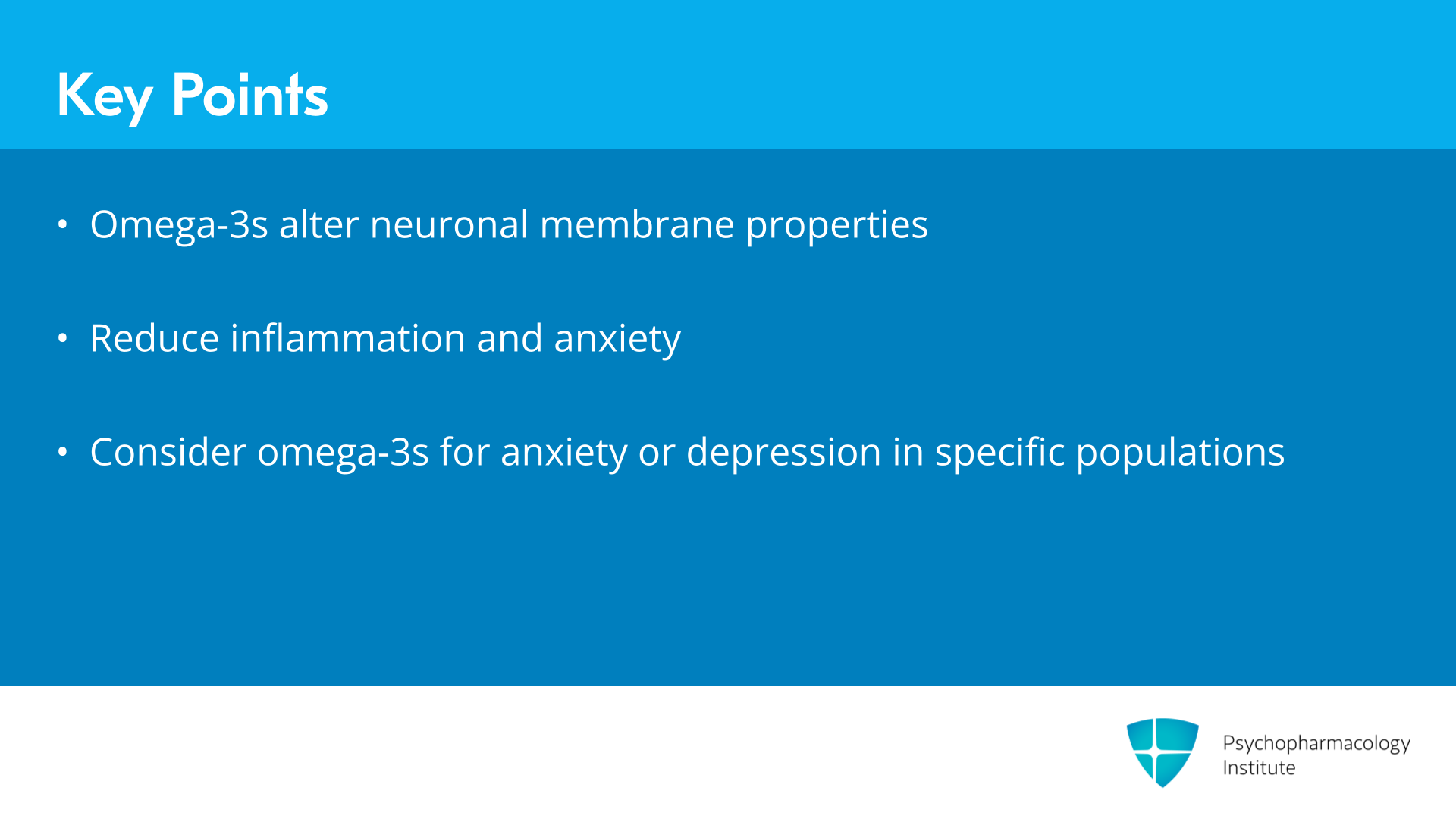
Key points on omega-3s. Omega-3 fatty acids incorporate into neuronal cell membranes, alter their physical properties including fluidity and thereby modulating neurotransmitter systems including serotonin and dopamine. Omega-3s offer anti-inflammatory effects and potential anxiolytic benefit. In clinical practice, consider omega-3s for patients with anxiety or depression who are overweight, have elevated triglyceride levels or high-sensitivity C-reactive protein greater than 3.
Free Files
Success!
Check your inbox, we sent you all the materials there.

Slide 17 of 17

The dosing protocol generally suggests starting at 1 gram a day of a high-quality formula with an EPA to DHA ratio of 3:2 and if no side effects occur within a week, may increase to 2 grams a day. While generally well tolerated, safety considerations include increased bleeding risk, atrial fibrillation and lowering blood pressure.

Learning Objectives:

  1. Evaluate the strength of evidence for nutraceuticals and phytoceuticals used in anxiety disorders, identifying which agents carry grade A support.
  2. Select appropriate dosing, titration, and monitoring strategies for evidence-supported agents such as lavender, ashwagandha, and omega-3 fatty acids.
  3. Identify clinically relevant safety concerns and drug or supplement interactions, including CYP450-mediated interactions and informed-consent considerations.

Original Release Date: July 08, 2026
Expiration Date: July 08, 2029

Faculty: Noshene E. Ranjbar, M.D., D.F.A.A.C.A.P., D.F.A.P.A.
Medical Editor: Tomás Abudarham, M.D.

Relevant Financial Disclosures:
None of the faculty, planners, and reviewers for this educational activity has relevant financial relationships to disclose during the last 24 months with ineligible companies whose primary business is producing, marketing, selling, re-selling, or distributing healthcare products used by or on patients.

Contact Information: For questions regarding the content or access to this activity, contact us at support@psychopharmacologyinstitute.com

Instructions for Participation and Credit:
Participants must complete the activity online within the valid credit period noted above.

Follow these steps to earn CME credit:

  1. View the required educational content provided on this course page.
  2. Complete the Post-Activity Evaluation to provide the necessary feedback for continuing accreditation purposes and for the development of future activities. NOTE: Completing the Post Activity Evaluation after the quiz is required to receive the earned credit.
  3. Download your certificate.

Accreditation Statement
This activity has been planned and implemented in accordance with the accreditation requirements and policies of the Accreditation Council for Continuing Medical Education through the joint providership of Medical Academy LLC and the Psychopharmacology Institute. Medical Academy is accredited by the ACCME to provide continuing medical education for physicians.

Credit Designation Statement
Medical Academy designates this enduring activity for a maximum of 1.25 AMA PRA Category 1 credit(s)™. Physicians should claim only the credit commensurate with the extent of their participation in the activity.

Artificial Intelligence (AI) Use Disclosure
Artificial intelligence (AI) tools may have been used in limited stages of developing this activity (e.g., drafting or language refinement). The specific tool, version, and date of use are documented internally.
AI does not determine clinical recommendations. All content is reviewed, verified, and approved by the listed faculty and medical editors, and reflects independent human clinical judgment consistent with ACCME Standards for Integrity and Independence in Accredited Continuing Education.


Free Files
Success!
Check your inbox, we sent you all the materials there.
Continue in the website
Instant access modal

Become a Bronze, Silver, Gold, Bronze extended, Silver extended or Gold extended Member.

2026–27 Psychopharmacology CME Program

Unlock up to 155 CME Credits, including 40 SA CME Credits.