



Slides and Transcript
Slide 1 of 18
In this section, we will go over clinical evidence, dosing strategies and safety considerations for two phytoceuticals – lavender and kava.
Slide 2 of 18
Lavender is one of the most beautiful phytoceuticals that we have access to. The cultural and land-based origins of lavender go back to drier, warmer regions of the Mediterranean, parts of Southern Europe, Africa, Middle East, and South Asia.
References:
- Sayed, A. M., Abdin, S., Akram, M., & Alrubaiy, L. (2020). The best route of administration of lavender for anxiety: A systematic review and network meta-analysis. *General Hospital Psychiatry*, *64*, 33–40. https://doi.org/10.1016/j.genhosppsych.2020.02.001
Free Files
Download PDF and other files
Success!
Check your inbox, we sent you all the materials there.
Slide 3 of 18
Lavender aromatherapy, as opposed to internal digestion, ingestion or administration that we will be talking about here, has anxiolytic effects especially in the short term.
References:
- Sayed, A. M., Abdin, S., Akram, M., & Alrubaiy, L. (2020). The best route of administration of lavender for anxiety: A systematic review and network meta-analysis. *General Hospital Psychiatry*, *64*, 33–40. https://doi.org/10.1016/j.genhosppsych.2020.02.001
- Karaman, T., Karaman, S., Dogru, S., Tapar, H., Sahin, A., Suren, M., Arici, S., & Kaya, Z. (2016). Evaluating the efficacy of lavender aromatherapy on peripheral venous cannulation pain and anxiety: A prospective, randomized study. Complementary Therapies in Clinical Practice, 23, 64–68. https://doi.org/10.1016/j.ctcp.2016.03.008
Slide 4 of 18
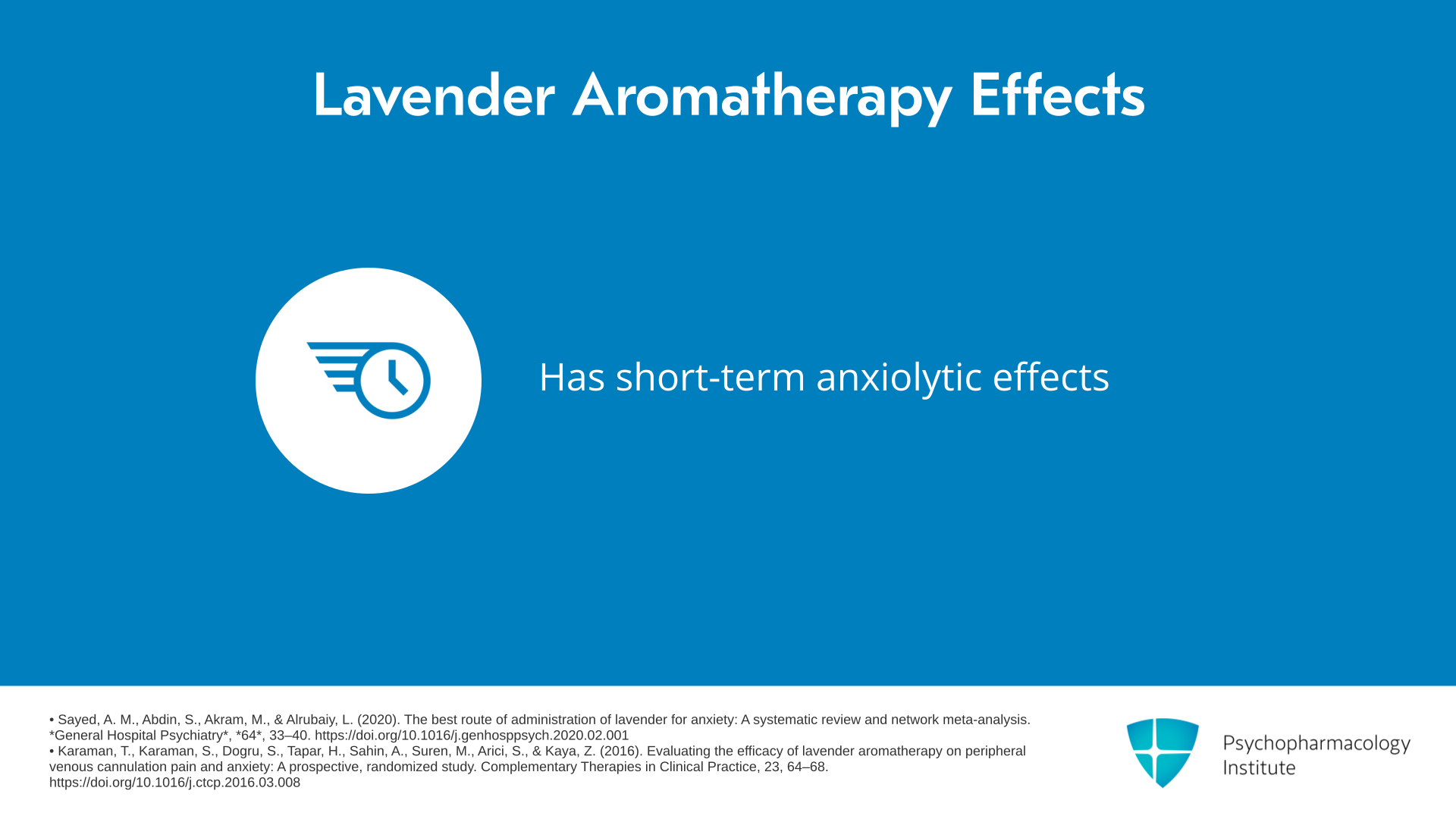
Lavender research shows in 2019 a systematic review and meta-analysis that included 65 randomized clinical trials of more than 7000 subjects as well as 25 non-randomized studies of another 1200 subjects showed that lavender oil ingestion significantly reduces both state and trait anxiety. Specifically, an oral extract of lavender called Silexan, at about 80 mg daily for six weeks, was shown to be reliably and significantly effective for anxiety, well tolerated and safe.
References:
- Donelli, D., Antonelli, M., Bellinazzi, C., Gensini, G. F., & Firenzuoli, F. (2019). Effects of lavender on anxiety: A systematic review and meta-analysis. *Phytomedicine*, *65*, 153099. https://doi.org/10.1016/j.phymed.2019.153099
Free Files
Download PDF and other files
Success!
Check your inbox, we sent you all the materials there.
Slide 5 of 18
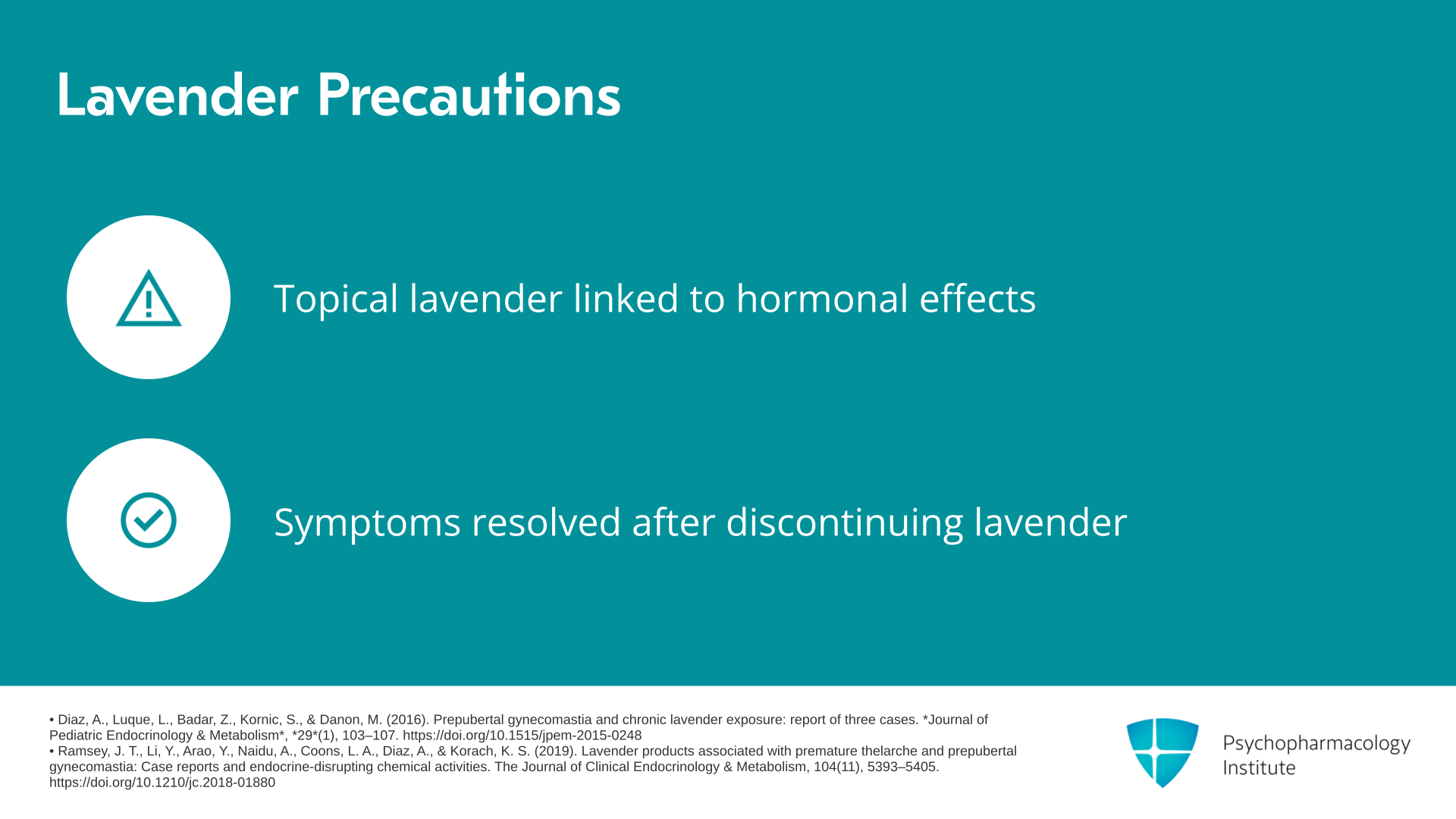
There are precautions to consider for the use of lavender for anxiety. There are several case reports which describe prepubertal gynecomastia in boys in association with topical lavender use. Another case report series published in 2019 found three prepubertal girls with premature thelarche and one boy with gynecomastia from continuous topical exposure to lavender essential oils and lavender fragrance products over several months to years. In all these cases, breast development resolved after discontinuing the use of the topical exposure and/or fragrance product without any recurrence of the problem.
References:
- Diaz, A., Luque, L., Badar, Z., Kornic, S., & Danon, M. (2016). Prepubertal gynecomastia and chronic lavender exposure: report of three cases. *Journal of Pediatric Endocrinology & Metabolism*, *29*(1), 103–107. https://doi.org/10.1515/jpem-2015-0248
- Ramsey, J. T., Li, Y., Arao, Y., Naidu, A., Coons, L. A., Diaz, A., & Korach, K. S. (2019). Lavender products associated with premature thelarche and prepubertal gynecomastia: Case reports and endocrine-disrupting chemical activities. The Journal of Clinical Endocrinology & Metabolism, 104(11), 5393–5405. https://doi.org/10.1210/jc.2018-01880
Slide 6 of 18
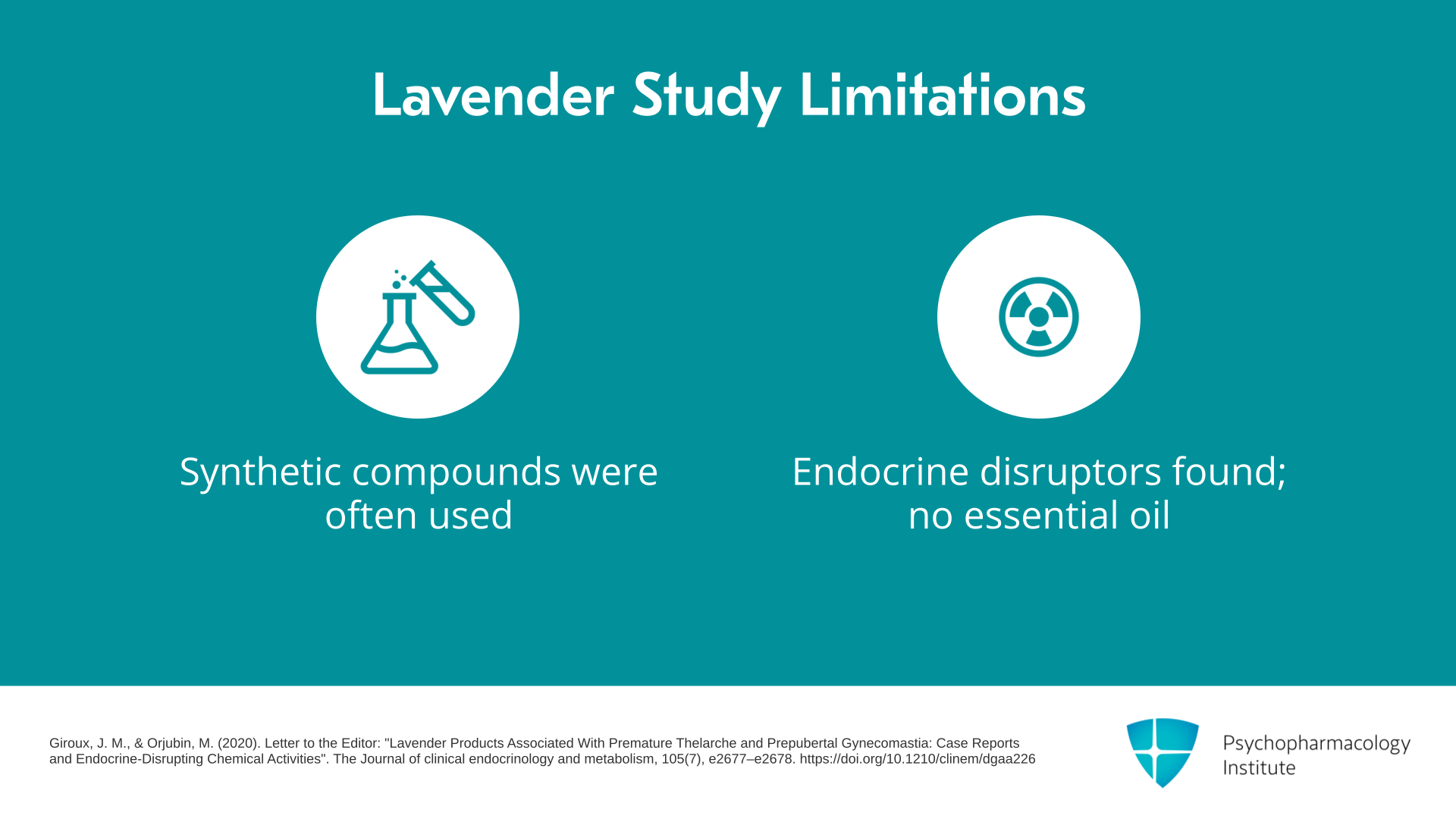
Lavender was not well characterized in these reports. Several of these reports used lavender fragrance, synthetic compounds and/or undefined lavender extracts, which were chemically analyzed and found to have synthetic endocrine-disrupting chemicals while lacking lavender essential oil.
References:
- Giroux, J. M., & Orjubin, M. (2020). Letter to the Editor: "Lavender Products Associated With Premature Thelarche and Prepubertal Gynecomastia: Case Reports and Endocrine-Disrupting Chemical Activities". The Journal of clinical endocrinology and metabolism, 105(7), e2677–e2678. https://doi.org/10.1210/clinem/dgaa226
Free Files
Download PDF and other files
Success!
Check your inbox, we sent you all the materials there.
Slide 7 of 18
In a systematic review which included the publication from 2019 by Ramsey which I mentioned above, it was concluded that there is little to no evidence that lavender acts as an endocrine disruptor in children or that it has significant estrogenic effects.
References:
- Ramsey, J. T., Li, Y., Arao, Y., Naidu, A., Coons, L. A., Diaz, A., & Korach, K. S. (2019). Lavender products associated with premature thelarche and prepubertal gynecomastia: Case reports and endocrine-disrupting chemical activities. The Journal of Clinical Endocrinology & Metabolism, 104(11), 5393–5405. https://doi.org/10.1210/jc.2018-01880
- Hawkins, J., Hires, C., Dunne, E., & Baker, C. (2020). The relationship between lavender and tea tree essential oils and pediatric endocrine disorders: A systematic review of the literature. Complementary Therapies in Medicine, 49, 102288. https://doi.org/10.1016/j.ctim.2019.102288
Slide 8 of 18
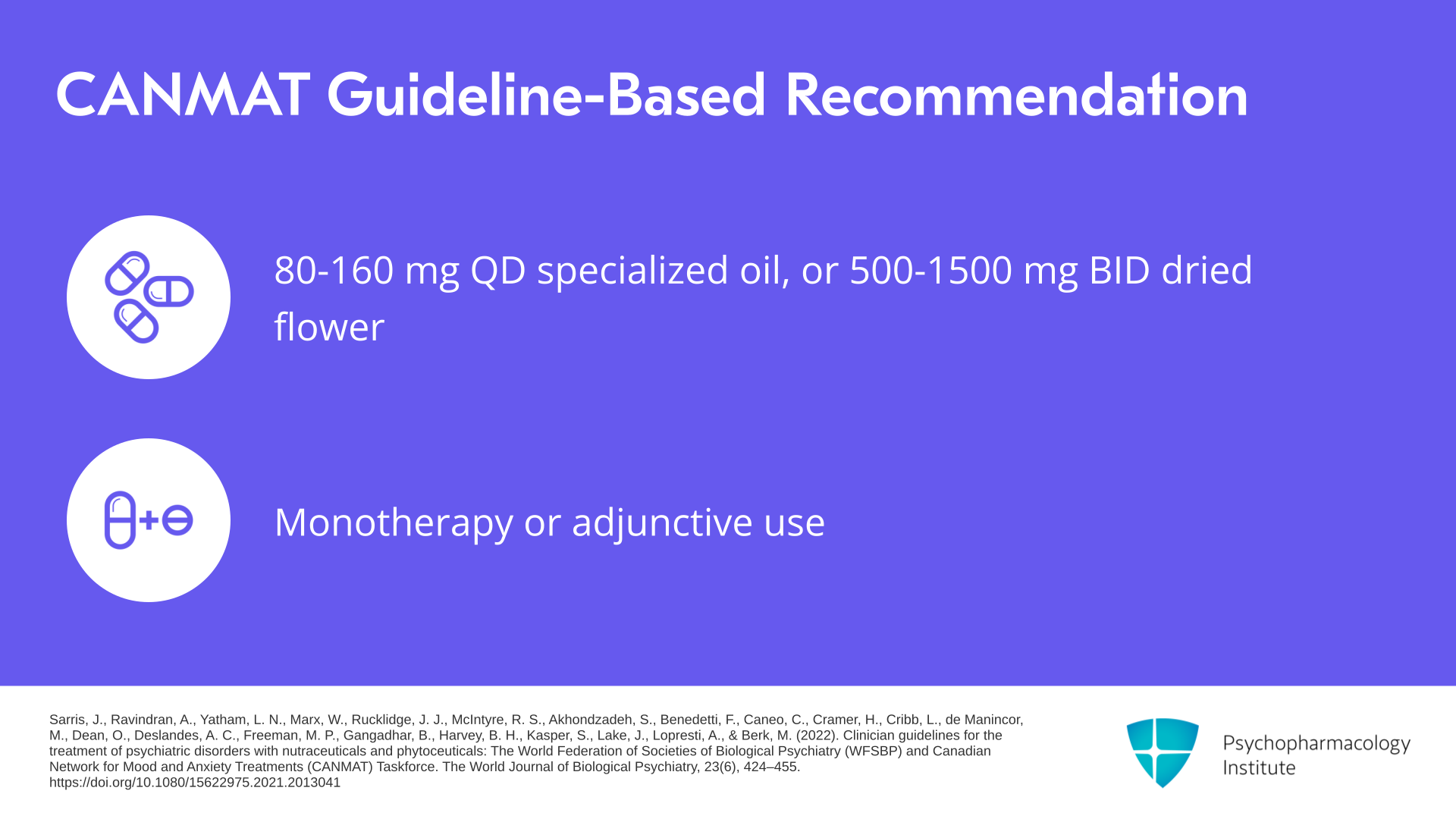
So in summary for lavender, based on clinician guidelines for the treatment of psychiatric disorders with nutraceuticals and phytoceuticals, also called the CANMAT Taskforce 2022, lavender oil at doses of 80 to 160 mg daily of the specialized oil in capsule form or 500 to 1500 mg dried flower preferably in a standardized formulation twice a day is provisionally recommended for monotherapy or adjunctive use in generalized anxiety disorders. The evidence grade is A for this use of lavender for anxiety with three statistically significant RCTs and an n of 813.
References:
- Sarris, J., Ravindran, A., Yatham, L. N., Marx, W., Rucklidge, J. J., McIntyre, R. S., Akhondzadeh, S., Benedetti, F., Caneo, C., Cramer, H., Cribb, L., de Manincor, M., Dean, O., Deslandes, A. C., Freeman, M. P., Gangadhar, B., Harvey, B. H., Kasper, S., Lake, J., Lopresti, A., & Berk, M. (2022). Clinician guidelines for the treatment of psychiatric disorders with nutraceuticals and phytoceuticals: The World Federation of Societies of Biological Psychiatry (WFSBP) and Canadian Network for Mood and Anxiety Treatments (CANMAT) Taskforce. The World Journal of Biological Psychiatry, 23(6), 424–455. https://doi.org/10.1080/15622975.2021.2013041
Free Files
Download PDF and other files
Success!
Check your inbox, we sent you all the materials there.
Slide 9 of 18
The next phytoceutical that we will be discussing is kava kava, the plant with beautiful, large green leaves. The cultural and land-based origins of kava kava come ceremoniously used in South Pacific Islands to create relaxation and support community ties. It has a very long history of being used in those settings.
References:
- Sarris, J., Stough, C., Teschke, R., Wahid, Z. T., Bousman, C. A., Murray, G., & Schweitzer, I. (2013). Kava for the treatment of generalized anxiety disorder RCT: Analysis of adverse reactions, liver function, addiction, and sexual effects. Phytotherapy Research, 27(11), 1723–1728. https://doi.org/10.1002/ptr.4916
Slide 10 of 18
The main active constituents of kava are what are called lipophilic kavalactones found primarily in the root and readily crossing the blood-brain barrier.
References:
- Sarris, J., Stough, C., Teschke, R., Wahid, Z. T., Bousman, C. A., Murray, G., & Schweitzer, I. (2013). Kava for the treatment of generalized anxiety disorder RCT: Analysis of adverse reactions, liver function, addiction, and sexual effects. Phytotherapy Research, 27(11), 1723–1728. https://doi.org/10.1002/ptr.4916
Free Files
Download PDF and other files
Success!
Check your inbox, we sent you all the materials there.
Slide 11 of 18
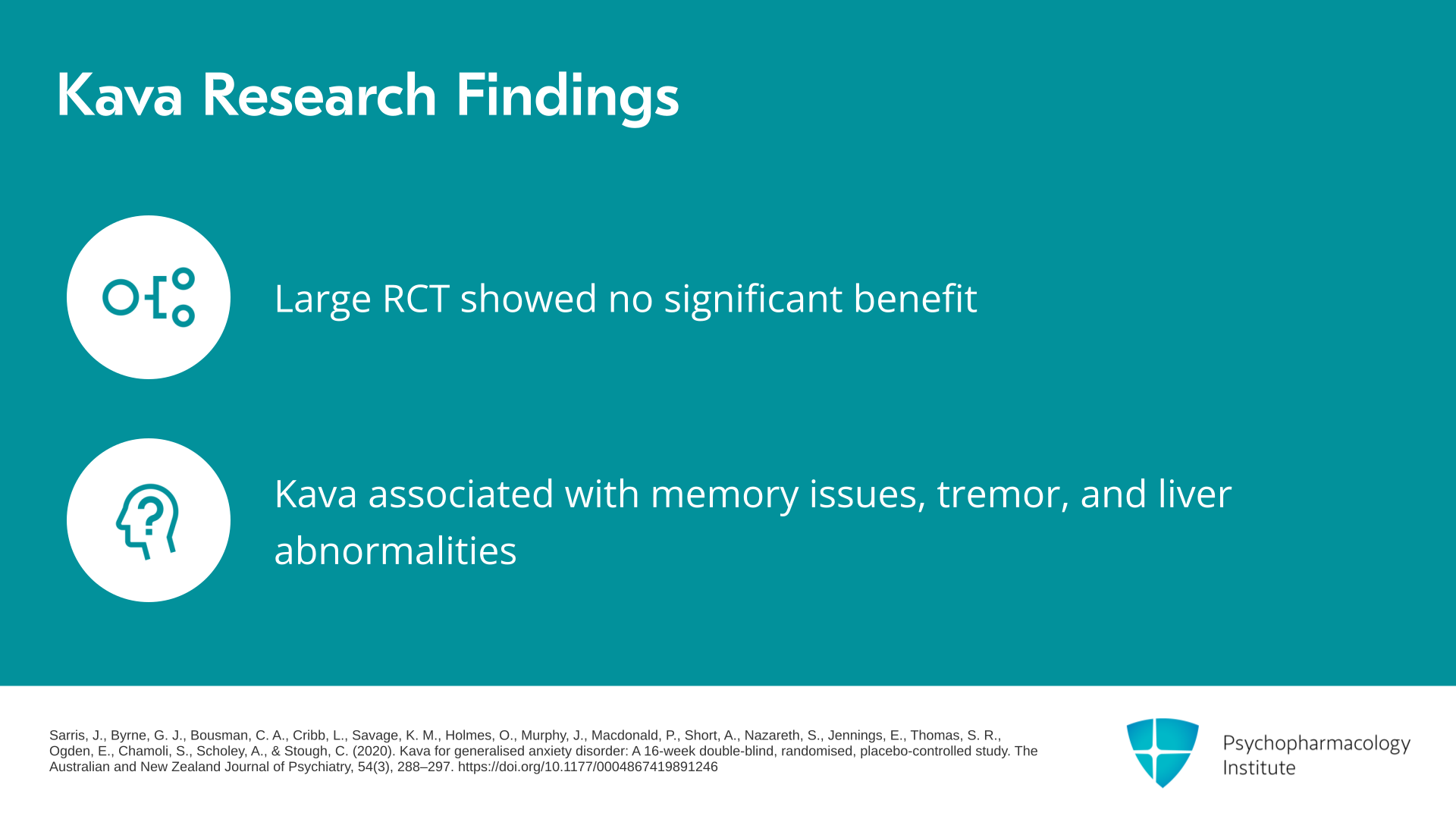
More than 50 published human clinical trials exploring the use of kava for anxiolytic support have been found. The previous research on kava shows that some studies show significant improvement in short-term management of anxiety. Longer 16-week, multisite, double-blind, randomized, placebo-controlled trial in 171 participants who had generalized anxiety disorder, showed that kava extract with standardization to 120 mg of kavalactones twice a day did not significantly reduce anxiety versus placebo, with remission rates of 17.4% in the kava group and 23.8% in the placebo group with p equals 0.46, by Sarris in 2020. The kava group actually experienced more frequently memory problems, tremor and shakiness, and liver function test abnormalities though no cases met criteria for herb-induced liver injury.
References:
- Sarris, J., Byrne, G. J., Bousman, C. A., Cribb, L., Savage, K. M., Holmes, O., Murphy, J., Macdonald, P., Short, A., Nazareth, S., Jennings, E., Thomas, S. R., Ogden, E., Chamoli, S., Scholey, A., & Stough, C. (2020). Kava for generalised anxiety disorder: A 16-week double-blind, randomised, placebo-controlled study. The Australian and New Zealand Journal of Psychiatry, 54(3), 288–297. https://doi.org/10.1177/0004867419891246
Slide 12 of 18
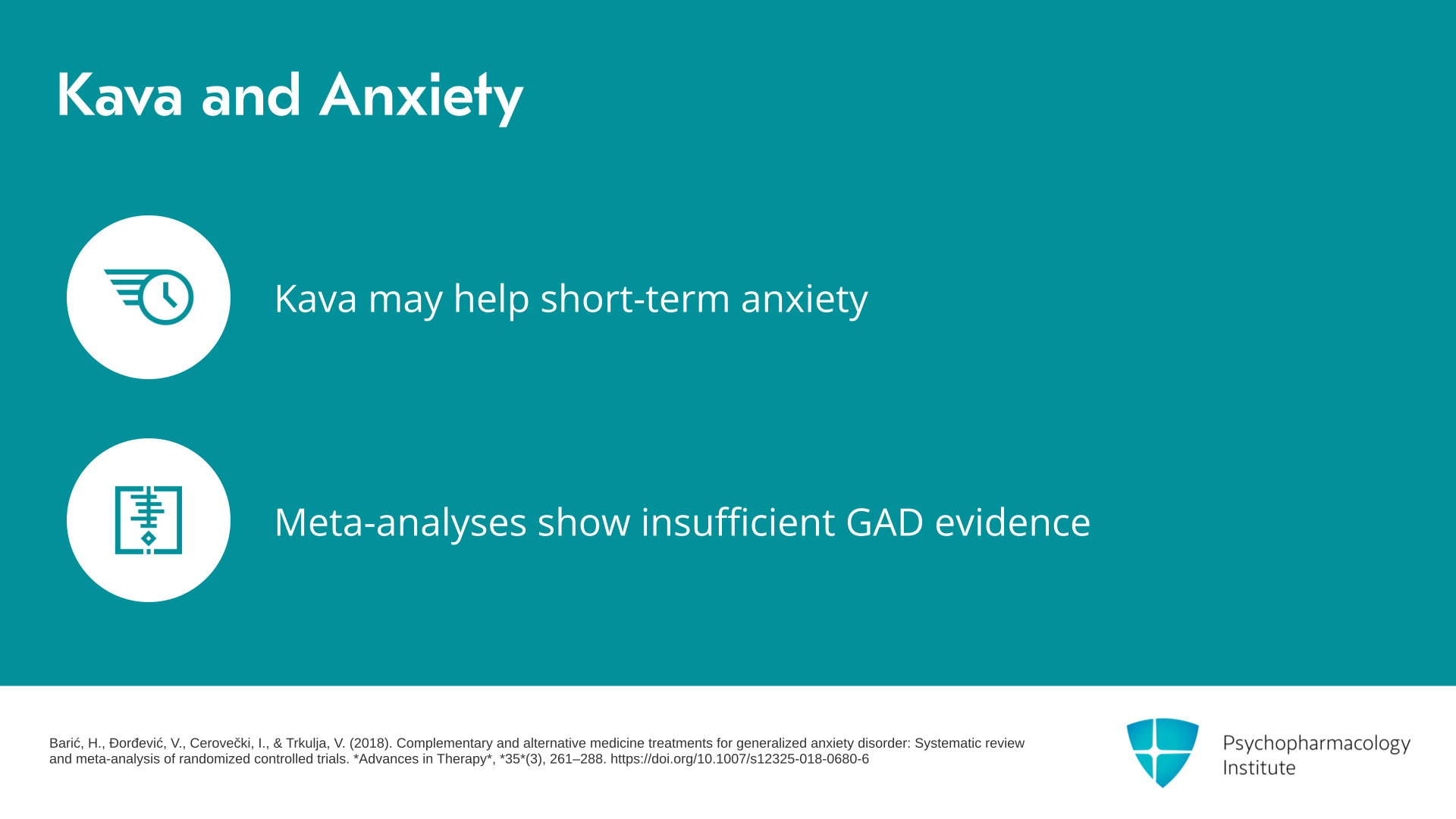
The suggestion is that kava may be more effective for short-term, situational or subsyndromal anxiety as supported by these earlier studies but not for chronic DSM-defined generalized anxiety disorder. A large, multicenter, randomized clinical trial showed non-superiority to placebo in generalized anxiety disorder. Recent meta-analyses have shown that there is insufficient evidence for efficacy in treating GAD.
References:
- Barić, H., Đorđević, V., Cerovečki, I., & Trkulja, V. (2018). Complementary and alternative medicine treatments for generalized anxiety disorder: Systematic review and meta-analysis of randomized controlled trials. *Advances in Therapy*, *35*(3), 261–288. https://doi.org/10.1007/s12325-018-0680-6
Free Files
Download PDF and other files
Success!
Check your inbox, we sent you all the materials there.
Slide 13 of 18
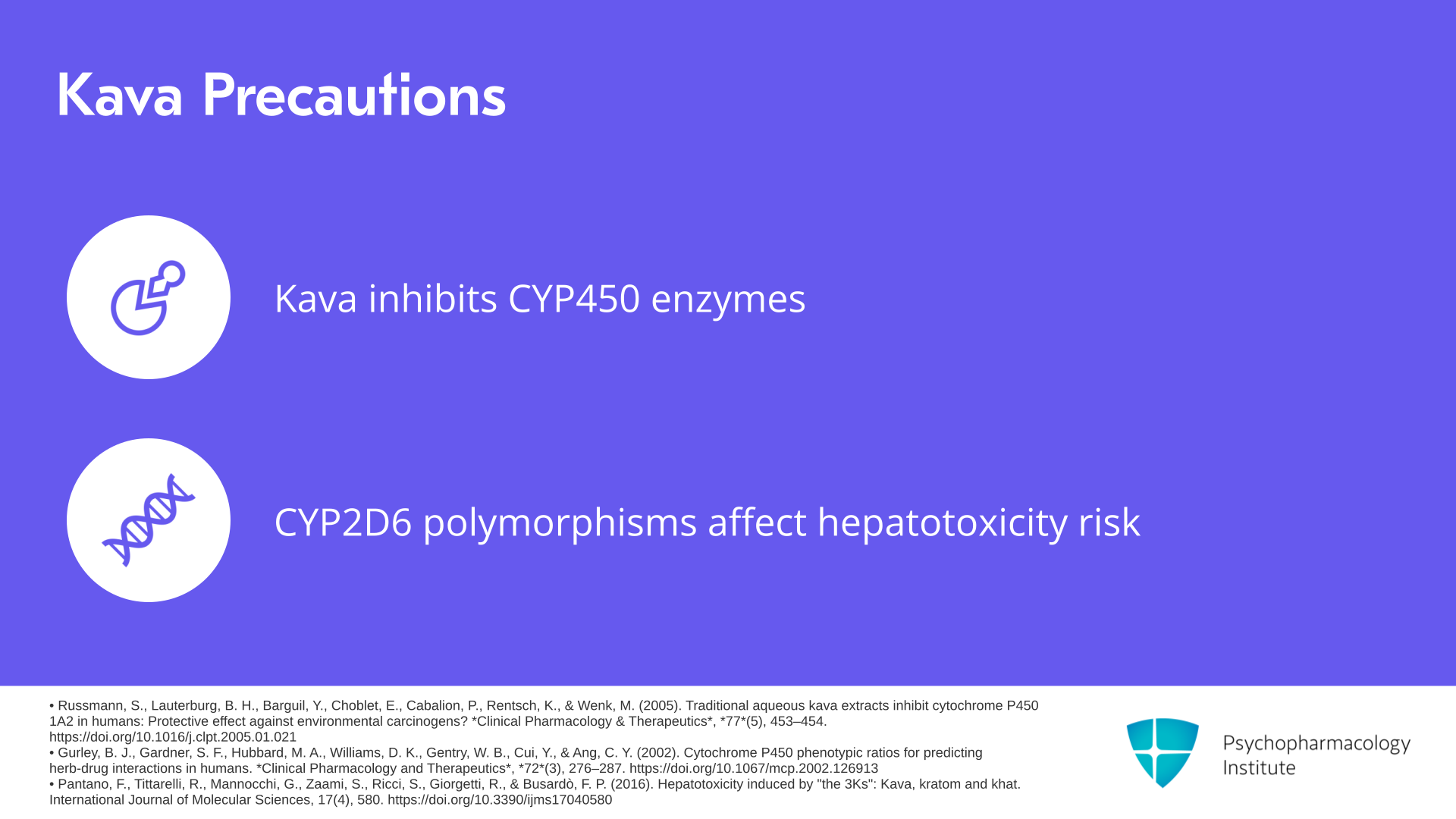
Some precautions to consider for kava include that kava extract can inhibit CYP450 enzymes, notably CYP1A2, 2C9, 2C19, 2D6, 3A4 and 4A9/11, thereby affecting concurrent use of medications and ethanol metabolized by these isoenzymes. All of this research finds that kava carries some potential and pharmacokinetic drug interactions with other medications, substances and/or other nutraceuticals that are also metabolized by the CYP450 enzymes. Polymorphisms of CYP2D6 resulting in slowed metabolism may explain the higher incidence of hepatotoxicity among Caucasians compared to Pacific Islanders. Prevalence of this polymorphism is about 12% to 20% in Caucasians versus 1% in Pacific Islanders. Other reversible toxicities associated with higher and chronic consumption of kava include dermopathy, nausea and headaches.
References:
- Russmann, S., Lauterburg, B. H., Barguil, Y., Choblet, E., Cabalion, P., Rentsch, K., & Wenk, M. (2005). Traditional aqueous kava extracts inhibit cytochrome P450 1A2 in humans: Protective effect against environmental carcinogens? *Clinical Pharmacology & Therapeutics*, *77*(5), 453–454. https://doi.org/10.1016/j.clpt.2005.01.021
- Gurley, B. J., Gardner, S. F., Hubbard, M. A., Williams, D. K., Gentry, W. B., Cui, Y., & Ang, C. Y. (2002). Cytochrome P450 phenotypic ratios for predicting herb-drug interactions in humans. *Clinical Pharmacology and Therapeutics*, *72*(3), 276–287. https://doi.org/10.1067/mcp.2002.126913
- Pantano, F., Tittarelli, R., Mannocchi, G., Zaami, S., Ricci, S., Giorgetti, R., & Busardò, F. P. (2016). Hepatotoxicity induced by "the 3Ks": Kava, kratom and khat. International Journal of Molecular Sciences, 17(4), 580. https://doi.org/10.3390/ijms17040580
Slide 14 of 18
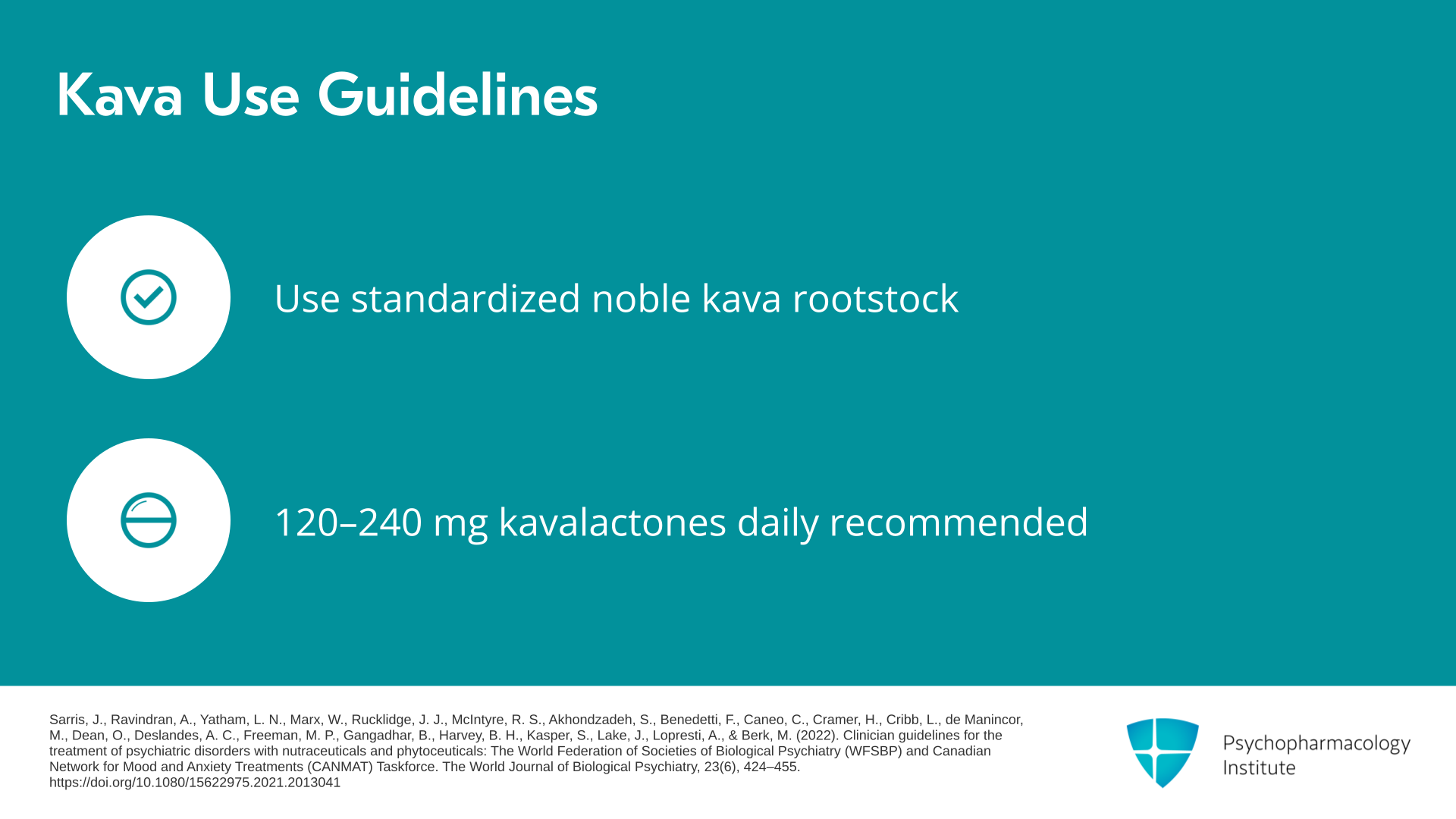
It’s important to recommend use of noble varieties of the rootstock of the plant kava, standardized to a sufficient level of kavalactones. The guideline does not state what is consisted a sufficient level. The most common regimen used in recent high-quality trials is 120 mg of kavalactones daily or twice a day with a total of 120 to 240 mg per day delivered as a standardized aqueous extract of noble kava rootstock.
References:
- Sarris, J., Ravindran, A., Yatham, L. N., Marx, W., Rucklidge, J. J., McIntyre, R. S., Akhondzadeh, S., Benedetti, F., Caneo, C., Cramer, H., Cribb, L., de Manincor, M., Dean, O., Deslandes, A. C., Freeman, M. P., Gangadhar, B., Harvey, B. H., Kasper, S., Lake, J., Lopresti, A., & Berk, M. (2022). Clinician guidelines for the treatment of psychiatric disorders with nutraceuticals and phytoceuticals: The World Federation of Societies of Biological Psychiatry (WFSBP) and Canadian Network for Mood and Anxiety Treatments (CANMAT) Taskforce. The World Journal of Biological Psychiatry, 23(6), 424–455. https://doi.org/10.1080/15622975.2021.2013041
Free Files
Download PDF and other files
Success!
Check your inbox, we sent you all the materials there.
Slide 15 of 18
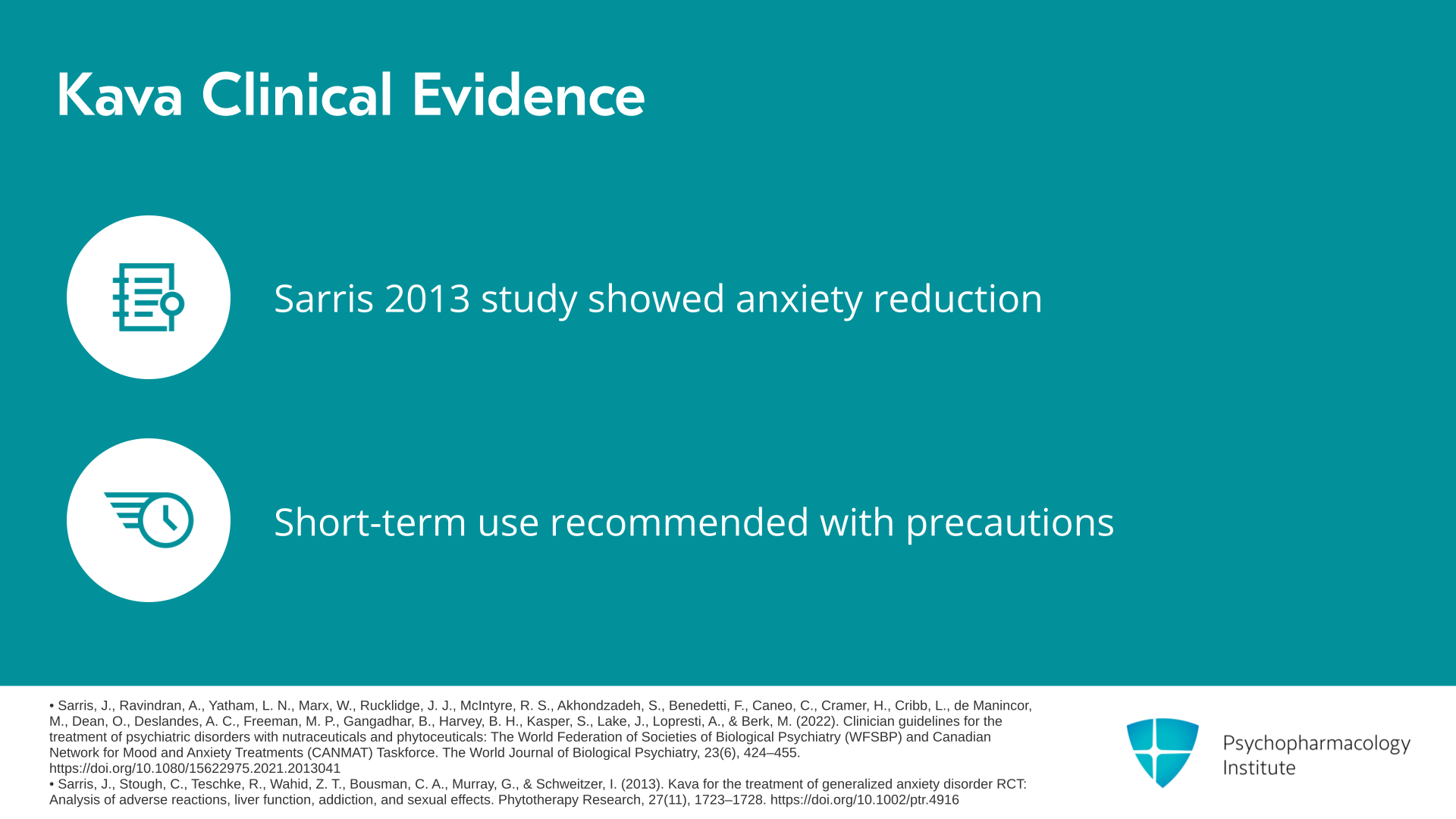
For example, in the Sarris study in 2013, it demonstrated significant reduction in anxiety symptoms with 120 to 240 mg a day of kavalactones over six weeks with a moderate effect size and no significant liver function abnormalities compared to placebo. Current guidelines recommend short-term use of aqueous extract with persons with no known liver disease, no ethanol abuse or use and not taking other hepatotoxic medications such as acetaminophen.
References:
- Sarris, J., Ravindran, A., Yatham, L. N., Marx, W., Rucklidge, J. J., McIntyre, R. S., Akhondzadeh, S., Benedetti, F., Caneo, C., Cramer, H., Cribb, L., de Manincor, M., Dean, O., Deslandes, A. C., Freeman, M. P., Gangadhar, B., Harvey, B. H., Kasper, S., Lake, J., Lopresti, A., & Berk, M. (2022). Clinician guidelines for the treatment of psychiatric disorders with nutraceuticals and phytoceuticals: The World Federation of Societies of Biological Psychiatry (WFSBP) and Canadian Network for Mood and Anxiety Treatments (CANMAT) Taskforce. The World Journal of Biological Psychiatry, 23(6), 424–455. https://doi.org/10.1080/15622975.2021.2013041
- Sarris, J., Stough, C., Teschke, R., Wahid, Z. T., Bousman, C. A., Murray, G., & Schweitzer, I. (2013). Kava for the treatment of generalized anxiety disorder RCT: Analysis of adverse reactions, liver function, addiction, and sexual effects. Phytotherapy Research, 27(11), 1723–1728. https://doi.org/10.1002/ptr.4916
Slide 16 of 18
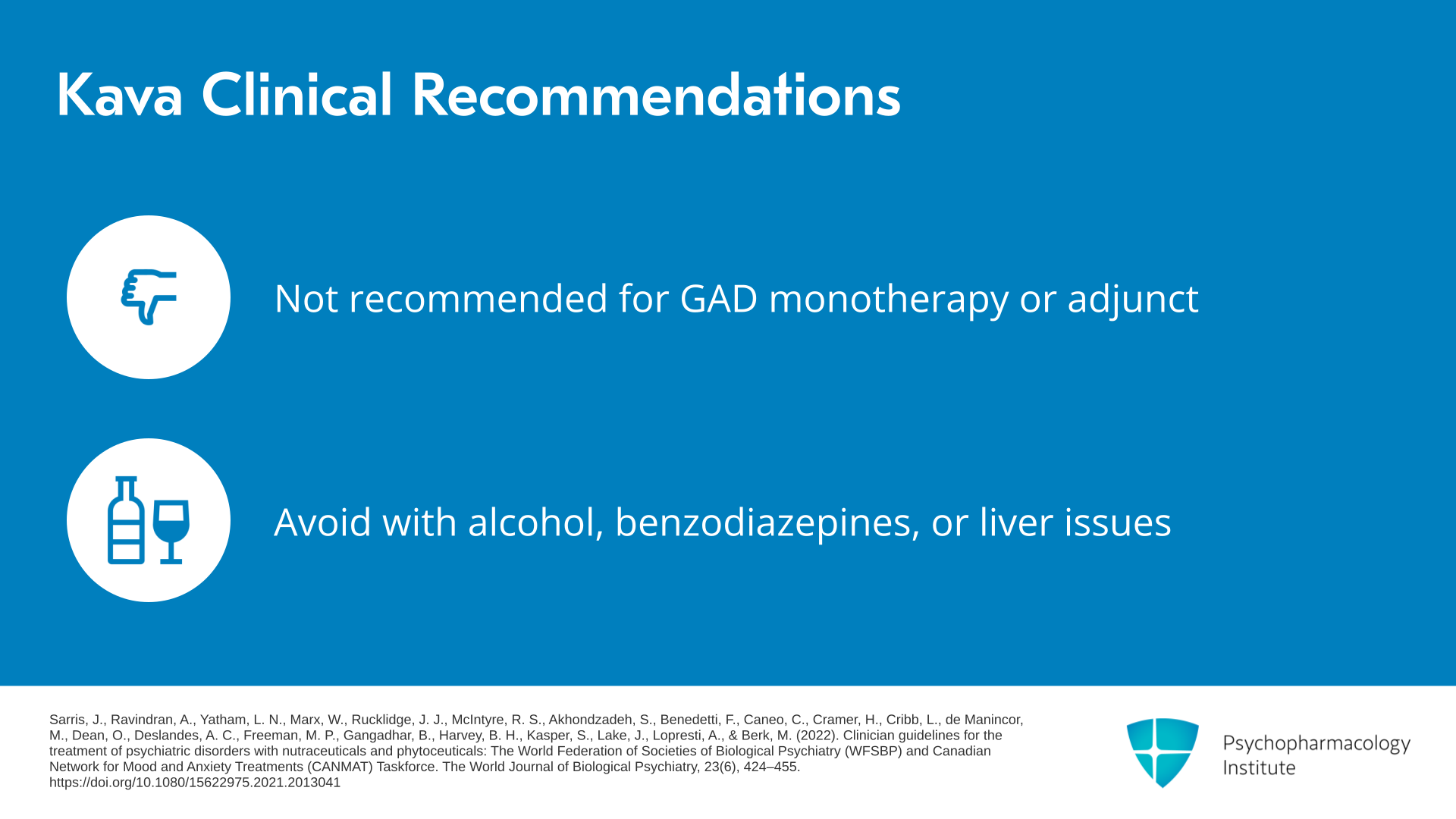
The World Federation of Societies of Biological Psychiatry and the CANMAT Taskforce in 2022 summarized the data for use as follows. Kava is not recommended for adjunctive or monotherapy use for generalized anxiety disorder. Potential use for acute or short-term management of anxiety symptoms is supported by robust evidence. Caution for use in people with liver injuries or issues is important and avoidance with the use of alcohol and benzodiazepines. Fair safety data although further data would be beneficial in determining causations of the very rare liver issues that were noted 15 to 20 years ago potentially due to poor quality kava.
References:
- Sarris, J., Ravindran, A., Yatham, L. N., Marx, W., Rucklidge, J. J., McIntyre, R. S., Akhondzadeh, S., Benedetti, F., Caneo, C., Cramer, H., Cribb, L., de Manincor, M., Dean, O., Deslandes, A. C., Freeman, M. P., Gangadhar, B., Harvey, B. H., Kasper, S., Lake, J., Lopresti, A., & Berk, M. (2022). Clinician guidelines for the treatment of psychiatric disorders with nutraceuticals and phytoceuticals: The World Federation of Societies of Biological Psychiatry (WFSBP) and Canadian Network for Mood and Anxiety Treatments (CANMAT) Taskforce. The World Journal of Biological Psychiatry, 23(6), 424–455. https://doi.org/10.1080/15622975.2021.2013041
Free Files
Download PDF and other files
Success!
Check your inbox, we sent you all the materials there.
Slide 17 of 18
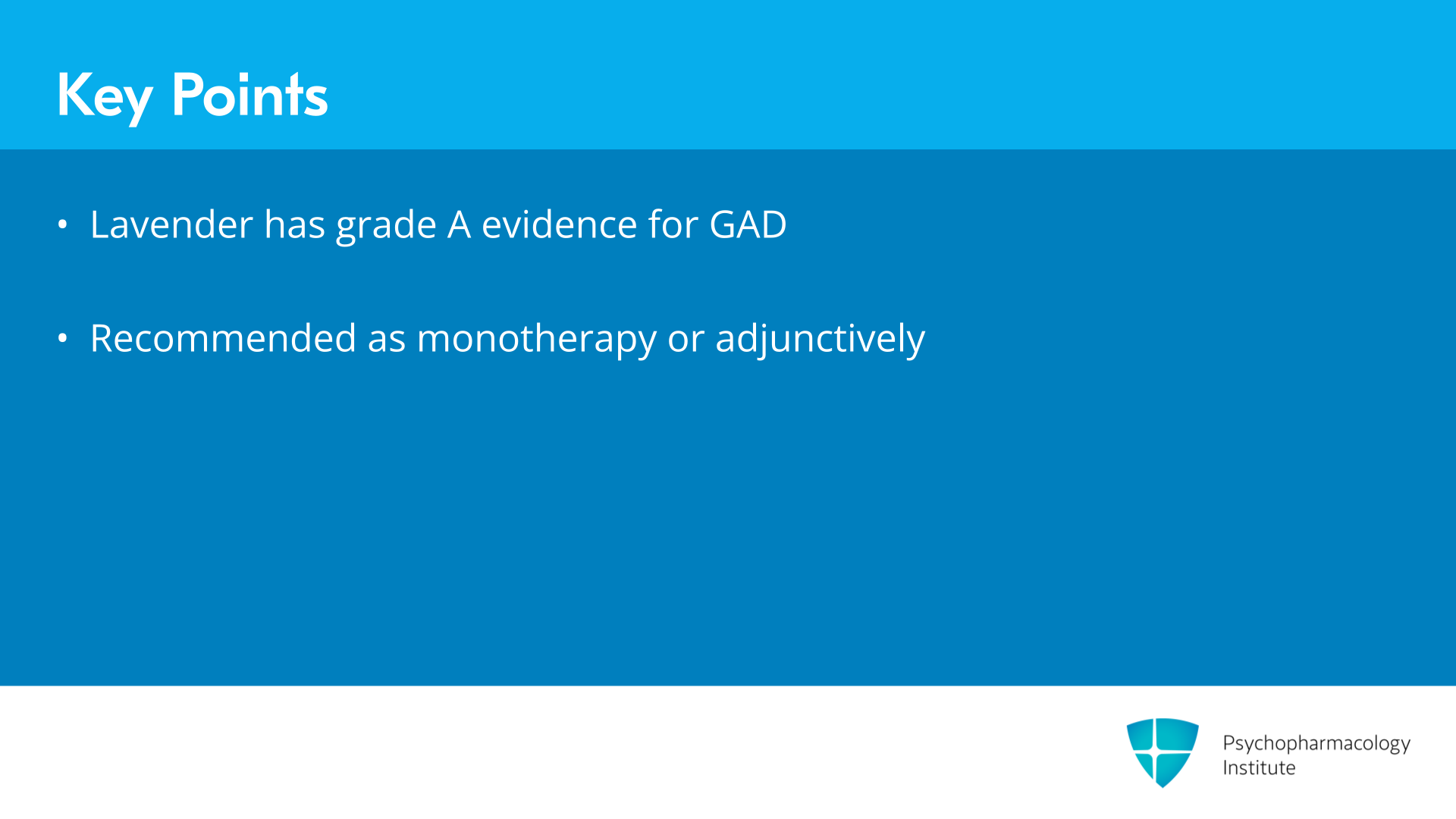
Here are some key points on the use of kava and lavender. For lavender, it has grade A evidence supporting its use in generalized anxiety disorders. Lavender at doses of 80 to 160 mg daily of specialized oil in the capsule form or 500 to 1500 mg dried flower preferably in a standardized formulation twice a day is provisionally recommended for monotherapy or adjunctive use in generalized anxiety disorders.
Slide 18 of 18
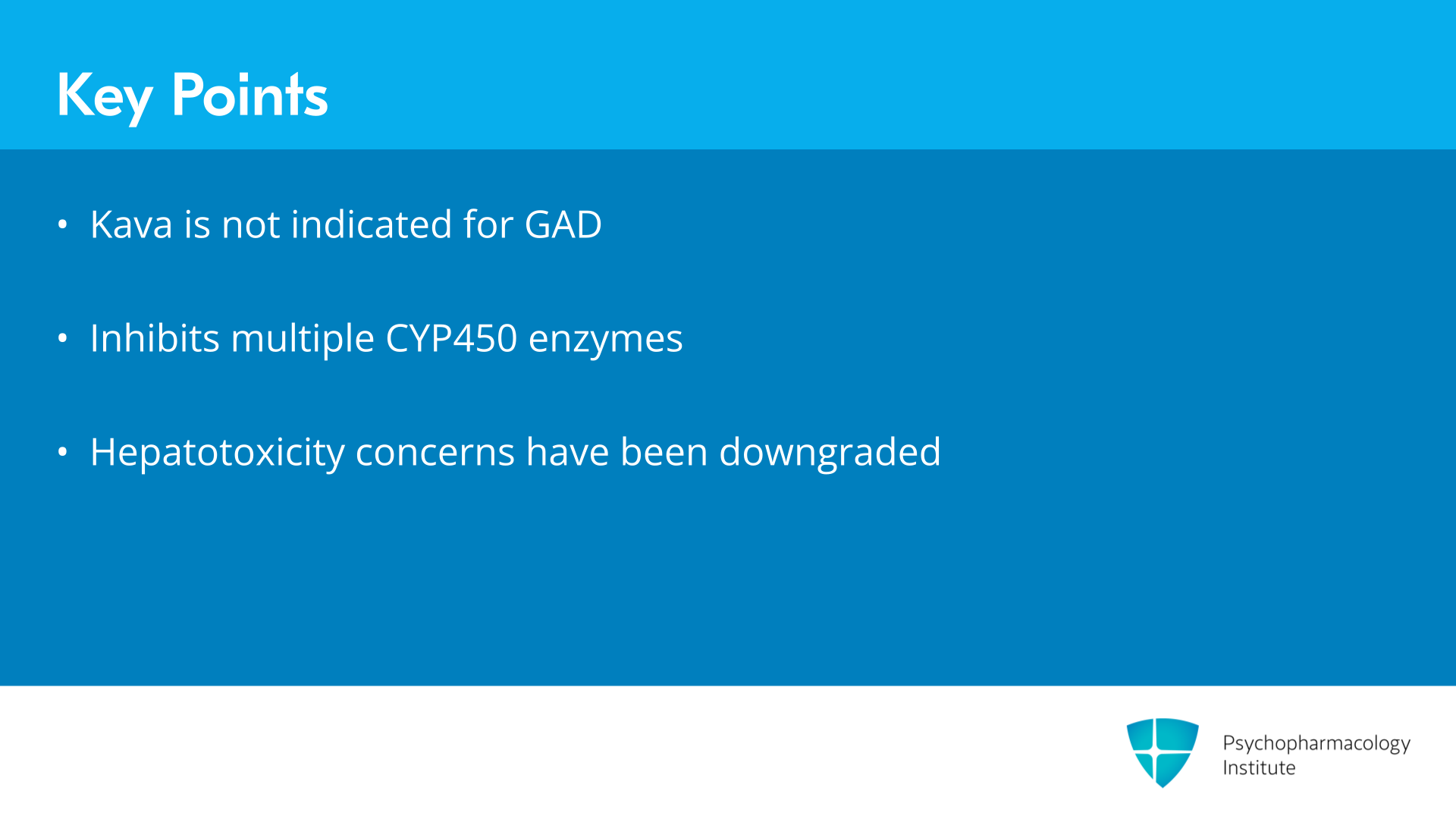
Kava is not recommended for generalized anxiety disorder but may have a role in short-term situational anxiety symptom relief. Kava inhibits multiple CYP450 enzymes creating significant drug interaction potential. Historical hepatotoxicity concerns largely attributed to poor quality extracts, wrong plant parts and overdosing have been downgraded but not eliminated.
Free Files
Download PDF and other files
Success!
Check your inbox, we sent you all the materials there.
