
In a nutshell
Trazodone is FDA-approved for major depressive disorder but predominantly prescribed off-label for insomnia. At low doses (25–100 mg), it produces sedation. Higher doses (150–600 mg) are needed for antidepressant efficacy but increase orthostatic hypotension and sedation, limiting tolerability. Its low abuse potential makes it a reasonable hypnotic in patients with substance use disorders.

- When to consider trazodone:
- Insomnia, particularly when added to an SSRI/SNRI for persistent or treatment-emergent sleep disturbance
- Insomnia in patients with substance use disorders, where benzodiazepines and Z-drugs carry misuse risk
- Need for an inexpensive, generic hypnotic with a favorable safety profile for short-term use
- Consider alternatives when:
- Male patients have risk factors for priapism (sickle cell disease, anatomical penile abnormalities)
- Cardiac disease, QT prolongation, or concomitant QT-prolonging medications
- High fall risk in elderly patients (consider orthostatic hypotension and sedation)
- Seeking first-line, evidence-based insomnia treatment (CBT-I is preferred; AASM recommends against trazodone)
- Antidepressant monotherapy is needed (limited use as a primary antidepressant; SSRIs/SNRIs preferred)
- Concurrent use of strong CYP3A4 inhibitors (risk of increased trazodone levels and toxicity)
Pharmacodynamics and mechanism of action
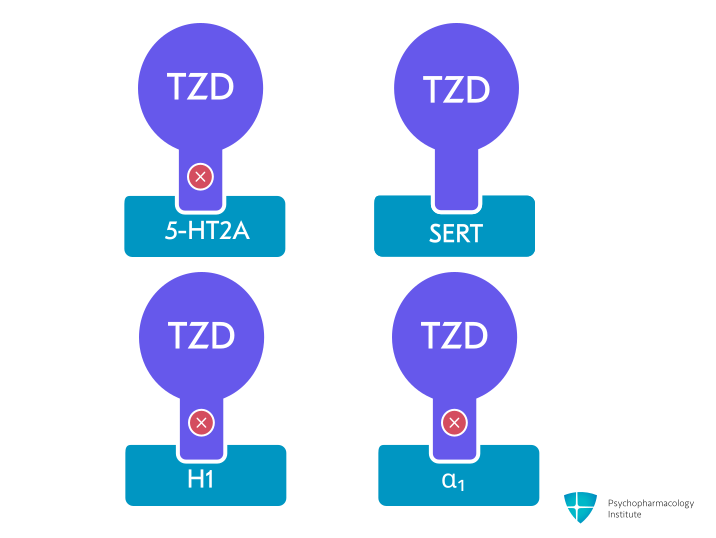
- Trazodone is a phenylpiperazine compound classified as a serotonin antagonist and reuptake inhibitor (SARI) [1, 2]
- Trazodone’s mechanism of action involves a potent 5-HT2 receptor antagonism and weaker serotonin reuptake inhibition
- It also blocks the histamine (H1) and α-1-adrenergic receptors
- Trazodone also antagonizes several other monoaminergic receptors including 5-HT2B, 5-HT2C, and it is a partial agonist at 5-HT1A receptor [1]
- Trazodone exhibits dose-dependent pharmacology [3, 4]
- At low doses (25–100 mg), 5-HT2A antagonism, α1 blockade, H1 antagonism predominate, producing sedation with minimal antidepressant effect.
- At higher doses (100–600 mg), the relative contribution of SERT inhibition increases
- This receptor profile distinguishes trazodone from SSRIs and may account for its sleep-promoting effects and lower rates of sexual dysfunction [5–7]
- Trazodone presents a lower anticholinergic burden compared with other popular treatment options, such as tricyclic antidepressants [4, 8, 9]
- α1-adrenergic receptor antagonism
- Histamine H1 receptor antagonism
- Receptor modeling predicts ~84% H1 occupancy at 50 mg nightly [4]
- However, trazodone’s hypnotic action is not simply an antihistamine-like sedative effect; rather, mechanistic models attribute sleep benefit to combined 5-HT2A + α1 + H1 antagonism
- Lower H1 affinity compared to tricyclic antidepressants and mirtazapine may explain relatively lower weight gain liability [3]
- 5-HT2A receptor antagonism
- Serotonin transporter (SERT) inhibition
- Relatively weak compared to SSRIs [1, 11]
- At low doses (25-100 mg), receptor antagonism predominates over reuptake inhibition [4]
- Modeling still predicts partial SERT occupancy (~75%), insufficient to saturate the serotonin transporter (SERT).
- Higher doses (150-600 mg) are required for clinically SERT saturation which may be correlated to antidepressant activity [7]
Pharmacokinetics and Drug Interactions
Metabolism
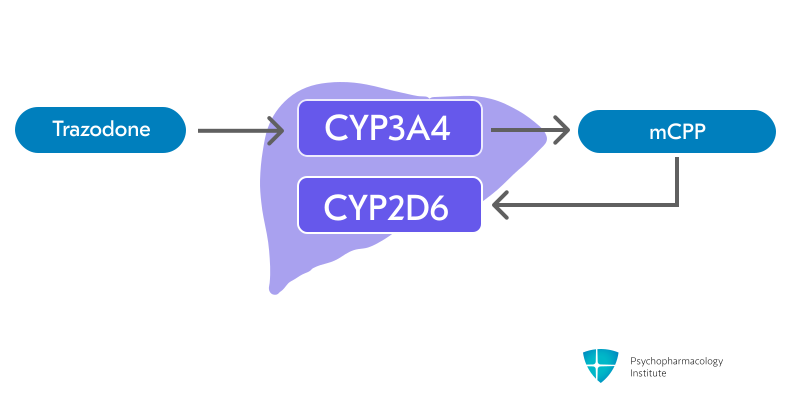
- Trazodone is primarily metabolized via CYP3A4 to the active metabolite, m-chlorophenylpiperazine (mCPP) [1, 12]
- mCPP is subsequently metabolized by CYP2D6 [12]
- mCPP has high affinity for various serotonin receptors, including 5-HT2C, 5-HT3, 5-HT2A, 5-HT1B, and 5-HT1A [13]
- Because mCPP acts as an agonist while trazodone acts as an antagonist, it has the potential to modulate the net pharmacodynamic profile of the medication [13]
- In humans, systemic levels of mCPP are typically below 10% of those of trazodone [13, 14]
- False-positive MDMA (ecstasy) results may occur on urine drug screens due to mCPP production [15]
Bioavailability Considerations
- Food Effect:
- Food increases the total amount of drug absorbed but decreases peak concentration (Cmax) and delays time to peak concentration [1]
- Time to peak concentration: Approximately 1 hour on an empty stomach; 2 hours when taken with food [1]
- For insomnia: Best taken on an empty stomach to achieve faster onset of sedation
- For depression: Should be taken shortly after a meal or light snack to reduce gastrointestinal side effects
Half-life
- Tablet: 5 to 9 hours [16]
- Oral solution: Approximately 18 hours (fed state) [17]
- Prolonged in obese patients
Drug Interactions
Pharmacokinetic Interactions
- Trazodone levels increased by:
- Strong CYP3A4 inhibitors (e.g., ketoconazole, itraconazole, clarithromycin, voriconazole, indinavir) [1]
- Consider a lower dose of trazodone based on tolerability and monitor for increased adverse effects, such as sedation or QTc prolongation
- Trazodone levels decreased by:
- Strong CYP3A4 inducers (e.g., carbamazepine, phenytoin, rifampin, St. John’s wort) [1]
- Closely monitor therapeutic response; an increase in trazodone dosage may be necessary
- Narrow therapeutic index substrates:
- Trazodone can increase serum concentrations of digoxin and phenytoin [1]
Pharmacodynamic Interactions
- Monoamine oxidase inhibitors (MAOIs)
- Concomitant use of MAOIs and Trazodone is contraindicated due to increased risk of serotonin syndrome
- Serotonergic drugs
- Concomitant use increases the risk of serotonin syndrome [1]
- Examples: SSRIs, SNRIs, TCAs, triptans, fentanyl, lithium, tramadol, tryptophan, buspirone, St. John’s Wort
- Antiplatelet agents and anticoagulants
- Concomitant use may potentiate the risk of bleeding [1]
- Examples: warfarin, rivaroxaban, dabigatran, aspirin, clopidogrel, NSAIDs
- CNS depressants
- Trazodone may enhance the response to alcohol, barbiturates, and other CNS depressants [1]
- Inform patients about the additive sedative effects
- QT-prolonging drugs
- Concomitant use may add to the QT effects of trazodone and increase the risk of cardiac arrhythmia [1]
- Avoid use with:
- Antiarrhythmics: Class 1A (quinidine, procainamide, disopyramide) and Class 3 (amiodarone, sotalol)
- Certain antipsychotics (ziprasidone, chlorpromazine, thioridazine)
Dosage forms
- Immediate-release:
- Scored tablets:
- 50 mg, 100 mg, 150 mg, 300 mg
- Tablets can be swallowed whole or broken in half along the score line; should not be chewed or crushed [1]
- Generic, Desyrel
- Oral solution:
- 10 mg/mL (150 mL, 300 mL bottles)
- Must be administered using the provided adapter and oral dosing syringe only; do not use a household teaspoon (overdosage may occur) [17]
- Raldesy
- Scored tablets:
- Formulation considerations:
- Should be taken shortly after a meal or light snack to optimize absorption [1]
- Food increases absorption, decreases peak concentration, and delays time to peak concentration [1]
- For insomnia: Best taken on an empty stomach to achieve faster onset of sedation
- For depression: Should be taken shortly after a meal or light snack to reduce gastrointestinal side effects
Indications
FDA-Approved Indications
Major Depressive Disorder (MDD)
- Trazodone is approved for the treatment of MDD in adults [1]
- Rarely used as a first-line antidepressant due to sedation and orthostatic hypotension at therapeutic doses [5, 18]
- May be considered an alternative agent when:
- Dosing:
- Starting dose: 150 mg/day in divided doses as per labelling [1]
- However, some practitioners start as low as 50 mg twice daily to improve tolerability to a target of 75–150 mg twice daily.
- Titration: May increase by 50 mg/day every 3 to 4 days
- Target dose: 200–400 mg/day in divided doses (usual therapeutic range) [18]
- Maximum dose: 400 mg/day (outpatients); 600 mg/day (inpatients) [1]
- Sedative effects may be minimized by giving a larger portion of the daily dose at bedtime [1]
- Avoid doses > 400 mg/day in patients with cardiovascular disease or the elderly due to QT-prolongation risk [21, 22]
- Starting dose: 150 mg/day in divided doses as per labelling [1]
Off-Label Uses
Insomnia
- Low abuse potential compared to benzodiazepines and Z-drugs; may be preferred in patients with substance use disorders [5]
- Low-dose trazodone is frequently added to other antidepressants (e.g., SSRIs, fluoxetine, paroxetine, sertraline) to address persistent or treatment-emergent insomnia in depressed patients [20, 23]
- The off-label use of trazodone for the treatment of insomnia is the most frequent reason for its prescription, and ranks among the most widely prescribed sleep aids in the USA [5, 24, 25]
- The hypnotic effect occurs at much lower doses (25–100 mg) than those required for antidepressant action, primarily mediated by 5-HT2A and α1 receptor blockade [4, 5]
- Dosing:
- Starting dose: 25–50 mg at bedtime [5]
- Titration: May increase by 50 mg increments based on response and tolerability
- Target dose: 50–100 mg at bedtime (most common effective range) [5]
- Maximum dose: 200 mg at bedtime
- Administration: Best taken on an empty stomach when used for insomnia; food delays absorption by 1–2 hours
- Evidence of efficacy:
- Meta-analytic data support improvements in subjective sleep quality and reductions in nocturnal awakenings [26]
- A 2024 systematic review found additional benefits: decreased wake after sleep onset and improved objective total sleep time on polysomnography [9]
- Notably, trazodone did not affect subjective perception of total sleep time [9]
- Guideline positioning:
Aggressive or Agitated Behavior Associated with Dementia
- Trazodone is frequently prescribed off-label to alleviate the behavioral and psychological symptoms of dementia (BPSD), though data is limited [29–33]
- Guideline position:
- Comparative profile vs. atypical antipsychotics:
- Mortality: Trazodone is associated with significantly lower all-cause mortality compared to atypical antipsychotics [29]
- Falls and fractures: New users of trazodone experience comparable rates of falls (weighted HR 0.91) and major osteoporotic fractures (weighted HR 1.03) within 90 days of treatment initiation [29]
- Dosing:
- Starting dose: 25–50 mg once daily at bedtime
- Titration: May increase based on response and tolerability
- Maximum dose: 300 mg at bedtime [29]
- Some experts target doses in the lower range, rarely exceeding 100–150 mg/day
Anxiety
- Off-label use with limited evidence. Not recommended as a primary treatment for anxiety disorders
- Only one study supports the efficacy of trazodone in generalized anxiety disorder [36]
- No efficacy in the treatment of panic disorder and agoraphobia [36]
Side effects
Most common side effects
Neurological/Psychiatric
- Drowsiness/Sedation (24-41% incidence)
- Most prominent side effect [1]
- Dose-dependent and typically most pronounced during initial treatment
- Can be minimized by bedtime dosing; however, some patients experience morning hangover effects
- Dizziness/Lightheadedness (20-28% incidence)
- Headache (10-20% incidence) [1]
- Fatigue (6-11% incidence) [1]
- Nervousness (6-15% incidence) [1]
- Confusion (5% incidence) [1]
- Tremor (3-5% incidence) [1]
- Ataxia/Incoordination (2-5% incidence) [1]
Cardiovascular
- Orthostatic hypotension (4-7% incidence)
- Results from alpha-1 adrenergic receptor antagonism [5]
- May be associated with increased fall risk in nursing home residents [37]
- Risk factors include elderly age, cardiovascular disease, hypovolemia/dehydration, and concurrent antihypertensives
- Concomitant use with antihypertensives may require dose reduction of the antihypertensive [1]
- Syncope (3-5% incidence) [1]
- Tachycardia/Palpitations (<2% incidence) [1]
Gastrointestinal
- Dry mouth (15-34% incidence) [1]
- Despite lacking significant anticholinergic activity, dry mouth is common [1]
- Management includes sugar-free gum, adequate hydration, and saliva substitutes
- Nausea/Vomiting (10-13% incidence) [1]
- Generally transient and improves with continued treatment
- Taking with food may reduce nausea but delays absorption by 1-2 hours
- Constipation (7-8% incidence) [1]
- Diarrhea (5% incidence) [1]
Other common side effects
- Blurred vision (6-15% incidence) [1]
- Nasal/Sinus congestion (up to 6% incidence) [1]
- Weight changes (access the full Antidepressant-Induced Weight Gain Guide)
- Weight loss (up to 6% incidence) more commonly reported than weight gain [1]
- Weight-neutral to slight weight loss across clinical studies; low incidence of clinically meaningful gain [38–41]
- Musculoskeletal pain (5-6% incidence) [1]
- Edema/Skin condition (3-7% incidence) [1]
- Sexual dysfunction
- Fall risk
- Trazodone was associated with significantly elevated fall risk compared to non-sleep disordered controls in a large retrospective Medicare cohort study of 1.7 million beneficiaries aged ≥65 years [44]
- Trazodone showed higher fall rates (9.5%) than zolpidem immediate-release (7.7%) but lower than benzodiazepines (11.3%)
- Falls risk with trazodone may be attributable to adverse effects including daytime drowsiness and orthostatic hypotension, particularly concerning upon awakening
- Trazodone was associated with significantly elevated fall risk compared to non-sleep disordered controls in a large retrospective Medicare cohort study of 1.7 million beneficiaries aged ≥65 years [44]
Severe side effects
- Priapism (<1% incidence) [45]
- Rare but serious adverse effect requiring immediate medical attention [1, 10, 46, 47]
- Defined as a painful erection lasting longer than 6 hours
- If not treated promptly, it can result in irreversible damage to erectile tissue and permanent impotence
- Men experiencing an erection lasting >4 hours should discontinue immediately and seek emergency care [1]
- Mechanism: Presumably linked to alpha-1 adrenergic receptor antagonism, which prevents smooth muscle contraction and detumescence [4, 10]
- Risk factors [10, 48]
- Sickle cell anemia
- Multiple myeloma
- Leukemia
- Anatomical deformation of the penis (angulation, cavernosal fibrosis, Peyronie’s disease)
- Rare but serious adverse effect requiring immediate medical attention [1, 10, 46, 47]
- Cardiac arrhythmias
- Trazodone prolongs the QT/QTc interval and may cause cardiac arrhythmias [1,18,49–52]
- Postmarketing reports include QT prolongation, torsades de pointes, and ventricular tachycardia at doses as low as 100 mg/day [1]
- Mechanism: Concentration-dependent inhibition of hERG channel current [22]
- Avoid use in patients with [1, 53]
- Known QT prolongation
- History of cardiac arrhythmias
- Recent myocardial infarction (initial recovery phase)
- Concurrent use of CYP3A4 inhibitors or other QT-prolonging drugs (Class 1A/3 antiarrhythmics, certain antipsychotics, certain antibiotics)
- Trazodone prolongs the QT/QTc interval and may cause cardiac arrhythmias [1,18,49–52]
- Serotonin syndrome (access the full Serotonin Syndrome Guide)
- Increased bleeding risk
- Drugs that interfere with serotonin reuptake increase bleeding risk [1, 54, 55]
- Bleeding events range from ecchymosis, epistaxis, and petechiae to life-threatening GI hemorrhages
- Risk is additive with antiplatelet agents, anticoagulants, and NSAIDs
- Mechanism: Serotonin reuptake inhibition leads to platelet serotonin depletion, impairing platelet aggregation
- Monitor coagulation indices when initiating, titrating, or discontinuing trazodone in patients on warfarin [1]
- Drugs that interfere with serotonin reuptake increase bleeding risk [1, 54, 55]
- Hyponatremia
- Activation of mania/hypomania
- Angle-closure glaucoma
- Pupillary dilation from antidepressants may trigger angle-closure attack in patients with anatomically narrow angles [1]
- Avoid use in patients with untreated narrow-angle glaucoma
- Discontinuation syndrome
Use in special populations
Pregnancy
- First-trimester safety:
- Animal studies did not show increased congenital anomalies in rats [59–61]
- No difference in rates of malformations, miscarriages, or stillbirths between trazodone monotherapy or polytherapy compared to SSRI controls according to a recent multicenter cohort study [62]
- A systematic review of fetal outcomes after trazodone exposure confirmed no increased risk of congenital anomalies [63]
- Pregnancy complications:
- Clinical considerations:
- Not a first-line medication for treatment-naïve pregnant patients; however, patients effectively treated prepregnancy may continue therapy [67–69]
Breastfeeding
- Not first-line for treatment-naïve breastfeeding patients; SSRIs with more extensive safety data may be preferred [69, 70]
- Trazodone is excreted in breast milk at low levels
- Limited data suggest safety in case reports [64, 74]
- Monitor breastfed infants for:
- Sedation
- Poor feeding patterns
- Weight gain adequacy
Hepatic impairment
- Trazodone has not been studied in patients with hepatic impairment [1]
- Use with caution in this population
- Initial dosing: Use the lowest recommended dose for the indication. May gradually titrate based on response and tolerability [75]
- Monitor closely for dose-related adverse effects (e.g., oversedation) that may mimic or worsen hepatic encephalopathy [75]
- Do not exceed the indication-specific maximum dose or 400 mg/day, whichever is less [76]
Renal impairment
- Trazodone has not been studied in patients with renal impairment [1]
- No dosage adjustment appears necessary for mild to severe impairment; titrate with caution
- Not significantly dialyzed
Elderly
- No routine dosage adjustment is needed [1]
- Starting dose: 25–50 mg at bedtime; may increase in increments of 25–50 mg/day
Brand names
- US: Desyrel, Raldesy
- Canada: AG-Trazodone, APO-Trazodone, APO-Trazodone D, JAMP-Trazodone, PMS-Trazodone, TEVA-Trazodone
- Other countries/regions: Andhora, Anxidone, Apo-Trazodone, Azod, Cirzodone, Cloridrato de trazodona, Codipzona, Codipzona sr, Dazod, Deprel, Deprax, Depresil, Depyrel, Desirel, Desyrel, Desyrel xl, Devidon, Dezodone, Doctrazodone, Donaren, Fishdon, Frizotex, Inseris xr, Loredon, Mei su yu, Mesyrel, Molipaxin, Motraz, Myungin trazodone hcl, Nestrolan, Oleptro, Pms Trazodone, Reslin, Serazon, Shu xu, Sonic, Suxatrin, Taxagon AC, Taxagon ad, Thombran, Torlex, Tradep, Trant, Trarett, Trazadol, Trazalon, Trazaril, Trazo, Trazodel, Trazodon, Trazodon glenmark, Trazodon hcl sandoz, Trazodon hcl xiromed, Trazodon hexal, Trazodon hydrochloride accord, Trazodon neuraxpharm, Trazodil, Trazodona, Trazodona accord, Trazodona cinfa, Trazodona clorhidrato, Trazodona Farmoz, Trazodona Generis, Trazodona hcl, Trazodona lakor, Trazodona Mepha, Trazodona normon, Trazodona sandoz, Trazodona wynn, Trazodone, Trazodone Actavis, Trazodone eg, Trazodone glenmark, Trazodone HCL, Trazodone hydrochloride amel, Trazodone kent, Trazodone Pharmasant, Trazolam, Trazolan, Trazomet, Trazonil, Trazopax, Trazopress, Trazone, Trazone ac, Trazone od, Triticum, Triticum od, Trittico, Trittico ac, Trittico cr, Trittico ep, Trittico er, Trittico prolong, Trittico xr, Tronsalan, Undepre, Zazadone, Zorel
References
1. U.S. Food and Drug Administration (2018). DESYRELreg (trazodone hydrochloride) tablets, for oral use.
2. Mandrioli, R., Protti, M., & Mercolini, L. (2018). New-Generation, Non-SSRI Antidepressants: Therapeutic Drug Monitoring and Pharmacological Interactions. Part 1: SNRIs, SMSs, SARIs. Current Medicinal Chemistry, 25(7), 772–792.
3. Stahl, S. M. (2021). Stahl’s Essential Psychopharmacology: Neuroscientific Basis and Practical Applications (5th ed.). Cambridge University Press.
4. Settimo, L., & Taylor, D. (2018). Evaluating the dose-dependent mechanism of action of trazodone by estimation of occupancies for different brain neurotransmitter targets. Journal of Psychopharmacology, 32(1), 96–104.
5. Jaffer, K. Y., Chang, T., Vanle, B., Dang, J., Steiner, A. J., Loera, N., Abdelmesseh, M., Danovitch, I., & Ishak, W. W. (2017). Trazodone for Insomnia: A Systematic Review. Innovations in Clinical Neuroscience, 14(7–8), 24–34.
6. Kearns, B., Cooper, K., Orr, M., Essat, M., Hamilton, J., & Cantrell, A. (2022). The Incidence and Costs of Adverse Events Associated with Antidepressants: Results from a Systematic Review, Network Meta-Analysis and Multi-Country Economic Model. Neuropsychiatric Disease and Treatment, 18, 1133–1143.
7. Stahl, S. M. (2009). Mechanism of Action of Trazodone:. A Multifunctional Drug. CNS Spectrums, 14(10), 536–546.
8. Gonçalo, A. M. G., & Vieira-Coelho, M. A. (2021). The effects of trazodone on human cognition: A systematic review. European Journal of Clinical Pharmacology, 77(11), 1623–1637.
9. Kokkali, M., Pinioti, E., Lappas, A. S., Christodoulou, N., & Samara, M. T. (2024). Effects of Trazodone on Sleep: A Systematic Review and Meta-analysis. CNS Drugs, 38(10), 753–769.
10. Eisenach, C., & Lynch, S. (2023). Trazodone-Induced Priapism and Increased Recurrence Risk With Antipsychotics. American Journal of Psychiatry Residents’ Journal.
11. Owens, M. J., Morgan, W. N., Plott, S. J., & Nemeroff, C. B. (1997). Neurotransmitter receptor and transporter binding profile of antidepressants and their metabolites. The Journal of Pharmacology and Experimental Therapeutics, 283(3), 1305–1322.
12. Rotzinger, S., Bourin, M., Akimoto, Y., Coutts, R. T., & Baker, G. B. (1999). Metabolism of Some “Second”– and “Fourth”–Generation Antidepressants: Iprindole, Viloxazine, Bupropion, Mianserin, Maprotiline, Trazodone, Nefazodone, and Venlafaxine. Cellular and Molecular Neurobiology, 19(4), 427–442.
13. Petrucci, V., Dragone, P., Laurenti, M. C., Oggianu, L., Zabela, V., & Cattaneo, A. (2025). Characterization of trazodone metabolic pathways and species-specific profiles. Frontiers in Pharmacology, 16, 1636919.
14. Otani, K., Mihara, K., Yasui, N., Ishida, M., Kondo, T., Tokinaga, N., Ohkubo, T., Osanai, T., Sugawara, K., & Kaneko, S. (1997). Plasma concentrations of trazodonb and m-chlorophenylpiperazine at steady state can be predicted from those after an initial dose of trazodone. Progress in Neuro-Psychopharmacology and Biological Psychiatry, 21(1), 239–244.
15. Logan, B. K., Costantino, A. G., Rieders, E. F., & Sanders, D. (2010). Trazodone, meta-chlorophenylpiperazine (an hallucinogenic drug and trazodone metabolite), and the hallucinogen trifluoromethylphenylpiperazine cross-react with the EMITregII ecstasy immunoassay in urine. Journal of Analytical Toxicology, 34(9), 587–589.
16. Kale, P., & Agrawal, Y. K. (2015). Pharmacokinetics of single oral dose trazodone: A randomized, two-period, cross-over trial in healthy, adult, human volunteers under fed condition. Frontiers in Pharmacology, 6, 224.
17. U.S. Food and Drug Administration (2024). RALDESY (trazodone hydrochloride) oral solution.
18. Fagiolini, A., Comandini, A., Dell’Osso, M. C., & Kasper, S. (2012). Rediscovering Trazodone for the Treatment of Major Depressive Disorder. CNS Drugs, 26(12), 1033–1049.
19. Lam, R. W., Kennedy, S. H., Adams, C., Bahji, A., Beaulieu, S., Bhat, V., Blier, P., Blumberger, D. M., Brietzke, E., Chakrabarty, T., Do, A., Frey, B. N., Giacobbe, P., Gratzer, D., Grigoriadis, S., Habert, J., Ishrat Husain, M., Ismail, Z., McGirr, A., … Milev, R. V. (2024). Canadian Network for Mood and Anxiety Treatments (CANMAT) 2023 Update on Clinical Guidelines for Management of Major Depressive Disorder in Adults: Réseau canadien pour les traitements de l’humeur et de l’anxiété (CANMAT) 2023 : Mise à jour des lignes directrices cliniques pour la prise en charge du trouble dépressif majeur chez les adultes. Can. J. Psychiatry, 69(9), 641–687.
20. Hameed, A. K., Asiri, M., Fedwi, M. M., Jawad, M., Prahlad, P., Singh, A., Chauhan, A. S., Sahoo, S., Singh, M., & Kadhem, M. (2025). The efficacy and safety of trazodone for sleep problems in depressive patients: A GRADE-assessed systematic review and meta-analysis of clinical trials. Psychopharmacology.
21. Khederlou, H., & Azimi Pirsaraei, V. (2024). Torsades de Pointe Associated with Trazodone Consumption. Case Reports in Critical Care, 2024, 5759229.
22. Tarantino, P., Appleton, N., & Lansdell, K. (2005). Effect of trazodone on hERG channel current and QT-interval. European Journal of Pharmacology, 510(1), 75–85.
23. Kaynak, H., Kaynak, D., Gözükırmızı, E., & Guilleminault, C. (2004). The effects of trazodone on sleep in patients treated with stimulant antidepressants. Sleep Medicine, 5(1), 15–20.
24. Schweitzer, P. K., & Feren, S. D. (2017). Pharmacological treatment of insomnia. In. Clinical handbook of insomnia, 3rd ed (pp. 97–132). Humana Press/Springer Nature.
25. Roy, A. N., & Smith, M. (2010). Prevalence and cost of insomnia in a state Medicaid fee-for-service population based on diagnostic codes and prescription utilization. Sleep Medicine, 11(5), 462–469.
26. Yi, X., Ni, S., Ghadami, M. R., Meng, H., Chen, M., Kuang, L., Zhang, Y., Zhang, L., & Zhou, X. (2018). Trazodone for the treatment of insomnia: A meta-analysis of randomized placebo-controlled trials. Sleep Medicine, 45, 25–32.
27. Sateia, M. J., Buysse, D. J., Krystal, A. D., Neubauer, D. N., & Heald, J. L. (2017). Clinical Practice Guideline for the Pharmacologic Treatment of Chronic Insomnia in Adults: An American Academy of Sleep Medicine Clinical Practice Guideline. Journal of Clinical Sleep Medicine, 13(02), 307–349.
28. Qaseem, A., Kansagara, D., Forciea, M. A., Cooke, M., Denberg, T. D., & for the Clinical Guidelines Committee of the American College of Physicians*. (2016). Management of Chronic Insomnia Disorder in Adults: A Clinical Practice Guideline From the American College of Physicians. Annals of Internal Medicine, 165(2), 125–133.
29. Watt, J. A., Gomes, T., Bronskill, S. E., Huang, A., Austin, P. C., Ho, J. M., & Straus, S. E. (2018). Comparative risk of harm associated with trazodone or atypical antipsychotic use in older adults with dementia: A retrospective cohort study. CMAJ : Canadian Medical Association Journal, 190(47), E1376–E1383.
30. Rabins, P. V., Rovner, B. W., Rummans, T., Schneider, L. S., & Tariot, P. N. (2017). Guideline Watch (October 2014): Practice Guideline for the Treatment of Patients With Alzheimer’s Disease and Other Dementias. Focus: Journal of Life Long Learning in Psychiatry, 15(1), 110–128.
31. Lebert, F., Stekke, W., Hasenbroekx, C., & Pasquier, F. (2004). Frontotemporal Dementia: A Randomised, Controlled Trial with Trazodone. Dementia and Geriatric Cognitive Disorders, 17(4), 355–359.
32. Ihl, R., Frölich, L., Winblad, B., Schneider, L., Burns, A., Möller, H.-J., & WFSBP Task Force on Treatment Guidelines for Alzheimer’s Disease and other Dementias. (2011). World Federation of Societies of Biological Psychiatry (WFSBP) guidelines for the biological treatment of Alzheimer’s disease and other dementias. The World Journal of Biological Psychiatry: The Official Journal of the World Federation of Societies of Biological Psychiatry, 12(1), 2–32.
33. McCleery, J., Cohen, D. A., & Sharpley, A. L. (2014). Pharmacotherapies for sleep disturbances in Alzheimer’s disease. The Cochrane Database of Systematic Reviews, 3, CD009178.
34. Hatch, S., Seitz, D. P., Bruneau, M.-A., Ewa, V., Feldman, S., Goldberg, Y., Goodarzi, Z., Herrmann, N., Colborne, D. H., Henri-Bhargava, A., Ismail, Z., Kirkham, J., Kumar, S., Lanctôt, K. L., Thompson, W., Porter, J., & Watt, J. A. (2025). The Canadian Coalition for Seniors’ Mental Health Canadian Clinical Practice Guidelines for Assessing and Managing Behavioural and Psychological Symptoms of Dementia (BPSD). Canadian Geriatrics Journal, 28(1), 91–102.
35. Office of the Commisioner of the U.S. Food and Drug Administration (2023). FDA Approves First Drug to Treat Agitation Symptoms Associated with Dementia due to Alzheimer’s Disease. FDA; FDA.
36. Bandelow, B., Allgulander, C., Baldwin, D. S., Costa, D. L. da C., Denys, D., Dilbaz, N., Domschke, K., Eriksson, E., Fineberg, N. A., Hättenschwiler, J., Hollander, E., Kaiya, H., Karavaeva, T., Kasper, S., Katzman, M., Kim, Y.-K., Inoue, T., Lim, L., Masdrakis, V., … Zohar, J. (2023). World Federation of Societies of Biological Psychiatry (WFSBP) guidelines for treatment of anxiety, obsessive-compulsive and posttraumatic stress disorders – Version 3. Part I: Anxiety disorders. World J. Biol. Psychiatry, 24(2), 79–117.
37. Ooi, W. L., Hossain, M., & Lipsitz, L. A. (2000). The association between orthostatic hypotension and recurrent falls in nursing home residents. The American Journal of Medicine, 108(2), 106–111.
38. Gill, H., Gill, B., El-Halabi, S., Chen-Li, D., Lipsitz, O., Rosenblat, J. D., Van Rheenen, T. E., Rodrigues, N. B., Mansur, R. B., Majeed, A., Lui, L. M. W., Nasri, F., Lee, Y., & Mcintyre, R. S. (2020). Antidepressant Medications and Weight Change: A Narrative Review. Obesity, 28(11), 2064–2072.
39. Carvalho, A. F., Sharma, M. S., Brunoni, A. R., Vieta, E., & Fava, G. A. (2016). The Safety, Tolerability and Risks Associated with the Use of Newer Generation Antidepressant Drugs: A Critical Review of the Literature. Psychotherapy and Psychosomatics, 85(5), 270–288.
40. Hasnain, M., & Vieweg, W. V. R. (2013). Weight considerations in psychotropic drug prescribing and switching. Postgraduate Medicine, 125(5), 117–129.
41. Cuomo, A., Ballerini, A., Bruni, A. C., Decina, P., Di Sciascio, G., Fiorentini, A., Scaglione, F., Vampini, C., & Fagiolini, A. (2019). Clinical guidance for the use of trazodone in major depressive disorder and concomitant conditions: Pharmacology and clinical practice. Rivista Di Psichiatria, 54(4), 137–149.
42. Purcell, P., & Ghurye, R. (1995). Trazodone and spontaneous orgasms in an elderly postmenopausal woman: A case report. Journal of Clinical Psychopharmacology, 15(4), 293–295.
43. Battaglia, C., & Venturoli, S. (2009). Persistent genital arousal disorder and trazodone. Morphometric and vascular modifications of the clitoris. A case report. The Journal of Sexual Medicine, 6(10), 2896–2900.
44. Amari, D. T., Juday, T., Frech, F. H., Wang, W., Wu, Z., Atkins, N., & Wickwire, E. M. (2022). Falls, healthcare resources and costs in older adults with insomnia treated with zolpidem, trazodone, or benzodiazepines. BMC Geriatrics, 22(1), 484.
45. DeSimone, A. C., Rudinoff, E., Lee, M. Y., Rustad, J. K., Zaragoza, M., & Stern, T. A. (2025). Psychotropic Medication-Induced Priapism: An Approach to Diagnosis and Treatment. The Primary Care Companion for CNS Disorders, 27(4), 25f03942.
46. Raskin, D. E. (1985). Trazodone and priapism. The American Journal of Psychiatry, 142(1), 142–143.
47. Scher, M., Krieger, J. N., & Juergens, S. (1983). Trazodone and priapism. The American Journal of Psychiatry, 140(10), 1362–1363.
48. Hwang, T., Shah, T., & Sadeghi-Nejad, H. (2021). A Review of Antipsychotics and Priapism. Sexual Medicine Reviews, 9(3), 464–471.
49. Winkler, D., Ortner, R., Pjrek, E., Aschauer, H., & Kasper, S. (2006). Trazodone-induced cardiac arrhythmias: A report of two cases. Human Psychopharmacology, 21(1), 61–62.
50. Aronson, M. D., & Hafez, H. (1986). A case of trazodone-induced ventricular tachycardia. The Journal of Clinical Psychiatry, 47(7), 388–389.
51. Chung, K.-J., Wang, Y.-C. L., Liu, B.-M., & Supernaw, R. B. (2008). Management of ventricular dysrhythmia secondary to trazodone overdose. The Journal of Emergency Medicine, 35(2), 171–174.
52. de Meester, A., Carbutti, G., Gabriel, L., & Jacques, J. M. (2001). Fatal overdose with trazodone: Case report and literature review. Acta Clinica Belgica, 56(4), 258–261.
53. Tisdale, J. E., Chung, M. K., Campbell, K. B., Hammadah, M., Joglar, J. A., Leclerc, J., Rajagopalan, B., & American Heart Association Clinical Pharmacology Committee of the Council on Clinical Cardiology and Council on Cardiovascular and Stroke Nursing. (2020). Drug-Induced Arrhythmias: A Scientific Statement From the American Heart Association. Circulation, 142(15), e214–e233.
54. Bixby, A. L., VandenBerg, A., & Bostwick, J. R. (2019). Clinical Management of Bleeding Risk With Antidepressants. Annals of Pharmacotherapy, 53(2), 186–194.
55. Andrade, C., Sandarsh, S., Chethan, K. B., Nagesh, K. S., nbsp, & Nagesh, K. S. (2010). Serotonin Reuptake Inhibitor Antidepressants and Abnormal Bleeding: A Review for Clinicians and a Reconsideration of Mechanisms. The Journal of Clinical Psychiatry, 71(12), 19280.
56. Zmitek, A. (1987). Trazodone-induced mania. The British Journal of Psychiatry: The Journal of Mental Science, 151, 274–275.
57. Fava, G. A., Gatti, A., Belaise, C., Guidi, J., & Offidani, E. (2015). Withdrawal Symptoms after Selective Serotonin Reuptake Inhibitor Discontinuation: A Systematic Review. Psychotherapy and Psychosomatics, 84(2), 72–81.
58. Warner, C. H., Bobo, W., Warner, C., Reid, S., & Rachal, J. (2006). Antidepressant discontinuation syndrome. American Family Physician, 74(3), 449–456.
59. Barcellona, P. S. (1970). Investigations on the possible teratogenic effects of trazodone in rats and rabbits. Bollettino Chimico Farmaceutico, 109(5), 323–332.
60. Einarson, A., Bonari, L., Voyer-Lavigne, S., Addis, A., Matsui, D., Johnson, Y., & Koren, G. (2003). A multicentre prospective controlled study to determine the safety of trazodone and nefazodone use during pregnancy. Canadian Journal of Psychiatry. Revue Canadienne De Psychiatrie, 48(2), 106–110.
61. Einarson, A., Choi, J., Einarson, T. R., & Koren, G. (2009). Incidence of major malformations in infants following antidepressant exposure in pregnancy: Results of a large prospective cohort study. Canadian Journal of Psychiatry. Revue Canadienne De Psychiatrie, 54(4), 242–246.
62. Dao, K., Shechtman, S., Diav-Citrin, O., George, N., Richardson, J. L., Rollason, V., Pistelli, A., Eleftheriou, G., Berlin, M., Ekobena, P., Rousson, V., Addor, M.-C., Baud, D., Buclin, T., Panchaud, A., & Winterfeld, U. (2023). Reproductive Safety of Trazodone After Maternal Exposure in Early Pregnancy. Journal of Clinical Psychopharmacology, 43(1), 12–19.
63. Glasgow-Osment, B., Wahib, F., Kassam, S., Zanin, M., & Garcia-Bournissen, F. (2025). The effects of trazodone exposure during pregnancy on fetal outcomes: A systematic review. European Journal of Clinical Pharmacology, 81(10), 1401–1408.
64. Saito, J., Ishii, M., Mito, A., Yakuwa, N., Kawasaki, H., Tachibana, Y., Suzuki, T., Yamatani, A., Sago, H., & Murashima, A. (2021). Trazodone Levels in Maternal Serum, Cord Blood, Breast Milk, and Neonatal Serum. Breastfeeding Medicine: The Official Journal of the Academy of Breastfeeding Medicine, 16(11), 922–925.
65. Palmsten, K., Huybrechts, K. F., Michels, K. B., Williams, P. L., Mogun, H., Setoguchi, S., & Hernández-Díaz, S. (2013). Antidepressant Use and Risk for Preeclampsia. Epidemiology (Cambridge, Mass.), 24(5), 682–691.
66. Khazaie, H., Ghadami, M. R., Knight, D. C., Emamian, F., & Tahmasian, M. (2013). Insomnia treatment in the third trimester of pregnancy reduces postpartum depression symptoms: A randomized clinical trial. Psychiatry Research, 210(3), 901–905.
67. Treatment and Management of Mental Health Conditions During Pregnancy and Postpartum: ACOG Clinical Practice Guideline No. 5. (2023). Obstetrics and Gynecology, 141(6), 1262–1288.
68. McAllister-Williams, R. H., Baldwin, D. S., Cantwell, R., Easter, A., Gilvarry, E., Glover, V., Green, L., Gregoire, A., Howard, L. M., Jones, I., Khalifeh, H., Lingford-Hughes, A., McDonald, E., Micali, N., Pariante, C. M., Peters, L., Roberts, A., Smith, N. C., Taylor, D., … endorsed by the British Association for Psychopharmacology. (2017). British Association for Psychopharmacology consensus guidance on the use of psychotropic medication preconception, in pregnancy and postpartum 2017. Journal of Psychopharmacology (Oxford, England), 31(5), 519–552.
69. MacQueen, G. M., Frey, B. N., Ismail, Z., Jaworska, N., Steiner, M., Lieshout, R. J. V., Kennedy, S. H., Lam, R. W., Milev, R. V., Parikh, S. V., Ravindran, A. V., & CANMAT Depression Work Group. (2016). Canadian Network for Mood and Anxiety Treatments (CANMAT) 2016 Clinical Guidelines for the Management of Adults with Major Depressive Disorder: Section 6. Special Populations: Youth, Women, and the Elderly. Canadian Journal of Psychiatry. Revue Canadienne De Psychiatrie, 61(9), 588–603.
70. Sriraman, N. K., Melvin, K., Meltzer-Brody, S., & the Academy of Breastfeeding Medicine. (2015). ABM Clinical Protocol #18: Use of Antidepressants in Breastfeeding Mothers. Breastfeeding Medicine, 10(6), 290–299.
71. Verbeeck, R. K., Ross, S. G., & McKenna, E. A. (1986). Excretion of trazodone in breast milk. British Journal of Clinical Pharmacology, 22(3), 367–370.
72. Anderson, P. O., & Sauberan, J. B. (2016). Modeling drug passage into human milk. Clinical Pharmacology and Therapeutics, 100(1), 42–52.
73. Anderson, P. O. (2021). Antidepressants and Breastfeeding. Breastfeeding Medicine: The Official Journal of the Academy of Breastfeeding Medicine, 16(1), 5–7.
74. Newport, D. J., Ritchie, J. C., Knight, B. T., Glover, B. A., Zach, E. B., & Stowe, Z. N. (2009). Venlafaxine in human breast milk and nursing infant plasma: Determination of exposure. The Journal of Clinical Psychiatry, 70(9), 1304–1310.
75. Mullish, B. H., Kabir, M. S., Thursz, M. R., & Dhar, A. (2014). Review article: Depression and the use of antidepressants in patients with chronic liver disease or liver transplantation.
76. Mauri, M. C., Fiorentini, A., Paletta, S., & Altamura, A. C. (2014). Pharmacokinetics of antidepressants in patients with hepatic impairment. Clinical Pharmacokinetics, 53(12), 1069–1081.