



In a nutshell
Cariprazine is a second-generation antipsychotic and dopamine partial agonist. Unlike aripiprazole, it is FDA-approved for bipolar I depression. Like aripiprazole, it causes little short-term weight gain or prolactin change and is among the least sedating antipsychotics. The trade-offs are dose-related akathisia and efficacy at the lower end of the class in acute schizophrenia [1–4]
Each dose change needs several weeks to judge, and side effects can appear weeks after it. Its main active metabolite has a half-life of one to three weeks [1]

- When to consider cariprazine:
- Schizophrenia, where the APA guideline favors no antipsychotic over another, clozapine possibly aside (see Indications › Clinical positioning) [5]
- Acute mania, after lithium, quetiapine and several other agents in the guidelines’ suggested order [6,7]
- Bipolar I depression, first-line in the 2023 CANMAT/ISBD update, at 1.5 mg [1,8,9]
- MDD with inadequate response to antidepressants, as a second-line add-on in the 2023 CANMAT update (aripiprazole and brexpiprazole are first-line), starting at 1.5 mg [1,10]
- Its response effect was one of the smallest among the approved add-ons in a 2026 network meta-analysis [11]
- Weight gain, metabolic effects, hyperprolactinemia or sedation on a previous antipsychotic [3,4,12,13]
- Predominant negative symptoms in stable schizophrenia (see Indications › Off-label and emerging uses) [14,15]
- The evidence is one sponsor-run trial against risperidone, with a small effect and no placebo arm [14]
- Consider alternatives when:
- Akathisia or restlessness already limits treatment
- Sedation is the priority for an acutely agitated patient: cariprazine is among the least sedating antipsychotics [3]
- The largest possible effect on acute psychotic symptoms is the priority [3]
- A CYP3A4 inducer cannot be stopped [1,16]
- Pregnancy is planned: the metabolite remains detectable up to 12 weeks after the last dose, and human data are limited [1,17]
- The goal is bipolar maintenance or bipolar II depression: the maintenance trial was inconclusive, and the one completed trial that enrolled bipolar II patients failed [18,19]
- Cost or formulary access is decisive: it is brand only in the US [20]
Pharmacodynamics and mechanism of action
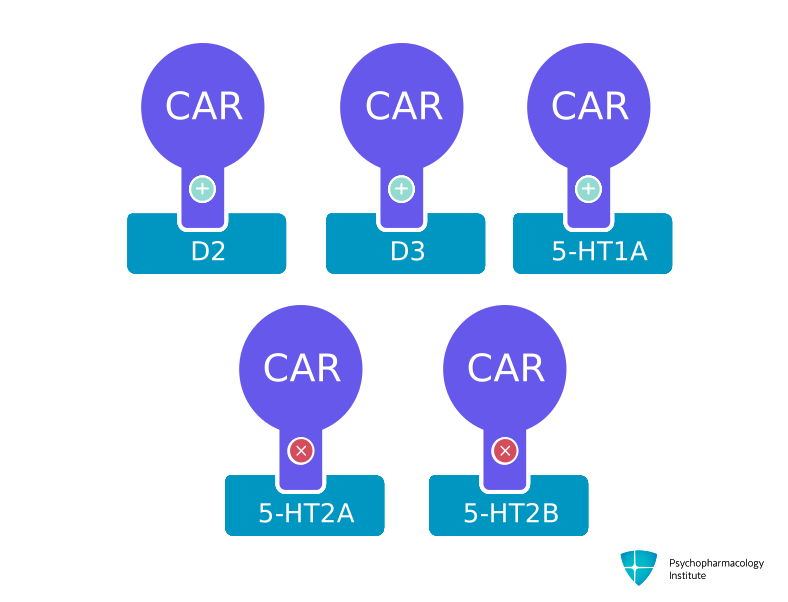
- Cariprazine is a partial agonist at dopamine D3 and D2 receptors and at serotonin 5-HT1A receptors, and an antagonist at 5-HT2B and 5-HT2A receptors [1,21]
- The D3 hypothesis and negative symptoms
- D3 receptors cluster in limbic regions, such as the nucleus accumbens [23]
- Because cariprazine binds D3 more tightly than dopamine itself, it is expected to block D3 in vivo, which preclinical work links to negative symptoms, cognition and drug seeking [23,24]
- In humans this remains a hypothesis, supported by one manufacturer-sponsored trial against risperidone (see Indications › Off-label and emerging uses) [14,23,24]
- Receptor profile [1,21,25]
| Target | Affinity | Action | Clinical relevance |
|---|---|---|---|
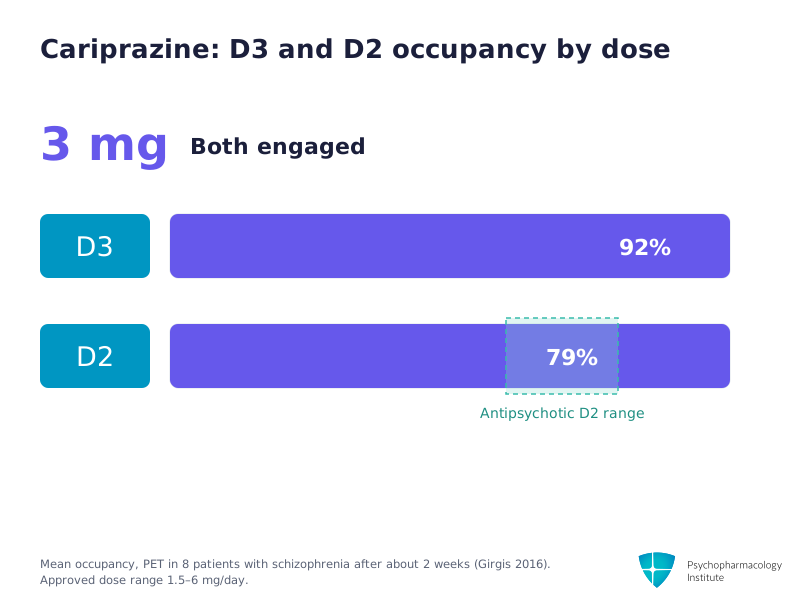
| Dopamine D3 | ●●●●● | Partial agonist | Highest-affinity target, with 6- to 8-fold selectivity over D2; 92% occupied at 3 mg/day |
| Dopamine D2 | ●●●●○ | Partial agonist | Also engaged at therapeutic doses: 79% occupied at 3 mg/day |
| 5-HT2B | ●●●●○ | Antagonist | Clinical relevance unknown |
| 5-HT1A | ●●●○○ | Partial agonist with low intrinsic activity | Part of the label’s efficacy hypothesis; in animals its contribution looked minimal at lower doses, and a role in limiting motor side effects could not be excluded at higher ones |
| 5-HT2A | ●●○○○ | Weak antagonist | 10- to 60-fold weaker than risperidone, olanzapine, clozapine or aripiprazole |
| Sigma-1 | ●●○○○ | Binding only (function not stated) | In vitro only; clinical relevance unknown |
| H1 and 5-HT2C | ●●○○○ and ●○○○○ | Antagonist at H1 | About 10-fold weaker than aripiprazole, which the in vitro work predicted would mean a low liability for sedation and weight gain (see Side effects) |
| Muscarinic | ○○○○○ | None | No appreciable binding |
Affinity dots group the published binding affinities (Ki): ●●●●● picomolar, ●●●●○ subnanomolar, ●●●○○ nanomolar, ●●○○○ moderate, ●○○○○ low, ○○○○○ no appreciable affinity [1,21]. Occupancy was measured by PET in patients with schizophrenia after two weeks of dosing, in a small study (3 patients at 3 mg/day) [25]
- Partial agonism and its implications
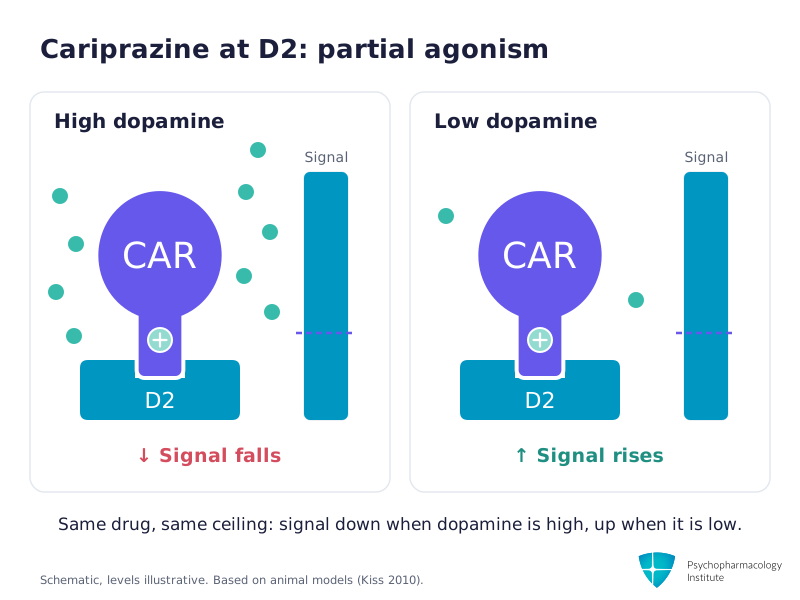
- In animal models, cariprazine acts at D2 as an antagonist when dopamine tone is high and as a weak agonist when it is low (figure below) [21]
- No consistent difference from aripiprazole has been shown: animal models suggested more antagonist effect, but in the in vitro assays that tested both side by side, their D2 intrinsic activity was similar [21,26]
- The preclinical prediction of few motor effects did not hold in trials [1,21]
- At approved doses akathisia occurred in 9% to 13% and extrapyramidal symptoms in 15% to 19% of patients with schizophrenia, against 4% and 8% on placebo [1]
Pharmacokinetics and Drug Interactions
Metabolism
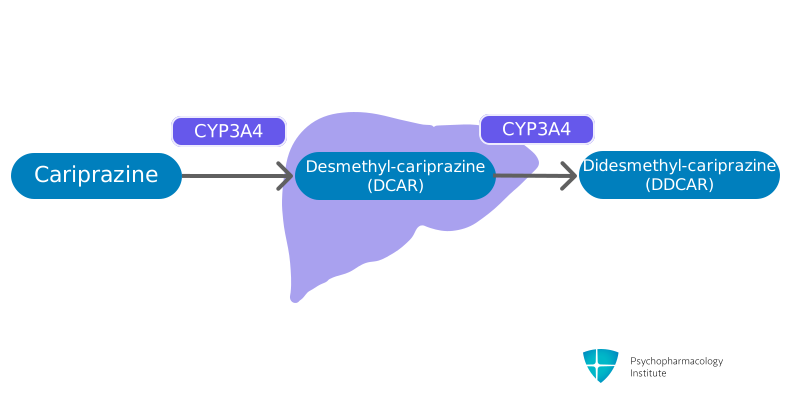
- Cariprazine is metabolized by CYP3A4, and to a lesser extent CYP2D6, to DCAR and then DDCAR; DDCAR is cleared by CYP3A4 [1,27]
Half-life
- Because of the long half-life, a dose change is not fully reflected in plasma for several weeks [1]
- Take the steady-state timeline into account before judging response or tolerability [1]
- Cariprazine and DCAR reach steady state in one to two weeks; DDCAR approaches steady state at four to eight weeks [1]
- Half-lives [1,28]
- Cariprazine 2 to 4 days
- DCAR 1 to 2 days
- DDCAR 1 to 3 weeks
- The effective half-life of the total active moiety is about one week
- After stopping, total active drug falls by half in about one week and by 90% in three to four weeks [1,16,28]
Absorption and food
- Once daily, with or without food (see Dosage forms) [1]
Drug interactions

Pharmacokinetic interactions
- Strong or moderate CYP3A4 inhibitors: avoid when an alternative exists; otherwise lower the cariprazine dose [1,16,29]
| Scenario | Strong inhibitor (e.g., ketoconazole, itraconazole, clarithromycin, ritonavir) | Moderate inhibitor (e.g., erythromycin, fluconazole, diltiazem, verapamil) |
|---|---|---|
| Starting cariprazine while on the inhibitor (adults) | 0.5 mg/day; up to 0.75 mg in schizophrenia or mania | 0.75 mg/day; up to 1.5 mg in schizophrenia or mania |
| Adding the inhibitor to 1.5 or 3 mg/day | Reduce to 0.5 mg/day | Reduce to 0.75 mg/day |
| Adding the inhibitor to 4.5 or 6 mg/day | Reduce to 0.75 mg/day | Reduce to 1.5 mg/day |
Doses from the US label; examples from the EU label [1,16]
- Starting cariprazine is not recommended in pediatric patients already taking a strong or moderate inhibitor [1]
- When the inhibitor stops, the dose may need to go back up; judge response and tolerability over several weeks, as levels change slowly [1,16]
- Avoid grapefruit juice [16,29]
- CYP3A4 inducers: avoid (e.g., carbamazepine, phenobarbital, phenytoin, rifampin and St John’s wort) [1,16]
- The combination has not been studied, and because CYP3A4 both forms and clears the active metabolites, the net effect is unclear [1]
- Outside the US the labels are stricter: the EU and Canada contraindicate strong inhibitors and strong or moderate inducers, and Canada also contraindicates moderate inhibitors [16,29]
- Cariprazine as a perpetrator: unlikely to change the levels of other drugs, oral contraceptives included [1,16]
- Digoxin, dabigatran and other narrow-margin P-glycoprotein substrates may need extra monitoring and dose adjustment [16]
Pharmacodynamic interactions
- Other antipsychotics:
- Additive risk with alcohol and other drugs that cause somnolence or orthostatic hypotension, such as antihypertensives [1,16,29]
Dosage forms
- Capsules: 0.5 mg, 0.75 mg, 1.5 mg, 3 mg, 4.5 mg and 6 mg [1]
- Formulation considerations
- Take once daily, with or without food, at about the same time each day [1,16]
- Missed doses: because levels fall by only half in about a week, one or two missed doses are unlikely to cause a symptomatic drop; this is an inference from the kinetics, not a labeled statement [1]
- Capsules do not need to be opened or split: every labeled dose is a single capsule [1]
- Outside the US: the EU also has an orodispersible tablet (1.5, 3, 4.5 and 6 mg) for patients who have difficulty swallowing capsules, placed on the tongue or dispersed in water [16]
Indications
Clinical positioning
- Efficacy is modest in most of its indications, and the main trade-off is dose-related akathisia (see Side effects) [1,3,11,30]
- Acute mania and bipolar I depression: first-line in the CANMAT/ISBD guidelines (for bipolar depression since the 2023 update) [6,8]
- Schizophrenia: one of several options, as the APA guideline favors no antipsychotic over another, clozapine possibly aside [5]
- Most reasonable when:
- Negative symptoms predominate in stable schizophrenia [14,15]
- The evidence is one sponsor-run trial against risperidone, with a small effect (see Off-label and emerging uses) [14]
- Weight gain, metabolic effects or hyperprolactinemia limited a previous antipsychotic [12,13,31]
- Bipolar I depression, at 1.5 mg [1,9]
- Negative symptoms predominate in stable schizophrenia [14,15]
- Prefer alternatives:
- When sedation is the priority for an acutely agitated patient: cariprazine is among the least sedating antipsychotics [3]
- When the largest possible effect on acute psychotic symptoms is the priority [3]
- When akathisia or restlessness already limits treatment [1]
- When a CYP3A4 inducer cannot be stopped [1,16]
- For bipolar maintenance or bipolar II depression: the maintenance trial was inconclusive, and the one completed trial that enrolled bipolar II patients failed [18,19]
FDA-Approved Indications
Schizophrenia
- Approved for the treatment of schizophrenia in adults and in adolescents from 13 years [1]
- How it compares with other antipsychotics in schizophrenia
- Efficacy: at the lower end of the class in a 2026 network meta-analysis of 24 antipsychotics [3]
- Tolerability: the same analysis found the partial agonists not among the most efficacious drugs but better tolerated overall [3]
- Prefer it when:
- Prefer another agent for acute, agitated psychosis when sedation is the priority [3]
- Dosing in adults [1]
- Starting dose: 1.5 mg once daily
- Titration: 3 mg on day 2, then 1.5 mg or 3 mg steps by response and tolerability
- Target dose: 1.5 to 6 mg once daily
- Maximum dose: 6 mg/day
- Dose tip: because of the long half-life, judge each dose change for several weeks before increasing again; adverse reactions may appear after the increase, not with it
Bipolar I disorder: acute manic or mixed episodes
- Approved for the acute treatment of manic or mixed episodes in adults and in children and adolescents from 10 years [1]
- Maintenance in bipolar I is not established [18]
- The one relapse-prevention trial was inconclusive rather than negative: placebo relapse was far below what the trial was designed for, and the sponsor took part in design and analysis
- Maintenance in bipolar I is not established [18]
- Mixed features: second-line in the CANMAT/ISBD mixed-presentations recommendations [32]
- A post hoc analysis of the three mania trials by the manufacturer found less mania than with placebo in patients with concurrent depressive symptoms; their depressive symptoms improved significantly only in the subgroup defined by a MADRS score of 10 or more [33]
- Dosing in adults [1]
- Starting dose: 1.5 mg once daily
- Titration: 3 mg on day 2, then 1.5 mg or 3 mg steps
- Target dose: 3 to 6 mg once daily
- Maximum dose: 6 mg/day
Bipolar I depression (adults)
- Approved for depressive episodes associated with bipolar I disorder in adults [1]
- Prefer 1.5 mg: it separated from placebo in all three trials that led to approval [1,9]
- Bipolar II depression: not supported; the one completed trial that enrolled bipolar II patients failed [19]
- Dosing [1]
- Starting dose: 1.5 mg once daily
- Titration: 3 mg on day 15 if needed
- Maximum dose: 3 mg/day
Major depressive disorder, adjunctive to antidepressants (adults)
- Approved as adjunctive therapy to antidepressants for MDD in adults [1]
- How it compares with the other approved add-ons
- Second-line add-on in the 2023 CANMAT update: aripiprazole and brexpiprazole are first-line, and cariprazine has fewer studies [10]
- In a 2026 network meta-analysis of the approved adjunctive antipsychotics [11]
- Response: only quetiapine XR had a smaller effect
- Acceptability: second after aripiprazole, although more patients stopped treatment than on placebo
- Another meta-analysis of four trials found a benefit on response but not on remission [41]
- Dosing [1]
- Starting dose: 1.5 mg once daily, added to the antidepressant
- Titration: 3 mg on day 15 if needed; do not increase sooner, because faster titration produced more adverse reactions in the trials
- Maximum dose: 3 mg/day
Off-label and emerging uses
- Predominant negative symptoms: not a labeled indication in the US; Germany’s 2026 national schizophrenia guideline conditionally recommends offering cariprazine or low-dose amisulpride [1,15]
- The evidence is one 26-week, sponsor-run trial against risperidone, without placebo, in stable patients: small to moderate effects on negative symptoms and functioning (effect sizes 0.31 and 0.48), with one extra responder for every 9 patients treated [14]
- The funder was involved in the design, analysis and interpretation of the trial [14]
- No second randomized trial had been published or registered on ClinicalTrials.gov as of October 2026
- In practice:
Side effects
Cariprazine leans toward activation rather than sedation [1,3]. Akathisia, restlessness and extrapyramidal symptoms are the common dose-related adverse reactions [1]
Adverse reactions can first appear weeks after a dose change, probably because cariprazine and its active metabolites accumulate slowly; monitor for akathisia and extrapyramidal symptoms for several weeks after each change [1]. Long-term weight gain is larger than the short-term trials suggest [1,42]
Most common side effects
Akathisia
- Dose-related in the schizophrenia, bipolar depression and adjunctive MDD trials: about 6% to 9% of patients at the lower doses and 10% to 23% at the higher doses, against 2% to 4% on placebo; 20% vs. 5% in mania [1]
- Onset is usually in the first three weeks after a start or increase (bipolar depression trials), but can be delayed by the slow accumulation of DDCAR [1,16,43]
- Management
- Hold the dose or step down (the 0.5 mg and 0.75 mg strengths allow small steps) [1,16]
- Allow time: DDCAR levels take weeks to settle after any dose change, so akathisia can lag behind both an increase and a reduction [1,44]
- Add propranolol as the first choice; mirtazapine and a short course of clonazepam are alternatives, and anticholinergics are not routinely recommended [45]
- With anti-EPS medication the median time to resolution was 17 days [44]
- Versus the other partial agonists: in acute schizophrenia, cariprazine and aripiprazole fall in the higher-risk group; brexpiprazole falls in the lower one [3]
Extrapyramidal symptoms other than akathisia
- Most frequent in schizophrenia and mania: 15% to 26% vs. 8% to 12% on placebo [1]
- Lower in bipolar depression and the 6-week adjunctive MDD trials, but 12% to 18% vs. 5% in one 8-week adjunctive trial that went up to 4.5 mg [1]
- Acute dystonia follows the class pattern: young men are at higher risk [1]
- Restlessness (mania 7% vs. 2%; bipolar depression 7% at 3 mg vs. 3%) and anxiety (schizophrenia 5% to 6% vs. 4%) overlap with akathisia [1]
Psychiatric
- Insomnia, mainly in adjunctive MDD [1]
- Consistent with an activating profile; morning dosing is a reasonable practical response
- Somnolence (schizophrenia 5% to 8% vs. 5%; mania 7% vs. 4%; bipolar depression 7% vs. 4%; adjunctive MDD 6% vs. 4% in the 6-week trials and 11% vs. 6% in the 8-week trial) [1]
Gastrointestinal
- Nausea (mania 13% vs. 7%; bipolar depression 7% vs. 3%; adjunctive MDD 6% to 7% vs. 3% in the 6-week trials and 13% at 2 to 4.5 mg vs. 5% in the 8-week trial) [1]
- Vomiting and dyspepsia (mania 10% vs. 4% and 7% vs. 4%) [1]
- Constipation (schizophrenia 6% to 7% vs. 5%; mania 6% vs. 5%) [1]
- Increased appetite (bipolar depression 3% vs. 1%; adjunctive MDD 5% vs. 2% in the 8-week trial) [1]
Cardiovascular
- Symptomatic orthostatic hypotension was infrequent and no more frequent than placebo; syncope was not observed [1]
- Hypertension was reported in 2% to 3% vs. 1% at approved doses in schizophrenia and in 5% vs. 1% in mania [1]
- Tachycardia 2% vs. 1% [1]
- QTc: no clinically relevant prolongation, even at three times the maximum dose [1]
Severe or rare side effects
Metabolic changes
- Short-term weight change is small: under 1 kg more than placebo in the 3- to 8-week trials of every indication [1]
- A gain of 7% or more: 8% vs. 5% on placebo in schizophrenia, 3% or less in the mood-disorder trials [1]
- Long-term weight gain is larger:
- Glucose: shifts to high fasting glucose were similar to placebo in the schizophrenia and bipolar trials and slightly more frequent at 3 mg in adjunctive MDD (3.2% vs. 1.3% on placebo); in long-term open-label studies, 4% to 7% of patients with a normal baseline HbA1c developed elevated values, with no comparison group [1]
- Lipids:
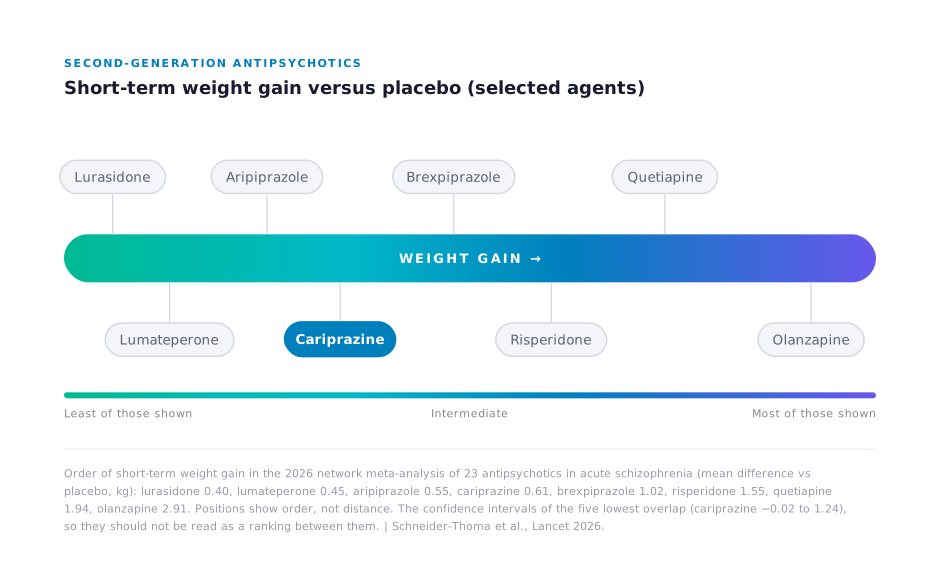
- Versus alternatives, short term: about 0.6 kg over placebo in a 2026 network meta-analysis of acute schizophrenia, in the low group with lurasidone, lumateperone and aripiprazole (figure below) [3]
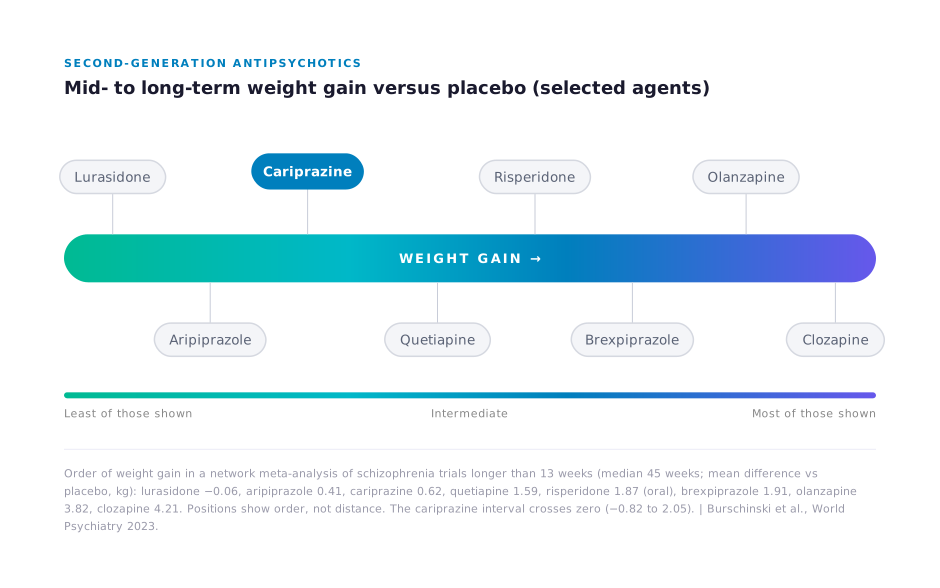
- Versus alternatives, long term: about 0.6 kg over placebo, with an interval crossing zero, in schizophrenia trials longer than 13 weeks
- Of the drugs in the figure below, only lurasidone (similar to placebo) and aripiprazole had lower estimates; none of cariprazine’s glucose or lipid estimates differed from placebo [13]
- Monitoring per label: fasting glucose and lipids before or soon after starting and periodically; weight at baseline and often [1]
Prolactin
- Minimal prolactin change vs. placebo in the pooled short-term schizophrenia and bipolar trials [4]
- Cariprazine was among the antipsychotics that raised prolactin least in acute schizophrenia, with aripiprazole, quetiapine and lumateperone; amisulpride, paliperidone and risperidone raised it most [3]
Impulse-control disorders
- Pharmacovigilance reports link cariprazine to impulse-control disorders, with a weaker signal than aripiprazole [47,48]
- Ask about new or intense gambling, sexual, shopping or eating urges at follow-up, as the aripiprazole and brexpiprazole labels instruct; the US cariprazine label has no such warning [1,2,47,49]
Tardive dyskinesia and other class warnings
- Class warnings apply, including tardive dyskinesia, neuroleptic malignant syndrome and seizures [1]
Ocular findings
- Cataract is reported to FAERS more often than expected with cariprazine; the EU label recommends an ophthalmologic examination for patients who develop visual symptoms rather than routine screening [16,50]
Other rare reactions
- Hematologic: leukopenia and neutropenia as for the class [1]
- Check counts often in the first months in patients with a low baseline white count or a history of drug-induced leukopenia or neutropenia; stop if the absolute neutrophil count falls below 1000/mm³ [1]
- Suicidal thoughts and behaviors: as a treatment for depression, it carries the antidepressant boxed warning for patients aged 24 and younger [1]
- Hypersensitivity, including angioedema, is the only contraindication in the US label [1]
Use in special populations
Pregnancy
- Plan around the half-life: DDCAR stays detectable up to 12 weeks after the last dose, so stopping at a positive pregnancy test does not end fetal exposure [1]
- The EU label requires highly effective contraception during treatment and for at least 10 weeks after the last dose, and does not recommend use in pregnancy [16]
- Human pregnancy data specific to cariprazine are limited [1,17]
- No major malformations so far in a prospective registry, but in only 58 first-trimester exposures, too few to rule out a modest risk [17]
- Class-level evidence does not support antipsychotics as major teratogens [51]
- A 2026 meta-analysis of over 10 million pregnancies found a borderline, nonsignificant increase in congenital malformations overall and none with second-generation agents as a class [51]
- Preterm birth is the outcome that did separate, with moderate to high heterogeneity across studies; the analysis could not look at individual drugs, so none of this is cariprazine-specific [51]
- Third-trimester exposure carries the class risk of neonatal extrapyramidal and withdrawal signs [1]
- In a prospective registry, about 30% of infants exposed to any second-generation antipsychotic during pregnancy had at least one sign in the first month, a rate similar to that after an SSRI or SNRI [52]
- Manage by shared decision-making, weighing the risks of stopping treatment, including relapse, against these limited data [51]
Breastfeeding
- Prefer another agent for a patient who wants to breastfeed, in line with the EU label, which says to stop breastfeeding during treatment; the US label leaves it to a benefit-risk judgment [1,16]
- If cariprazine continues, use the lowest effective dose and watch the infant for lethargy, which resolved in one infant after a maternal dose reduction [53]
- The only human milk study found a relative infant dose of about 2.5% for the three active moieties combined (highest 4%), and two mothers reported infant lethargy [53]
- The authors judge the exposure below the usual safety threshold but call for further study because the metabolite’s long half-life raises the concern of accumulation in the infant [53]
- Cariprazine had minimal effect on prolactin in pooled placebo-controlled trials [4]
- A reduced milk supply has been described for dopamine partial agonists as a class, on scant case reports and not with cariprazine, so warn a mother who plans to breastfeed that supply may fall and ask her to report it [54]
Hepatic impairment
- Mild to moderate (Child-Pugh 5 to 9): no dose adjustment [1]
- Severe (Child-Pugh 10 to 15): not recommended; not studied [1]
Renal impairment
- Mild to moderate (creatinine clearance 30 mL/min or above): no dose adjustment; clearance does not depend on renal function [1,27]
- Severe (below 30 mL/min): not recommended; not studied [1]
Older adults
- Start at the low end of the dosing range and titrate cautiously [1,16]
- Watch for falls: the label lists somnolence, postural hypotension and motor and sensory instability as class risks [1]
- Bear in mind that akathisia in an older patient can be mistaken for agitation, a practical inference rather than a labeled statement
- Dementia-related psychosis: boxed warning for increased mortality [1]
Brand names
- US: Vraylar [1]
- Canada: Vraylar [56]
- Other countries/regions: Reagila (European Union, United Kingdom, Israel, Russia, Australia); Caripral, Carplex and Prazinal (Argentina) [57–64]
- Practical differences among the labels checked (US, EU, Great Britain, Canada, Argentina, Israel, Australia):
- Only the US label carries the 0.5 mg and 0.75 mg strengths and the pediatric indications (schizophrenia from 13 years, bipolar I mania from 10 years) [1,16,29,58,59,61–64]
- The EU, British and Australian labels cover schizophrenia in adults only [16,58,61]
- CYP3A4 interactions are handled more strictly outside the US: the EU, British and Canadian labels contraindicate strong inhibitors (Canada also moderate ones) and strong or moderate inducers, where the US label lowers the dose with inhibitors and advises against inducers [1,16,29,58]
References
1. AbbVie Inc. (2025). VRAYLAR (cariprazine) capsules, for oral use: US prescribing information. Revised 12/2025.
2. Otsuka America Pharmaceutical, Inc. (2025). ABILIFY (aripiprazole) tablets: US prescribing information. DailyMed; revised 1/2025.
3. Schneider-Thoma, J., Zhu, Y., Qin, M., Dong, Y., Guan, S., Wang, J., Tian, J., Lin, X., Rodolico, A., Siafis, S., Bighelli, I., Wehner, M., Veith, C., Krayer, F., Scheuring, E., Davis, J. M., Priller, J., Nikolakopoulou, A., Salanti, G., … Leucht, S. (2026). Comparative efficacy and tolerability of antidopaminergic and muscarinic antipsychotics for acute schizophrenia: A network meta-analysis of randomised controlled trials indexed in international English and Chinese databases. The Lancet, 407(10531), 876–891.
4. Culpepper, L., Vieta, E., Kelly, D. L., Patel, M. D., Szatmári, B., Hankinson, A., & Earley, W. R. (2022). Minimal effects of cariprazine on prolactin levels in bipolar disorder and schizophrenia. Neuropsychiatric Disease and Treatment, 18, 995–1011.
5. American Psychiatric Association. (2020). The American Psychiatric Association practice guideline for the treatment of patients with schizophrenia (3rd ed.). American Psychiatric Association Publishing.
6. Yatham, L. N., Kennedy, S. H., Parikh, S. V., Schaffer, A., Bond, D. J., Frey, B. N., Sharma, V., Goldstein, B. I., Rej, S., Beaulieu, S., Alda, M., MacQueen, G., Milev, R. V., Ravindran, A., O’Donovan, C., McIntosh, D., Lam, R. W., Vazquez, G., Kapczinski, F., … Berk, M. (2018). Canadian Network for Mood and Anxiety Treatments (CANMAT) and International Society for Bipolar Disorders (ISBD) 2018 guidelines for the management of patients with bipolar disorder. Bipolar Disorders, 20(2), 97–170.
7. Ostacher, M. J., Miller, C. J., Edwards-Stewart, A., Cazares, P. T., Owen, R. R., Fuller, M. A., Osser, D., Abrams, T. E., Mangal, J. P., Katz, I., Ballard-Hernandez, J. M., Davis-Arnold, S. D., Alvarez, I., & Sall, J. L. (2025). Synopsis of the 2023 US Department of Veterans Affairs and US Department of Defense clinical practice guideline for the management of bipolar disorder. The Journal of Clinical Psychiatry, 86(1), 24cs15546.
8. Keramatian, K., Chithra, N. K., & Yatham, L. N. (2023). The CANMAT and ISBD guidelines for the treatment of bipolar disorder: Summary and a 2023 update of evidence. Focus, 21(4), 344–353.
9. Citrome, L. (2019). Cariprazine for bipolar depression: What is the number needed to treat, number needed to harm and likelihood to be helped or harmed?. International Journal of Clinical Practice, 73(10), e13397.
10. Lam, R. W., Kennedy, S. H., Adams, C., Bahji, A., Beaulieu, S., Bhat, V., Blier, P., Blumberger, D. M., Brietzke, E., Chakrabarty, T., Do, A., Frey, B. N., Giacobbe, P., Gratzer, D., Grigoriadis, S., Habert, J., Ishrat Husain, M., Ismail, Z., McGirr, A., … Milev, R. V. (2024). Canadian Network for Mood and Anxiety Treatments (CANMAT) 2023 update on clinical guidelines for management of major depressive disorder in adults. Canadian Journal of Psychiatry, 69(9), 641–687.
11. McIntyre, R. S., Stahl, S. M., Shim, S. R., Pompili, M., Goldberg, J. F., Correll, C. U., Kwan, A. T. H., Dri, C. E., Xu, H., Vinberg, M., & Rhee, T. G. (2026). Adjunctive antipsychotics in major depressive disorder: A systematic review and network meta-analysis. JAMA Psychiatry, 83(7), 741–750.
12. Pillinger, T., McCutcheon, R. A., Vano, L., Mizuno, Y., Arumuham, A., Hindley, G., Beck, K., Natesan, S., Efthimiou, O., Cipriani, A., & Howes, O. D. (2020). Comparative effects of 18 antipsychotics on metabolic function in patients with schizophrenia, predictors of metabolic dysregulation, and association with psychopathology: A systematic review and network meta-analysis. The Lancet Psychiatry, 7(1), 64–77.
13. Burschinski, A., Schneider-Thoma, J., Chiocchia, V., Schestag, K., Wang, D., Siafis, S., Bighelli, I., Wu, H., Hansen, W.-P., Priller, J., Davis, J. M., Salanti, G., & Leucht, S. (2023). Metabolic side effects in persons with schizophrenia during mid- to long-term treatment with antipsychotics: A network meta-analysis of randomized controlled trials. World Psychiatry, 22(1), 116–128.
14. Németh, G., Laszlovszky, I., Czobor, P., Szalai, E., Szatmári, B., Harsányi, J., Barabássy, Á., Debelle, M., Durgam, S., Bitter, I., Marder, S., & Fleischhacker, W. W. (2017). Cariprazine versus risperidone monotherapy for treatment of predominant negative symptoms in patients with schizophrenia: A randomised, double-blind, controlled trial. The Lancet, 389(10074), 1103–1113.
15. Deutsche Gesellschaft für Psychiatrie und Psychotherapie, Psychosomatik und Nervenheilkunde (DGPPN). (2026). S3-Leitlinie Schizophrenie: Kurzfassung, Version 5.0, Fassung vom 13.06.2026 [S3 guideline on schizophrenia: short version, version 5.0 of 13 June 2026]. AWMF-Register Nr. 038-009.
16. Gedeon Richter Plc. (2026). Reagila (cariprazine): EPAR product information, including the summary of product characteristics. European Medicines Agency; last updated 8 January 2026.
17. Viguera, A. C., Freeman, M. P., Slaby, E. K., Manuelian, A. M., Gaccione, P., Chitayat, D., Hernández-Díaz, S., & Cohen, L. S. (2026). Risk of major malformations following first-trimester exposure to cariprazine: Preliminary data from the MGH National Pregnancy Registry for Psychiatric Medications. Bipolar Disorders, 28(5), e70138.
18. McIntyre, R. S., Davis, B., Rodgers, J., Rekeda, L., Adams, J., & Yatham, L. N. (2024). Cariprazine as a maintenance therapy in the prevention of mood episodes in adults with bipolar I disorder. Bipolar Disorders, 26(5), 442–453.
19. Yatham, L. N., Vieta, E., & Earley, W. (2020). Evaluation of cariprazine in the treatment of bipolar I and II depression: A randomized, double-blind, placebo-controlled, phase 2 trial. International Clinical Psychopharmacology, 35(3), 147–156.
20. US Food and Drug Administration. (2026). openFDA Drugs@FDA API: Applications containing cariprazine hydrochloride.
21. Kiss, B., Horváth, A., Némethy, Z., Schmidt, É., Laszlovszky, I., Bugovics, G., Fazekas, K., Hornok, K., Orosz, S., Gyertyán, I., Ágai-Csongor, É., Domány, G., Tihanyi, K., Adham, N., & Szombathelyi, Z. (2010). Cariprazine (RGH-188), a dopamine D3 receptor-preferring, D3/D2 dopamine receptor antagonist–partial agonist antipsychotic candidate: In vitro and neurochemical profile. The Journal of Pharmacology and Experimental Therapeutics, 333(1), 328–340.
22. Kiss, B., Némethy, Z., Fazekas, K., Kurkó, D., Gyertyán, I., Sághy, K., Laszlovszky, I., Farkas, B., Kirschner, N., Bolf-Terjéki, E., Balázs, O., & Lendvai, B. (2019). Preclinical pharmacodynamic and pharmacokinetic characterization of the major metabolites of cariprazine. Drug Design, Development and Therapy, 13, 3229–3248.
23. Kiss, B., Krámos, B., & Laszlovszky, I. (2022). Potential mechanisms for why not all antipsychotics are able to occupy dopamine D3 receptors in the brain in vivo. Frontiers in Psychiatry, 13, 785592.
24. Stahl, S. M. (2016). Mechanism of action of cariprazine. CNS Spectrums, 21(2), 123–127.
25. Girgis, R. R., Slifstein, M., D’Souza, D., Lee, Y., Periclou, A., Ghahramani, P., Laszlovszky, I., Durgam, S., Adham, N., Nabulsi, N., Huang, Y., Carson, R. E., Kiss, B., Kapás, M., Abi-Dargham, A., & Rakhit, A. (2016). Preferential binding to dopamine D3 over D2 receptors by cariprazine in patients with schizophrenia using PET with the D3/D2 receptor ligand [11C]-(+)-PHNO. Psychopharmacology, 233(19–20), 3503–3512.
26. Ågren, R., & Sahlholm, K. (2025). Partial agonist antipsychotic drugs differentially interact with a secondary binding site at the dopamine D2 receptor. International Journal of Neuropsychopharmacology, 28(11), pyaf076.
27. Periclou, A., Phillips, L., Ghahramani, P., Kapás, M., Carrothers, T., & Khariton, T. (2021). Population pharmacokinetics of cariprazine and its major metabolites. European Journal of Drug Metabolism and Pharmacokinetics, 46(1), 53–69.
28. Nakamura, T., Kubota, T., Iwakaji, A., Imada, M., Kapás, M., & Morio, Y. (2016). Clinical pharmacology study of cariprazine (MP-214) in patients with schizophrenia (12-week treatment). Drug Design, Development and Therapy, 10, 327–338.
29. AbbVie Corporation. (2024). VRAYLAR (cariprazine capsules): Product monograph. Health Canada; revised March 6, 2024.
30. Do, A., Keramatian, K., Schaffer, A., & Yatham, L. (2021). Cariprazine in the treatment of bipolar disorder: Within and beyond clinical trials. Frontiers in Psychiatry, 12, 769897.
31. Nasrallah, H. A., Earley, W., Cutler, A. J., Wang, Y., Lu, K., Laszlovszky, I., Németh, G., & Durgam, S. (2017). The safety and tolerability of cariprazine in long-term treatment of schizophrenia: A post hoc pooled analysis. BMC Psychiatry, 17(1), 305.
32. Yatham, L. N., Chakrabarty, T., Bond, D. J., Schaffer, A., Beaulieu, S., Parikh, S. V., McIntyre, R. S., Milev, R. V., Alda, M., Vazquez, G., Ravindran, A. V., Frey, B. N., Sharma, V., Goldstein, B. I., Rej, S., O’Donovan, C., Tourjman, V., Kozicky, J.-M., Kauer-Sant’Anna, M., … Post, R. (2021). Canadian Network for Mood and Anxiety Treatments (CANMAT) and International Society for Bipolar Disorders (ISBD) recommendations for the management of patients with bipolar disorder with mixed presentations. Bipolar Disorders, 23(8), 767–788.
33. McIntyre, R. S., Masand, P. S., Earley, W., & Patel, M. (2019). Cariprazine for the treatment of bipolar mania with mixed features: A post hoc pooled analysis of 3 trials. Journal of Affective Disorders, 257, 600–606.
34. Hovgesen, S. V., Licht, R. W. W., Straszek, S. P. V., Christensen, A. E., Vinberg, M., Videbech, P., Miskowiak, K. W., Johnsen, S., Munk, M. M., Mai, M. L., Baethge, C., Kessing, L. V., & Nielsen, R. E. (2025). Lithium versus cariprazine in the acute phase treatment for depressive episodes in patients with bipolar disorder: A protocol for a pragmatic open, randomised multicentre study, the 9th trial of the Danish University Antidepressant Group, DUAG-9. BMJ Open, 15(8), e102406.
35. Aalborg University Hospital. (2026). Lithium versus cariprazine in the acute phase treatment of bipolar depression (DUAG9) (Clinical Trial Registration NCT05913947). ClinicalTrials.gov.
36. Sachs, G. S., Yeung, P. P., Rekeda, L., Khan, A., Adams, J. L., & Fava, M. (2023). Adjunctive cariprazine for the treatment of patients with major depressive disorder: A randomized, double-blind, placebo-controlled phase 3 study. American Journal of Psychiatry, 180(3), 241–251.
37. Durgam, S., Earley, W., Guo, H., Li, D., Németh, G., Laszlovszky, I., Fava, M., & Montgomery, S. A. (2016). Efficacy and safety of adjunctive cariprazine in inadequate responders to antidepressants: A randomized, double-blind, placebo-controlled study in adult patients with major depressive disorder. The Journal of Clinical Psychiatry, 77(3), 371–378.
38. Fava, M., Durgam, S., Earley, W., Lu, K., Hayes, R., Laszlovszky, I., & Németh, G. (2018). Efficacy of adjunctive low-dose cariprazine in major depressive disorder: A randomized, double-blind, placebo-controlled trial. International Clinical Psychopharmacology, 33(6), 312–321.
39. Earley, W. R., Guo, H., Németh, G., Harsányi, J., & Thase, M. E. (2018). Cariprazine augmentation to antidepressant therapy in major depressive disorder: Results of a randomized, double-blind, placebo-controlled trial. Psychopharmacology Bulletin, 48(4), 62–80.
40. Riesenberg, R., Yeung, P. P., Rekeda, L., Sachs, G. S., Kerolous, M., & Fava, M. (2023). Cariprazine for the adjunctive treatment of major depressive disorder in patients with inadequate response to antidepressant therapy: Results of a randomized, double-blind, placebo-controlled study. The Journal of Clinical Psychiatry, 84(5), 22m14643.
41. Gill, H., Chen-Li, D. C. J., Haikazian, S., Seyedin, S., McIntyre, R. S., Mansur, R. B., DiVincenzo, J. D., Phan, L., & Rosenblat, J. D. (2024). Adjunctive cariprazine for major depressive disorder: A systematic review and meta-analysis. CNS Spectrums, 29(4), 233–242.
42. Durgam, S., Greenberg, W. M., Li, D., Lu, K., Laszlovszky, I., Németh, G., Migliore, R., & Volk, S. (2017). Safety and tolerability of cariprazine in the long-term treatment of schizophrenia: Results from a 48-week, single-arm, open-label extension study. Psychopharmacology, 234(2), 199–209.
43. Citrome, L., Yatham, L. N., Patel, M. D., Barabássy, Á., Hankinson, A., & Earley, W. R. (2021). Cariprazine and akathisia, restlessness, and extrapyramidal symptoms in patients with bipolar depression. Journal of Affective Disorders, 288, 191–198.
44. Barabássy, Á., Sebe, B., Acsai, K., Laszlovszky, I., Szatmári, B., Earley, W. R., & Németh, G. (2021). Safety and tolerability of cariprazine in patients with schizophrenia: A pooled analysis of eight phase II/III studies. Neuropsychiatric Disease and Treatment, 17, 957–970.
45. Pringsheim, T., Gardner, D., Addington, D., Martino, D., Morgante, F., Ricciardi, L., Poole, N., Remington, G., Edwards, M., Carson, A., & Barnes, T. R. E. (2018). The assessment and treatment of antipsychotic-induced akathisia. Canadian Journal of Psychiatry, 63(11), 719–729.
46. Correll, C. U., Cutler, A. J., Laliberté, F., Germain, G., MacKnight, S. D., Boudreau, J., Wade, S. W., Nabulsi, N., Nguyen, H.-B., & Parikh, M. (2025). Impact of cariprazine on body weight and blood pressure among adults with bipolar I disorder, schizophrenia, or major depressive disorder in a real-world setting. Annals of General Psychiatry, 24(1), 5.
47. Fusaroli, M., Raschi, E., Giunchi, V., Menchetti, M., Rimondini Giorgini, R., De Ponti, F., & Poluzzi, E. (2022). Impulse control disorders by dopamine partial agonists: A pharmacovigilance-pharmacodynamic assessment through the FDA Adverse Event Reporting System. International Journal of Neuropsychopharmacology, 25(9), 727–736.
48. Zazu, L., Morera-Herreras, T., Garcia, M., Aguirre, C., & Lertxundi, U. (2021). Do cariprazine and brexpiprazole cause impulse control symptoms? A case/non-case study. European Neuropsychopharmacology, 50, 107–111.
49. Otsuka America Pharmaceutical, Inc. (2026). REXULTI (brexpiprazole) tablets: US prescribing information. DailyMed; revised 4/2026.
50. Mu, C., & Chen, L. (2024). Characteristics of eye disorders induced by atypical antipsychotics: A real-world study from 2016 to 2022 based on Food and Drug Administration Adverse Event Reporting System. Frontiers in Psychiatry, 15, 1322939.
51. Quinn, D., Donnelly, M., & O’Neill, C. (2026). Antipsychotic drug use during pregnancy and neonatal outcomes: A systematic review and meta-analysis. Archives of Women’s Mental Health, 29(1), 12.
52. Viguera, A. C., McElheny, S. A., Caplin, P. S., Kobylski, L. A., Rossa, E. T., Young, A. V., Gaccione, P., Góez-Mogollón, L., Freeman, M. P., & Cohen, L. S. (2023). Risk of poor neonatal adaptation syndrome among infants exposed to second-generation atypical antipsychotics compared to antidepressants: Results from the National Pregnancy Registry for Psychiatric Medications. The Journal of Clinical Psychiatry, 84(1), 22m14492.
53. Balamurali, S., Trehan, S., Stark, A., Datta, P., & Krutsch, K. (2026). Cariprazine in human milk: Cautionary implications for use during lactation. Journal of Clinical Psychopharmacology, 46(5), 549–555.
54. Naughton, S., O’Hara, K., Nelson, J., & Keightley, P. (2023). Aripiprazole, brexpiprazole, and cariprazine can affect milk supply: Advice to breastfeeding mothers. Australasian Psychiatry, 31(2), 201–204.
55. US Food and Drug Administration. (2026). Orange Book: Patent and exclusivity information for NDA 204370, product 001 (VRAYLAR).
56. Health Canada. (2022). Drug Product Database: VRAYLAR (cariprazine), DIN 02526794. Original market date 2022-06-24; status Marketed; AbbVie Corporation.
57. European Medicines Agency. (2017). Reagila (cariprazine): EPAR medicine overview. Marketing authorisation 13 July 2017; product information updated 8 January 2026.
58. Gedeon Richter Plc. (2026). Reagila 1.5 mg, 3 mg, 4.5 mg and 6 mg hard capsules: Summary of product characteristics (Great Britain). Electronic medicines compendium (emc), product 9401; text revised 13 February 2026.
59. Israel Ministry of Health. (2024). Reagila 1.5, 3, 4.5, 6 capsules: Patient package insert. Israel Drug Registry; revised December 2024.
60. Gedeon Richter. (2021). Российским пациентам с биполярным расстройством стал доступен инновационный препарат компании «Гедеон Рихтер» [An innovative Gedeon Richter drug has become available to Russian patients with bipolar disorder].
61. Therapeutic Goods Administration. (2021). Australian public assessment report for cariprazine hydrochloride (Reagila). Archived copy (Internet Archive, 18 May 2024).
62. Administración Nacional de Medicamentos, Alimentos y Tecnología Médica. (2023). Disposición 9252/2023: CARIPRAL / cariprazina, cápsulas 1,5 mg – 3 mg – 4,5 mg – 6 mg [Disposition 9252/2023: CARIPRAL (cariprazine) capsules, 1.5 to 6 mg]. Baliarda S.A., certificado N° 58.808; prospecto e información para el paciente. Boletín de la ANMAT, noviembre de 2023.
63. Laboratorio Elea Phoenix S.A. (2024). Carplex (cariprazina) cápsulas: información para el paciente [Carplex (cariprazine) capsules: patient information].
64. Laboratorios Raffo / Adium. (2026). PRAZINAL (cariprazina): esquizofrenia y bipolaridad [PRAZINAL (cariprazine): schizophrenia and bipolar disorder].
