



Q1 2026 in Review
In a nutshell
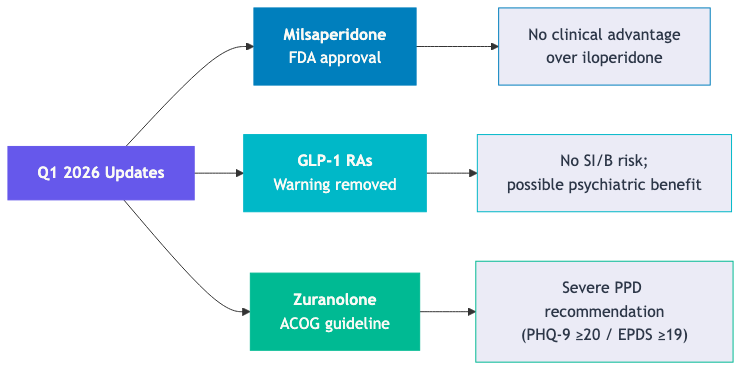
Q1 2026 brought two FDA actions and one clinical guideline update. The FDA approved milsaperidone and removed the suicidality warning from GLP-1 receptor agonists. The ACOG issued updated guidance positioning zuranolone as the oral option for severe postpartum depression, now that brexanolone has been withdrawn from the market.
- Milsaperidone: a “new” antipsychotic without a compelling clinical case
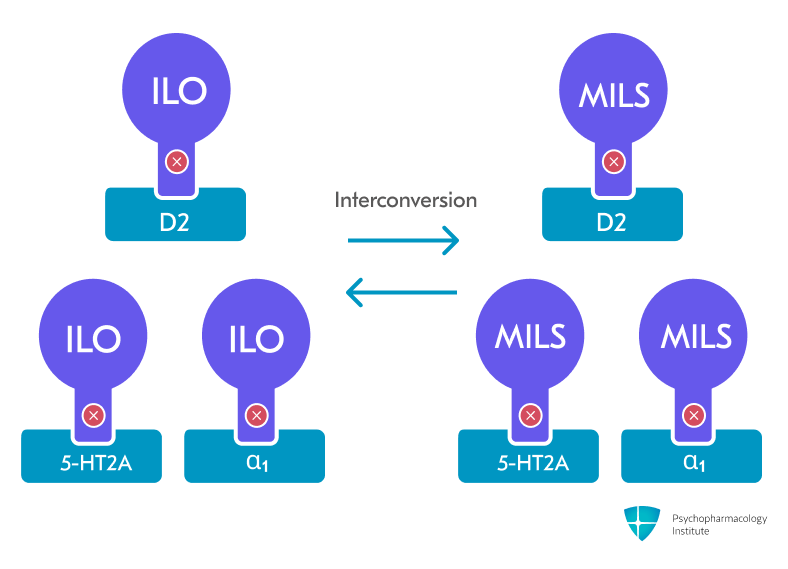
- Milsaperidone is an active metabolite of iloperidone; the two interconvert in vivo and share the same efficacy, safety, and tolerability profile
- There is no evidence-based clinical reason to prescribe milsaperidone over iloperidone as of March 2026
- GLP-1 RAs: reassure patients
- The suicidality warning originated from older weight-loss drugs, not from GLP-1 RA-specific data; it has now been removed
- The FDA’s review found no increased risk of suicidal ideation, anxiety, depression, or psychosis
- A 2026 national cohort study suggests semaglutide may reduce the worsening of depression, anxiety, and substance use disorder. RCTs are needed
- Zuranolone: ACOG’s updated guidance after brexanolone’s withdrawal
- With brexanolone no longer available, ACOG issued a 2026 Clinical Practice Update positioning zuranolone as the oral alternative for severe PPD (PHQ-9 ≥20 or EPDS ≥19)
- Practical requirements: 14-day course, once daily at bedtime with a fatty meal; patients must not care for their infant alone for 12 hours after each dose
- Limitations:
- No head-to-head data vs. SSRIs, SNRIs, or psychotherapy; efficacy data extend only to day 45
Milsaperidone (Bysanti) Approved for Schizophrenia and Bipolar Disorder
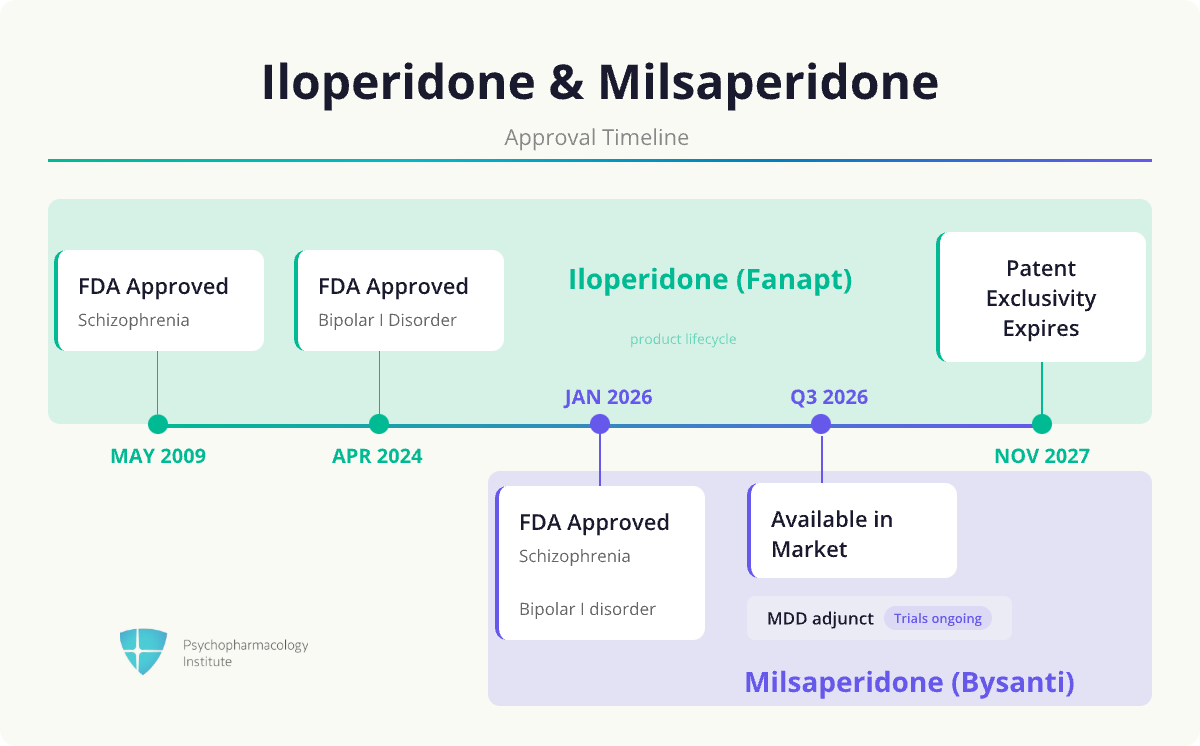
- The FDA approved Milsaperidone (Bysanti) in January 2026 for the treatment of schizophrenia in adults and bipolar I disorder mania and mixed mania [1]
- What is milsaperidone?
- Milsaperidone is an active metabolite of iloperidone
- It has the same pharmacodynamic properties as iloperidone
- Pharmacology
- Regulatory aspects: New chemical entity (NCE) [1, 4]
- Milsaperidone was granted NCE status: it borrows iloperidone’s entire clinical data package to establish efficacy while carrying independent patent protection through 2044
- Bioequivalent to iloperidone across the full therapeutic dose range
- Approved via the 505(b)(2) pathway: allows a new application to rely on existing clinical data from a previously approved drug, without running new efficacy trials
- The efficacy basis came entirely from iloperidone’s clinical program
- Vanda submitted pharmacokinetic bioequivalence data, not new Phase III trials
- Practical aspects
- Titration required:
- Iloperidone and milsaperidone require gradual titration over several days to mitigate orthostatic hypotension and syncope risk
- Twice-daily dosing
- Twice-daily dosing is a known adherence barrier in chronic psychiatric conditions [5]
- Titration required:
- Side effects
- Both drugs carry a risk of QTc prolongation.
- This places them among the higher-risk atypical antipsychotics for QTc, comparable to ziprasidone [6]
- Both drugs carry a risk of QTc prolongation.
- Commercial context
- Iloperidone patent exclusivity expires in November 2027; three manufacturers have already filed.
- Milsaperidone’s NCE designation extends Vanda’s commercial position ahead of iloperidone’s patent expiration in November 2027
- Patent protection runs through 2044, providing a protected asset for pipeline development
- In the pipeline [1]
- LAI formulation
- Milsaperidone’s physicochemical properties are amenable to lipid ester development for long-acting injectable (LAI) formulations
- Currently in preclinical/early development
- MDD as once-daily dosing
- Milsaperidone is currently being tested as a once-daily adjunctive treatment in treatment-resistant major depressive disorder
- The ongoing clinical study is expected to be completed by the end of 2026
- LAI formulation
- Should we prescribe milsaperidone over iloperidone?
- There is currently no evidence-based clinical reason for prescribing milsaperidone over iloperidone
- Milsaperidone carries the same efficacy, safety profile, and formulation aspects as iloperidone as of March 2026.
- Why is Vanda pursuing milsaperidone if it offers no current clinical advantage over iloperidone?
- Milsaperidone’s approval can be better characterized as a regulatory platform
- By establishing milsaperidone as a new chemical entity before iloperidone loses exclusivity, Vanda secures an IP runway for an LAI formulation and a once-daily MDD indication
- Both indications are technically feasible under iloperidone, but commercially unviable with only ~18 months of exclusivity remaining before generic entry
GLP-1 RA Suicidality Warning Removed
- In January 2026, the FDA requested that manufacturers remove the suicidal ideation and behavior (SI/B) warning from the labeling of GLP-1 receptor agonists [7]
- Affected products: Saxenda (liraglutide), Wegovy (semaglutide), and Zepbound (tirzepatide) [8]
- Implications:
- GLP-1 agonists no longer carry a suicidal ideation warning
- Patients can be reassured that the FDA found no increased risk of suicidal ideation and behavior after a comprehensive review of the available data
- Background
- The suicidal ideation and behavior (SI/B) warning had been included in the GLP-1 RA labeling at the time of original FDA approvals
- The warning was not based on GLP-1 RA-specific data
- It was carried over from postmarketing reports of SI/B observed with a variety of older medicines used or studied for weight loss
- A confounding factor: patients with obesity and diabetes carry elevated baseline rates of depression and anxiety [9]
- Earlier observational studies raising psychiatric concerns about GLP-1 RAs were likely affected by this underlying burden
- GLP-1 agonists approved for glycemic control in type 2 diabetes had never included this warning
- Regulatory history
- July 2023: FDA initiated an investigation after receiving postmarketing reports of SI/B in GLP-1 RA users
- January 2024: FDA issued a preliminary Drug Safety Communication; initial review did not find an association, but uncertainty remained due to small SI/B case numbers in individual trials
- January 2026: FDA completes comprehensive review and requests label removal
- What the FDA found
- No increased risk of: suicidal ideation and behavior, anxiety, depression, irritability, or psychosis
- Methods:
- Meta-analysis of 91 placebo-controlled trials, including 107,910 patients (60,338 on a GLP-1 RA; 47,572 on placebo)
- Retrospective cohort study using healthcare claims data comparing intentional self-harm risk between GLP-1 RA users and SGLT2 inhibitor users
- Review of published observational and pooled studies
- Emerging evidence: potential psychiatric benefits
- A 2026 national cohort study goes further than ruling out harm [9]
- Key findings:
- Semaglutide was associated with a 42% lower risk of worsening mental illness and liraglutide with an 18% lower risk, compared with non-use periods in the same individuals
- Semaglutide was specifically associated with reduced worsening of depression , anxiety, and substance use disorder
- Causality cannot be established from observational data; randomized controlled trials are needed to confirm these findings
- Key findings:
- A 2026 national cohort study goes further than ruling out harm [9]
- Implications of the full evidence base
- The available data do not support earlier concerns about GLP-1 RAs worsening psychiatric outcomes
- Semaglutide may have meaningful benefits for mood and anxiety in patients with comorbid diabetes or obesity
- This raises the possibility of genuine psychiatric benefit, pending confirmation from randomized controlled trials
Zuranolone for Severe PPD: ACOG’s 2026 Clinical Practice Update
- In January 2026, the American College of Obstetricians and Gynecologists (ACOG) issued a Clinical Practice Update on zuranolone (Zurzuvae)
- Recommendation: [10]
- Consider zuranolone for severe postpartum depression
- Onset: third trimester or within 4 weeks postpartum
- Eligibility window: within 12 months of delivery
- Consider zuranolone for severe postpartum depression
- On the severity recommendation
- The zuranolone prescribing information carries no severity qualifier
- ACOG’s restriction to severe PPD reflects trial design: pivotal trials required HAMD-17 >26 (consistent with severe disease)
- Efficacy in milder presentations is unestablished
- Clinical threshold: PHQ-9 ≥20 or EPDS ≥19
- Pharmacology
- Zuranolone is a synthetic neuroactive steroid and positive allosteric modulator (PAM) of GABA-A receptors [11]
- It shares its mechanism of action with brexanolone (Zulresso), which was the IV predecessor
- Zuranolone evidence limitations [12, 13]
- No head-to-head data against SSRIs, SNRIs, or psychotherapy
- Comparative effectiveness vs. the standard of care is unknown
- Efficacy data extend only to day 45 (4 weeks post-treatment); no data beyond that window
- No head-to-head data against SSRIs, SNRIs, or psychotherapy
- FDA Approval, Scheduling, and the Brexanolone Exit
- Zuranolone (Zurzuvae) received FDA approval in August 2023 for postpartum depression in adults
- Schedule IV controlled substance
- The FDA identified benzodiazepine-like reinforcing effects, dose-dependent euphoric effects, and biochemical similarity to barbiturates
- Brexanolone (Zulresso): first FDA-approved treatment specifically for PPD (2019), sharing zuranolone’s GABA-A PAM mechanism [14]
- Required a 60-hour continuous inpatient IV infusion under a REMS program
- Complex logistics and high cost severely limited real-world access
- Sage Therapeutics withdrew FDA approval on April 14, 2025, pivoting toward zuranolone as the oral successor
- Practical aspects [15]
- 14-day treatment course, not continuous chronic therapy
- Once-daily dosing at bedtime with a fatty meal (400–1,000 kcal, 25–50% fat)
- Can be used as monotherapy or adjunct to stable SSRI/SNRI therapy
- Side effects
- CNS depression: somnolence, dizziness, confusion. Most clinically significant adverse effects
- Patients should not care for their infant alone (feeding, changing, bathing) for 12 hours post-dose
- Embryo-fetal toxicity: effective contraception required during the 14-day course and for 1 week after the final dose
References
1. Vanda Pharmaceuticals Inc. (2026). Vanda Pharmaceuticals Announces FDA Approval of BYSANTI™ (milsaperidone) for the Treatment of Bipolar I Disorder and Schizophrenia — A New Chemical Entity Opening New Horizons in Psychiatric Innovation.
2. Vanda Pharmaceuticals Inc. (2026). BYSANTI (milsaperidone) Tablets Prescribing Information.
3. Vanda Pharmaceuticals Inc. (2026). FANAPT (iloperidone) Tablets Prescribing Information.
4. U.S. Food and Drug Administration. (n.d.). 21 CFR § 314.108 — New Drug Product Exclusivity. Retrieved March 22, 2026, from.
5. Medic, G., Higashi, K., Littlewood, K. J., Diez, T., Granström, O., & Kahn, R. S. (2013). Dosing Frequency and Adherence in Chronic Psychiatric Disease: Systematic Review and Meta-Analysis. Neuropsychiatric Disease and Treatment, 9, 119–131.
6. Woosley, R. L., Romero, K. A., Gallo, T., Woosley, J., & Darpo, B. (2013). A Thorough QTc Study of 3 Doses of Iloperidone Including Metabolic Inhibition via CYP2D6 and/or CYP3A4 and a Comparison to Quetiapine and Ziprasidone. Journal of Clinical Pharmacology, 53(3), 289–295.
7. U.S. Food and Drug Administration. (2026). FDA Requests Removal of Suicidal Behavior and Ideation Warning from Glucagon-Like Peptide-1 Receptor Agonist (GLP-1 RA) Medications.
8. Novo Nordisk. (2026). SAXENDA (liraglutide) Prescribing Information.
9. Taipale, H., Taylor, M., Lähteenvuo, M., Mittendorfer-Rutz, E., Tanskanen, A., & Tiihonen, J. (2026). Association between GLP-1 receptor agonist use and worsening mental illness in people with depression and anxiety in sweden: A national cohort study. The Lancet Psychiatry, 13, 119–131.
10. Moore Simas, T. A., Hoffman, M. C., Roussos-Ross, K., Miller, E. S., Gandhi, M., & Shields, A. (2026). Zuranolone and Brexanolone for the Treatment of Postpartum Depression. Obstetrics & Gynecology, 147(1), e24–e28.
11. Sharma, R., Bansal, P., Saini, L., Sharma, N., & Dhingra, R. (2024). Zuranolone, a Neuroactive Drug, Used in the Treatment of Postpartum Depression by Modulation of GABA(A) Receptors. Pharmacology, Biochemistry, and Behavior, 238, 173734.
12. Deligiannidis, K. M., Meltzer-Brody, S., Maximos, B., Peeper, E. Q., Freeman, M., Lasser, R., Bullock, A., Kotecha, M., Li, S., Forrestal, F., Rana, N., Garcia, M., Leclair, B., & Doherty, J. (2023). Zuranolone for the Treatment of Postpartum Depression. The American Journal of Psychiatry, 180(9), 668–675.
13. Deligiannidis, K. M., Meltzer-Brody, S., Gunduz-Bruce, H., Doherty, J., Jonas, J., Li, S., Sankoh, A. J., Silber, C., Campbell, A. D., Werneburg, B., Kanes, S. J., & Lasser, R. (2021). Effect of Zuranolone vs Placebo in Postpartum Depression: A Randomized Clinical Trial. JAMA Psychiatry, 78(9), 951–959.
14. Sage Therapeutics, Inc. (2025). Withdrawal of Approval of a New Drug Application for Zulresso (Brexanolone) Solution, 100 Milligrams/20 Milliliters.
15. Biogen MA Inc. (2026). ZURZUVAE (zuranolone) Capsules Prescribing Information.
