Close Banner
Section Free  - Video Lectures

07. Pregnancy, ADHD, and Stimulants: Making an Informed Choice

Published on January 1, 2025 Certification expiration date: January 1, 2028

Amanda Koire, M.D.

Attending Psychiatrist - Brigham and Women's Hospital

Key Points

  • Understanding the severity of untreated ADHD is crucial for an informed discussion about continuing stimulants during pregnancy.
  • While methylphenidate may have a small increased risk of cardiac malformations, this is not observed for amphetamine and dextroamphetamine.
  • Recent studies are reassuring regarding stimulant exposure during pregnancy, without consistently demonstrating increased risk of adverse outcomes or neurodevelopmental disorders.

Free Downloads for Offline Access

  • Free Download PDF File
  • Free Download Audio File (MP3)
  • Free Download Video (MP4)

Slides and Transcript

Slide 1 of 8

Let’s now discuss a clinical case of ADHD management in pregnancy.

Slide 2 of 8

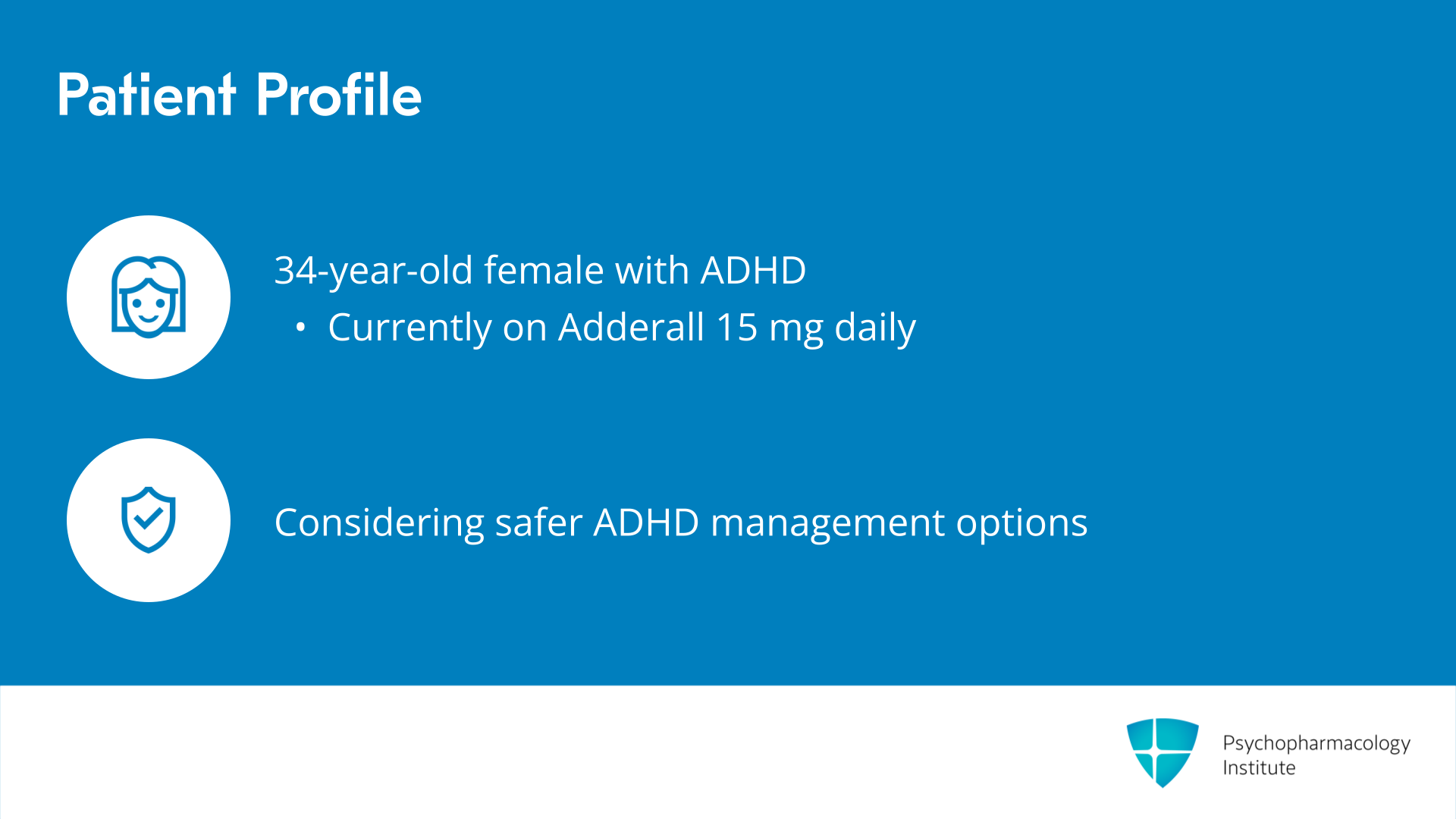
Ms. D is a 34-year-old female with a diagnosis of ADHD who is planning pregnancy and inquires about the safety of continuing Adderall 15 mg daily. She wonders whether there are safer options for management of ADHD.
Free Files
Success!
Check your inbox, we sent you all the materials there.

Slide 3 of 8

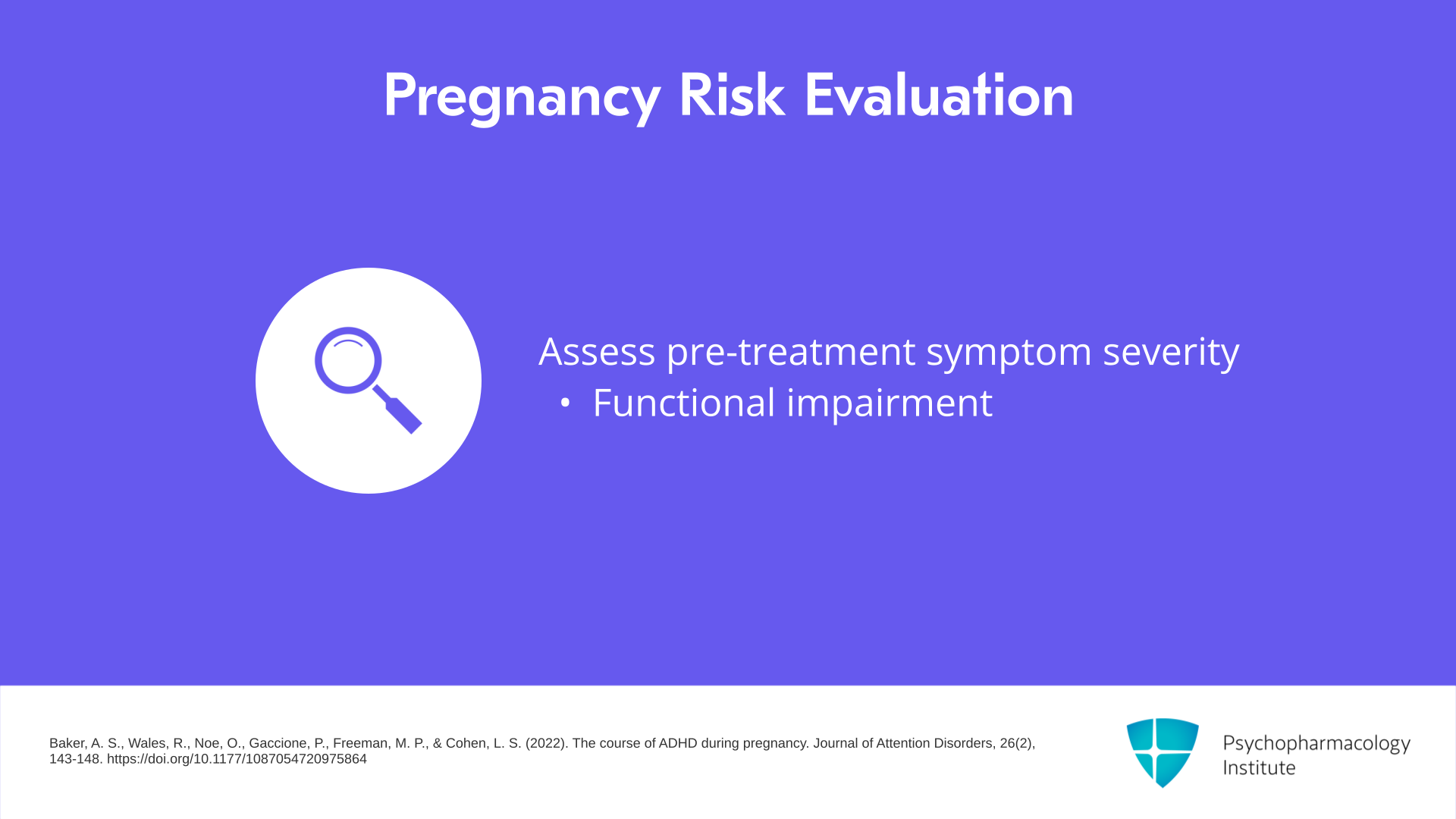
What are the questions we would want to ask to guide our risk versus risk discussion? What are the risks of stimulants during pregnancy? And what are the risks of untreated ADHD during pregnancy? So the first thing that we would want to ask and understand in this case is, what is the severity of her symptoms and her functional impairment prior to treatment?
References:
  • Baker, A. S., Wales, R., Noe, O., Gaccione, P., Freeman, M. P., & Cohen, L. S. (2022). The course of ADHD during pregnancy. Journal of Attention Disorders, 26(2), 143-148. https://doi.org/10.1177/1087054720975864

Slide 4 of 8

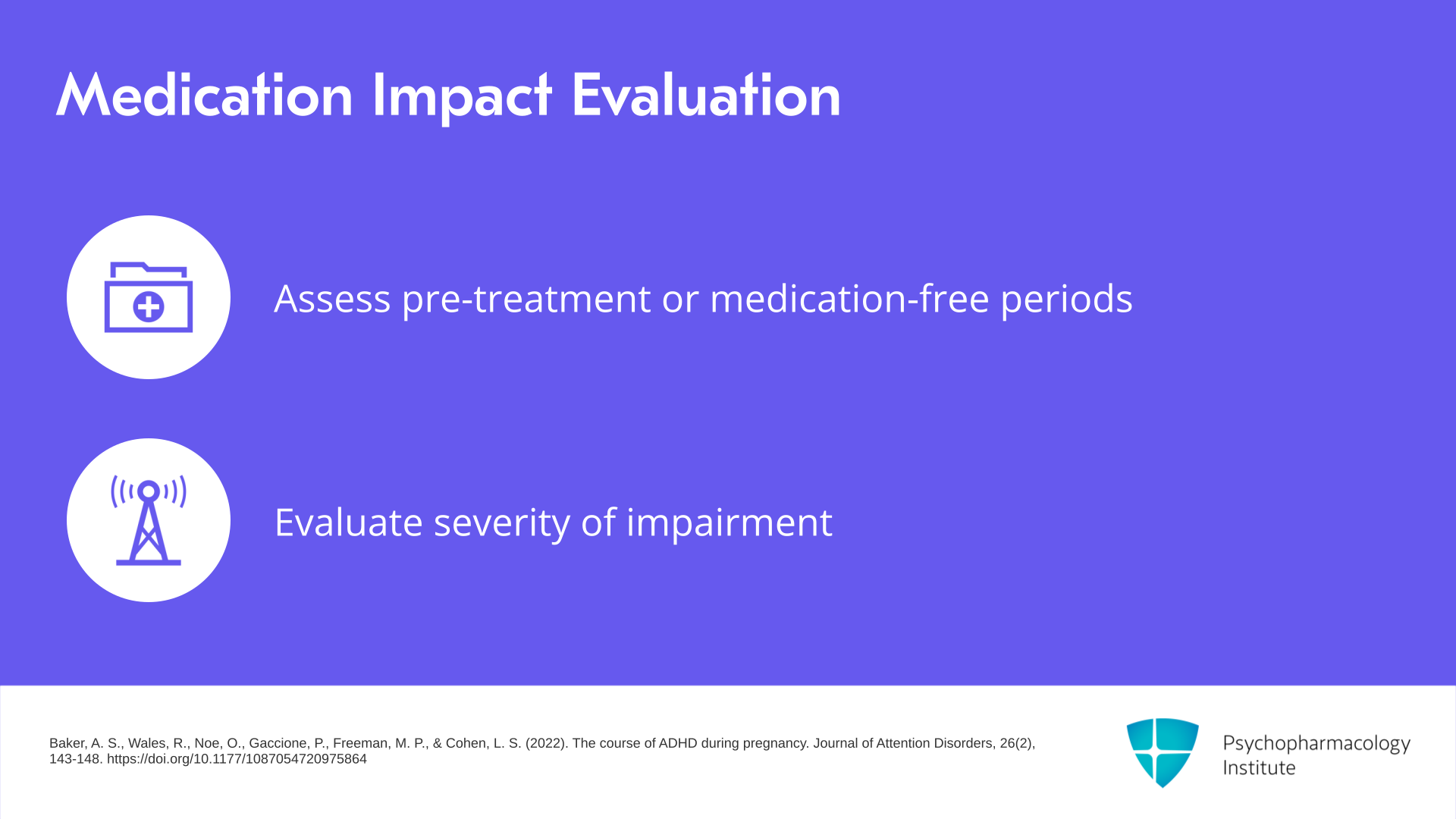
Like before she was ever treated with stimulants or if there have been cases in the past, or if there have been times in the past where her medications have been stopped for other reasons. If it was a mild inconvenience, that might guide your discussion one way. If it led to severe impairment where she was having accidents or at risk of losing her job or experiencing major social impairment, that may guide your discussion a different direction.
References:
  • Baker, A. S., Wales, R., Noe, O., Gaccione, P., Freeman, M. P., & Cohen, L. S. (2022). The course of ADHD during pregnancy. Journal of Attention Disorders, 26(2), 143-148. https://doi.org/10.1177/1087054720975864
Free Files
Success!
Check your inbox, we sent you all the materials there.

Slide 5 of 8

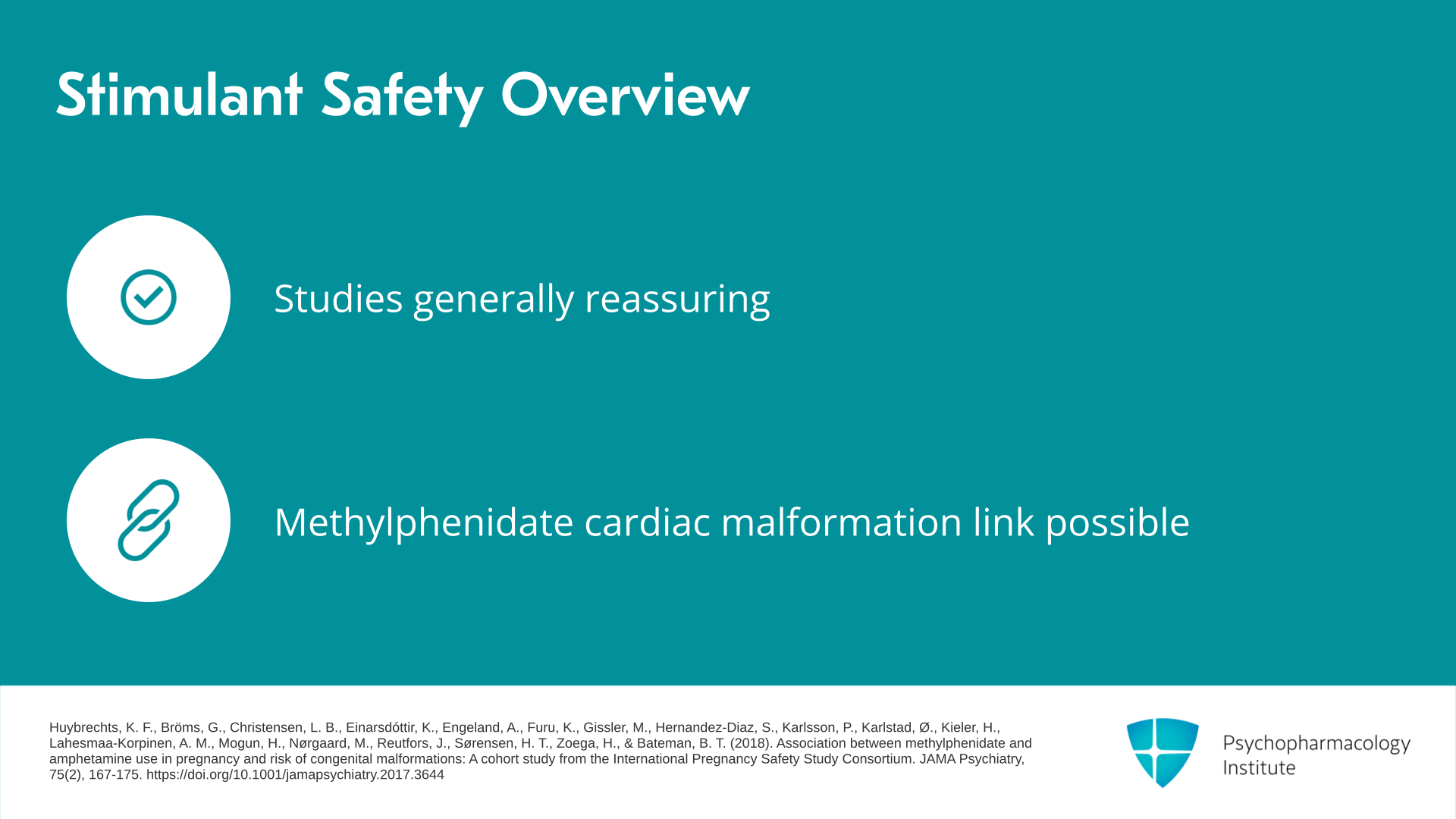
When we look at these risks, most studies are reassuring regarding stimulant exposure during pregnancy without a consistent increased risk of adverse outcomes. There have been many new studies published just in the last few years that have been very reassuring in this regard. There remains a potential association between methylphenidate and cardiac malformations though this appears to be a very low risk if it exists and is still confounded by other variables. The data here is not strong enough for me to recommend switching from one type of stimulant to another during pregnancy especially if one regimen has been previously stable.
References:
  • Huybrechts, K. F., Bröms, G., Christensen, L. B., Einarsdóttir, K., Engeland, A., Furu, K., Gissler, M., Hernandez-Diaz, S., Karlsson, P., Karlstad, Ø., Kieler, H., Lahesmaa-Korpinen, A. M., Mogun, H., Nørgaard, M., Reutfors, J., Sørensen, H. T., Zoega, H., & Bateman, B. T. (2018). Association between methylphenidate and amphetamine use in pregnancy and risk of congenital malformations: A cohort study from the International Pregnancy Safety Study Consortium. JAMA Psychiatry, 75(2), 167-175. https://doi.org/10.1001/jamapsychiatry.2017.3644

Slide 6 of 8

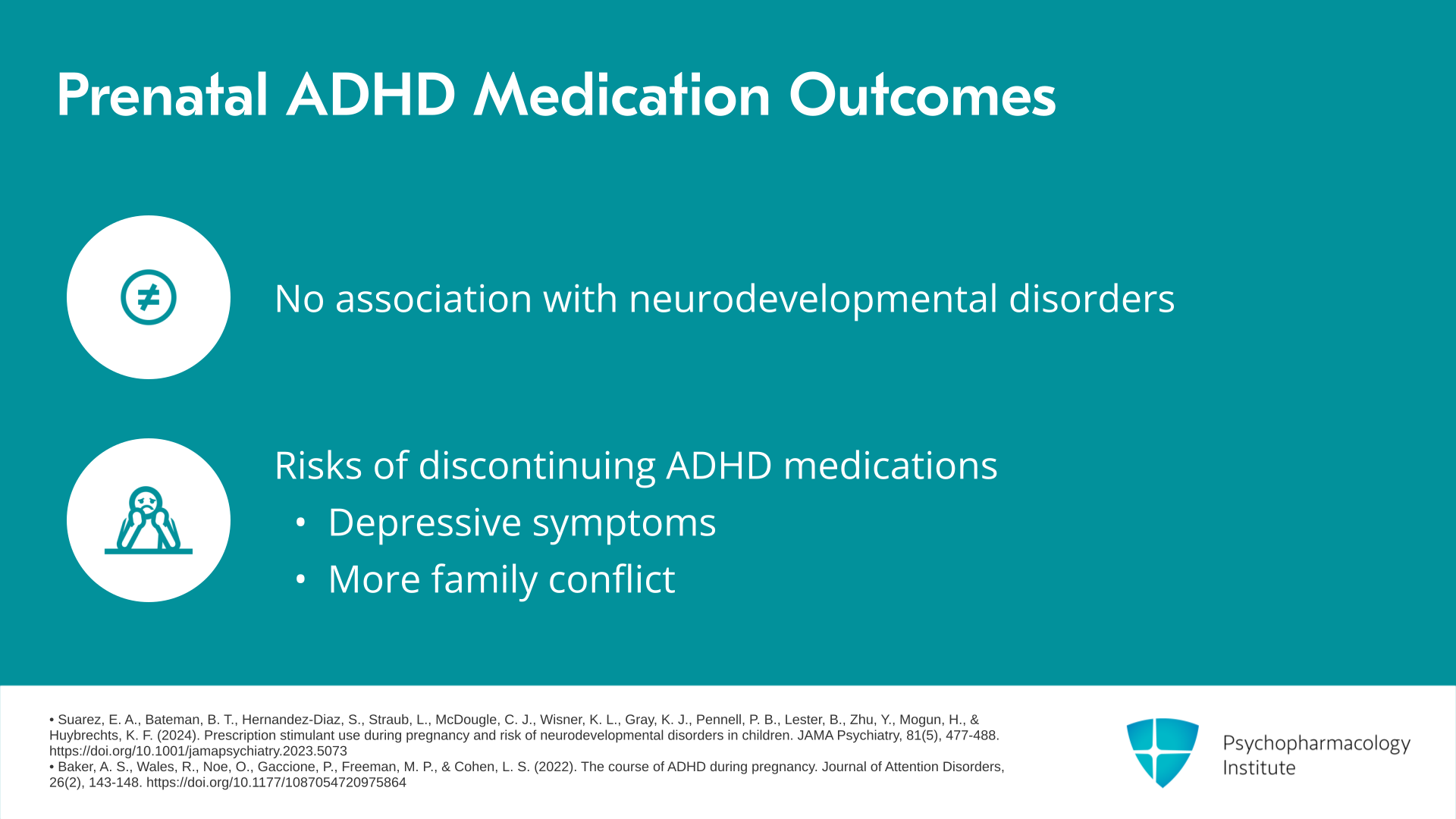
Long-term neurodevelopmental outcomes with amphetamine, dextroamphetamine and methylphenidate exposures during pregnancy have not shown an association with autism, ADHD or other neurodevelopmental disorders in children. With that in mind, there are risks of discontinuing ADHD medications, those that we discussed, and also an increased risk for depressive symptoms and more family conflict.
References:
  • Baker, A. S., Wales, R., Noe, O., Gaccione, P., Freeman, M. P., & Cohen, L. S. (2022). The course of ADHD during pregnancy. Journal of Attention Disorders, 26(2), 143-148. https://doi.org/10.1177/1087054720975864
  • Suarez, E. A., Bateman, B. T., Hernandez-Diaz, S., Straub, L., McDougle, C. J., Wisner, K. L., Gray, K. J., Pennell, P. B., Lester, B., Zhu, Y., Mogun, H., & Huybrechts, K. F. (2024). Prescription stimulant use during pregnancy and risk of neurodevelopmental disorders in children. JAMA Psychiatry, 81(5), 477-488. https://doi.org/10.1001/jamapsychiatry.2023.5073
Free Files
Success!
Check your inbox, we sent you all the materials there.

Slide 7 of 8

To wrap up, here are some key points for this section. Understanding the severity of a patient’s untreated ADHD is crucial for an informed discussion about whether to continue stimulants in pregnancy. While there may be a small increased risk of cardiac malformations secondary to methylphenidate exposure in pregnancy, that is not observed for amphetamine and dextroamphetamine. These studies are inconclusive.

Slide 8 of 8

Long-term neurodevelopmental outcomes for children exposed to stimulants in utero are reassuring.
Free Files
Success!
Check your inbox, we sent you all the materials there.

Learning Objectives:

After completing this activity, the learner will be able to:

  1. Describe the prevalence and barriers to treatment of perinatal mental health conditions.
  2. Explain how pregnancy affects medication efficacy through physiological changes and recognize when dose adjustments may be needed for common psychiatric medications
  3. Evaluate and discuss the risks and benefits of continuing versus discontinuing psychiatric medications during pregnancy, incorporating evidence-based data to inform shared decision-making with patients

Original Release Date: January 1, 2025

Expiration Date: January 1, 2028

Expert: Amanda Koire, M.D.

Medical Editor: Flavio Guzmán, M.D. 

Relevant Financial Disclosures: 

None of the faculty, planners, and reviewers for this educational activity have relevant financial relationships to disclose during the last 24 months with ineligible companies whose primary business is producing, marketing, selling, re-selling, or distributing healthcare products used by or on patients.

Contact Information: For questions regarding the content or access to this activity, contact us at support@psychopharmacologyinstitute.com

Instructions for Participation and Credit:

Participants must complete the activity online during the valid credit period that is noted above.

Follow these steps to earn CME credit:

  1. View the required educational content provided on this course page.

  2. Complete the Post Activity Evaluation for providing the necessary feedback for continuing accreditation purposes and for the development of future activities. NOTE: Completing the Post Activity Evaluation after the quiz is required to receive the earned credit.

  3. Download your certificate.

Accreditation Statement

This activity has been planned and implemented in accordance with the accreditation requirements and policies of the Accreditation Council for Continuing Medical Education through the joint providership of Medical Academy LLC and the Psychopharmacology Institute. Medical Academy is accredited by the ACCME to provide continuing medical education for physicians.

Credit Designation Statement

Medical Academy designates this enduring activity for a maximum of 0.5 AMA PRA Category 1 credit(s)™. Physicians should claim only the credit commensurate with the extent of their participation in the activity.

Free Files
Success!
Check your inbox, we sent you all the materials there.
Continue in the website
Instant access modal

Become a Bronze, Silver, Gold, Bronze extended, Silver extended or Gold extended Member.

2025–26 Psychopharmacology CME Program

Unlock up to 155 CME Credits, including 40 SA CME Credits.