Close Banner
Free Section  - Video Lectures

06. Managing the Vasomotor Symptoms (VNS) of Menopause: Evidence for SSRIs, SNRIs, and CBT

Published on October 1, 2025 Certification expiration date: October 1, 2028

Katie Unverferth, M.D.

Assistant Clinical Professor of Psychiatry - U.C.L.A.

Key Points

  • Paroxetine, escitalopram, citalopram, venlafaxine and desvenlafaxine demonstrate mild to moderate improvement in vasomotor symptoms with strong RCT evidence.
  • For vasomotor symptoms, low-dose paroxetine 7.5 mg (Brisdelle) is FDA approved and shows improvement in sleep quality without affecting libido or weight.
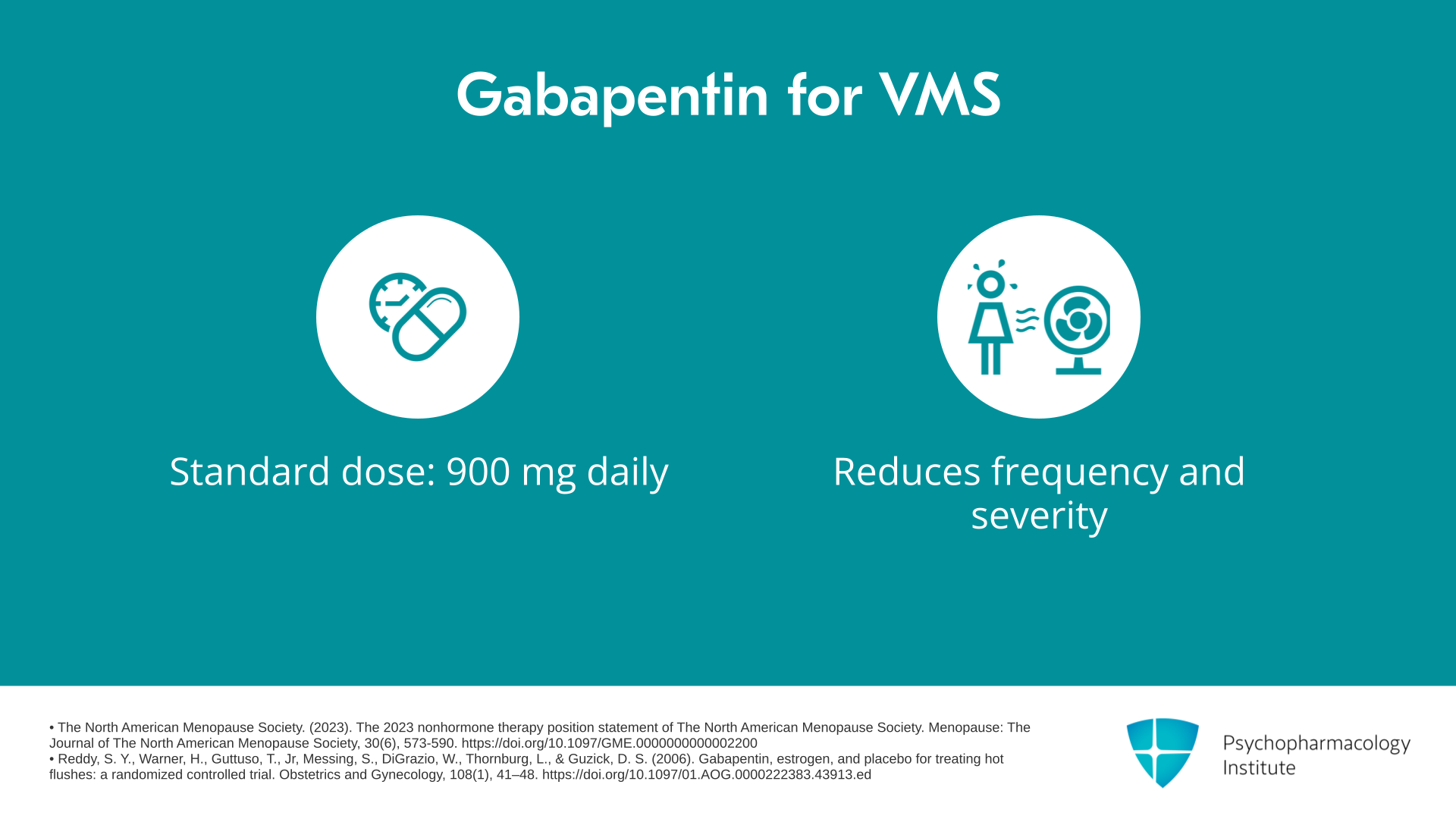
  • Gabapentin 900mg daily (300mg TID) can reduce frequency and severity of vasomotor symptoms.

Free Downloads for Offline Access

  • Free Download PDF File
  • Free Download Audio File (MP3)
  • Free Download Video (MP4)

Slides and Transcript
Slide 1 of 20

Managing the Vasomotor Symptoms of Menopause.

Slide 2 of 20

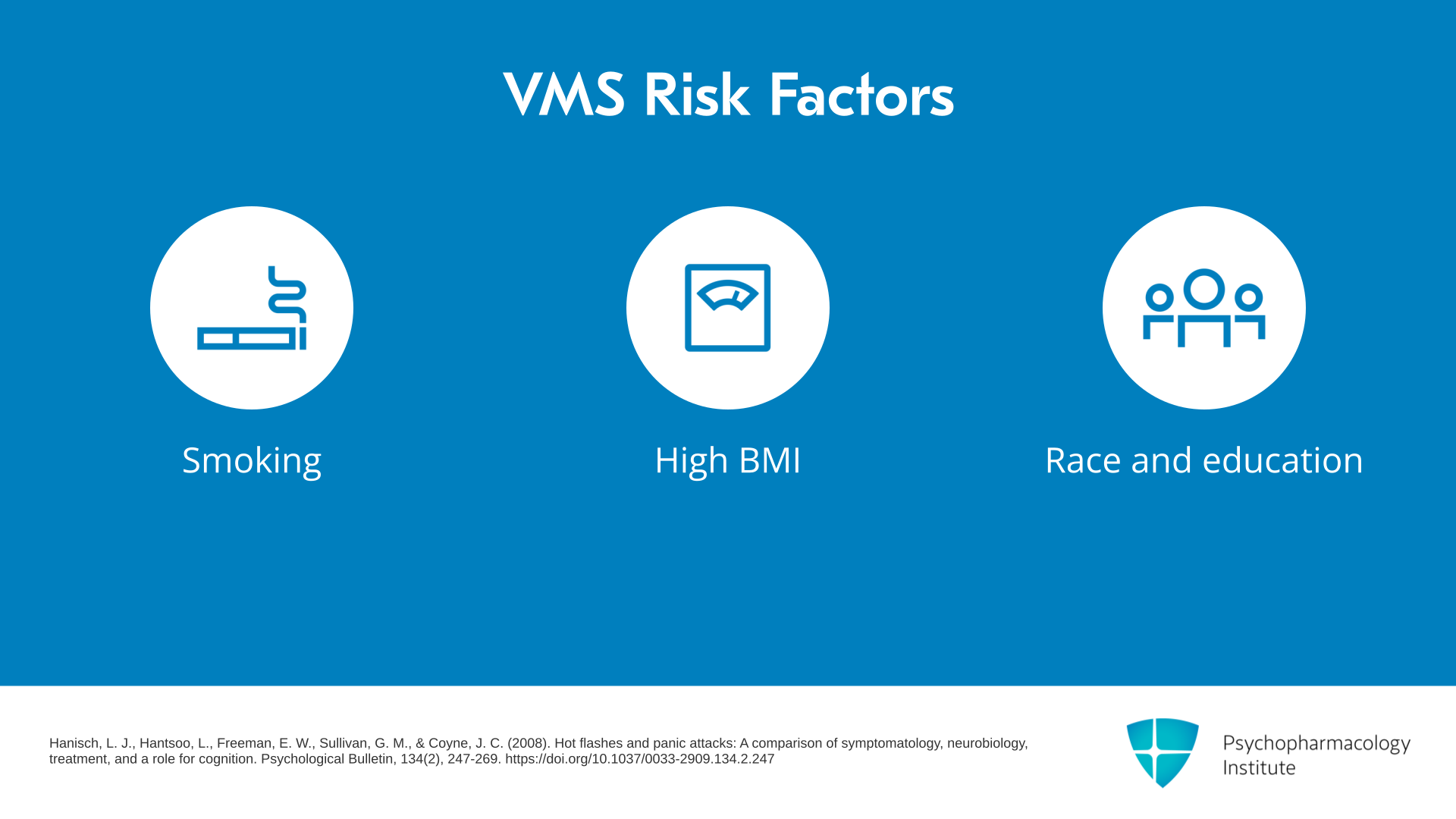
So first, let’s discuss vasomotor symptoms risk factors. The main risk factors are smoking, high BMI, the race specific differences and lower education. With smoking, it seems that smoking cigarettes or nicotine increases the frequency, severity and bother of hot flashes. BMI also increases the frequency, severity and bother of hot flashes.
References:
  • Hanisch, L. J., Hantsoo, L., Freeman, E. W., Sullivan, G. M., & Coyne, J. C. (2008). Hot flashes and panic attacks: A comparison of symptomatology, neurobiology, treatment, and a role for cognition. Psychological Bulletin, 134(2), 247-269. https://doi.org/10.1037/0033-2909.134.2.247
Free Files
Success!
Check your inbox, we sent you all the materials there.
Slide 3 of 20

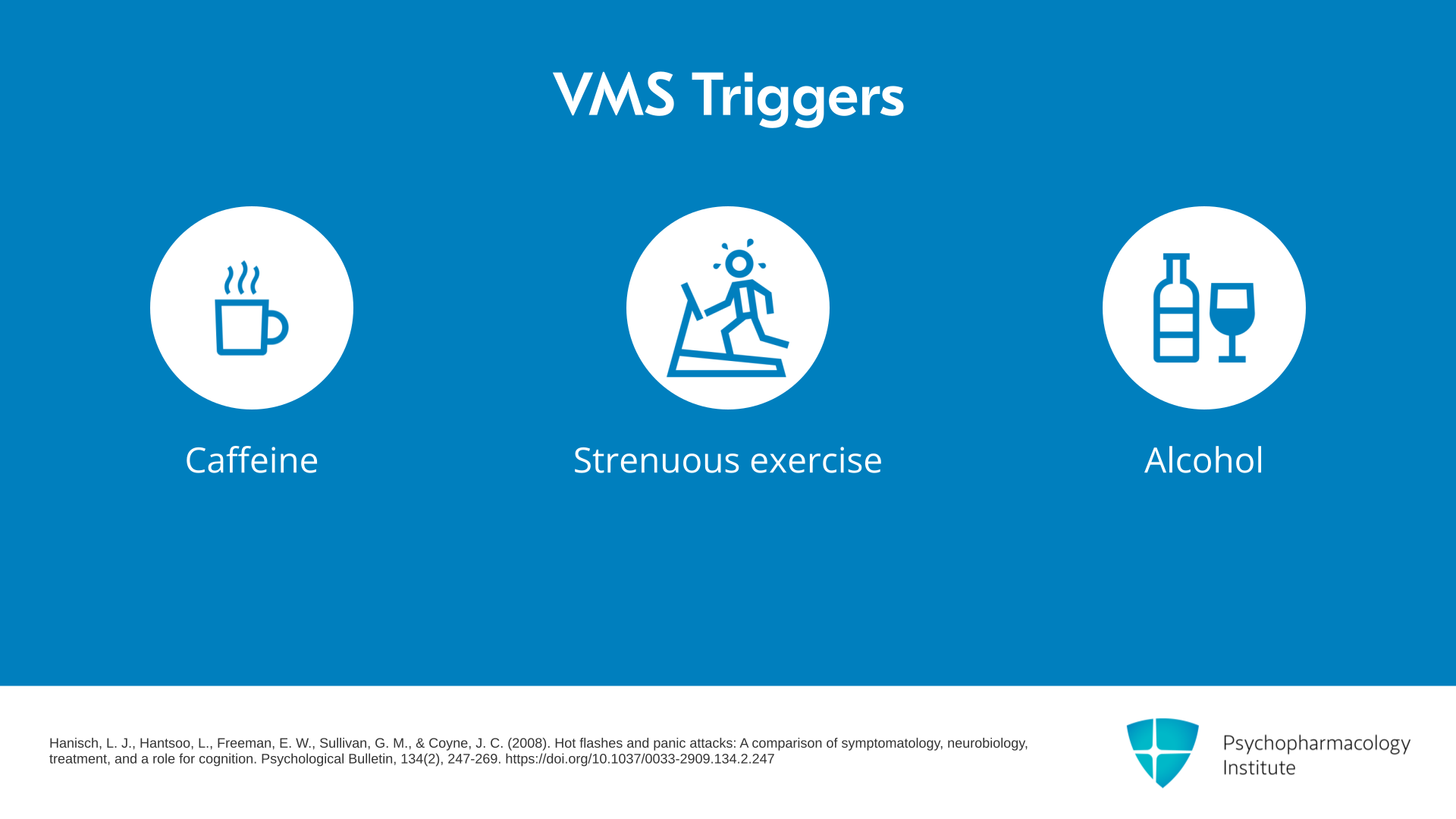
VMS triggers are variable. Caffeine increases the risk. Strenuous exercise increases the risk. Alcohol consumption increases the risk. Stress, anxiety and strong positive emotions all can be triggers for vasomotor symptoms.
References:
  • Hanisch, L. J., Hantsoo, L., Freeman, E. W., Sullivan, G. M., & Coyne, J. C. (2008). Hot flashes and panic attacks: A comparison of symptomatology, neurobiology, treatment, and a role for cognition. Psychological Bulletin, 134(2), 247-269. https://doi.org/10.1037/0033-2909.134.2.247

Slide 4 of 20

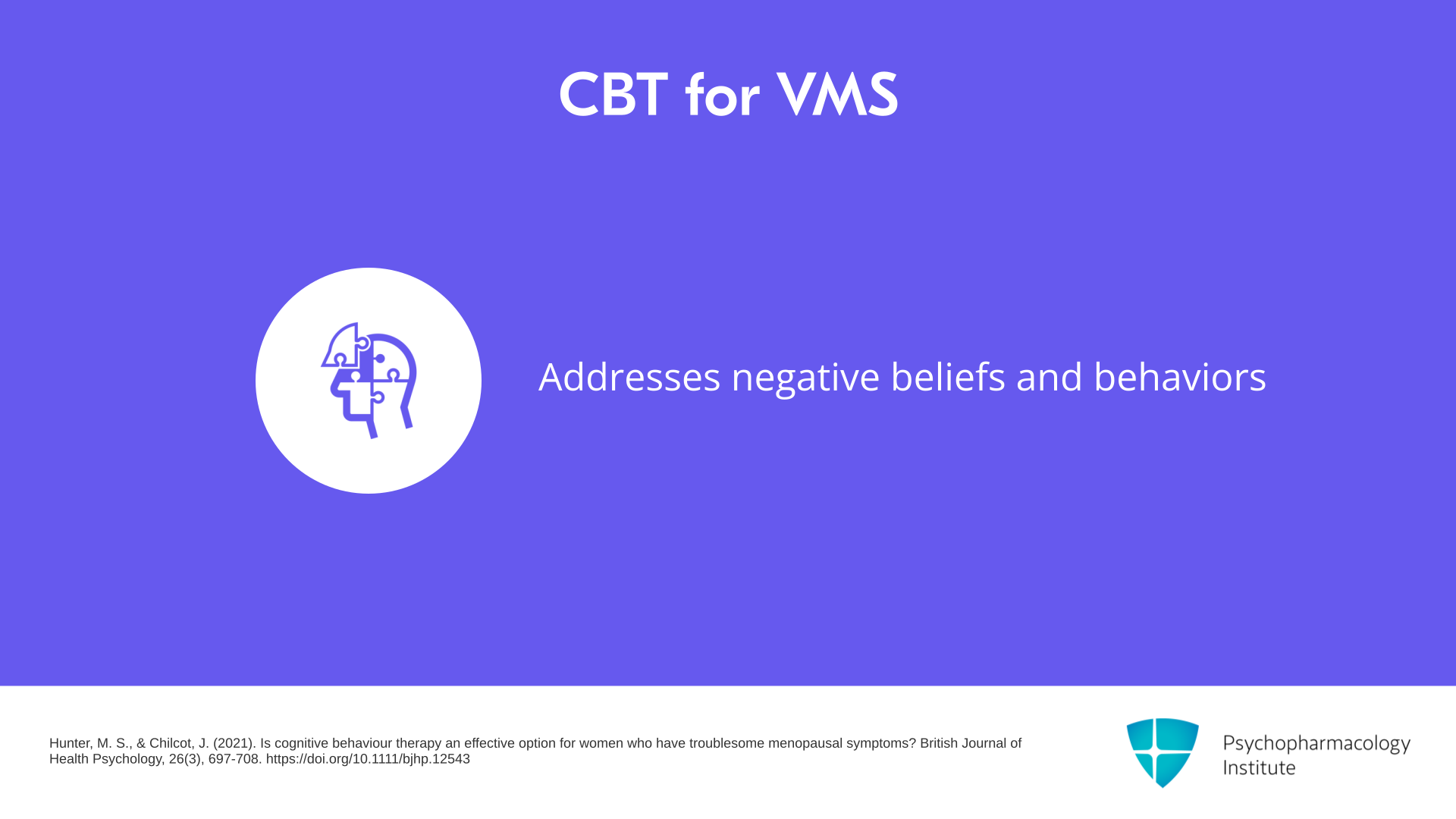
Cognitive behavioral therapy for vasomotor symptoms may have a role in treating VMS. What we know is that cognitive behavioral therapy helps address negative beliefs and behaviors that might contribute to the distress related to vasomotor symptoms and the frequency of vasomotor symptoms.
References:
  • Hunter, M. S., & Chilcot, J. (2021). Is cognitive behaviour therapy an effective option for women who have troublesome menopausal symptoms? British Journal of Health Psychology, 26(3), 697-708. https://doi.org/10.1111/bjhp.12543
Free Files
Success!
Check your inbox, we sent you all the materials there.
Slide 5 of 20

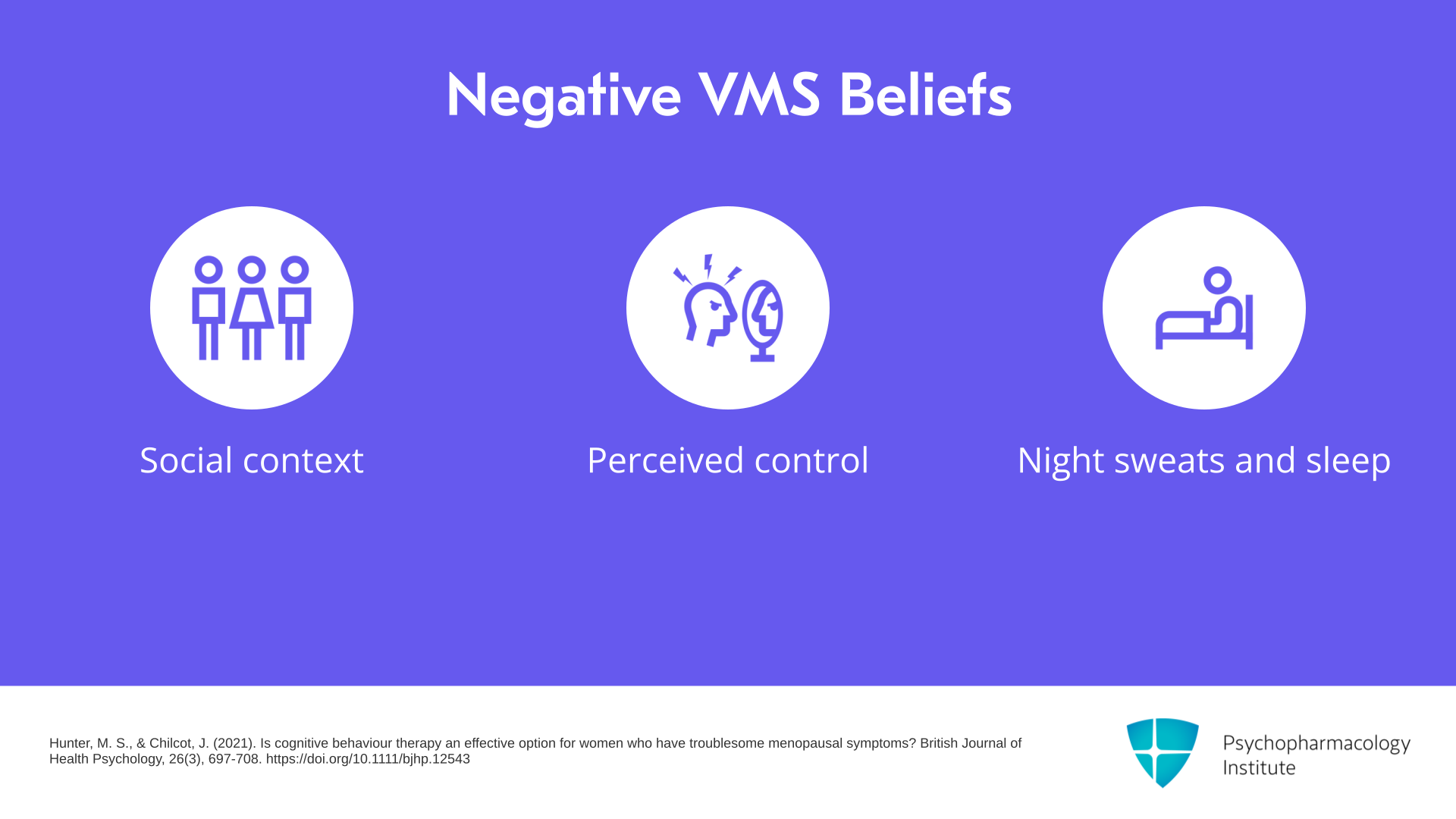
There are three main types of negative beliefs and appraisals of vasomotor symptoms just to give you a sense. There are beliefs about hot flashes in a social context. So an example might be they are embarrassing and shameful. There are beliefs about perceived control over hot flashes such as they will never end, I can’t cope. And there are beliefs about night sweats and sleep. If I wake up, I’ll never get back to sleep or if I have night sweats, I’ll feel terrible the next day.
References:
  • Hunter, M. S., & Chilcot, J. (2021). Is cognitive behaviour therapy an effective option for women who have troublesome menopausal symptoms? British Journal of Health Psychology, 26(3), 697-708. https://doi.org/10.1111/bjhp.12543

Slide 6 of 20

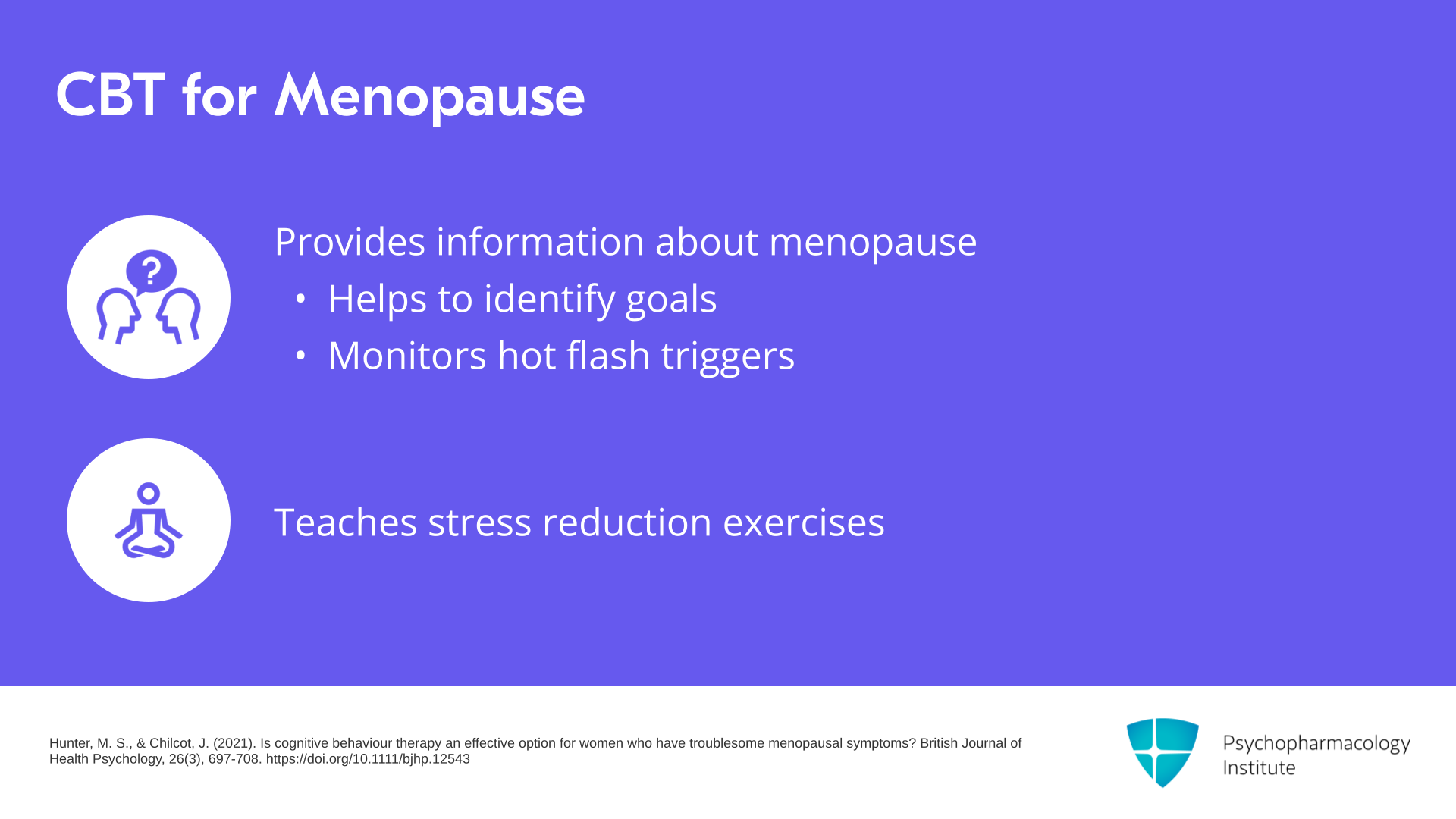
What CBT does is it provides information about menopause and vasomotor symptoms with a physiologic explanation, and introduction to the CBT model. It helps individuals identify goals. It monitors and modifies hot flash triggers or precipitants, and it uses CBT to reduce stress, improve well-being and teaches grounding and anxiety-reducing exercises, like diaphragmatic breathing.
References:
  • Hunter, M. S., & Chilcot, J. (2021). Is cognitive behaviour therapy an effective option for women who have troublesome menopausal symptoms? British Journal of Health Psychology, 26(3), 697-708. https://doi.org/10.1111/bjhp.12543
Free Files
Success!
Check your inbox, we sent you all the materials there.
Slide 7 of 20

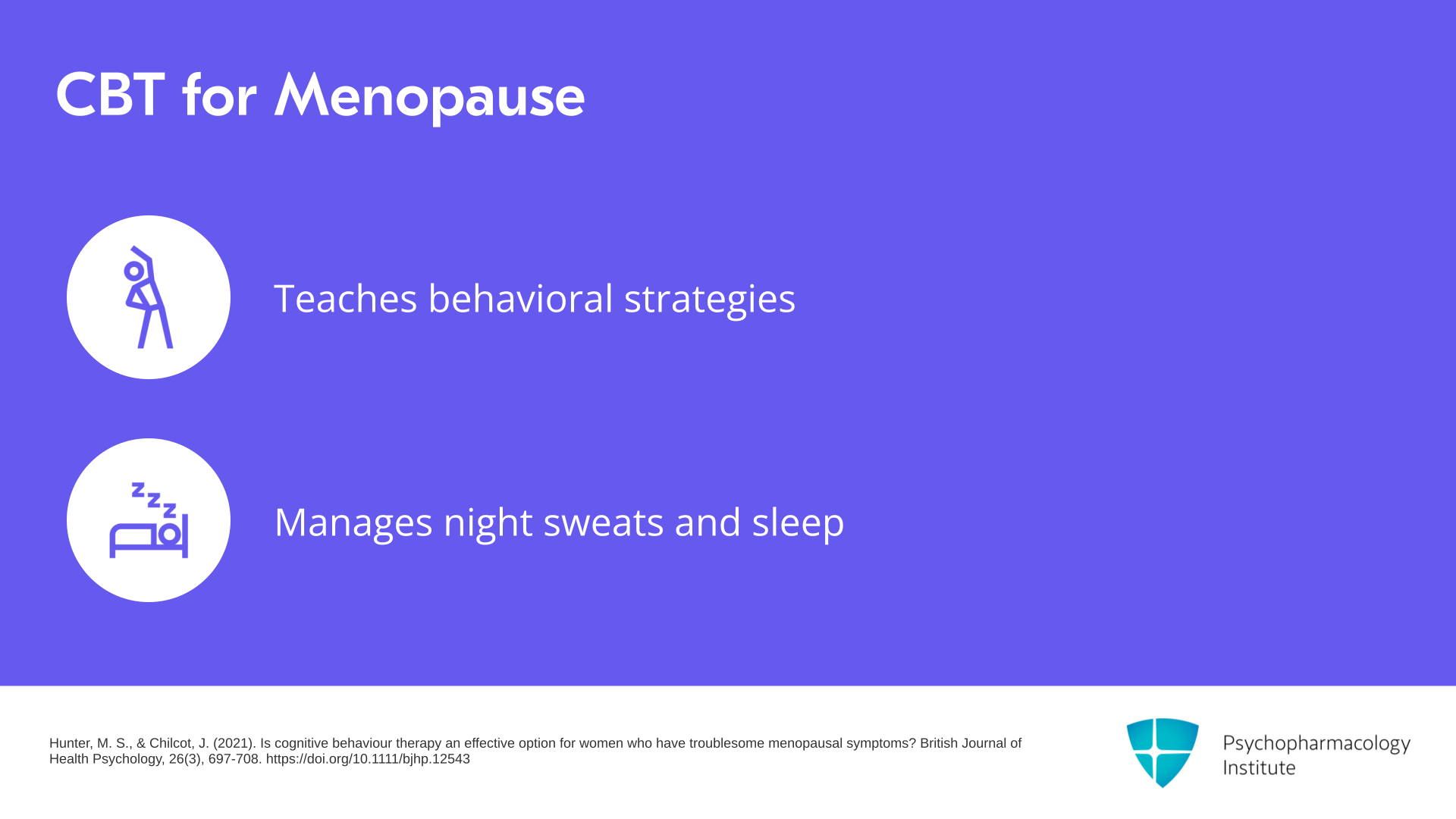
It explores the impact of unhelpful cognitions relating to menopause, aging, and vasomotor symptoms and encourages support of alternatives. It encourages helpful behavioral strategies, for example, reducing avoidance and pacing activities. And it gives information on CBT strategies for managing night sweats and sleep.
References:
  • Hunter, M. S., & Chilcot, J. (2021). Is cognitive behaviour therapy an effective option for women who have troublesome menopausal symptoms? British Journal of Health Psychology, 26(3), 697-708. https://doi.org/10.1111/bjhp.12543

Slide 8 of 20

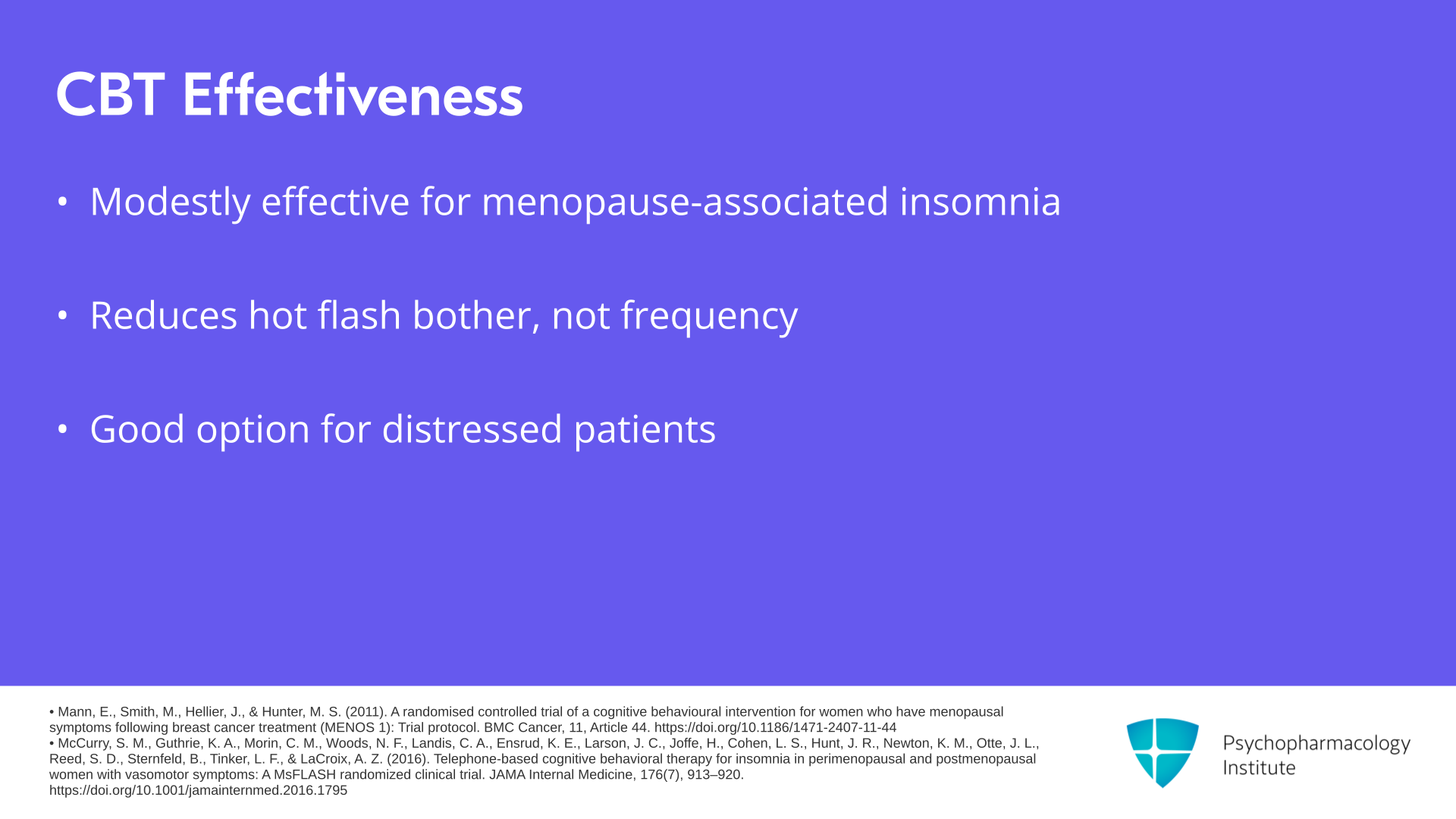
CBT appears to be a modestly effective intervention for menopause-associated insomnia but less so for hot flashes. Two randomized trials of intensive group or self-help CBT in breast cancer survivors and peri- and postmenopausal women without breast cancer demonstrated a significant reduction of bother related to hot flashes. However, there was no reduction in hot flash frequency. So CBT for vasomotor symptoms might be a good option for someone who’s very distressed by the hot flashes though it doesn’t necessarily treat the hot flashes themselves.
References:
  • Mann, E., Smith, M., Hellier, J., & Hunter, M. S. (2011). A randomised controlled trial of a cognitive behavioural intervention for women who have menopausal symptoms following breast cancer treatment (MENOS 1): Trial protocol. BMC Cancer, 11, Article 44. https://doi.org/10.1186/1471-2407-11-44
  • McCurry, S. M., Guthrie, K. A., Morin, C. M., Woods, N. F., Landis, C. A., Ensrud, K. E., Larson, J. C., Joffe, H., Cohen, L. S., Hunt, J. R., Newton, K. M., Otte, J. L., Reed, S. D., Sternfeld, B., Tinker, L. F., & LaCroix, A. Z. (2016). Telephone-based cognitive behavioral therapy for insomnia in perimenopausal and postmenopausal women with vasomotor symptoms: A MsFLASH randomized clinical trial. JAMA Internal Medicine, 176(7), 913–920. https://doi.org/10.1001/jamainternmed.2016.1795
Free Files
Success!
Check your inbox, we sent you all the materials there.
Slide 9 of 20

Let’s move on to antidepressants for vasomotor symptoms. SSRIs and SNRIs generally are associated with mild to moderate improvement in vasomotor symptoms. Paroxetine, escitalopram, citalopram, venlafaxine and desvenlafaxine all have large randomized controlled trials supporting their use. There are smaller studies with duloxetine, but it’s generally still positive. Notably and interestingly, sertraline and fluoxetine had trends toward improvement in vasomotor symptoms but were statistically insignificant. So they’re not typically recommended for treatment of vasomotor symptoms alone.
References:
  • The North American Menopause Society. (2023). The 2023 nonhormone therapy position statement of The North American Menopause Society. Menopause: The Journal of The North American Menopause Society, 30(6), 573-590. https://doi.org/10.1097/GME.0000000000002200
  • Guthrie, K. A., LaCroix, A. Z., Ensrud, K. E., Joffe, H., Newton, K. M., Reed, S. D., Caan, B., Carpenter, J. S., Cohen, L. S., Freeman, E. W., Larson, J. C., Manson, J. E., Rexrode, K., Skaar, T. C., Sternfeld, B., & Anderson, G. L. (2015). Pooled analysis of six pharmacologic and nonpharmacologic interventions for vasomotor symptoms. Obstetrics and Gynecology, 126(2), 413-422. https://doi.org/10.1097/AOG.0000000000000927

Slide 10 of 20

Low-dose paroxetine 7.5, brand name Brisdelle, is FDA approved for management of hot flashes and interestingly at this dose, it had improvements in sleep quality and no effect on libido or weight.
References:
  • The North American Menopause Society. (2023). The 2023 nonhormone therapy position statement of The North American Menopause Society. Menopause: The Journal of The North American Menopause Society, 30(6), 573-590. https://doi.org/10.1097/GME.0000000000002200
Free Files
Success!
Check your inbox, we sent you all the materials there.
Slide 11 of 20

There was another study that did a pooled analysis from three randomized controlled trials that showed that 20 mg of escitalopram, 0.5 mg of oral estradiol and 75 mg of venlafaxine daily resulted in comparable reductions in vasomotor symptoms. So they all might be considered good option for vasomotor symptoms.
References:
  • Guthrie, K. A., LaCroix, A. Z., Ensrud, K. E., Joffe, H., Newton, K. M., Reed, S. D., Caan, B., Carpenter, J. S., Cohen, L. S., Freeman, E. W., Larson, J. C., Manson, J. E., Rexrode, K., Skaar, T. C., Sternfeld, B., & Anderson, G. L. (2015). Pooled analysis of six pharmacologic and nonpharmacologic interventions for vasomotor symptoms. Obstetrics and Gynecology, 126(2), 413-422. https://doi.org/10.1097/AOG.0000000000000927

Slide 12 of 20

Another medication that you could consider is gabapentin 900 mg daily dosed as 300 mg three times a day. This has shown beneficial effect in the frequency and severity of vasomotor symptoms. In one study, gabapentin up to 2400 mg daily, so a fairly large dose, was as beneficial as estrogen in a placebo-controlled randomized trial.
References:
  • The North American Menopause Society. (2023). The 2023 nonhormone therapy position statement of The North American Menopause Society. Menopause: The Journal of The North American Menopause Society, 30(6), 573-590. https://doi.org/10.1097/GME.0000000000002200
  • Reddy, S. Y., Warner, H., Guttuso, T., Jr, Messing, S., DiGrazio, W., Thornburg, L., & Guzick, D. S. (2006). Gabapentin, estrogen, and placebo for treating hot flushes: a randomized controlled trial. Obstetrics and Gynecology, 108(1), 41–48. https://doi.org/10.1097/01.AOG.0000222383.43913.ed
Free Files
Success!
Check your inbox, we sent you all the materials there.
Slide 13 of 20

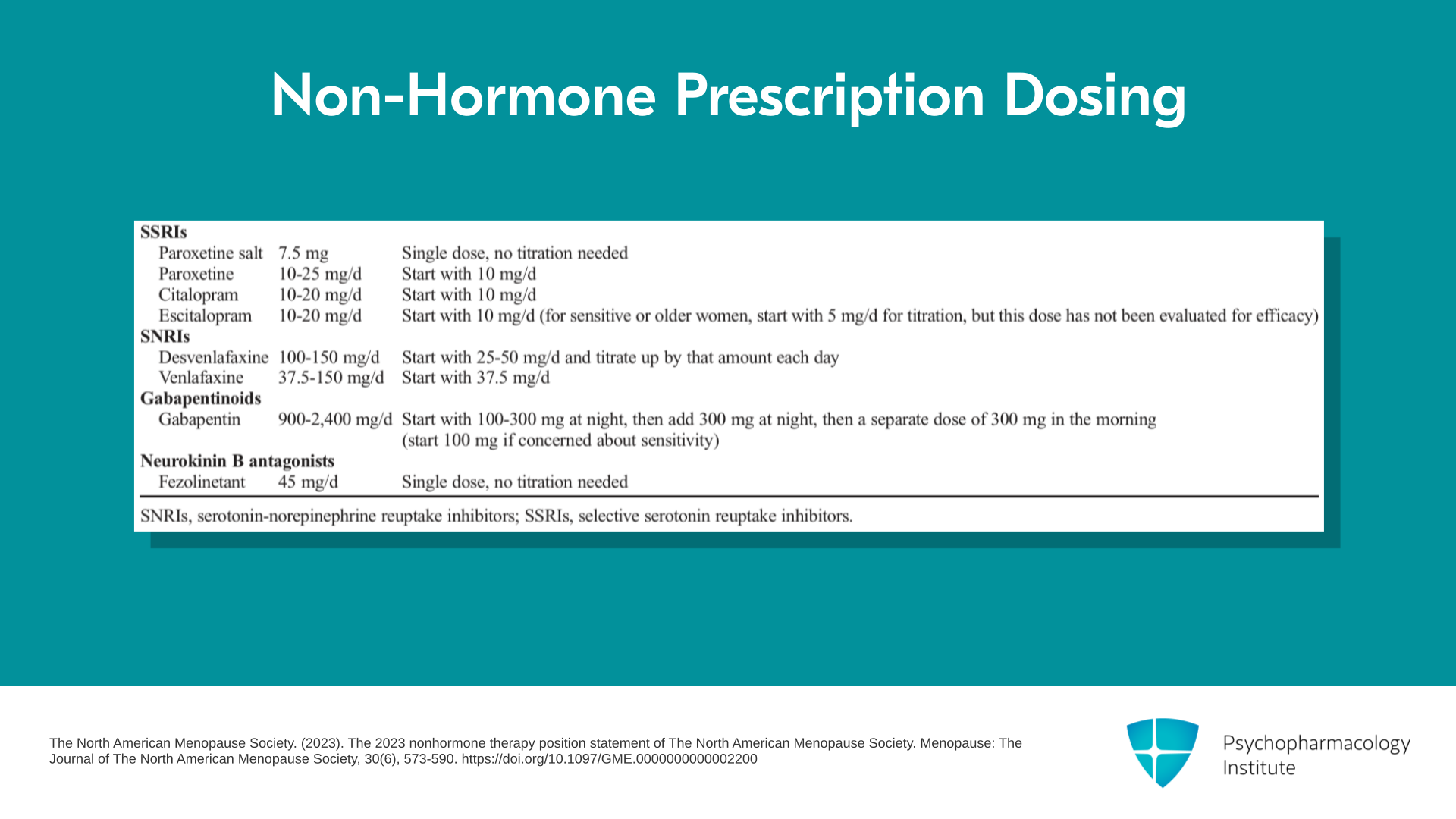
We see in this table suggested dosing ranges for non-hormone prescription therapies for vasomotor symptoms. We see paroxetine at 7.5 mg or 10 to 25 mg could be used, citalopram at 10 to 20 mg, escitalopram at 10 to 20 mg, desvenlafaxine at 100 to 150 mg, so a fairly high dose, and venlafaxine 37.5 to 150. Gabapentinoids have a fairly large range of the 900 to 2400 that we have discussed.
References:
  • The North American Menopause Society. (2023). The 2023 nonhormone therapy position statement of The North American Menopause Society. Menopause: The Journal of The North American Menopause Society, 30(6), 573-590. https://doi.org/10.1097/GME.0000000000002200

Slide 14 of 20

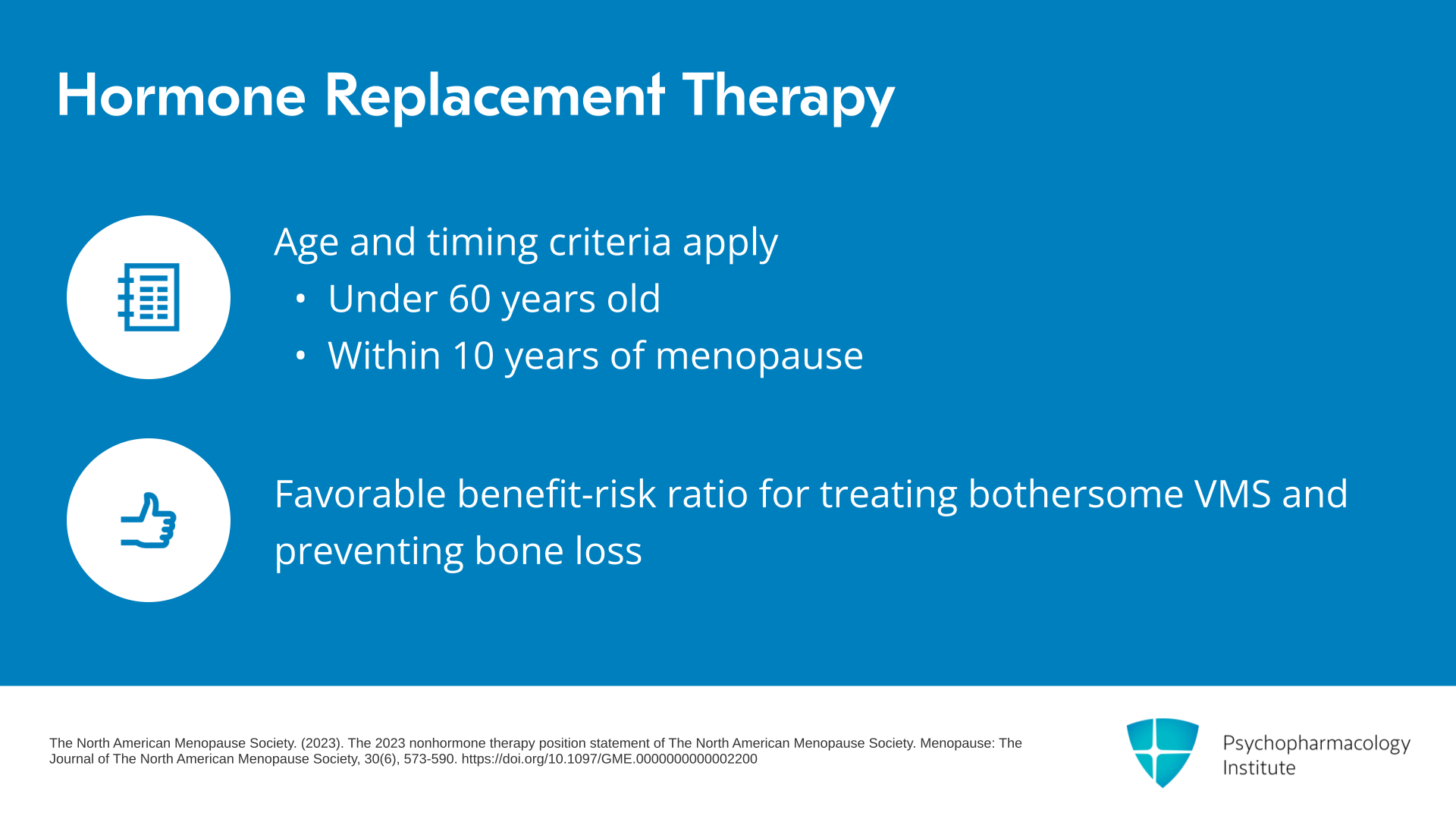
It’s important now to review the NAMS position statement on hormone replacement therapy. In general, for women aged younger than 60 years who are within 10 years of menopause onset and have no contraindications, the benefit-risk ratio is favorable for the treatment of bothersome vasomotor symptoms and prevention of bone loss. So if someone is having bothersome vasomotor symptoms in perimenopause, they should be considered for hormone replacement therapy or menopausal hormone therapy.
References:
  • The North American Menopause Society. (2023). The 2023 nonhormone therapy position statement of The North American Menopause Society. Menopause: The Journal of The North American Menopause Society, 30(6), 573-590. https://doi.org/10.1097/GME.0000000000002200
Free Files
Success!
Check your inbox, we sent you all the materials there.
Slide 15 of 20

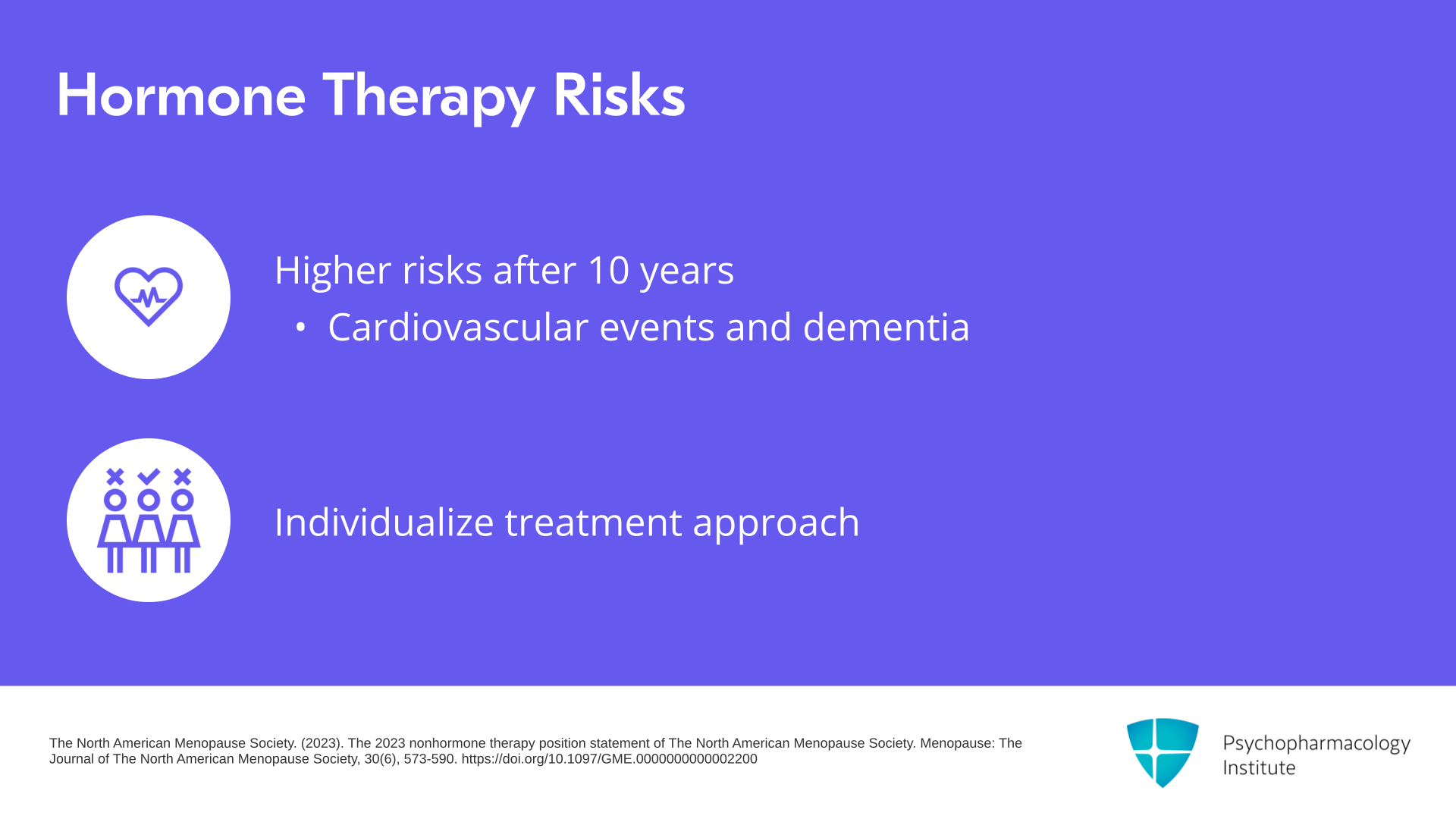
For women who initiate hormone therapy more than 10 years from menopause onset or who are aged older than 60 years, the benefit-risk ratio appears less favorable because of the greater absolute risks of coronary heart disease, stroke, venous thromboembolism and dementia. It’s important to individualize therapy and you share decision making.
References:
  • The North American Menopause Society. (2023). The 2023 nonhormone therapy position statement of The North American Menopause Society. Menopause: The Journal of The North American Menopause Society, 30(6), 573-590. https://doi.org/10.1097/GME.0000000000002200

Slide 16 of 20

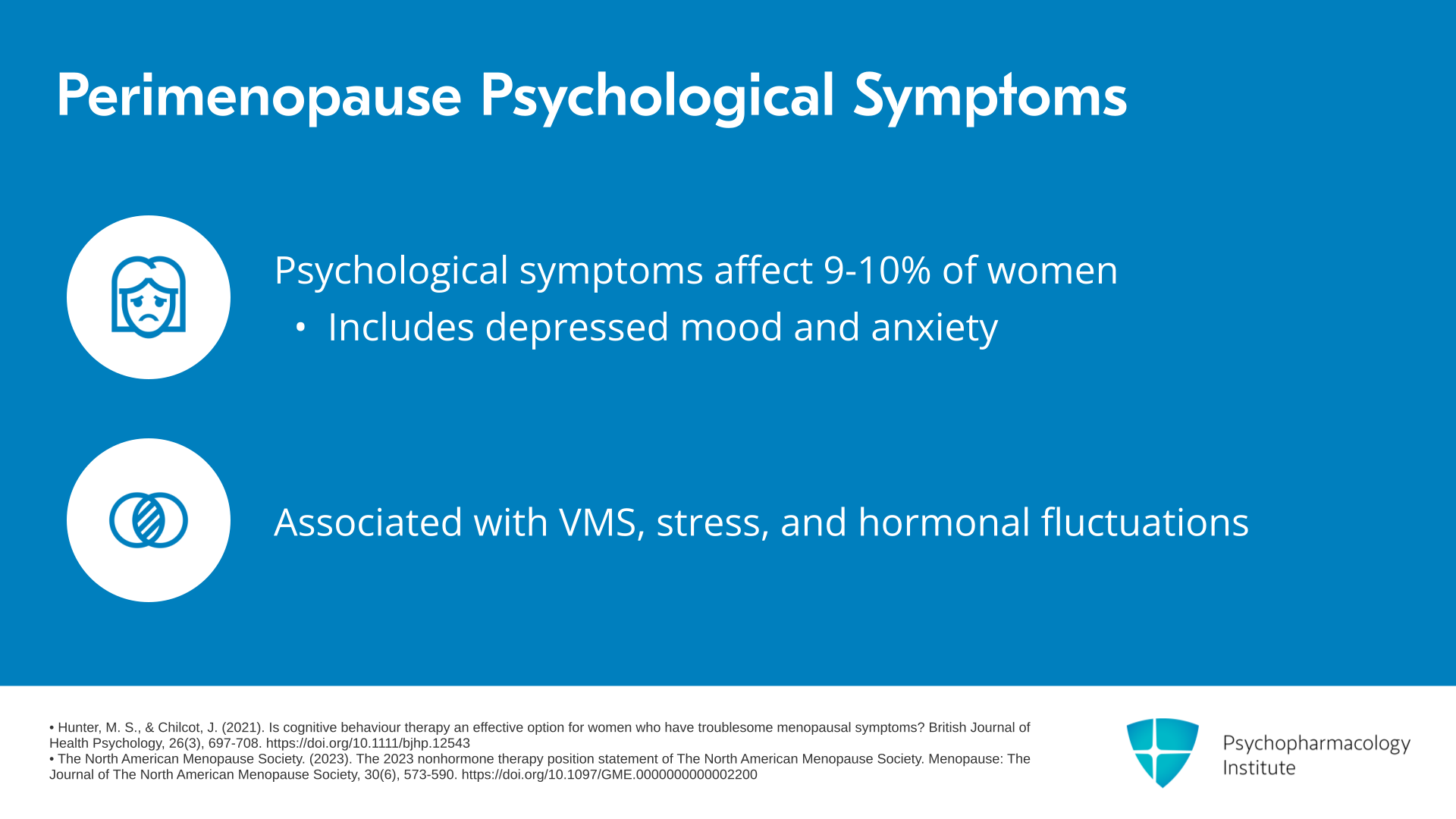
Interestingly, when looking at psychological symptoms related to perimenopause, we know that an estimated 9% to 10% of women report an increase in psychological symptoms including depressed mood and/or anxiety during the menopausal transition. These tend to be relatively transient and associated with troublesome vasomotor symptoms, current stress, low self-esteem and hormonal fluctuations. The longer the duration of vasomotor symptoms has been linked to higher levels of perceived stress and acute psychological stress has been shown to provoke vasomotor symptoms. So it’s hard to know which causes which.
References:
  • Hunter, M. S., & Chilcot, J. (2021). Is cognitive behaviour therapy an effective option for women who have troublesome menopausal symptoms? British Journal of Health Psychology, 26(3), 697-708. https://doi.org/10.1111/bjhp.12543
  • The North American Menopause Society. (2023). The 2023 nonhormone therapy position statement of The North American Menopause Society. Menopause: The Journal of The North American Menopause Society, 30(6), 573-590. https://doi.org/10.1097/GME.0000000000002200
Free Files
Success!
Check your inbox, we sent you all the materials there.
Slide 17 of 20

Several factors such as poor health, past depression, low income, perceived stress, attitudes toward aging and menopause and early life circumstances are associated with both bothersome vasomotor symptoms and low mood.
References:
  • Hunter, M. S., & Chilcot, J. (2021). Is cognitive behaviour therapy an effective option for women who have troublesome menopausal symptoms? British Journal of Health Psychology, 26(3), 697-708. https://doi.org/10.1111/bjhp.12543
  • The North American Menopause Society. (2023). The 2023 nonhormone therapy position statement of The North American Menopause Society. Menopause: The Journal of The North American Menopause Society, 30(6), 573-590. https://doi.org/10.1097/GME.0000000000002200

Slide 18 of 20

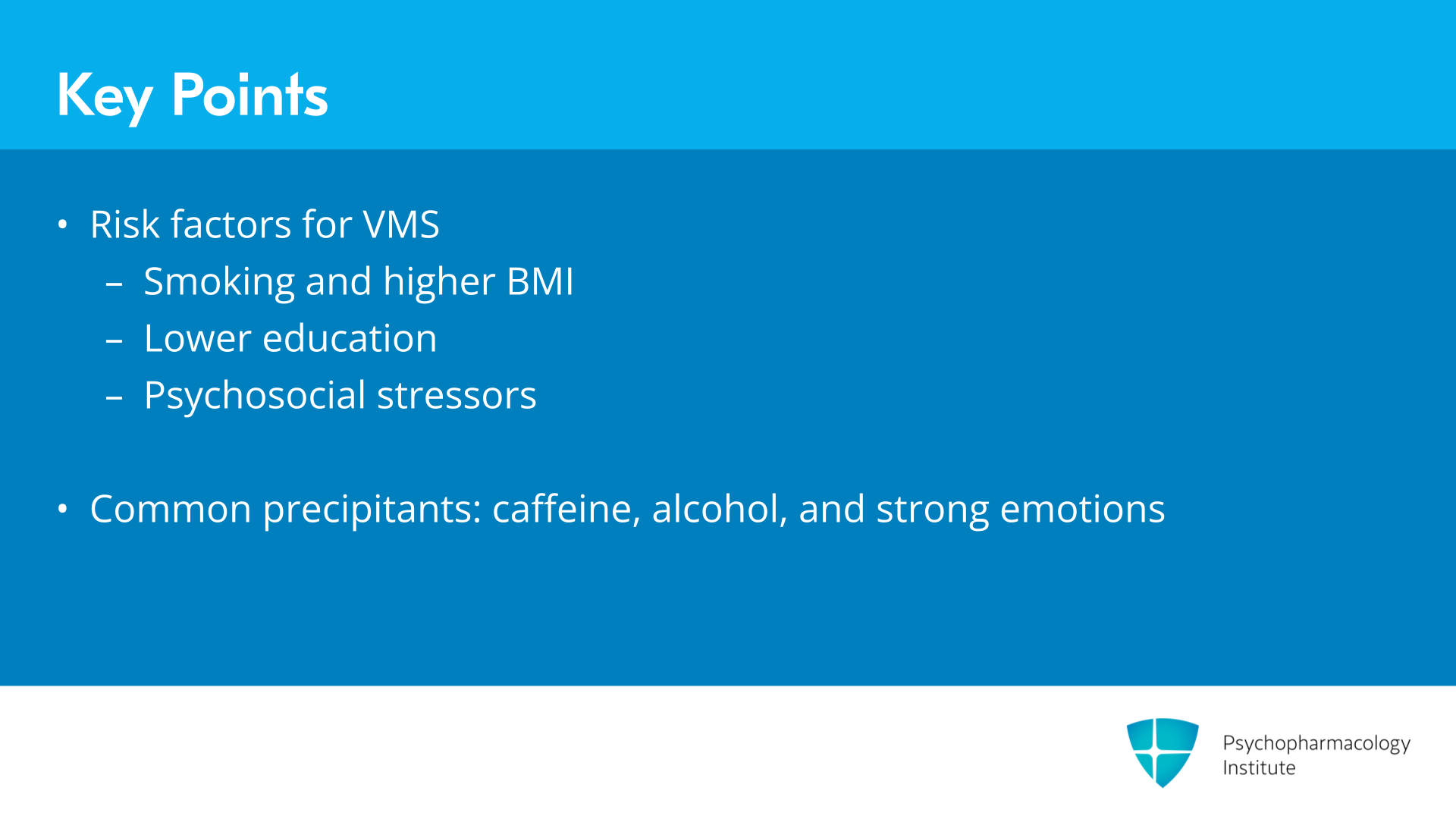
Key points: Risk factors for vasomotor symptoms include smoking, higher BMI, lower education and psychosocial stressors such as anxiety and low self-esteem. Common precipitants for vasomotor symptoms include caffeine, alcohol and strong emotions.
Free Files
Success!
Check your inbox, we sent you all the materials there.
Slide 19 of 20

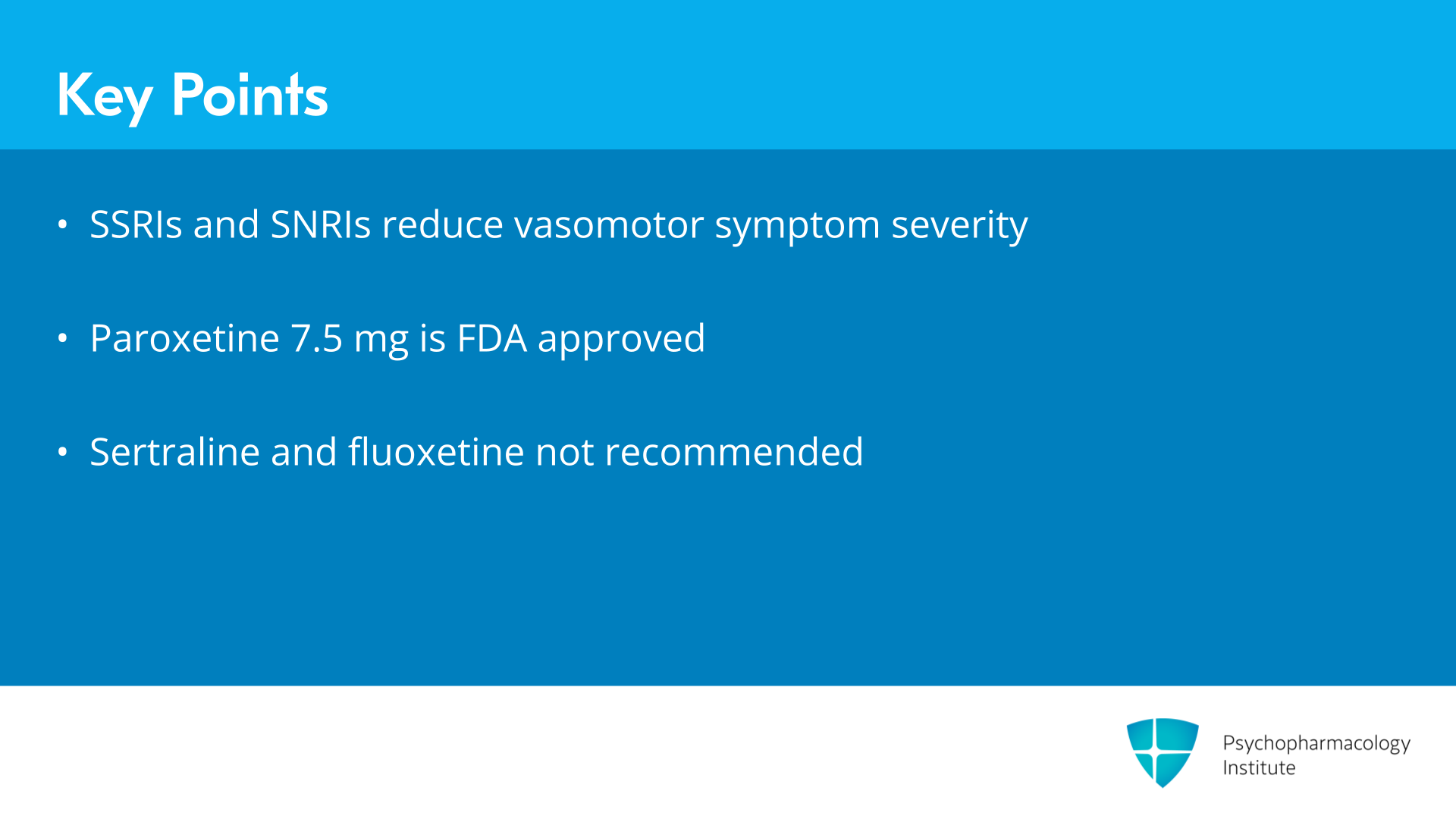
SSRIs and SNRIs such as paroxetine, escitalopram, citalopram, venlafaxine and desvenlafaxine, and gabapentin have demonstrated efficacy in reducing vasomotor symptom severity. Low-dose paroxetine at 7.5 mg is FDA approved. Sertraline and fluoxetine are generally not recommended for treatment of vasomotor symptoms alone due to a statistically insignificant benefit in the reduction of vasomotor symptoms.

Slide 20 of 20

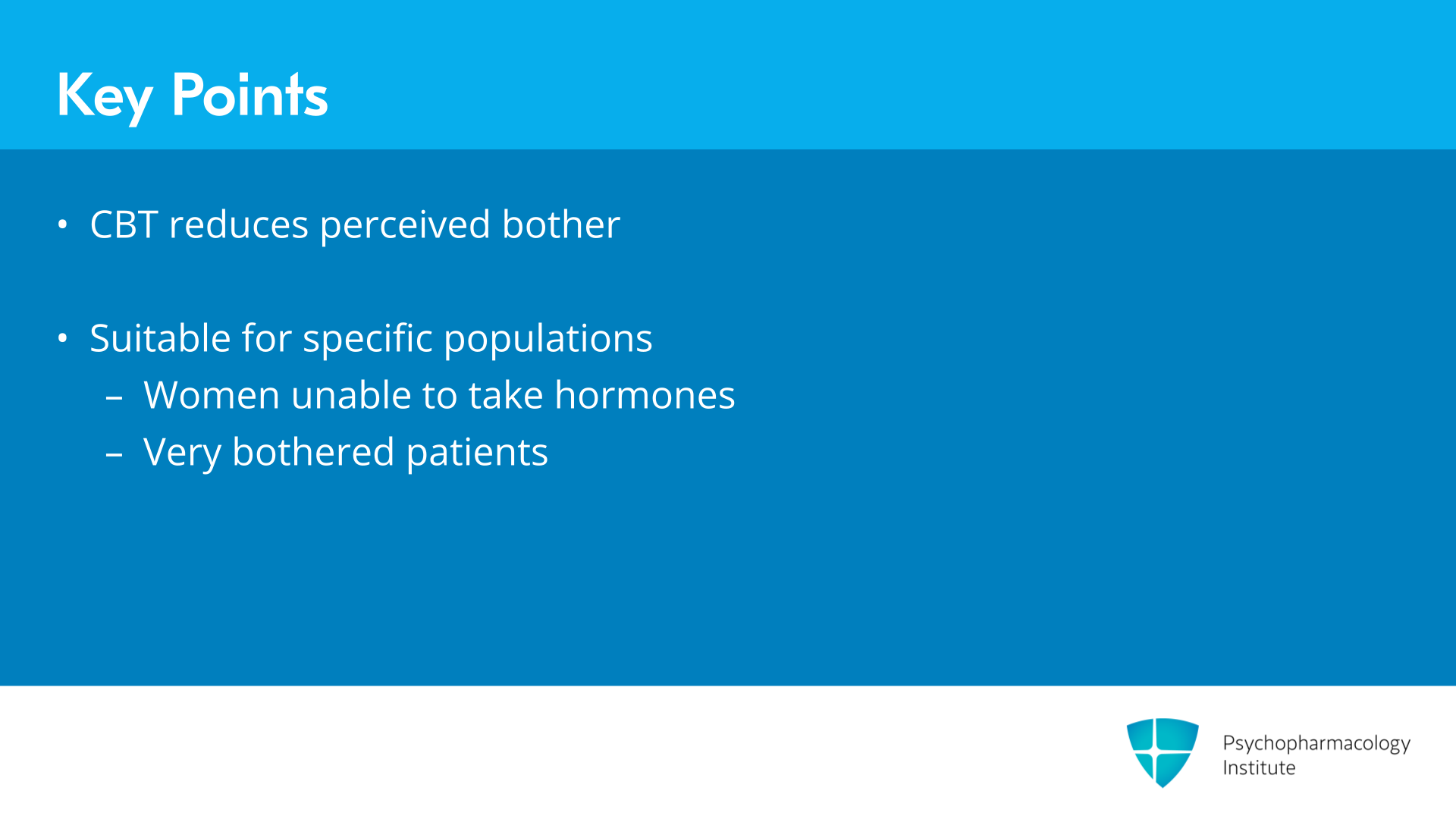
Cognitive behavioral therapy reduces the perceived bother of hot flashes but not the frequency making it a reasonable non-hormonal option particularly for women who are unable to take hormone therapy or are very bothered by their hot flashes.
Free Files
Success!
Check your inbox, we sent you all the materials there.
Learning Objectives:

After completing this activity, the learner will be able to:

  1. Recognize the clinical manifestations of perimenopause, including vasomotor symptoms, mood changes, and cognitive complaints, and differentiate perimenopausal depression from other depressive disorders.
  2. Identify risk factors for perimenopausal depression and anxiety, including prior history of hormone-sensitive mood disorders (PMDD, postpartum depression), vasomotor symptoms, psychosocial stressors, and psychological factors.
  3. Select appropriate pharmacologic interventions for perimenopausal mood and vasomotor symptoms.

Original Release Date: October 1, 2025

Expiration Date: October 1, 2028

Expert: Katie Unverferth, M.D.

Medical Editor: Tomás Abudarham, M.D.

Relevant Financial Disclosures: 

Katie Unverferth declares the following interests:

– Biogen/Sage: Consultant and Speakers Bureau
All the relevant financial relationships listed above have been mitigated by Medical Academy and the Psychopharmacology Institute.

None of the other faculty, planners, and reviewers for this educational activity has relevant financial relationships to disclose during the last 24 months with ineligible companies whose primary business is producing, marketing, selling, re-selling, or distributing healthcare products used by or on patients.

Contact Information: For questions regarding the content or access to this activity, contact us at support@psychopharmacologyinstitute.com

Instructions for Participation and Credit:

Participants must complete the activity online during the valid credit period that is noted above.

Follow these steps to earn CME credit:

  1. View the required educational content provided on this course page.
  2. Complete the Post Activity Evaluation for providing the necessary feedback for continuing accreditation purposes and for the development of future activities. NOTE: Completing the Post Activity Evaluation after the quiz is required to receive the earned credit.
  3. Download your certificate.

Accreditation Statement

This activity has been planned and implemented in accordance with the accreditation requirements and policies of the Accreditation Council for Continuing Medical Education through the joint providership of Medical Academy LLC and the Psychopharmacology Institute. Medical Academy is accredited by the ACCME to provide continuing medical education for physicians.

Credit Designation Statement

Medical Academy designates this enduring activity for a maximum of 0.75 AMA PRA Category 1 credit(s)™. Physicians should claim only the credit commensurate with the extent of their participation in the activity.

Artificial Intelligence (AI) Use DisclosureArtificial intelligence (AI) tools may have been used in limited stages of developing this activity (e.g., drafting or language refinement). The specific tool, version, and date of use are documented internally.AI does not determine clinical recommendations. All content is reviewed, verified, and approved by the listed faculty and medical editors, and reflects independent human clinical judgment consistent with ACCME Standards for Integrity and Independence in Accredited Continuing Education.

Free Files
Success!
Check your inbox, we sent you all the materials there.
Continue in the website
Instant access modal

Become a Bronze, Silver, Gold, Bronze extended, Silver extended or Gold extended Member.

2025–26 Psychopharmacology CME Program

Unlock up to 155 CME Credits, including 40 SA CME Credits.