Close Banner
Free Section  - Video Lectures

02. Gary C.: Antipsychotic-Induced Weight Gain, Hyperlipidemia, and Metabolic Syndrome

Published on February 1, 2020 Expired on April 1, 2023

Sandra A. Jacobson, M.D.

Research Associate Professor - University of Arizona

Key Points

  • Among psychotropics, antipsychotics, mood stabilizers, and antidepressants are most associated with metabolic syndrome.
  • When prescribing psychotropics, it is important to monitor for metabolic syndrome.
  • Use the mnemonics PHATS to recall the criteria for metabolic syndrome.

Free Downloads for Offline Access

  • Free Download Audio File (MP3)
  • Free Download Video (MP4)
  • Free Download Presentation File (PPTX)

Slides and Transcript

Slide 1 of 14

Now, we are going to move on to talk about a case that is very close to my heart, that of Gary C. involving antipsychotic-induced weight gain and its ramifications.

Slide 2 of 14

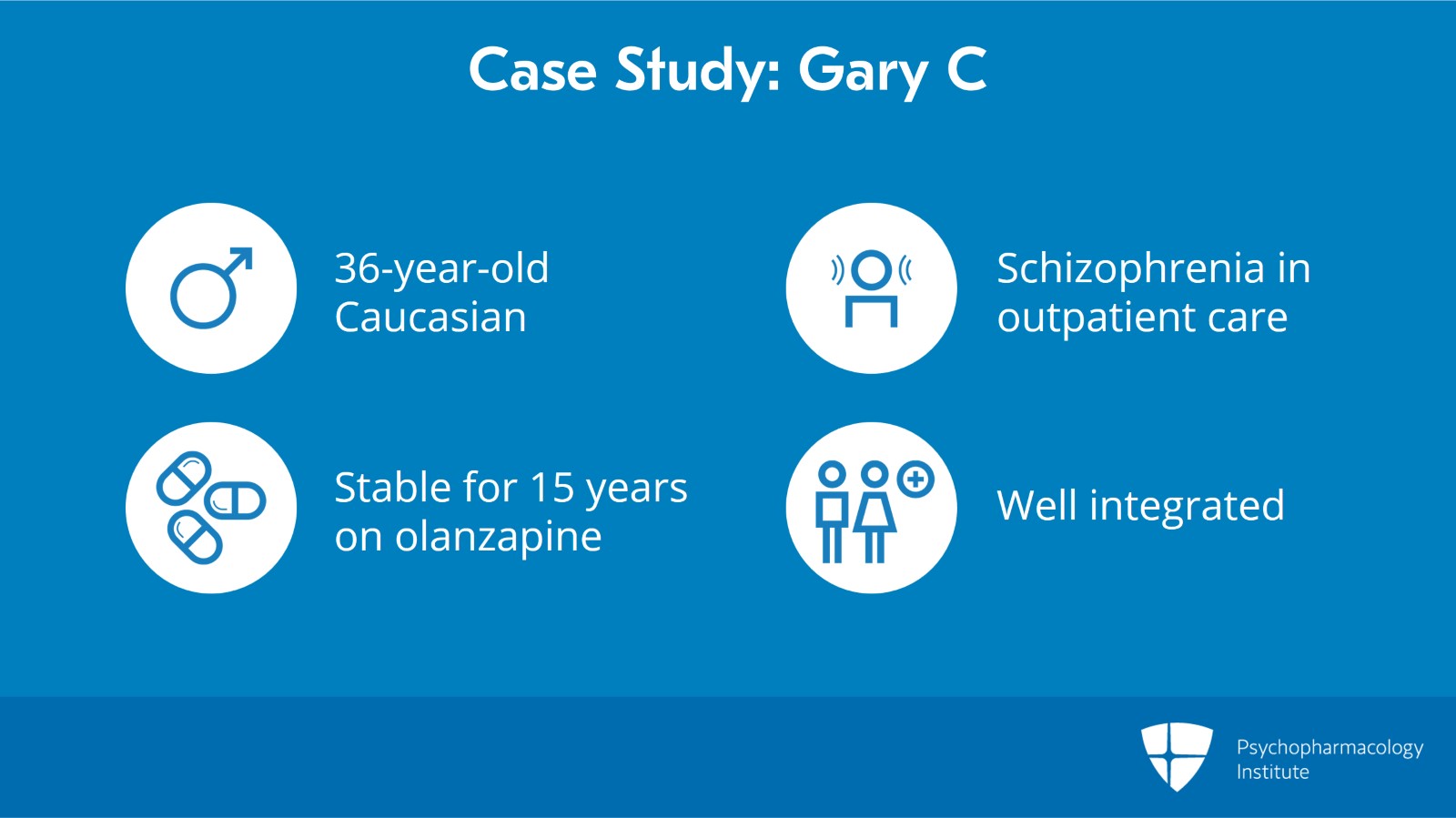
Gary C. is a 36-year-old Caucasian male followed as an outpatient for schizophrenia, seen in clinic for his twice yearly checkup. He has been stable for 15 years on olanzapine. He gets an excellent report from his group home. He is well integrated into that community and he works as a warehouse general helper for 10 hours per week.
Free Files
Success!
Check your inbox, we sent you all the materials there.

Slide 3 of 14

His medical history is significant for hypertension. He is on the diuretic hydrochlorothiazide. He is still smoking one pack per day. He does not use alcohol and he does not use drugs. He is sedentary except for his work and unfortunately has a rather poor quality diet. He likes fast food and he loves sweets.

Slide 4 of 14

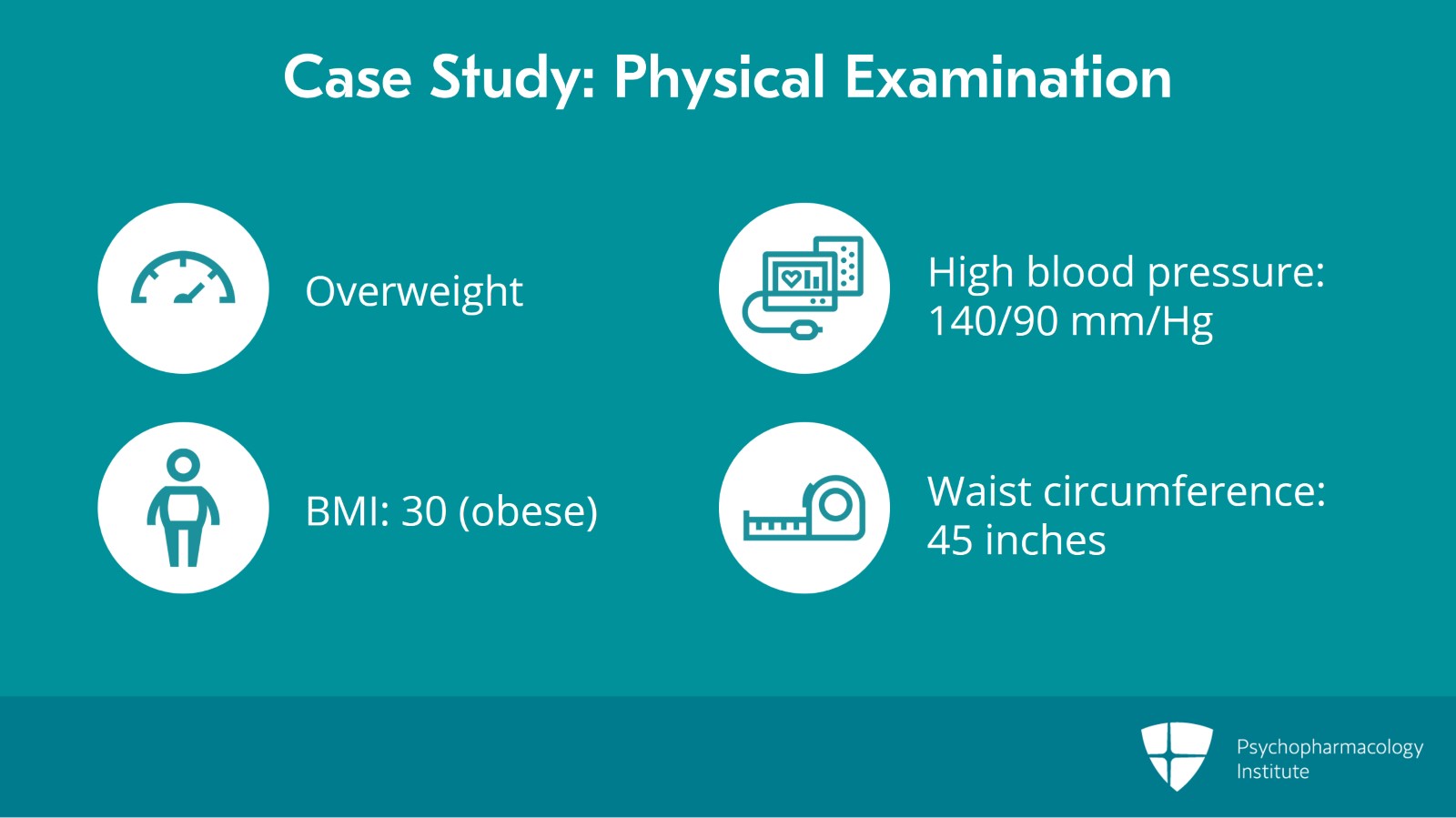
On physical exam, Gary C. looks remarkably well except that he is overweight. His blood pressure is 140/90. His weight is 200 pounds. His height is 5 feet 8 inches. So his BMI looked up in one of the charts is 30 which qualifies him for the designation of obese. His waist measures 45 inches.
Free Files
Success!
Check your inbox, we sent you all the materials there.
Slide 5 of 14

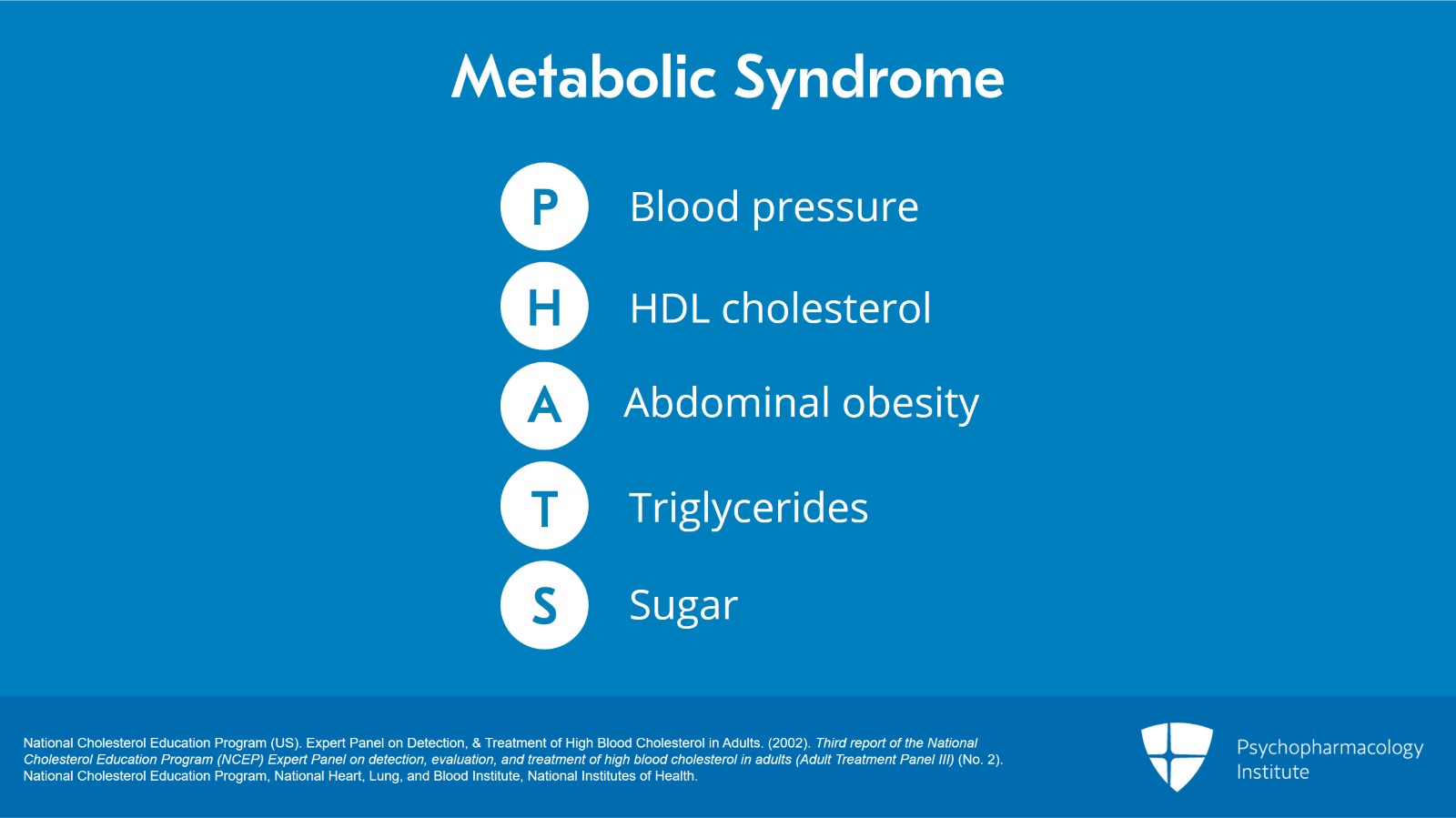
Now, at this point, you have data for two of the abnormalities that define the metabolic syndrome out of a total of five. So here is my first question for you. What are the five abnormalities that define the metabolic syndrome? And I’d like you to pause for a minute and think about this. Name as many as you can. Now, you may find that a mnemonic helps you recall these abnormalities on the fly. And one mnemonic that has been suggested and is written in literature is PHATS. I don’t love this mnemonic but it is widely used. So the P in PHATS stands for pressure as in blood pressure. The H for HDL cholesterol. The A for abdominal obesity. The T for triglycerides. And the S for sugar as in blood sugar.
References:
  • National Cholesterol Education Program (US). Expert Panel on Detection, & Treatment of High Blood Cholesterol in Adults. (2002). Third report of the National Cholesterol Education Program (NCEP) Expert Panel on detection, evaluation, and treatment of high blood cholesterol in adults (Adult Treatment Panel III) (No. 2). National Cholesterol Education Program, National Heart, Lung, and Blood Institute, National Institutes of Health.

Slide 6 of 14

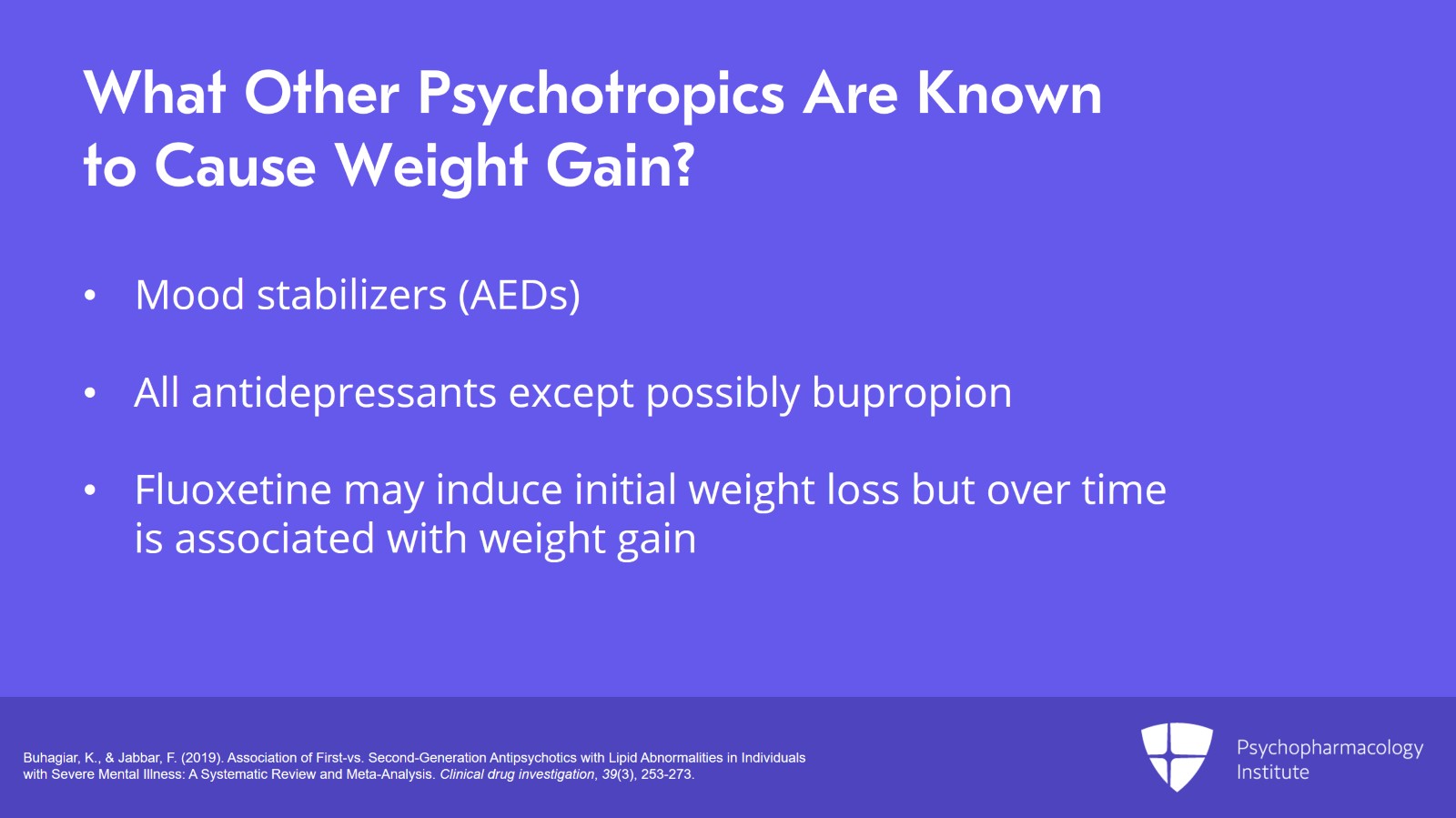
So you get Gary C.’s labs back and what you see is that his HDL is 36, his triglycerides are 200 mg/dL and his fasting blood sugar is 100. So here is my next set of questions for you. Does Gary C. meet criteria for the metabolic syndrome? How many of the five criteria have to be met? And what are the cut points for the five criteria? So here I’d like you to pause for a minute and see what you can recall on your own.
Free Files
Success!
Check your inbox, we sent you all the materials there.
Slide 7 of 14

So of the five criteria, three or more of the following abnormalities have to be present. Blood pressure greater than or equal to 130/85. And you may know that what is considered normal blood pressure now is less than 120/80. For HDL cholesterol in males, less than 40 or females, less than 50, that’s bad. That means you meet criteria for HDL. Waist circumference in males, greater than 40 inches or greater than 102 cm; in females, greater than 35 inches or greater than 88 cm. Triglycerides greater than or equal to 150 mg/dL and fasting glucose greater than or equal to 100 mg/dL. So even though he looks remarkably well, Gary C. actually meets all five criteria for metabolic syndrome. So beep, beep, beep, red flag should be going up.
References:
  • National Cholesterol Education Program (US). Expert Panel on Detection, & Treatment of High Blood Cholesterol in Adults. (2002). Third report of the National Cholesterol Education Program (NCEP) Expert Panel on detection, evaluation, and treatment of high blood cholesterol in adults (Adult Treatment Panel III) (No. 2). National Cholesterol Education Program, National Heart, Lung, and Blood Institute, National Institutes of Health.

Slide 8 of 14

Now, here’s my third question for you. What in Gary C’s history might be contributing to these problems? I’d like you to pause and think about what’s going on that might be making this worse. Well, I can think of four things that are exacerbating this. Sedentary lifestyle. Smoking. Treatment with olanzapine. Diet. Remember that any medication that causes weight gain increases the risk of metabolic syndrome. Among psychotropics, this includes several antipsychotics and especially clozapine and olanzapine.
Free Files
Success!
Check your inbox, we sent you all the materials there.
Slide 9 of 14

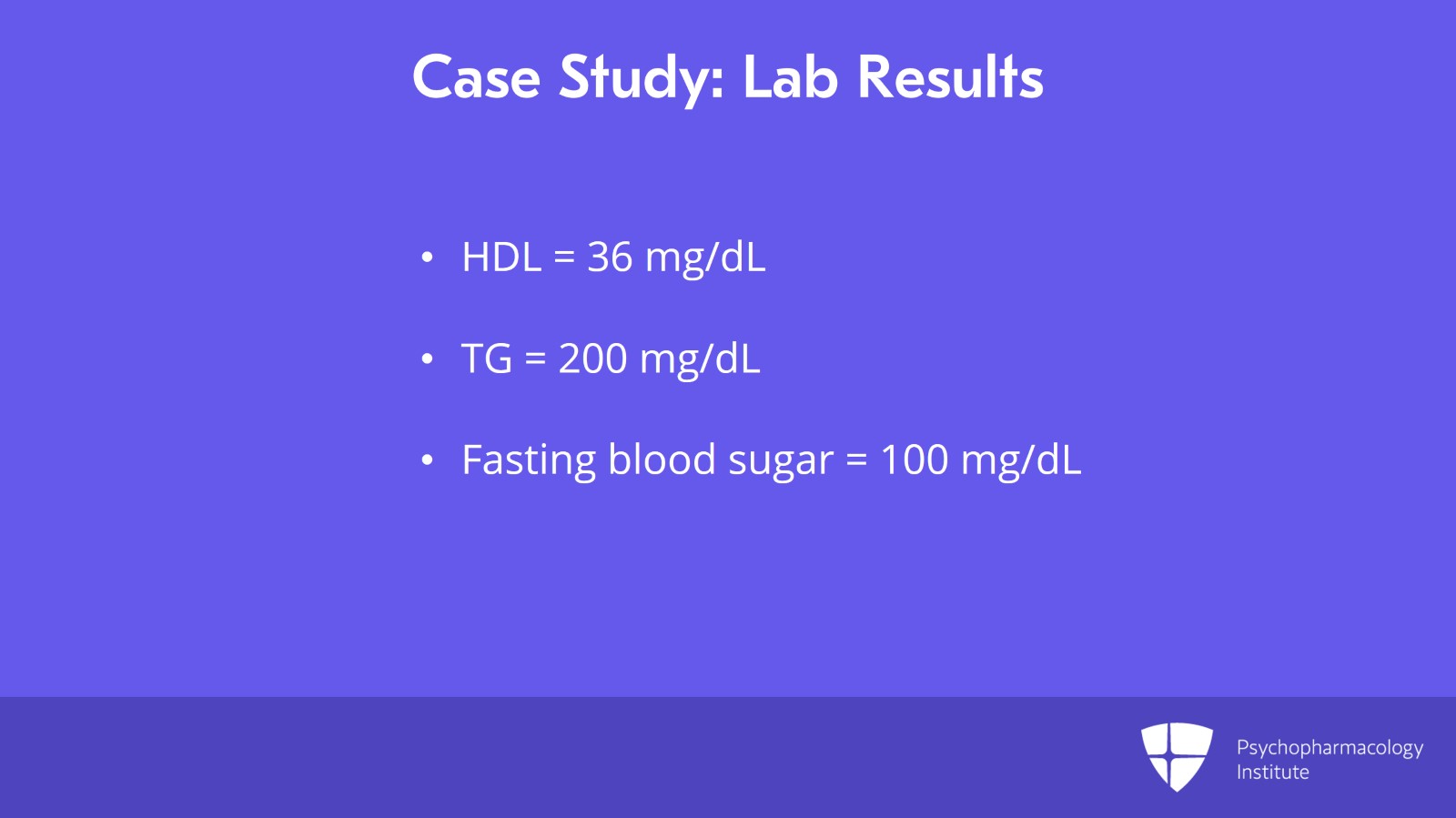
So my next question for you, what other psychotropics are known to cause weight gain? And I’d like you to pause and think about this for a minute. So leading the list are the mood stabilizers or antiepileptic drugs. Probably not far behind are all antidepressants except possibly bupropion. And maybe you’ve heard about fluoxetine, that fluoxetine may induce weight loss. Well, actually, that’s only initially and usually that’s only in older people who are thin to begin with. And moreover, over time, fluoxetine is like all other antidepressants in its association with weight gain.
References:
  • Buhagiar, K., & Jabbar, F. (2019). Association of First-vs. Second-Generation Antipsychotics with Lipid Abnormalities in Individuals with Severe Mental Illness: A Systematic Review and Meta-Analysis. Clinical drug investigation, 39(3), 253-273.

Slide 10 of 14

So Gary C. does not want to stop taking olanzapine and you support that decision. So what kind of intervention would be advised? First, education. Gary C. needs to be educated about the metabolic syndrome. Second, gradual sustainable changes in lifestyle will need to be made. And for Gary C., what I thought would be good was a walking program, for him to cut down on smoking and for him to cut down on sweets. And then the third element would be weekly weights, for him to take his own weight and record that and bring that to his next visit.
Free Files
Success!
Check your inbox, we sent you all the materials there.

Slide 11 of 14

Which brings us to the next question for you. How soon would you see Gary C. in follow-up? For Gary C., quarterly monitoring was stopped a long time ago. Now, he is seen only twice a year but he is showing some early evidence of a problem with metabolic syndrome. So monitoring has to be stepped up.

Slide 12 of 14

Next question for you. What is the standard monitoring protocol for second-generation antipsychotics? Now, if I caught you there, don’t worry because in my view, you don’t need to remember all of these monitoring protocols. All you need to do is to have appropriate references at hand. And references are listed in your bibliography in this slide set. So the reference recommends for second-generation antipsychotics weight and BMI or body mass index calculation at screening, at four weeks, eight weeks, 12 weeks and then quarterly. So basically, at screening, one month, two months, three months and then every quarter. And then second, fasting lipid profile at screening, at 12 weeks and then every five years. Now, does this sound kind of excessive? Well, it does but these recommendations apply when a drug is started. In Gary C.’s case, he’s not being started on a drug and there’s not even any plan to change the dose of the olanzapine. Instead, lifestyle changes are recommended. So really, it’s a judgment call as to when you see him next. So Gary C. came back to the clinic at eight weeks for examination and lab testing with the understanding that he would carry through with lifestyle changes and would keep and bring in a record of weekly weights. And I should note that this was a successful strategy for Gary C.
References:
  • Jacobson, S. A. (2012). Laboratory medicine in psychiatry and behavioral science. American Psychiatric Pub.
  • Jacobson, S. A., & Wilde, E. A. (2019). Laboratory Testing and Neuroimaging Studies in Psychiatry. The American Psychiatric Association Publishing Textbook of Psychiatry, 111.
Free Files
Success!
Check your inbox, we sent you all the materials there.

Slide 13 of 14

Key points. Among psychotropics, antipsychotics, mood stabilizers and antidepressants are associated with metabolic syndrome. If you are prescribing a psychotropic that is associated with weight gain, it is your responsibility to monitor for the metabolic syndrome. And in order to recall the criteria for metabolic syndrome, you may want to use the mnemonic PHATS as described.

Slide 14 of 14

Free Files
Success!
Check your inbox, we sent you all the materials there.
Learning Objectives:

After completing this activity, the learner will be able to:

  1. Identify important laboratory tests in psychiatry and know which to request in specific patients.
  2. Prescribe psychiatric medications while keeping in mind the possible side effects so as to monitor for them adequately with laboratory tests, when indicated.

Original Release Date: 02/01/2020

Review and Re-release Date: 03/01/2023

Expiration Date: 04/01/2023

Relevant Financial Disclosures:

None of the faculty, planners, and reviewers for this educational activity have relevant financial relationship(s) to disclose during the last 24 months with ineligible companies whose primary business is producing, marketing, selling, re-selling, or distributing healthcare products used by or on patients.

Contact Information: For questions regarding the content or access to this activity, contact us at support@psychopharmacologyinstitute.com

Instructions for Participation and Credit:

Participants must complete the activity online during the valid credit period that is noted above.

Follow these steps to earn CME credit:

  1. View the required educational content provided on this course page.
  2. Answer the quiz for promoting retention of knowledge.
  3. Complete the Post Activity Evaluation for providing the necessary feedback for continuing accreditation purposes and for the development of future activities. NOTE: Completing the Post Activity Evaluation after the quiz is required to receive the earned credit.
  4. Download your certificate.

Accreditation Statement

This activity has been planned and implemented in accordance with the accreditation requirements and policies of the Accreditation Council for Continuing Medical Education through the joint providership of Medical Academy LLC and the Psychopharmacology Institute. Medical Academy is accredited by the ACCME to provide continuing medical education for physicians.

Credit Designation Statement

Medical Academy designates this enduring activity for a maximum of 0.75 AMA PRA Category 1 credit(s). Physicians should claim only the credit commensurate with the extent of their participation in the activity.

Free Files
Success!
Check your inbox, we sent you all the materials there.
Continue in the website
Instant access modal

Become a Bronze, Silver, Gold, Bronze extended, Silver extended or Gold extended Member.

2025–26 Psychopharmacology CME Program

Unlock up to 155 CME Credits, including 40 SA CME Credits.