Close Banner
Section Free  - Video Lectures

07. Ashwagandha (ASW): Potential Indications and Administration in Psychiatric Disorders

Published on November 1, 2023 Certification expiration date: November 1, 2026

David Mischoulon, M.D., Ph.D.

Professor of Psychiatry - Harvard Medical School

Key Points

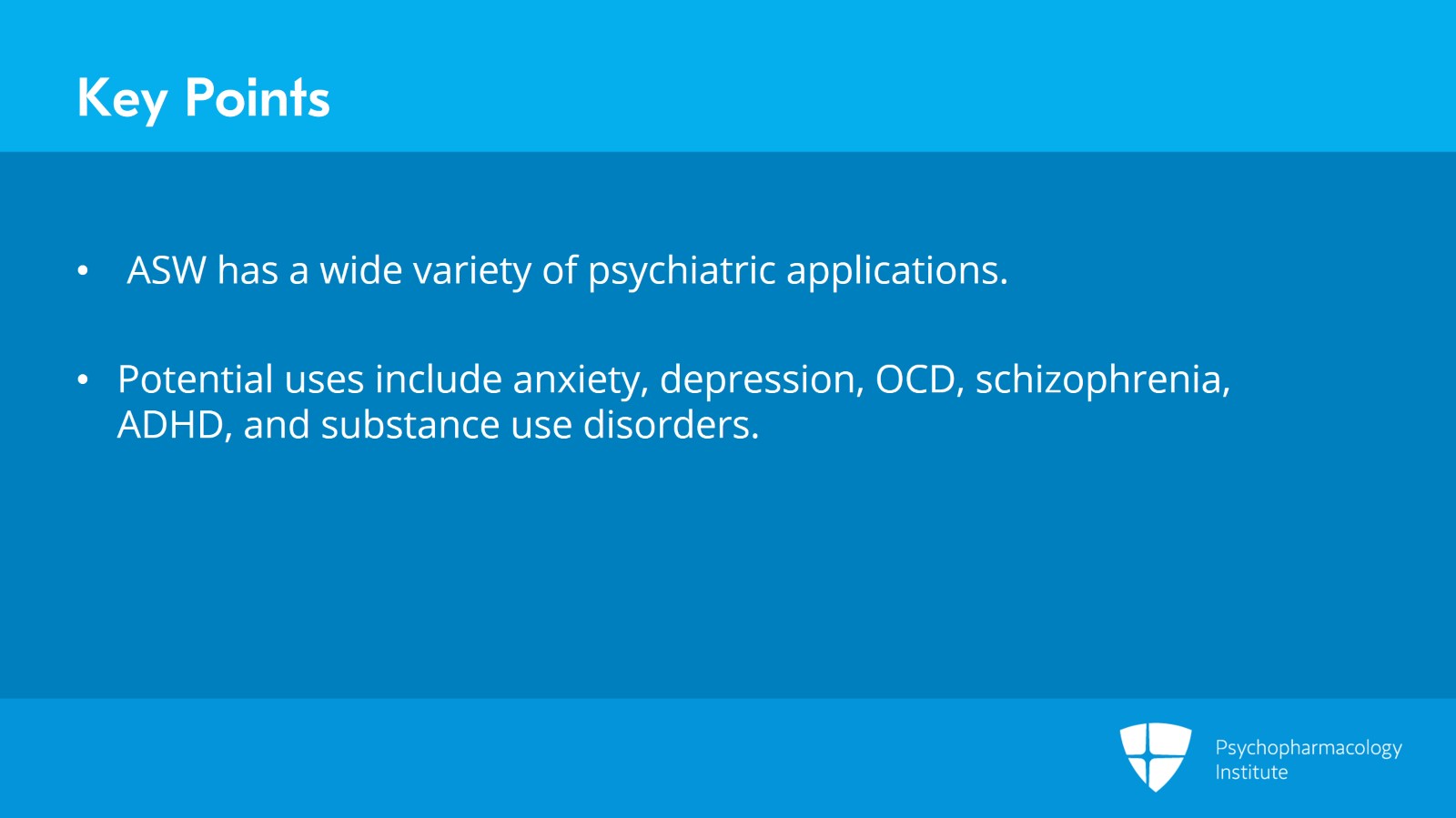
  • ASW has a wide variety of psychiatric applications.
  • Potential uses include anxiety, depression, OCD, schizophrenia, ADHD, and substance use disorders.
  • When using ASW, patients and clinicians should be alert for gastrointestinal side effects.

Free Downloads for Offline Access

  • Free Download Presentation File (PPTX)
  • Free Download Audio File (MP3)
  • Free Download Video (MP4)

Slides and Transcript

Slide 1 of 15

The last natural remedy I'll cover today is ashwagandha or ASW. We'll review its potential indications and administration in psychiatric disorders.

Slide 2 of 15

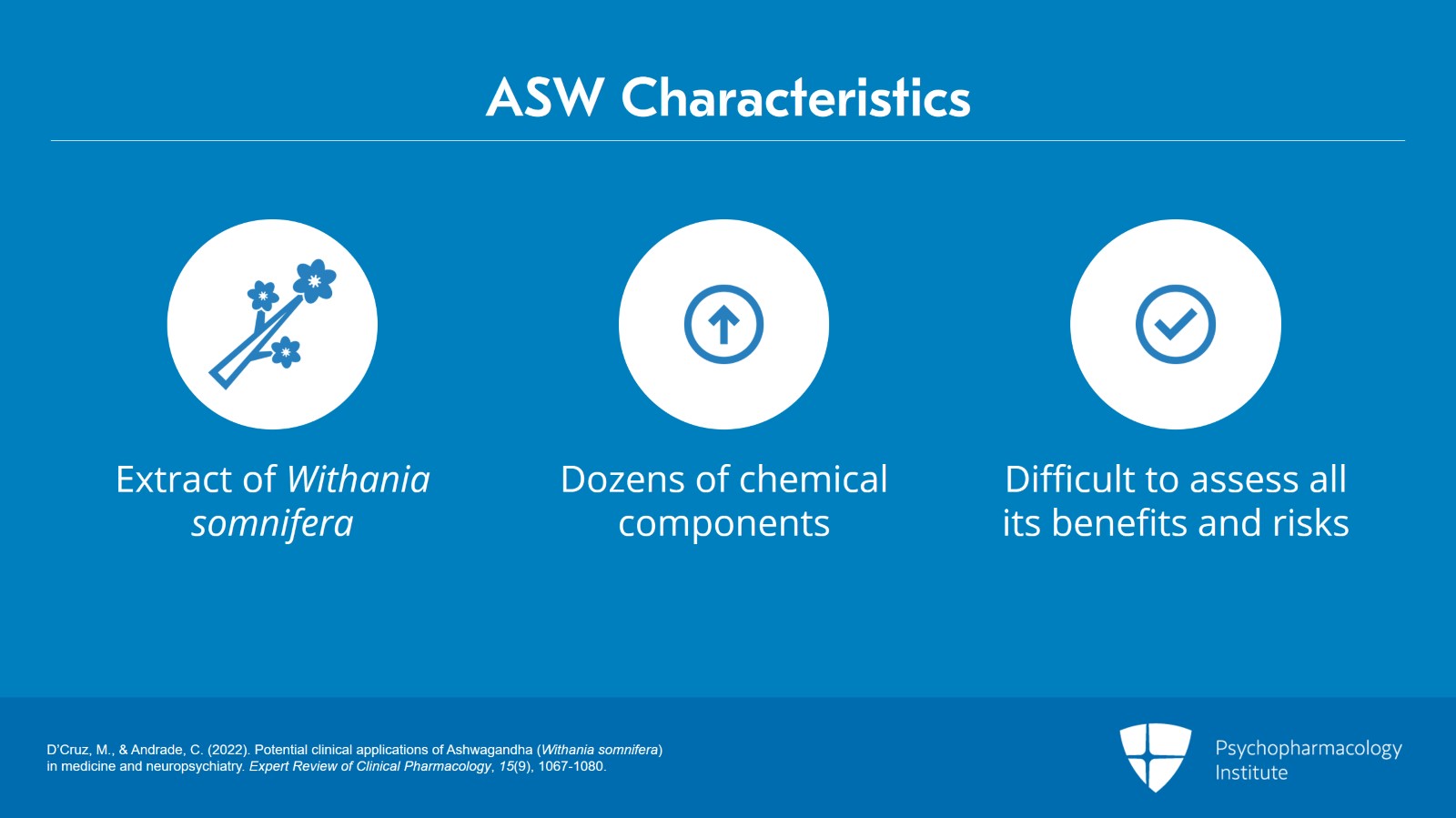
Ashwagandha is an extract of the Indian winter cherry plant called Withania somnifera. It has dozens of chemical components and consequently it is difficult to assess the full spectrum of benefits and risks because there are so many chemicals involved.
References:
  • D’Cruz, M., & Andrade, C. (2022). Potential clinical applications of Ashwagandha (Withania somnifera) in medicine and neuropsychiatry. Expert Review of Clinical Pharmacology, 15(9), 1067-1080.
Free Files
Success!
Check your inbox, we sent you all the materials there.

Slide 3 of 15

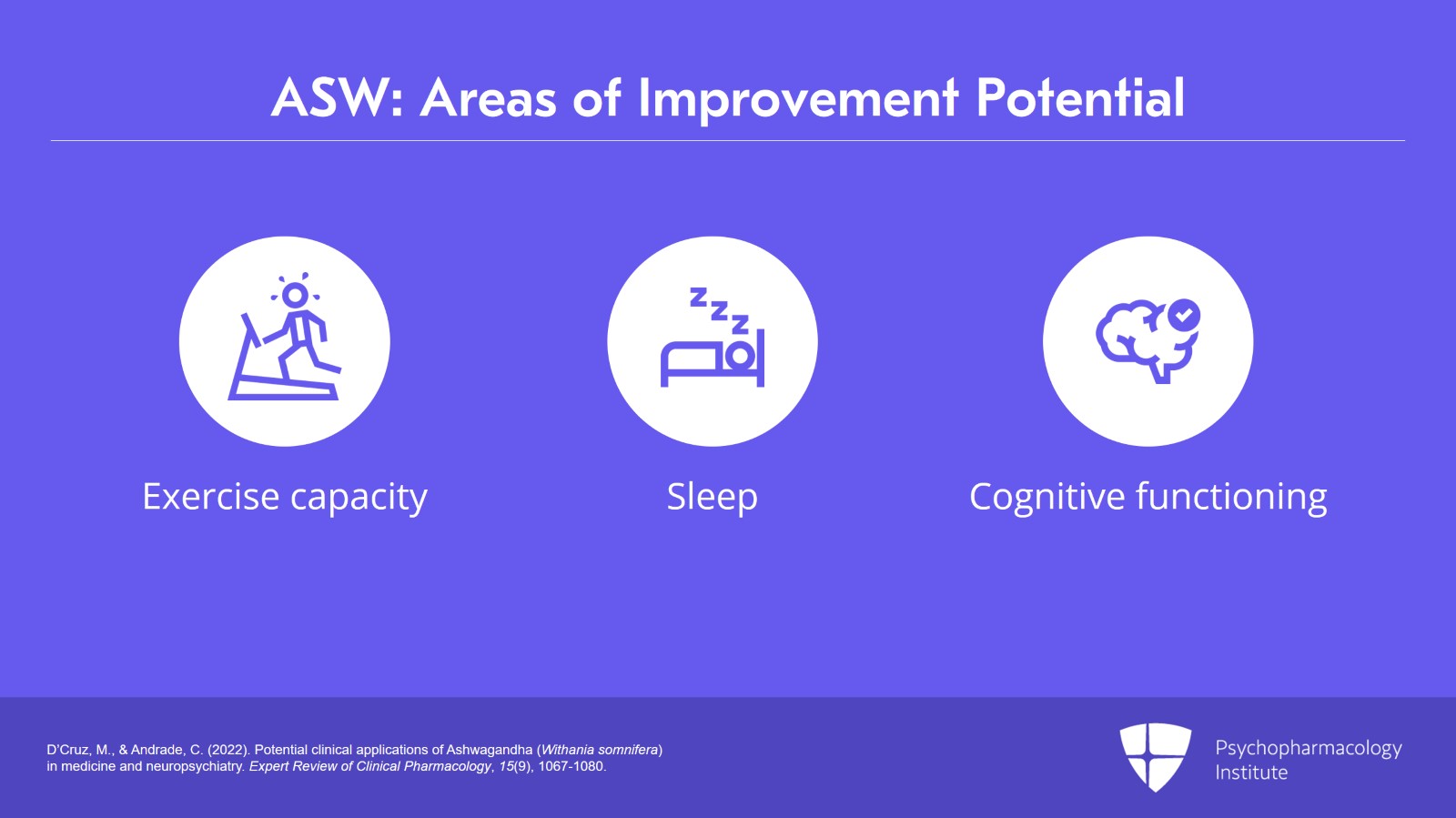
Evidence so far suggests that ashwagandha can improve capacity to do exercise. It can improve sleep quality as well as cognitive functioning in people who have suffered traumatic brain injury and also in individuals with high risk of dementia.
References:
  • D’Cruz, M., & Andrade, C. (2022). Potential clinical applications of Ashwagandha (Withania somnifera) in medicine and neuropsychiatry. Expert Review of Clinical Pharmacology, 15(9), 1067-1080.

Slide 4 of 15

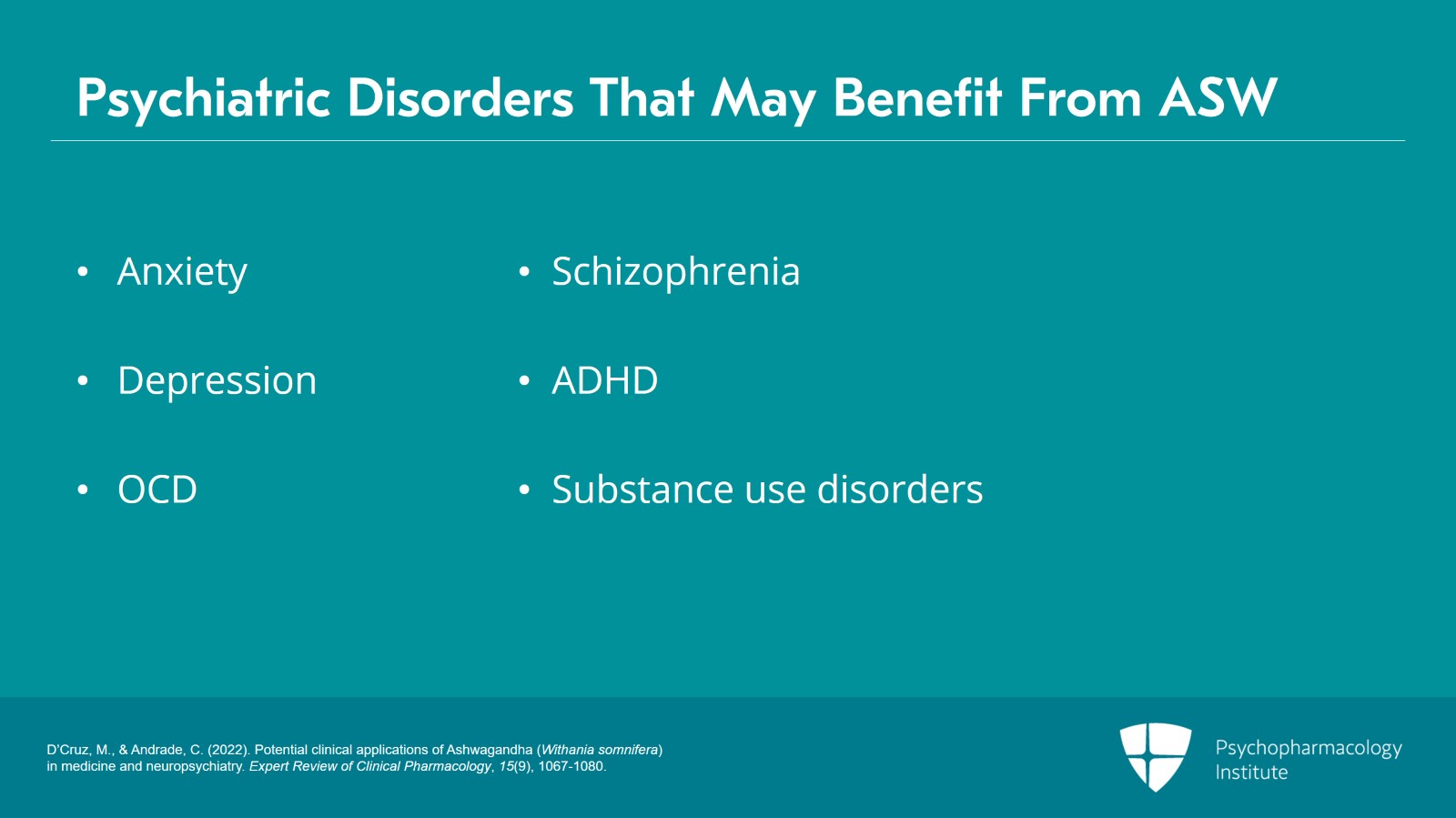
Regarding some of the common psychiatric disorders, benefits have been proposed in anxiety, depression, OCD, schizophrenia, ADHD, and substance use disorders as well as withdrawal from substances.
References:
  • D’Cruz, M., & Andrade, C. (2022). Potential clinical applications of Ashwagandha (Withania somnifera) in medicine and neuropsychiatry. Expert Review of Clinical Pharmacology, 15(9), 1067-1080.
Free Files
Success!
Check your inbox, we sent you all the materials there.

Slide 5 of 15

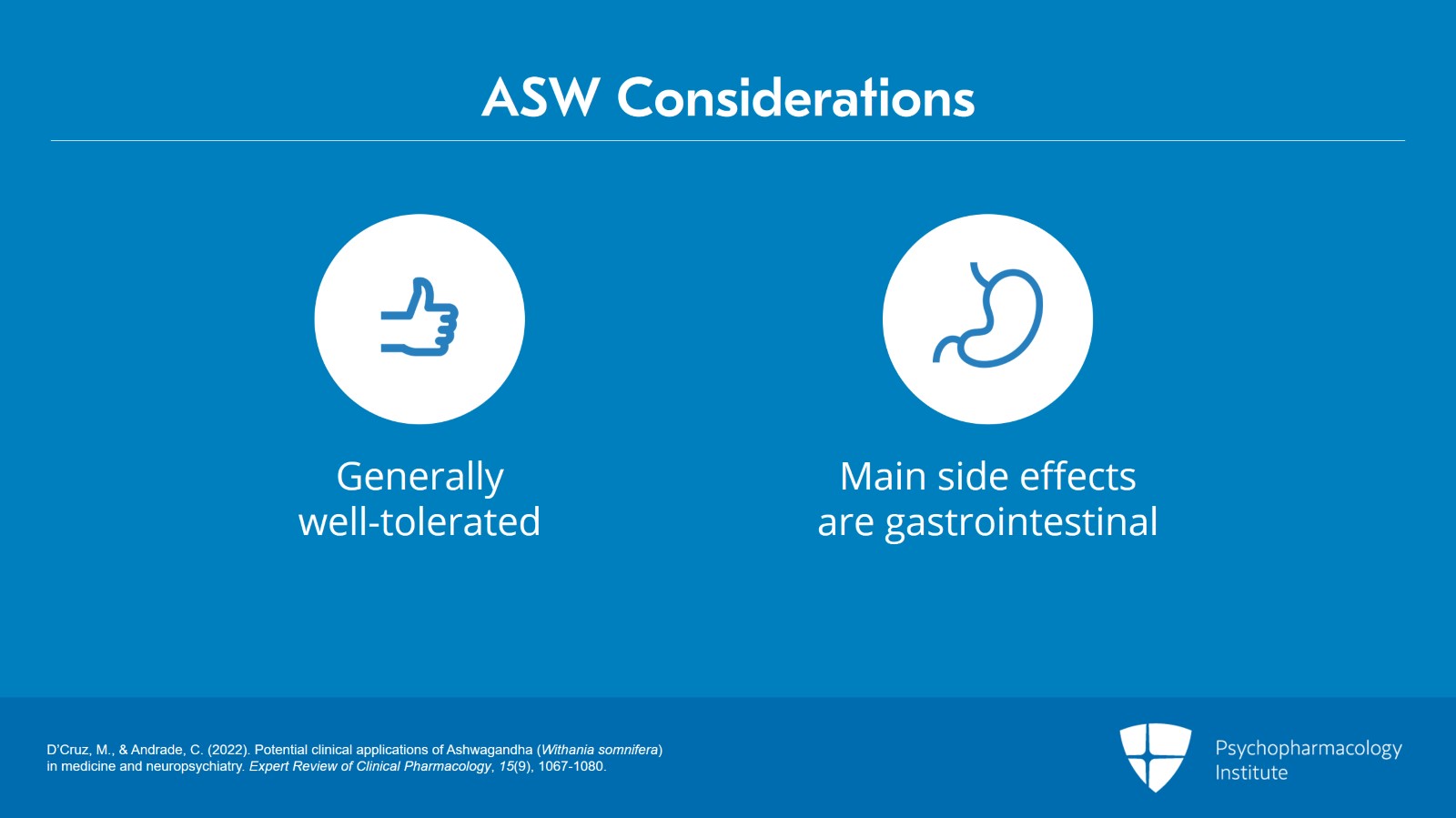
Ashwagandha is generally well-tolerated. The main side effects reported seem to be of the gastrointestinal type specifically diarrhea, nausea, and vomiting and these are thought to be due to a direct irritation caused by ashwagandha to the intestinal mucosa.
References:
  • D’Cruz, M., & Andrade, C. (2022). Potential clinical applications of Ashwagandha (Withania somnifera) in medicine and neuropsychiatry. Expert Review of Clinical Pharmacology, 15(9), 1067-1080.

Slide 6 of 15

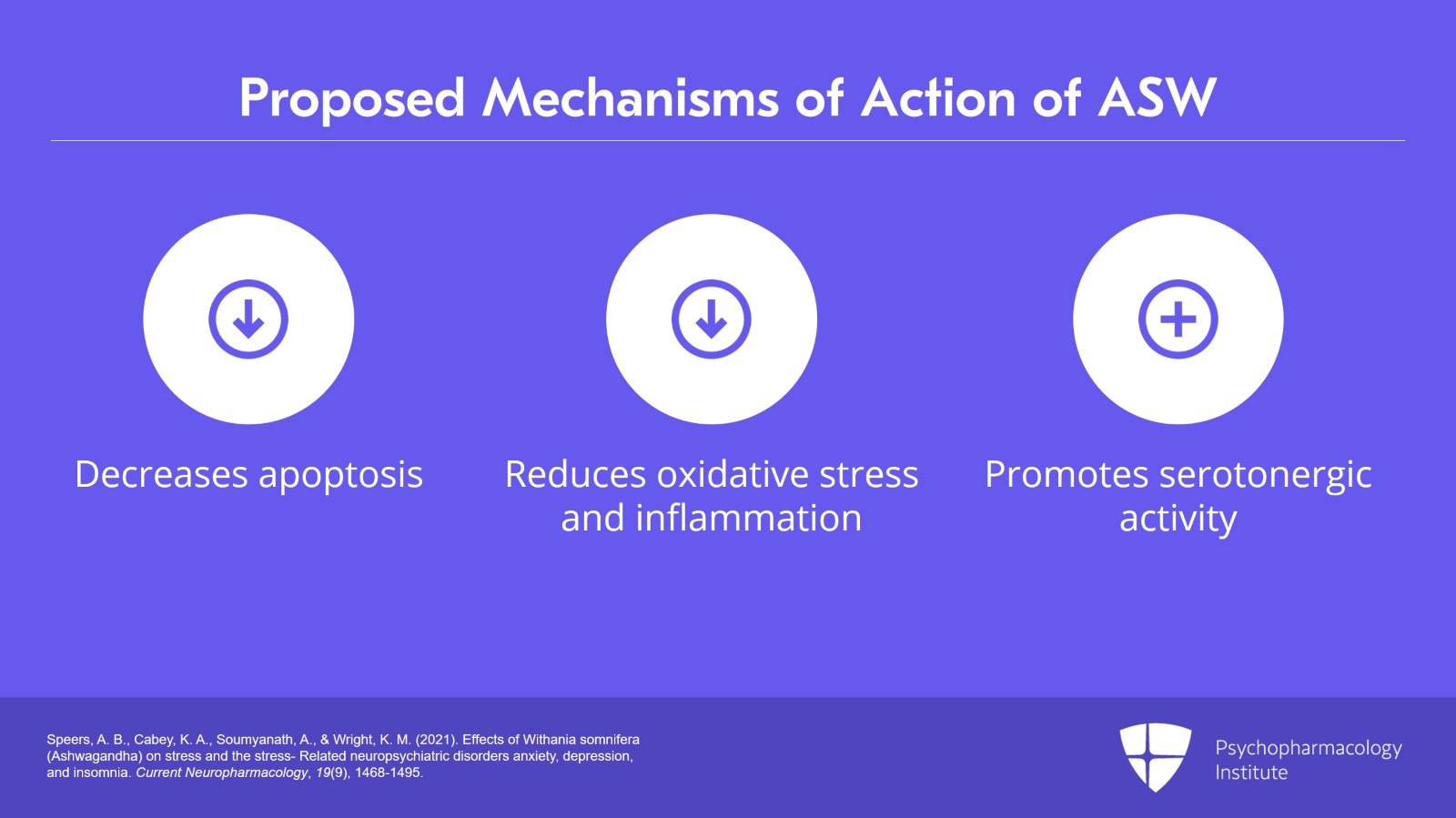
A wide variety of potential mechanisms of action have been proposed for ashwagandha. Typically, it may decrease apoptosis, reduce oxidative stress and inflammation and promote serotonergic activity among others and this may ultimately help to reduce stress, anxiety, depression, and insomnia.
References:
  • Speers, A. B., Cabey, K. A., Soumyanath, A., & Wright, K. M. (2021). Effects of Withania somnifera (Ashwagandha) on stress and the stress- Related neuropsychiatric disorders anxiety, depression, and insomnia. Current Neuropharmacology, 19(9), 1468-1495.
Free Files
Success!
Check your inbox, we sent you all the materials there.

Slide 7 of 15

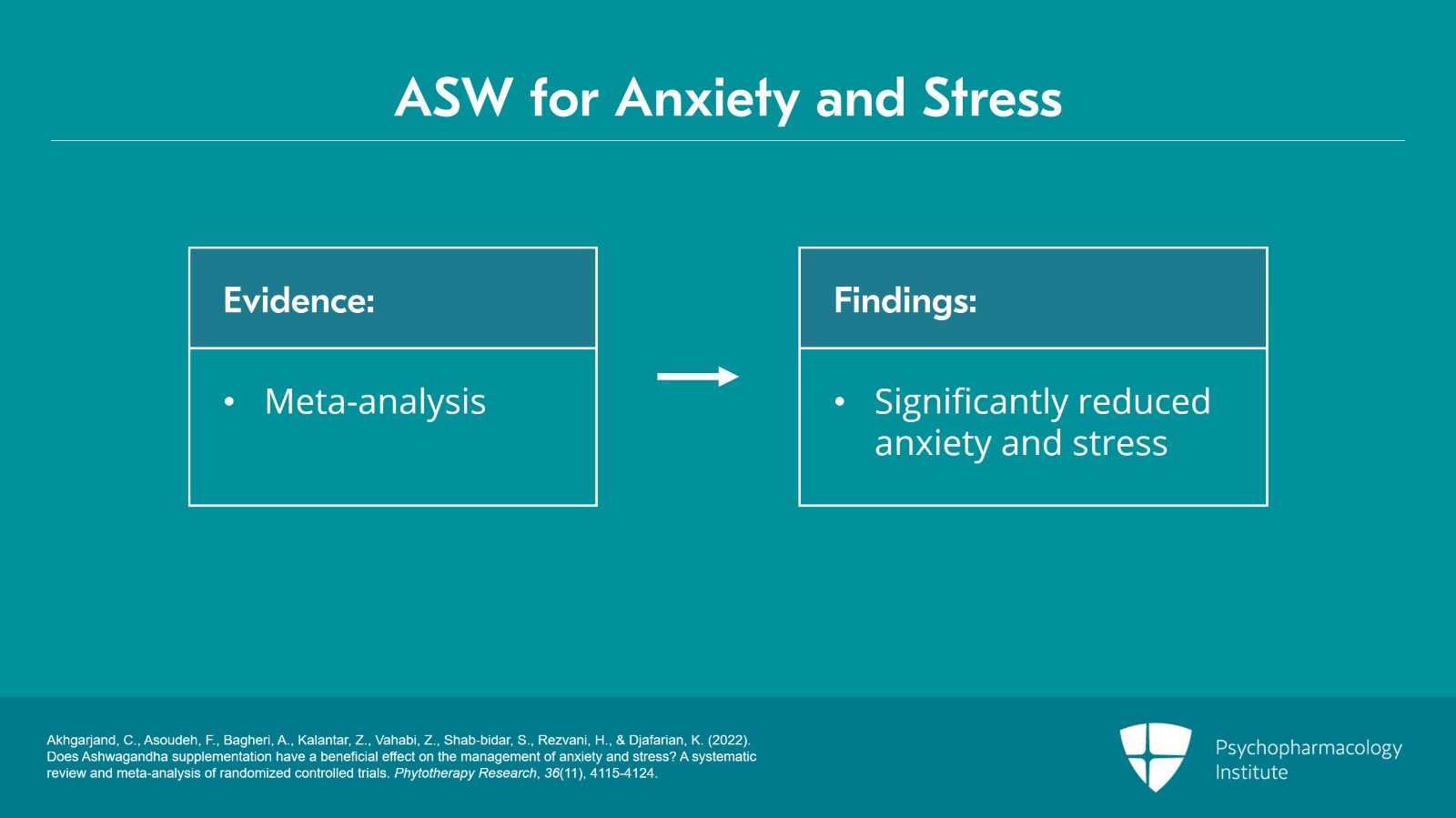
Let's talk a little bit about the evidence. Regarding anxiety and stress, there was a recent meta-analysis of 12 papers totaling a collective sample of about 1000 patients of ages 25 to 48. Ashwagandha supplementation was shown to significantly reduce anxiety and stress levels compared to placebo as a whole.
References:
  • Akhgarjand, C., Asoudeh, F., Bagheri, A., Kalantar, Z., Vahabi, Z., Shab‐bidar, S., Rezvani, H., & Djafarian, K. (2022). Does Ashwagandha supplementation have a beneficial effect on the management of anxiety and stress? A systematic review and meta‐analysis of randomized controlled trials. Phytotherapy Research, 36(11), 4115-4124.

Slide 8 of 15

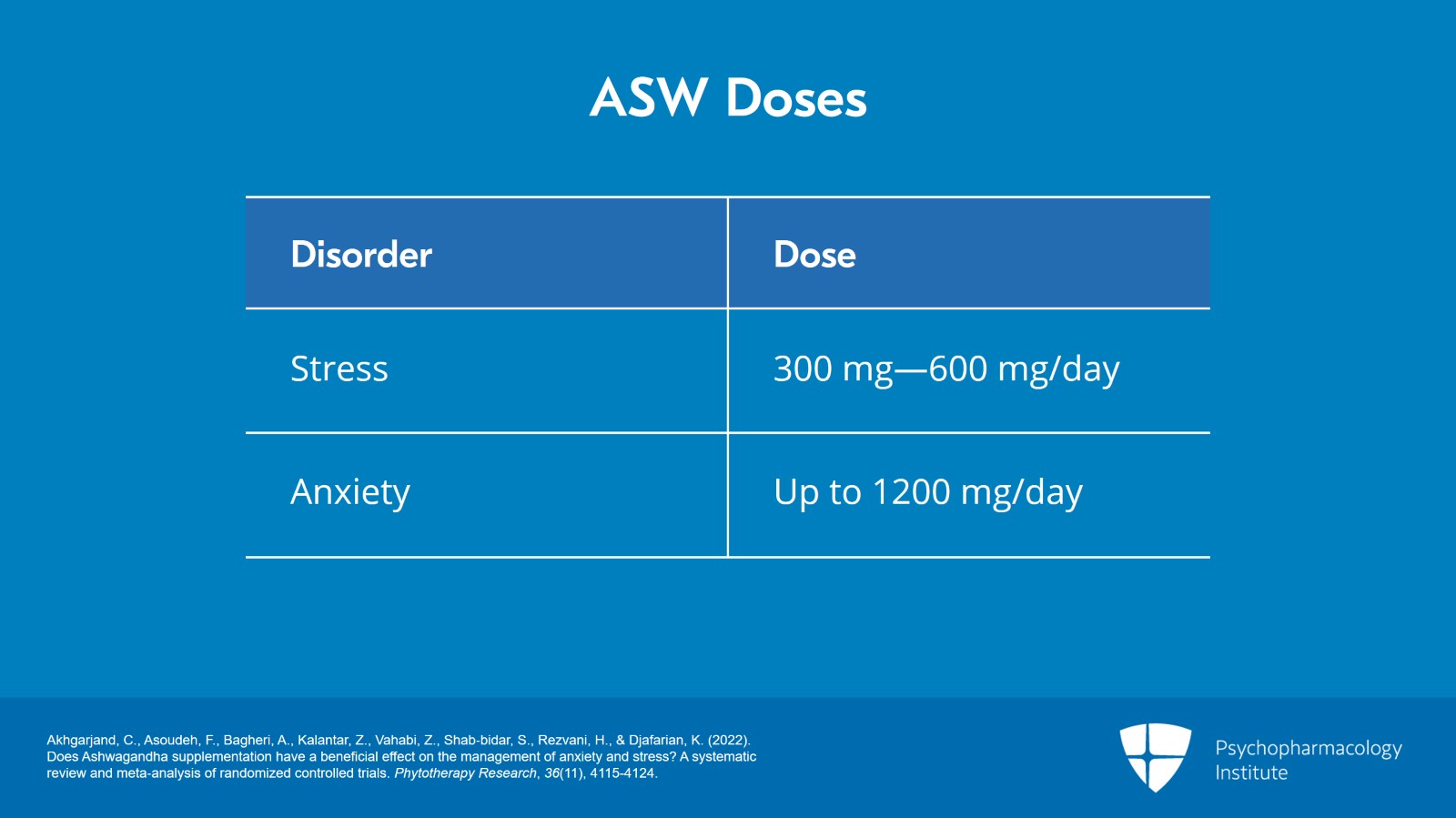
With regards to dosing, the doses used for stress ran in the range of 300 to 600 mg a day. For anxiety, doses went up to 1200 mg a day. However, these recommendations should be taken with caution because the quality of these studies overall was considered less than optimal.
References:
  • Akhgarjand, C., Asoudeh, F., Bagheri, A., Kalantar, Z., Vahabi, Z., Shab‐bidar, S., Rezvani, H., & Djafarian, K. (2022). Does Ashwagandha supplementation have a beneficial effect on the management of anxiety and stress? A systematic review and meta‐analysis of randomized controlled trials. Phytotherapy Research, 36(11), 4115-4124.
Free Files
Success!
Check your inbox, we sent you all the materials there.

Slide 9 of 15

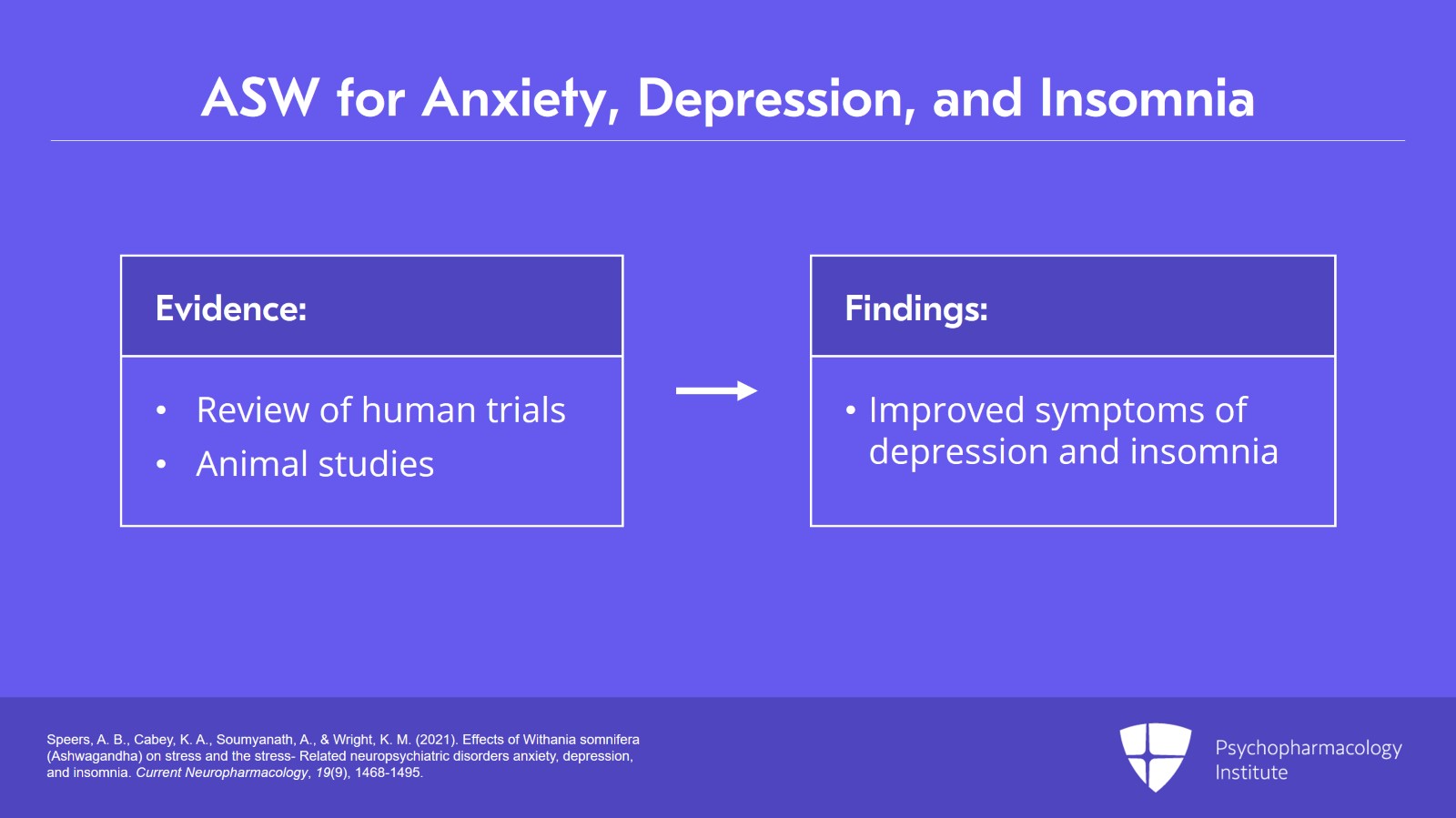
Regarding anxiety, depression, and insomnia, there was a review of seven human trials using doses ranging from 125 to 1000 mg a day. Also, evidence from animal studies was reviewed. By and large, it was thought to help improve symptoms of depression and insomnia.
References:
  • Speers, A. B., Cabey, K. A., Soumyanath, A., & Wright, K. M. (2021). Effects of Withania somnifera (Ashwagandha) on stress and the stress- Related neuropsychiatric disorders anxiety, depression, and insomnia. Current Neuropharmacology, 19(9), 1468-1495.

Slide 10 of 15

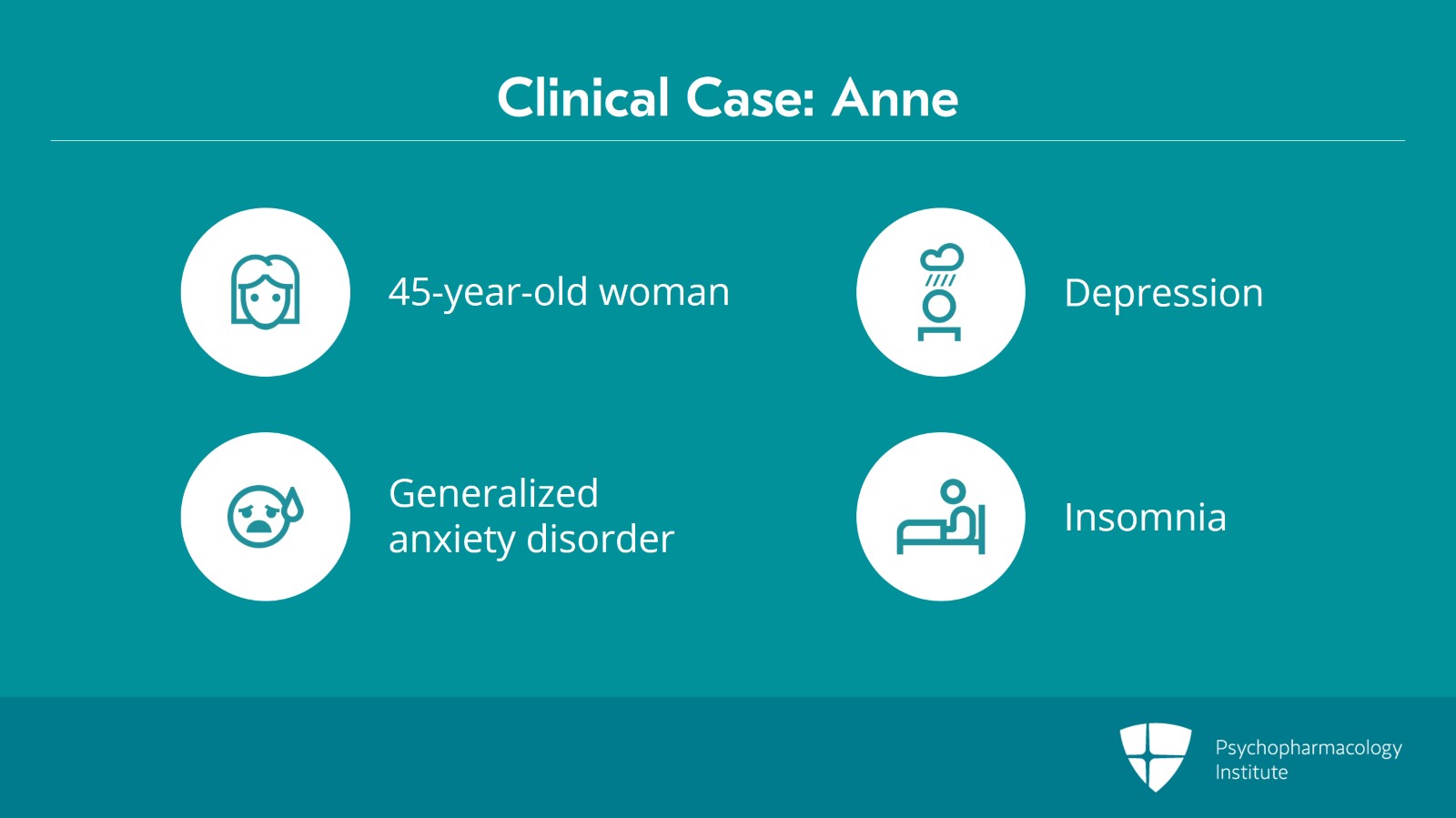
I'll illustrate its potential use in the fifth patient, Anne. This is a 45-year-old woman with a history of longstanding depression, generalized anxiety disorder, and insomnia.
Free Files
Success!
Check your inbox, we sent you all the materials there.

Slide 11 of 15

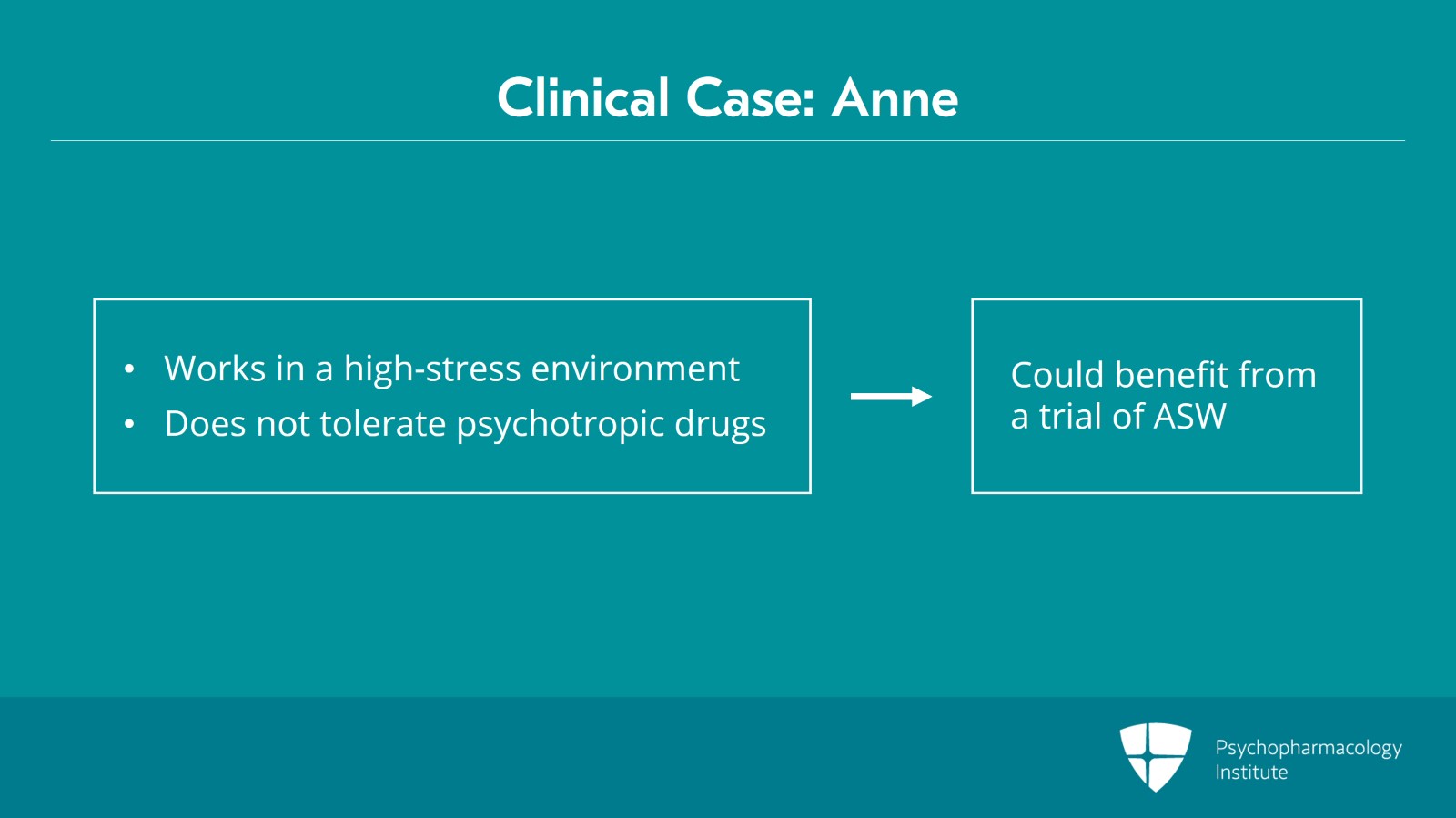
She works in a high-stress environment. Historically, she has not been able to tolerate most registered psychotropic drugs. An individual like this with these symptoms could benefit from a trial of ashwagandha with the understanding discussed beforehand that data are limited. 

Slide 12 of 15

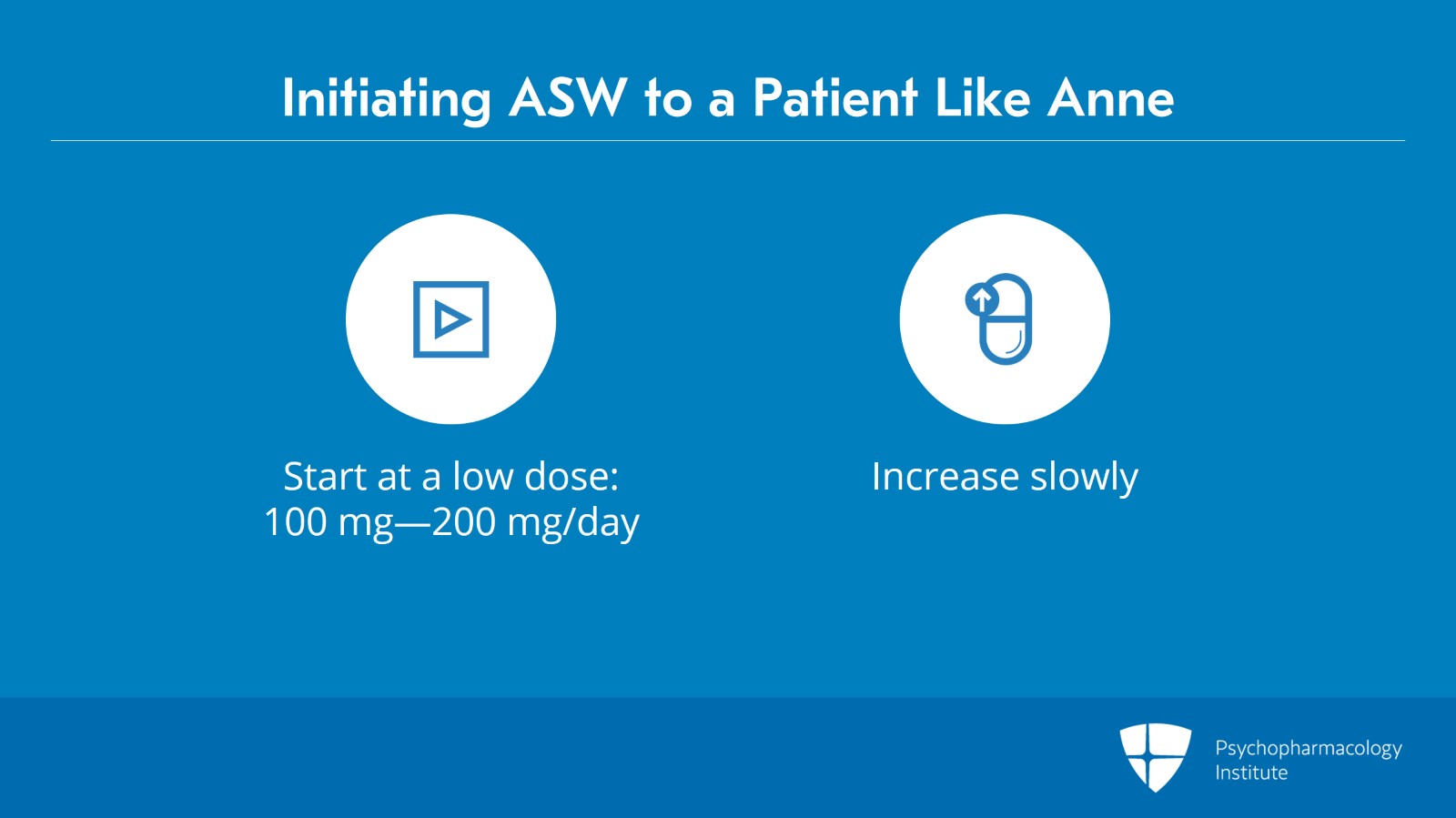
A patient like this might be best served by starting at a low dose of about 100 to 200 mg a day and then increase slowly and see if some benefit can be obtained.
Free Files
Success!
Check your inbox, we sent you all the materials there.

Slide 13 of 15

I'll end this section with three key points. Ashwagandha has been proposed to have a wide variety of psychiatric applications. Potential uses include anxiety, depression, OCD, schizophrenia, ADHD and substance use disorders as well as withdrawal. 

Slide 14 of 15

Patients and clinicians should always be alert for gastrointestinal side effects when using ashwagandha because these are the most commonly reported ones.
Free Files
Success!
Check your inbox, we sent you all the materials there.

Slide 15 of 15

Learning Objectives:

After completing this activity, the learner will be able to:

  • Evaluate the evidence-based applications and benefits of natural medication in psychiatric treatments.
  • Analyze the potential risks and side effects of using natural medication in psychiatric treatments.
  • Identify potential combinations of natural remedies and acquire strategies to optimize their use in psychiatric care.

Original Release Date: November 1, 2023

Review and Re-release Date: March 1, 2024

Expiration Date: November 1, 2026

Expert: David Mischoulon, M.D.

Medical Editor: Paz Badía, M.D.

Relevant Financial Disclosures: 

David Mischoulon declares the following interests:

- Nordic Naturals:  Received research support (medication and placebo for a study)

- heckel medizintechnik GmbH:  Received research support (Whole Body Hyperthermia device for research study)

- MGH Clinical Trials Network and Institute (CTNI):  Received salary support

All of the relevant financial relationships listed above have been mitigated by Medical Academy and the Psychopharmacology Institute.

None of the others faculty, planners, and reviewers for this educational activity have relevant financial relationships to disclose during the last 24 months with ineligible companies whose primary business is producing, marketing, selling, re-selling, or distributing healthcare products used by or on patients.

Contact Information: For questions regarding the content or access to this activity, contact us at support@psychopharmacologyinstitute.com

Instructions for Participation and Credit:

Participants must complete the activity online during the valid credit period that is noted above.

Follow these steps to earn CME credit:

  1. View the required educational content provided on this course page.

  2. Complete the Post Activity Evaluation for providing the necessary feedback for continuing accreditation purposes and for the development of future activities. NOTE: Completing the Post Activity Evaluation after the quiz is required to receive the earned credit.

  3. Download your certificate.

Accreditation Statement

This activity has been planned and implemented in accordance with the accreditation requirements and policies of the Accreditation Council for Continuing Medical Education through the joint providership of Medical Academy LLC and the Psychopharmacology Institute. Medical Academy is accredited by the ACCME to provide continuing medical education for physicians.

Credit Designation Statement

Medical Academy designates this enduring activity for a maximum of 0.75 AMA PRA Category 1 credit(s)™. Physicians should claim only the credit commensurate with the extent of their participation in the activity.


Free Files
Success!
Check your inbox, we sent you all the materials there.
Continue in the website
Instant access modal

Become a Bronze, Silver, Gold, Bronze extended, Silver extended or Gold extended Member.

2025–26 Psychopharmacology CME Program

Unlock up to 155 CME Credits, including 40 SA CME Credits.