Close Banner
Section Free  - Video Lectures

11. Clinical Cases

Published on August 1, 2023 Certification expiration date: August 1, 2026

Amelia Villagomez, M.D.

Assistant Professor of Psychiatry - University of Arizona

Key Points

  • BSMs can amplify the effect of stimulant medications.
  • Close monitoring and expert guidance are needed when BSMs are started alongside psychotropic medication.
  • BSM supplementation can often improve mood regulation.

Free Downloads for Offline Access

  • Free Download Presentation File (PPTX)
  • Free Download Audio File (MP3)
  • Free Download Video (MP4)

Slides and Transcript
Slide 1 of 25

Now, I'm going to discuss some cases. These cases came from my clinical practice and I've merged a few different clinical presentations together into one story to de-identify the cases and for purposes of making various teaching points.

Slide 2 of 25

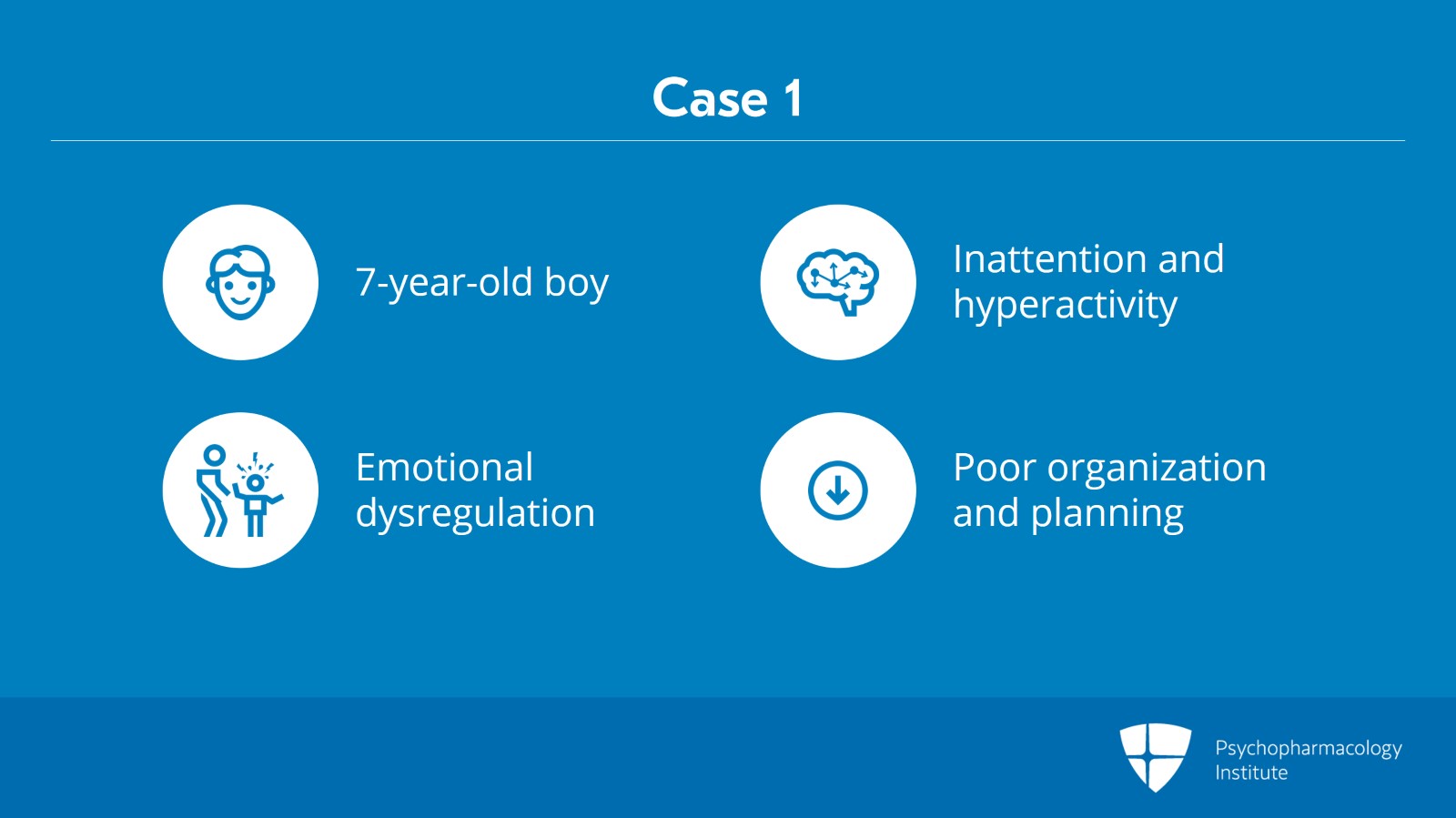
Case one: Seven-year-old with long history of inattention, hyperactivity, and emotional dysregulation. Parents reported his 4-year-old sister can organize and plan more than he can.
Free Files
Success!
Check your inbox, we sent you all the materials there.
Slide 3 of 25

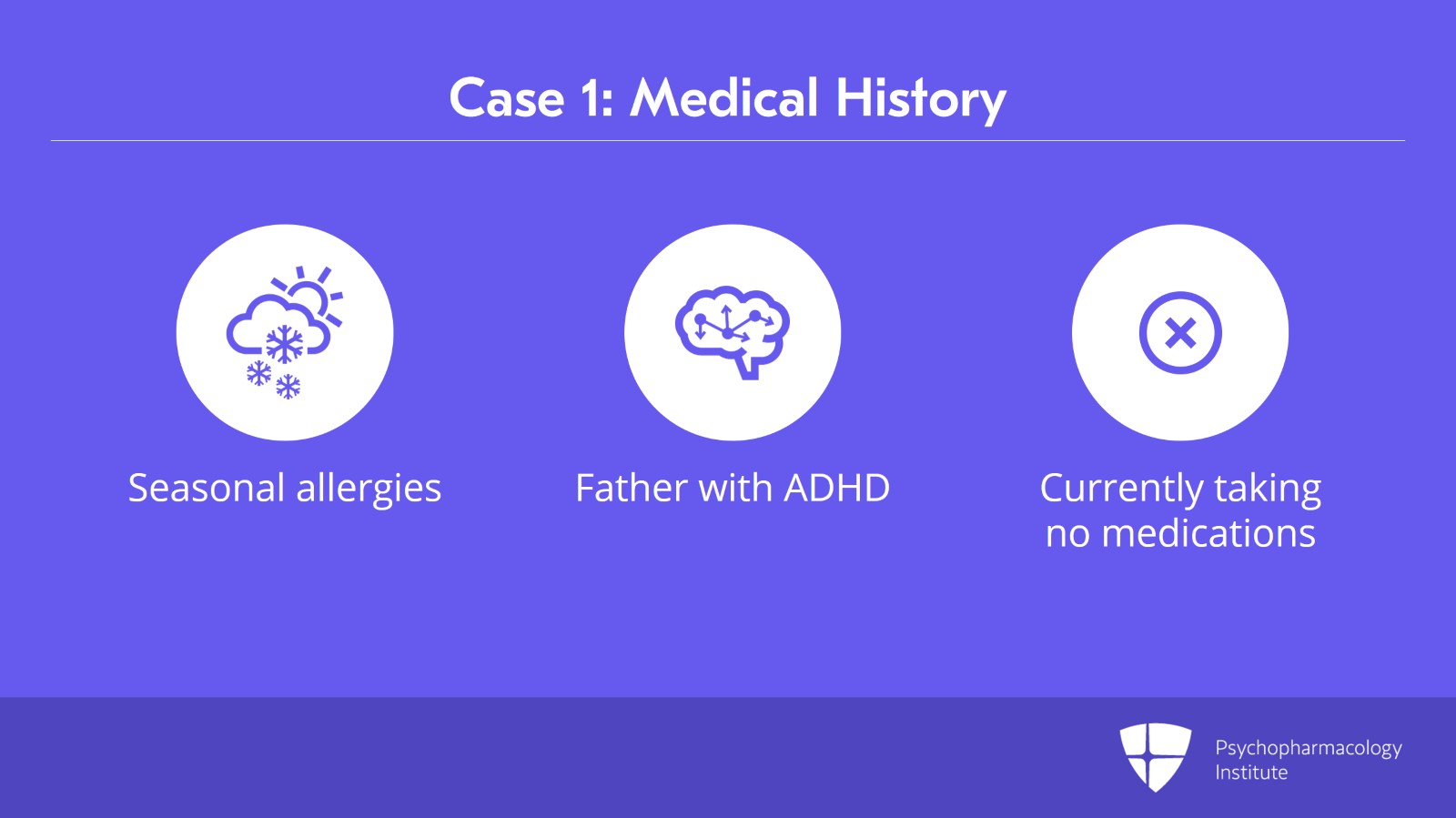
He had a medical history significant for seasonal allergies, a father with ADHD, and he was currently taking no medications.

Slide 4 of 25

After a thorough review of symptoms, teacher report and parent report, I diagnosed him with ADHD. I discussed with the parents that stimulant medication is the standard of care for the treatment of ADHD. We discussed the options for behavioral therapy, importance of exercise, and a healthy diet.
Free Files
Success!
Check your inbox, we sent you all the materials there.

Slide 5 of 25

Parents were hesitant to start stimulant medication as the father had a significant side effect in the past when he had taken methylphenidate as a child.

Slide 6 of 25

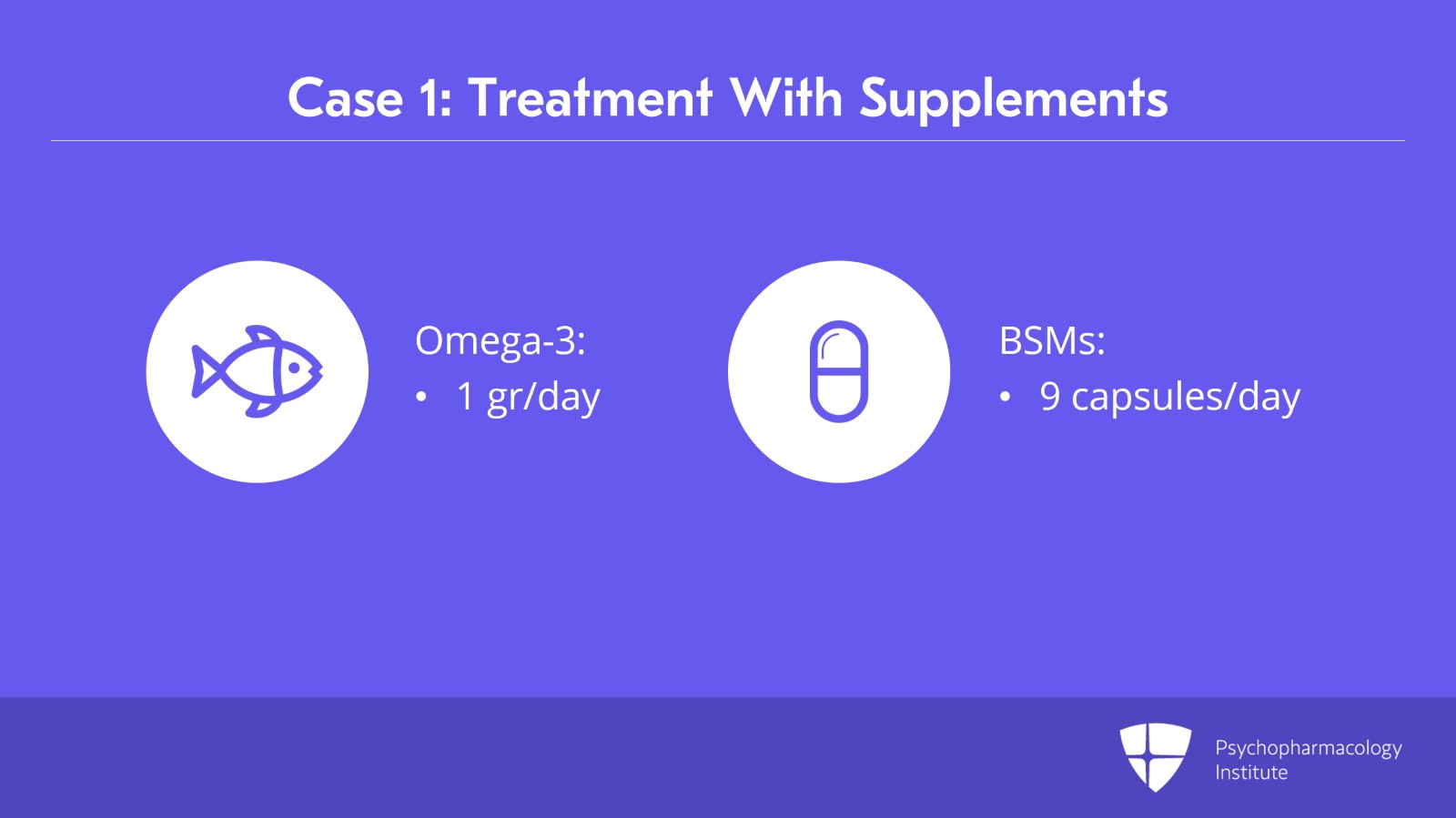
Mom asked if starting an omega-3 or any other supplements could also help with symptoms. I agreed that an omega-3 supplement could be helpful and recommended 1 g per day of which at least 600 mg should be from EPA. We then discussed the risk, benefits, and alternatives of starting broad-spectrum micronutrients. We titrated with the aim of getting to nine pills per day as used in the MADDY trial.
Free Files
Success!
Check your inbox, we sent you all the materials there.
Slide 7 of 25

On day 10 of starting broad-spectrum micronutrients, parents reported some improvement. He seemed not to get as angry as easily. On day 15, the patient started complaining of stomach aches so we reduced the dose to three capsules in the morning, two at noon and two at dinner. On day 30, parents reported a significant improvement, no more stomach aches.

Slide 8 of 25

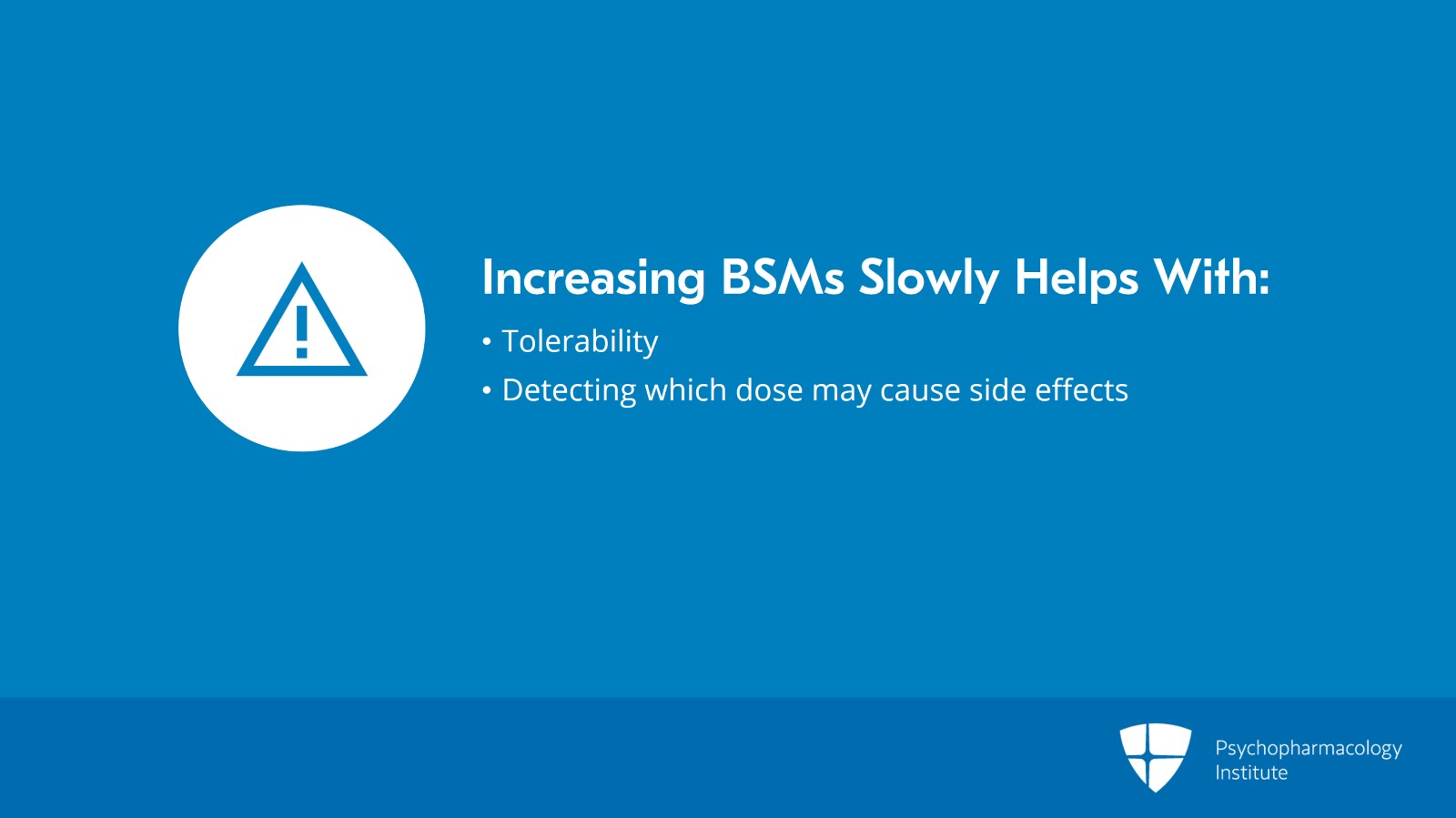
Of note, I increased the dose more slowly than what was done in clinical trials to help with tolerability and to be able to detect what dose may be causing side effects if they emerge which, in this case, they did.
Free Files
Success!
Check your inbox, we sent you all the materials there.
Slide 9 of 25

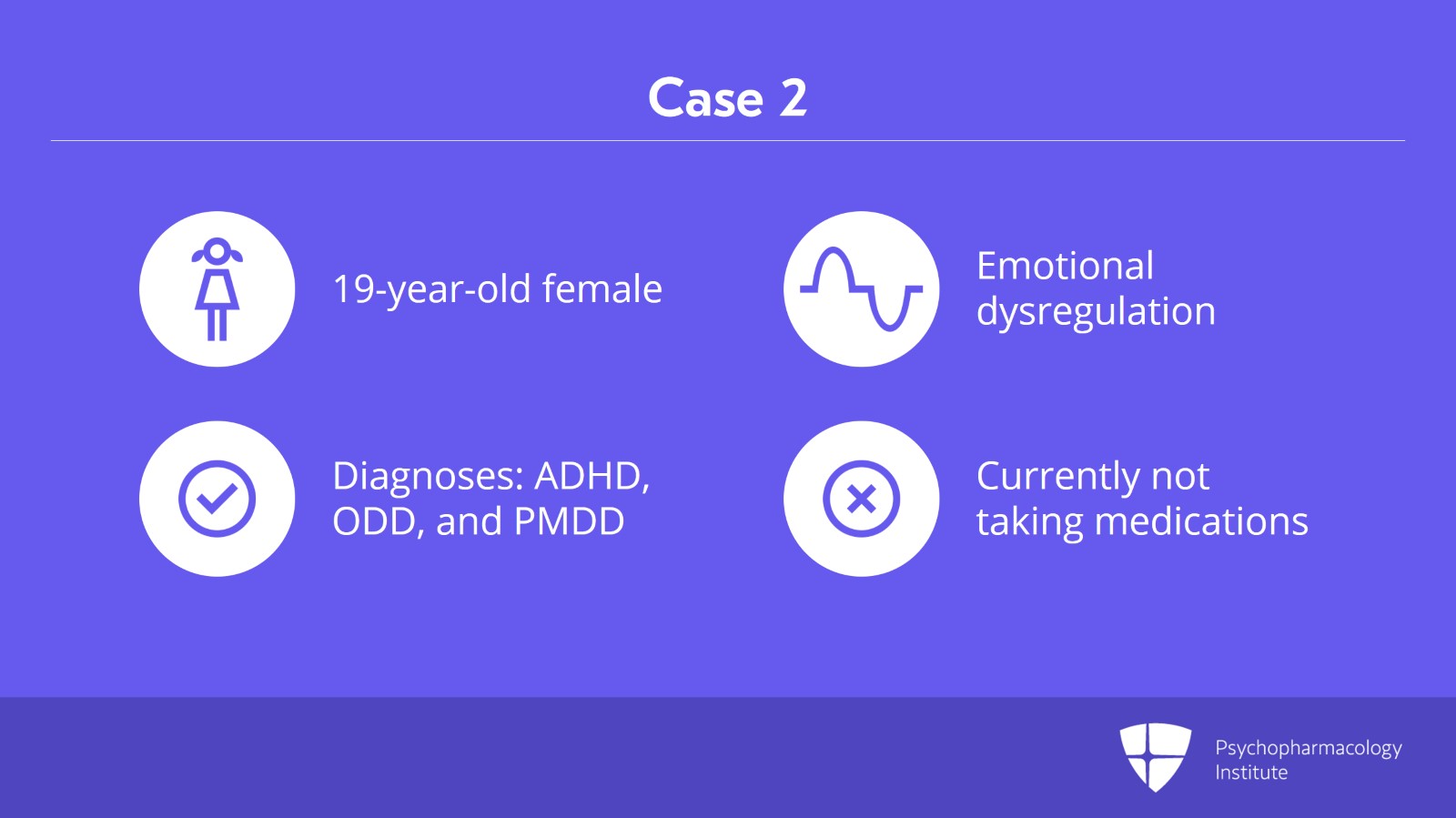
The next case is of a 19-year-old female presenting with emotional dysregulation for several years. She had been diagnosed with ADHD and ODD at age 10. She was diagnosed with PMDD last year after describing high amounts of irritability prior to menses. She currently is not taking any medication given previous side effects with stimulants.

Slide 10 of 25

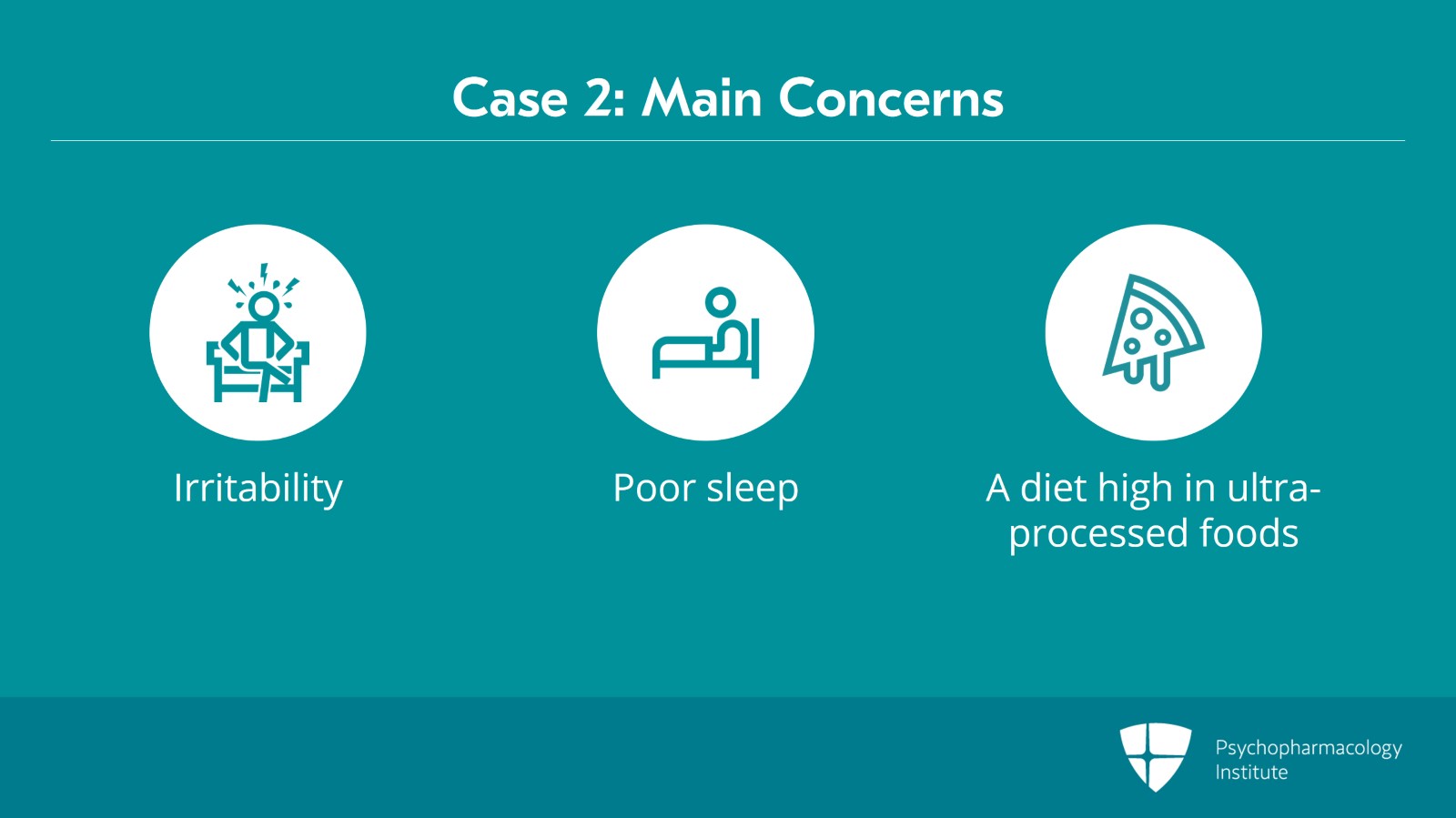
Main concerns were irritability, poor sleep, and a diet high in ultra-processed foods.
Free Files
Success!
Check your inbox, we sent you all the materials there.

Slide 11 of 25

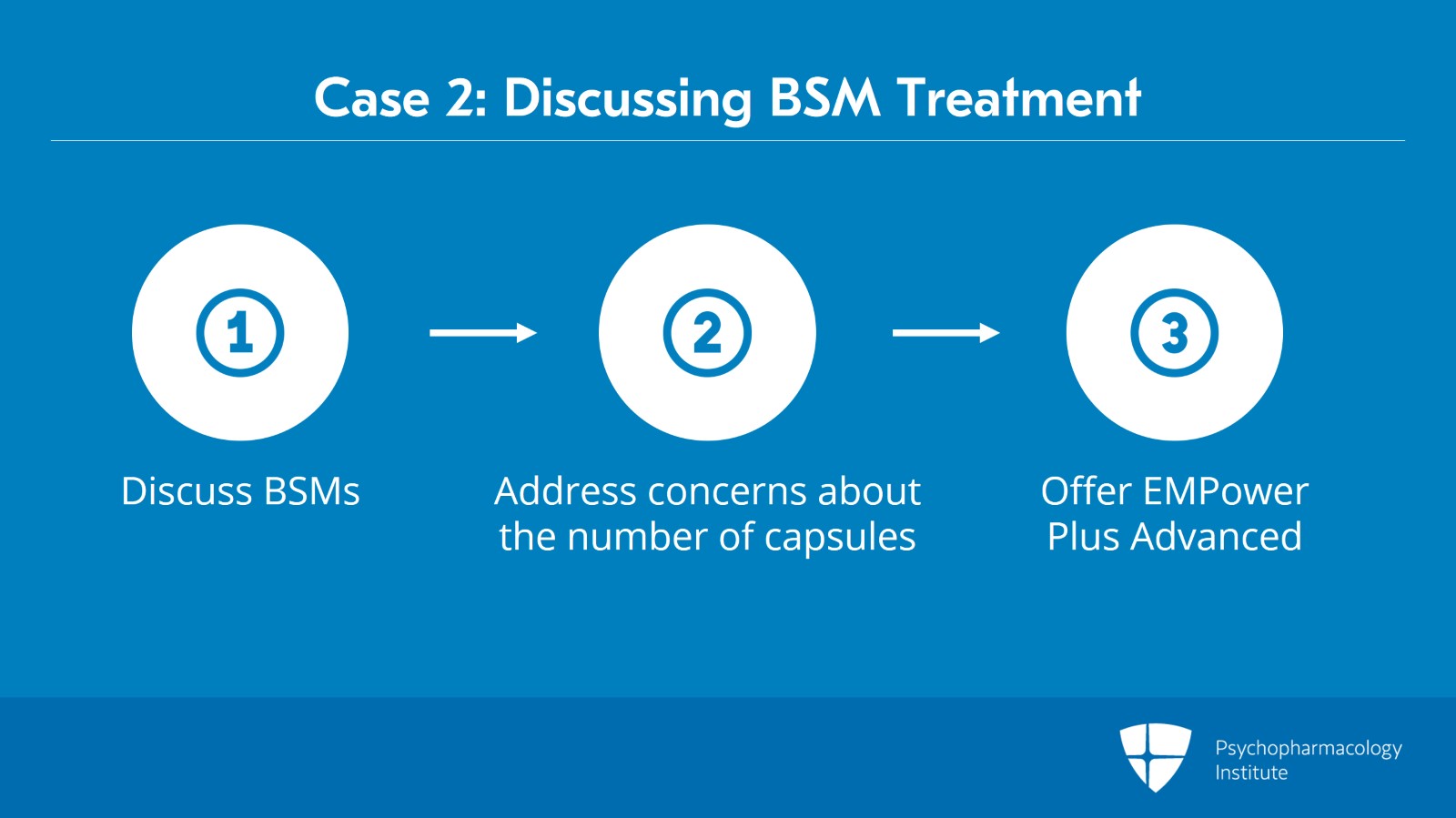
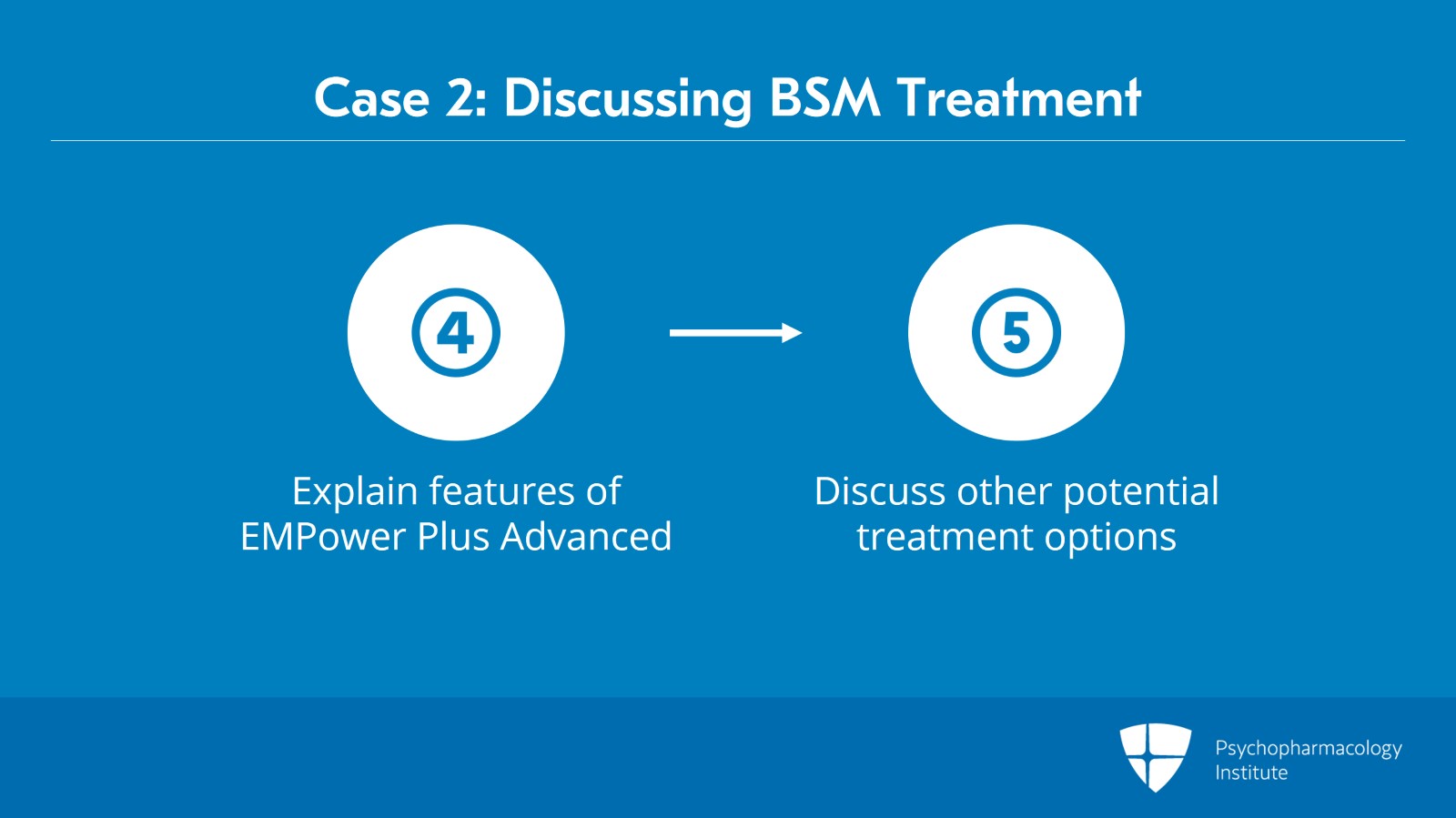
I discussed with the patient the data showing improvement in children and adults with ADHD using broad-spectrum micronutrients. The patient was very interested in this approach; however, she was concerned with the number of capsules required with the Daily Essential Nutrients product. I discussed with her that although the two RCTs for pediatric ADHD used the Daily Essential Nutrients product, a newer version requiring fewer pills of EMPower Plus Advanced, has been studied in patients with PMS of which a portion also had PMDD.

Slide 12 of 25

I explained that for adults the dose of the nutrients in EMPower Plus Advanced is below the upper tolerable limit except for nicotinamide. We discussed other potential treatment options including starting an SSRI.
Free Files
Success!
Check your inbox, we sent you all the materials there.
Slide 13 of 25

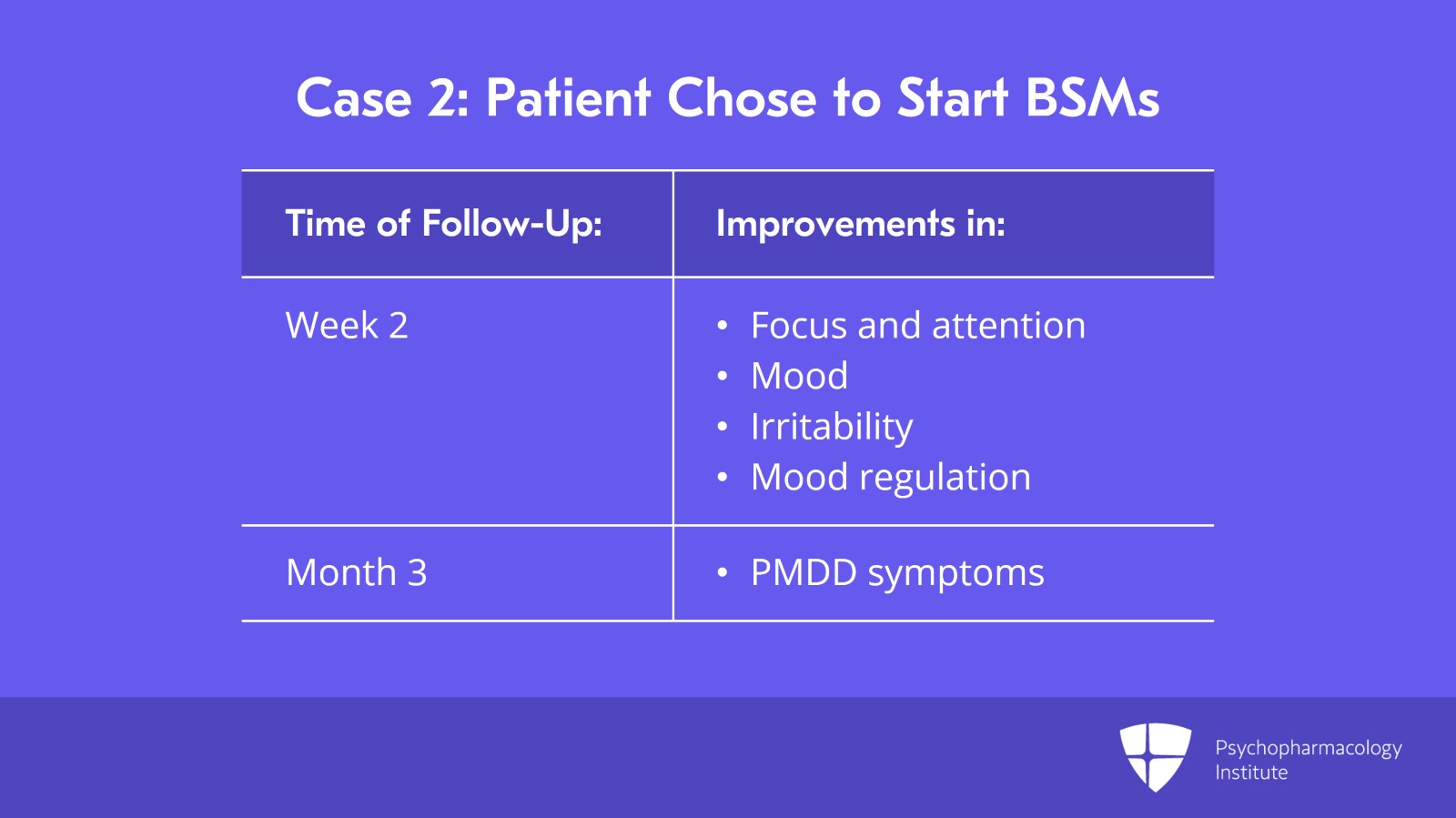
The patient elected to start a six-week trial of EMPower Plus Advanced. Patient reported at two-week follow-up some improvement with focus and attention but a large improvement with mood, decreased irritability and improvement in overall mood regulation. At subsequent follow-up at three months, the patient reported improvement in PMDD symptoms.

Slide 14 of 25

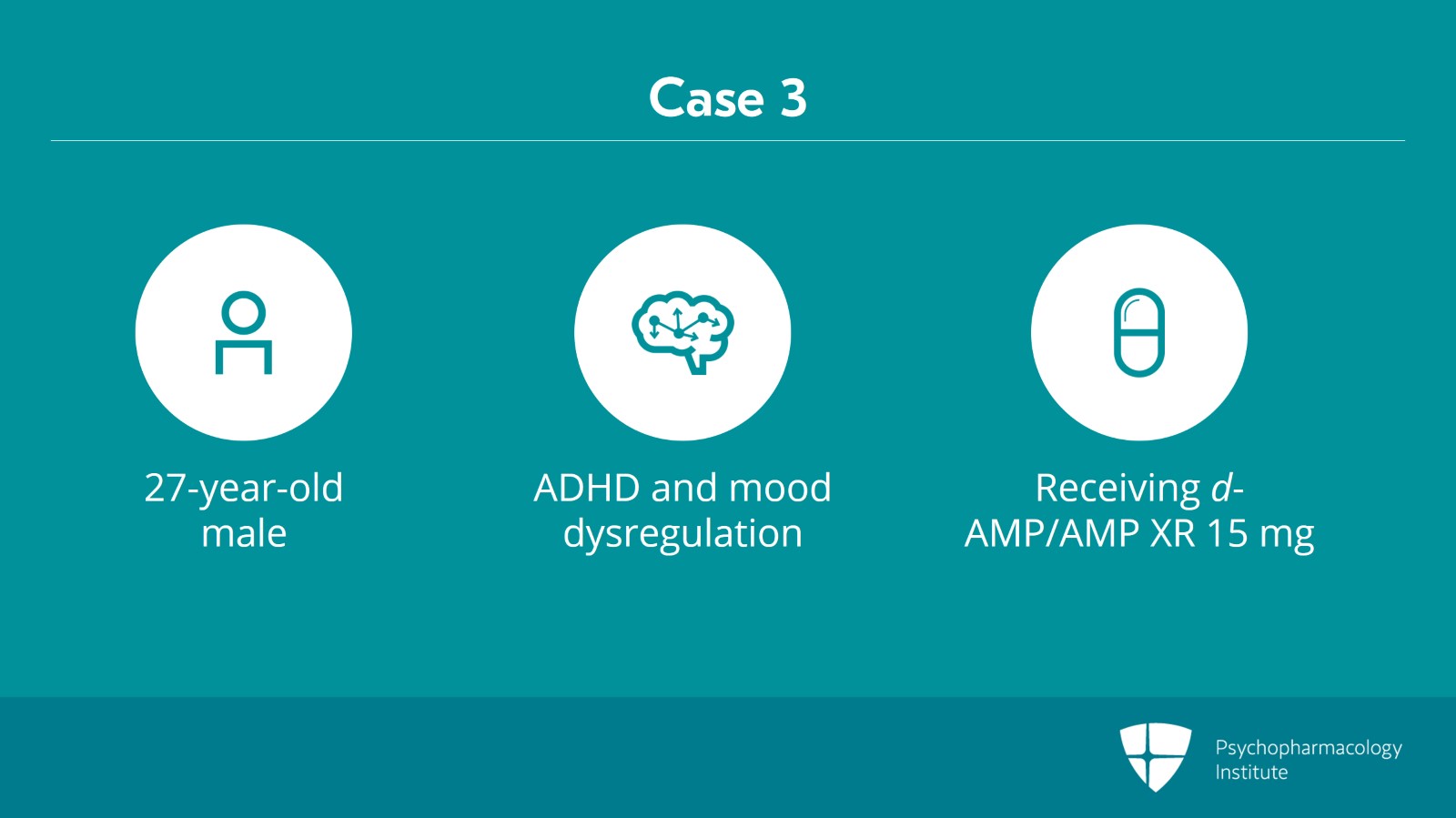
Case three: This last case is a 27-year-old with ADHD and mood dysregulation. He's currently prescribed dextroamphetamine/amphetamine XR 15 mg.
Free Files
Success!
Check your inbox, we sent you all the materials there.
Slide 15 of 25

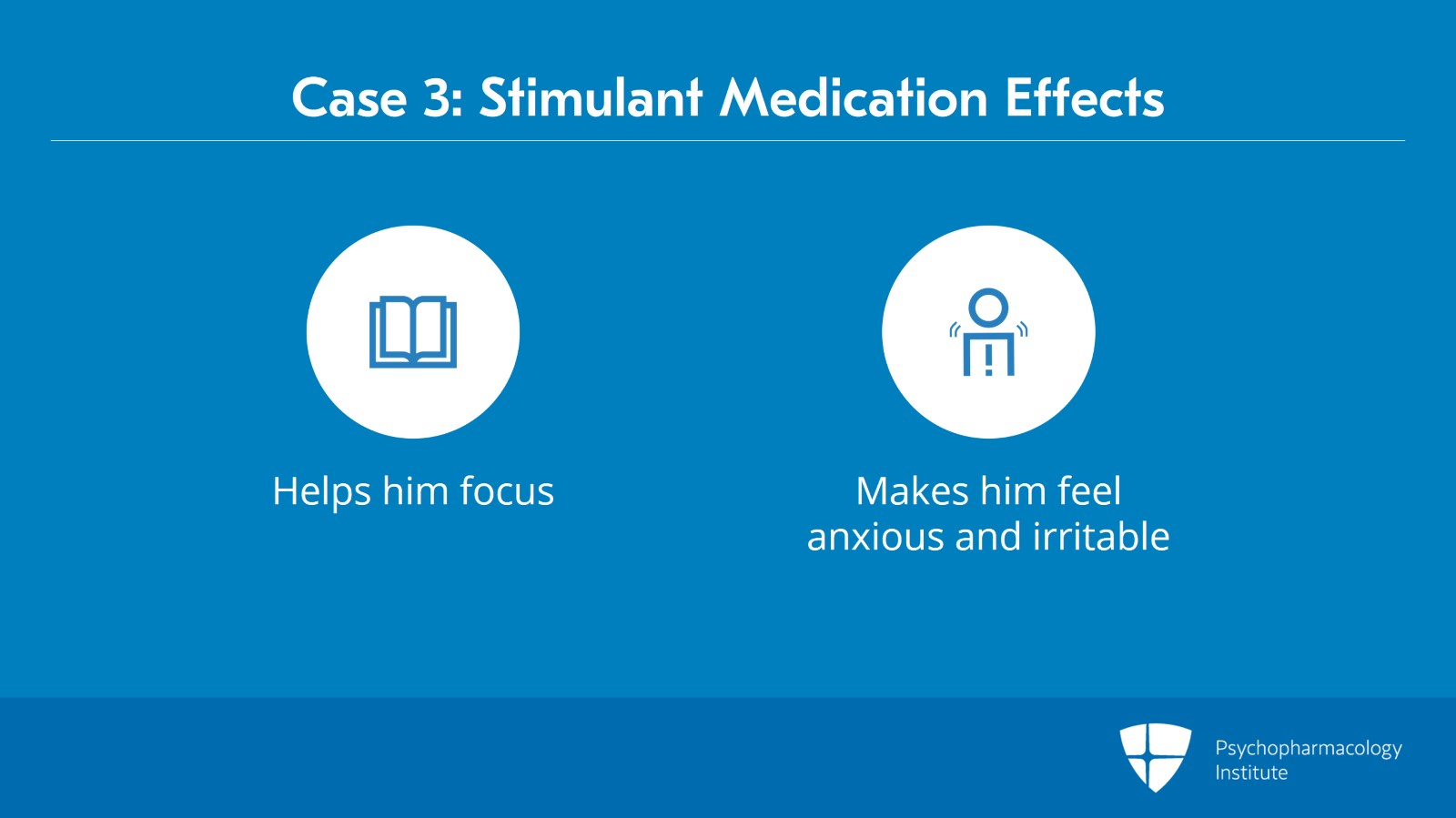
He states that the medication helps a great deal with focus but that when he takes it he feels more anxious and irritable.

Slide 16 of 25

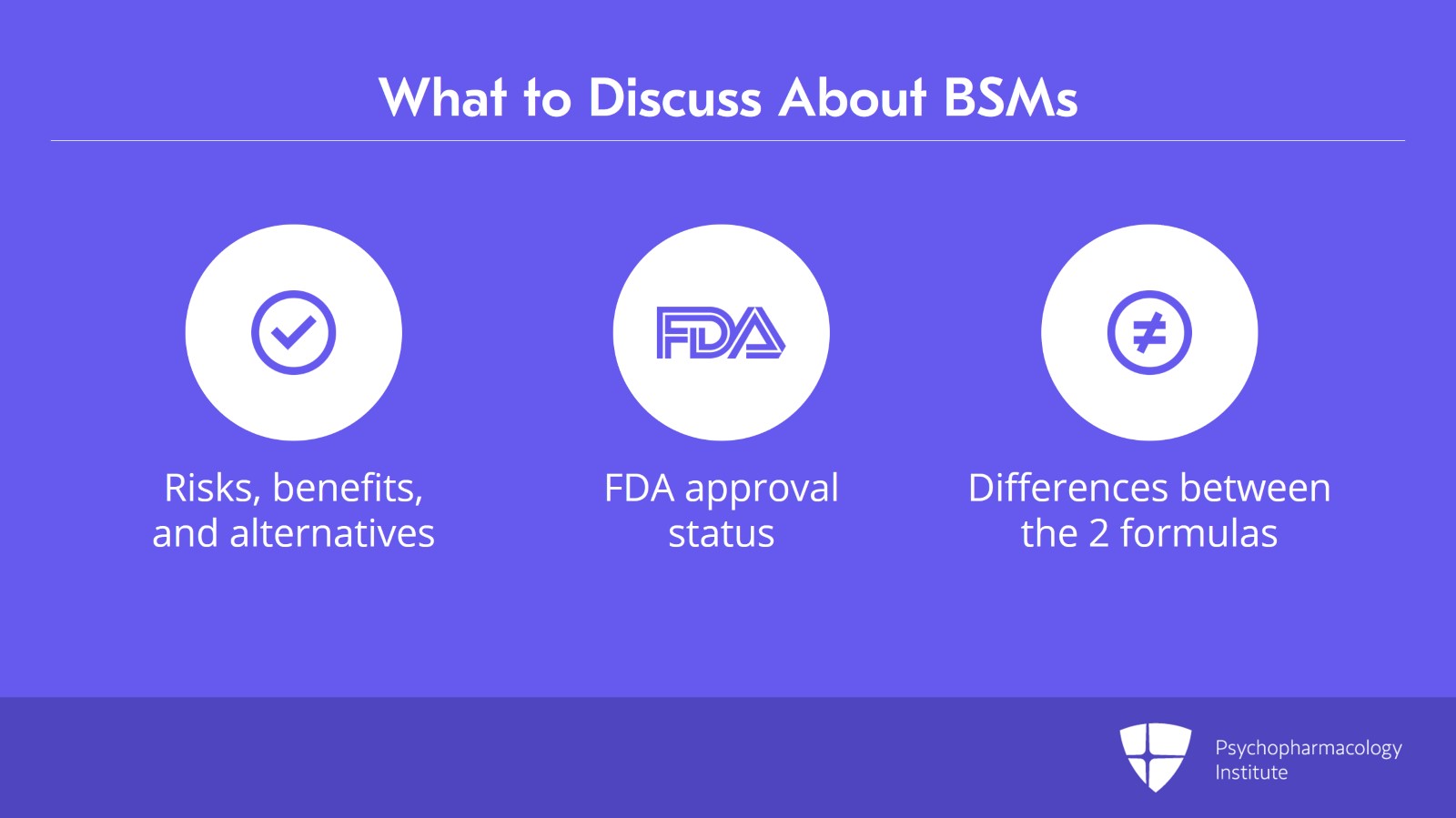
We discussed risks, benefits, and alternatives of broad-spectrum micronutrients and that although the two formulas have been studied in three randomized controlled trials, neither formula has an FDA-approved indication. We discussed the difference in the two formulas and what studies have been done in children and adults.
Free Files
Success!
Check your inbox, we sent you all the materials there.
Slide 17 of 25

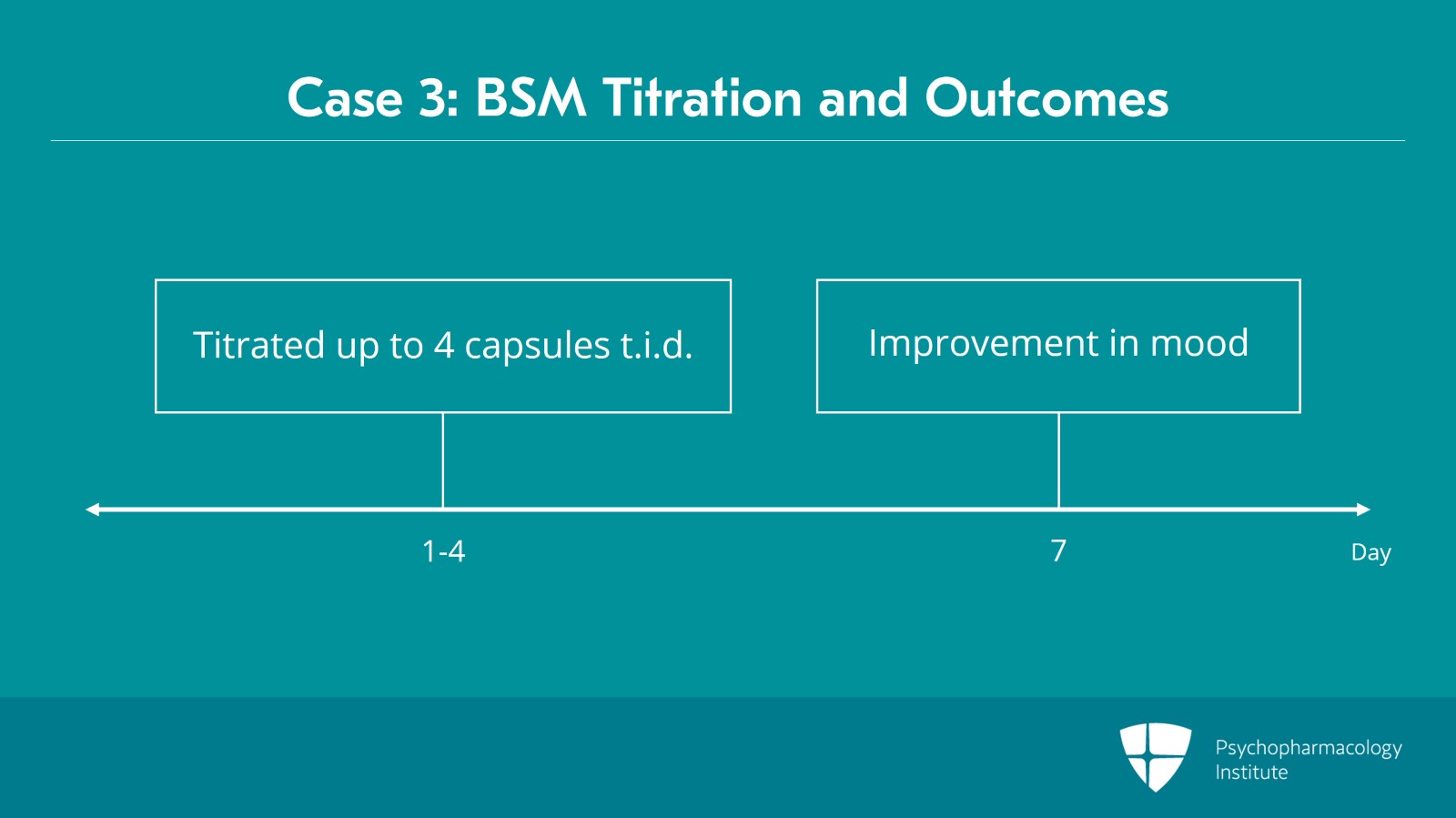
Patient agreed to a trial. Over the course of four days, we titrated up the dose to four capsules three times daily. On day seven, he reported an improvement in his mood.

Slide 18 of 25

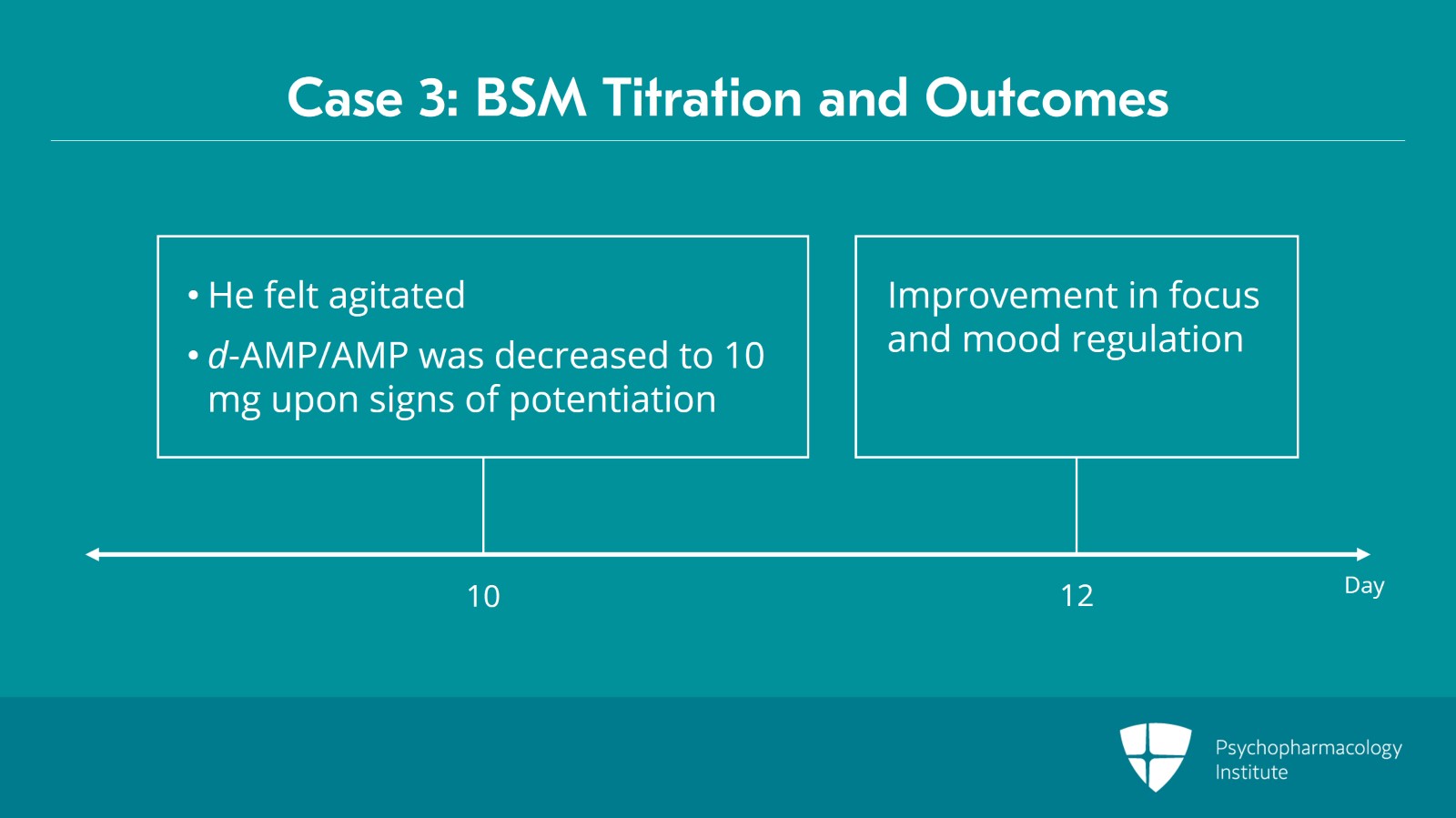
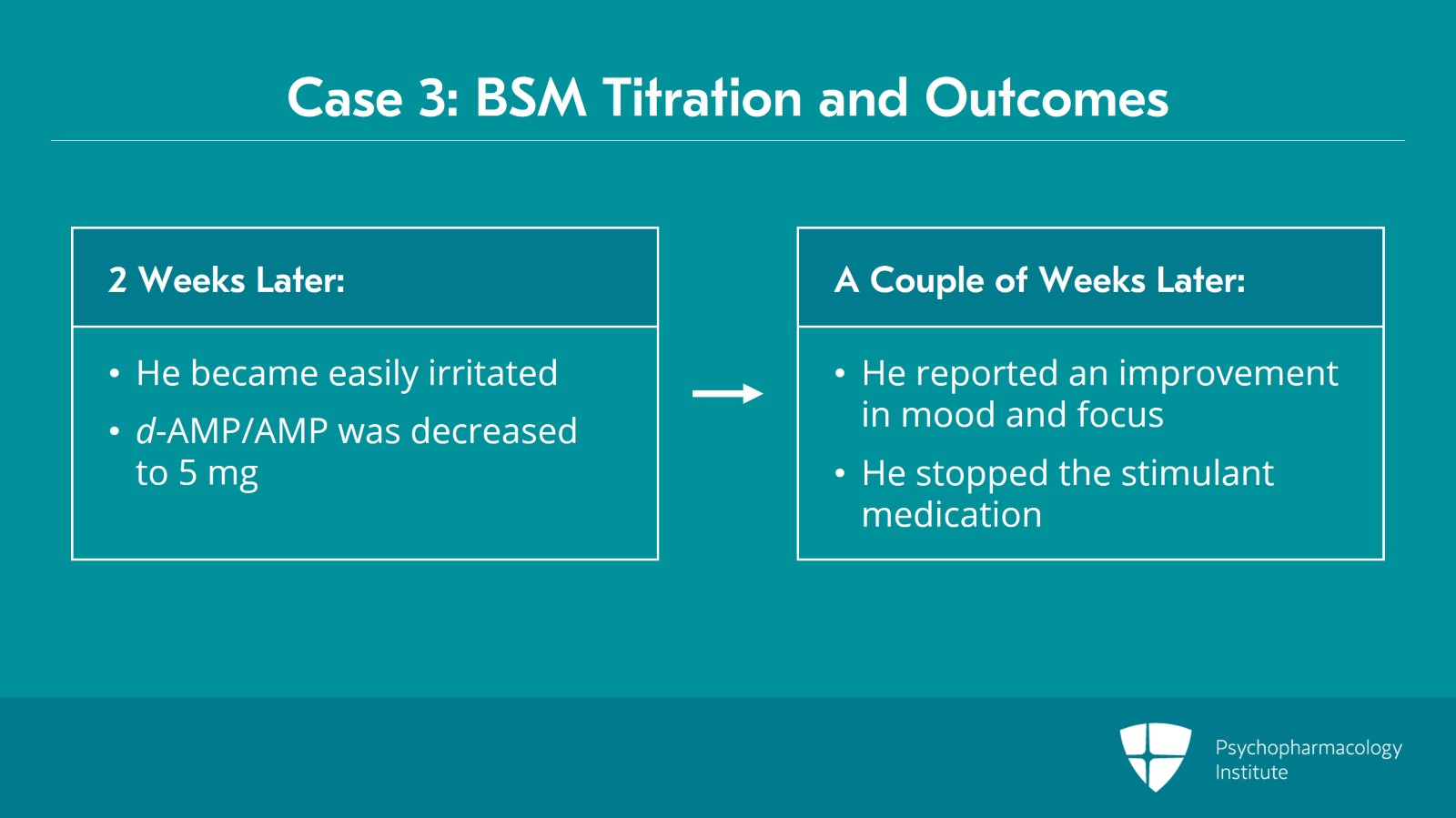
On day 10, he reported feeling agitated and said, everything bothers me. As this fit the description and timeframe of potentiation, I decreased the dose of the medication to dextroamphetamine/amphetamine XR 10 mg per recommendation of the manufacturer to decrease medication dosage by a quarter upon signs of potentiation. During a phone check-in two days later, the patient reported an improvement of focus and mood regulation.
Free Files
Success!
Check your inbox, we sent you all the materials there.
Slide 19 of 25

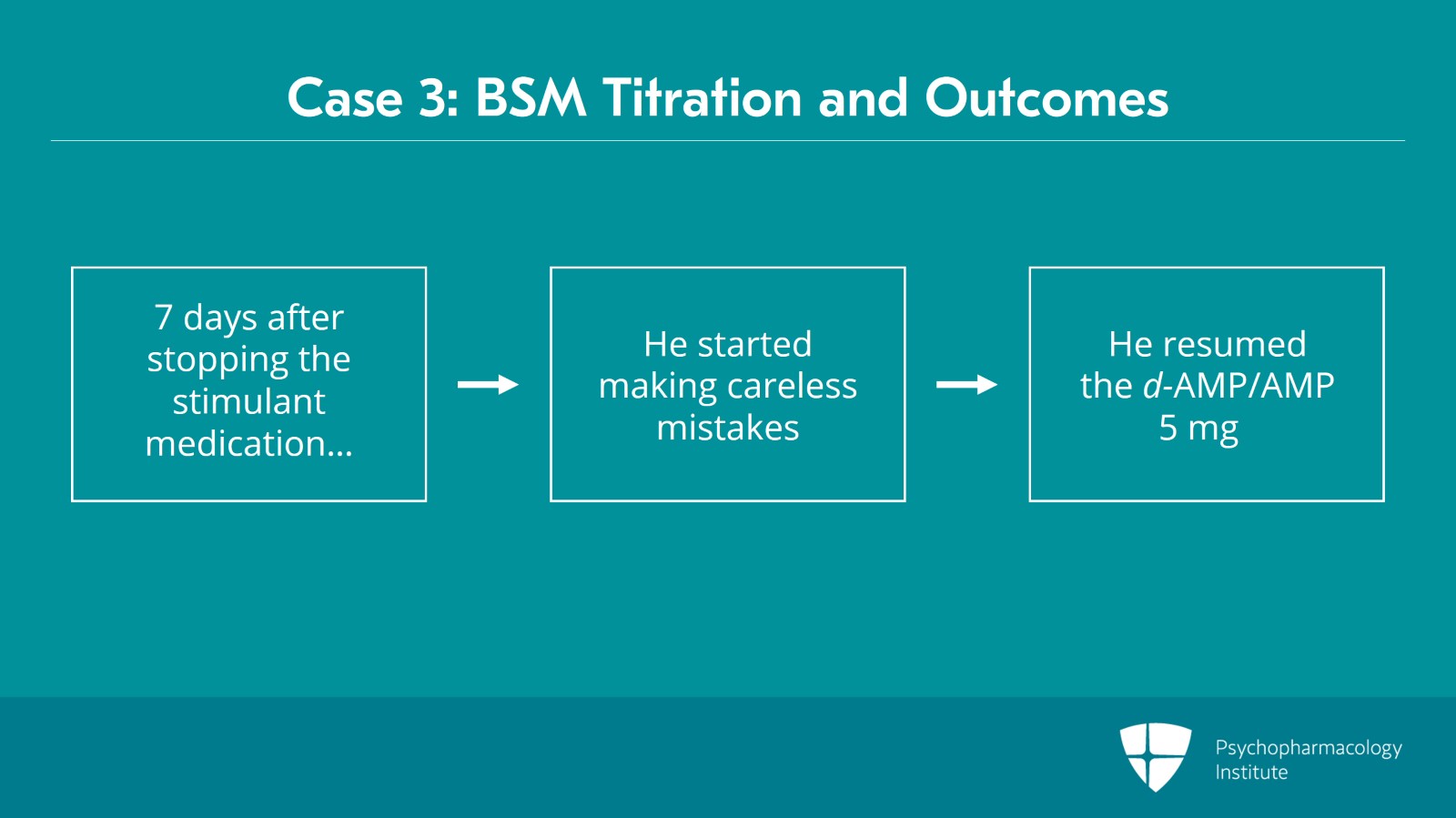
About two weeks later again, the patient reported feeling easily irritated. And again, the dose was decreased, this time to 5 mg daily. A couple of weeks later, the patient during a follow-up visit reported feeling quite well, calmer, lifted mood and still with good focus. He then decided to stop the stimulant medication.

Slide 20 of 25

However, seven days later, he called and stated that he was making careless mistakes at work and having a hard time driving and wanted to resume the dextroamphetamine/amphetamine XR 5 mg.
Free Files
Success!
Check your inbox, we sent you all the materials there.
Slide 21 of 25

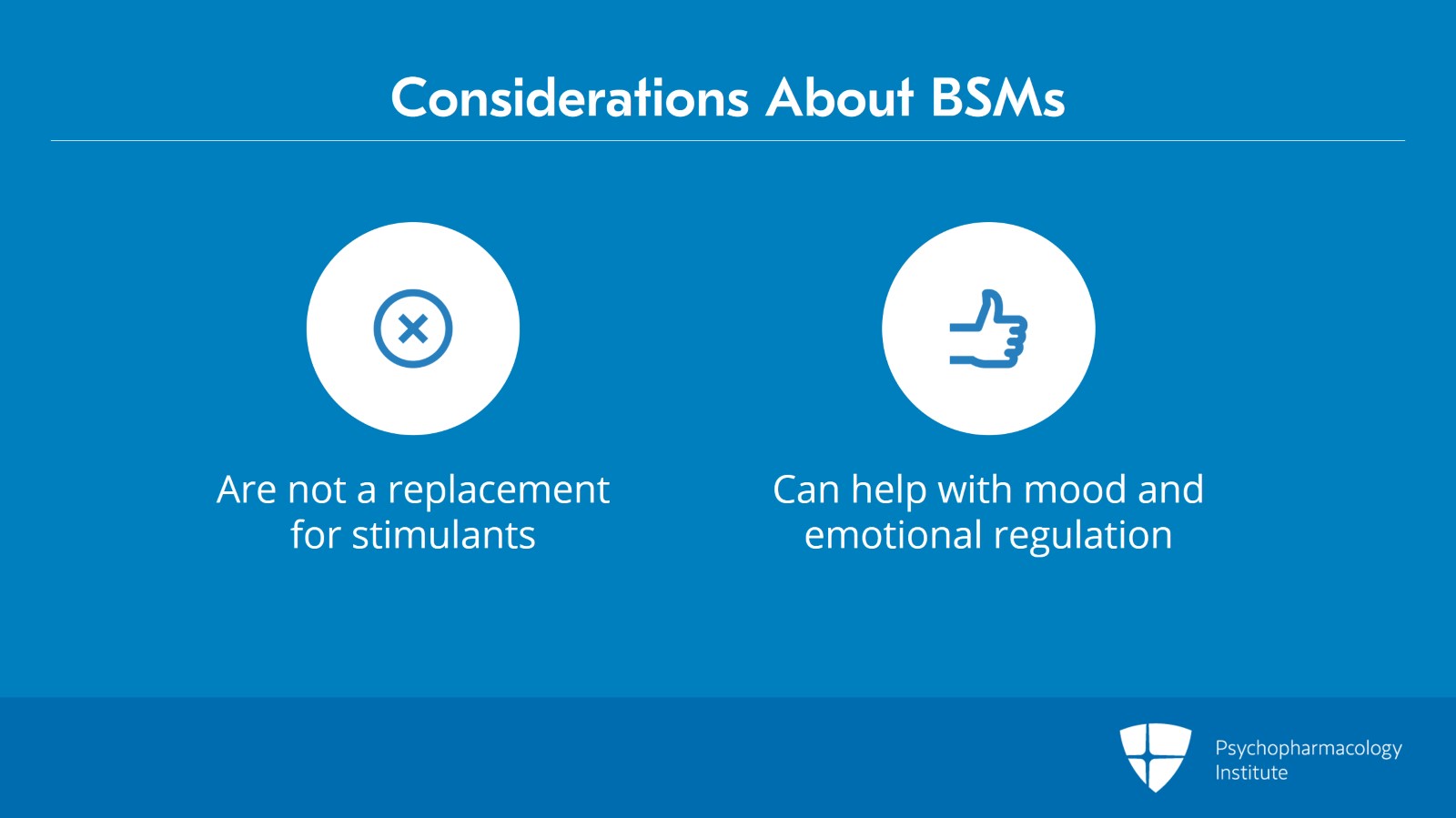
This case again illustrates what I've noted in my clinical practice. In many cases, the broad-spectrum micronutrients are not a replacement for stimulants but in many patients could help with mood and emotional regulation.

Slide 22 of 25

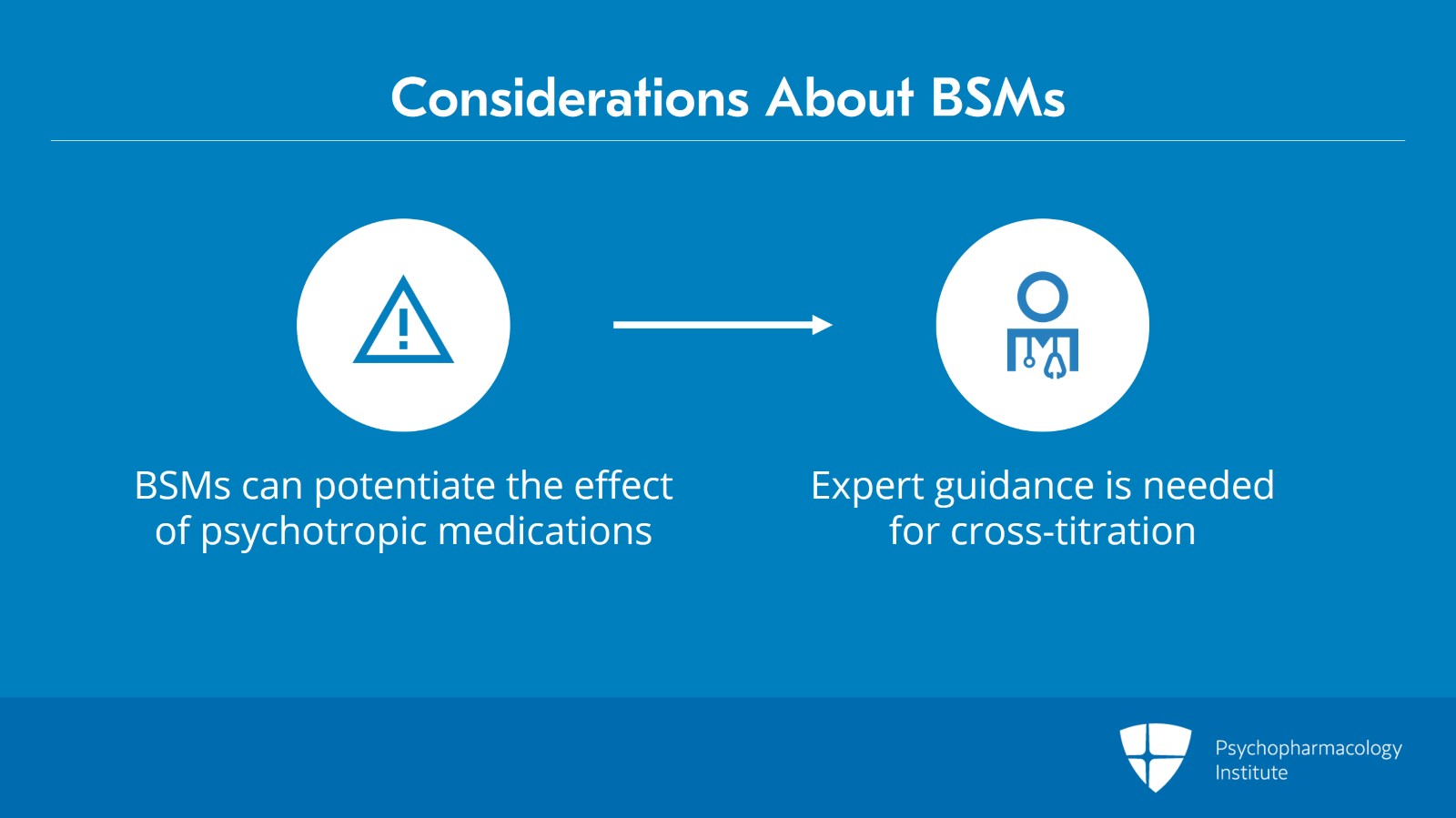
This also reinforces the point that psychotropic medications can be potentiated when combined with broad-spectrum micronutrients and therefore expert guidance is needed for cross-titration.
Free Files
Success!
Check your inbox, we sent you all the materials there.
Slide 23 of 25

Key points: Broad-spectrum micronutrients amplify the effect of stimulant medications. Therefore, close monitoring and expert guidance are needed when they are started alongside psychotropic medication as dose reductions are typically required.

Slide 24 of 25

Supplementation with broad-spectrum micronutrients often improve mood regulation.
Free Files
Success!
Check your inbox, we sent you all the materials there.
Slide 25 of 25

Learning Objectives:

After completing this activity, the learner will be able to:

  1. Describe and proficiently utilize the procedure for the clinical implementation of BSMs.
  2. Discuss with patients about the risks and benefits of BSM utilization.
  3. Identify and comprehend the patient profiles that may benefit substantially from BSM supplementation.

Original Release Date: August 1, 2023

Review and Re-release Date: March 1, 2024

Expiration Date: August 1, 2026

Expert: Amelia Villagomez, M.D.

Medical Editor: Paz Badía, M.D.

Relevant Financial Disclosures: 

None of the faculty, planners, and reviewers for this educational activity have relevant financial relationships to disclose during the last 24 months with ineligible companies whose primary business is producing, marketing, selling, re-selling, or distributing healthcare products used by or on patients.

Contact Information: For questions regarding the content or access to this activity, contact us at support@psychopharmacologyinstitute.com

Instructions for Participation and Credit:

Participants must complete the activity online during the valid credit period that is noted above.

Follow these steps to earn CME credit:

  1. View the required educational content provided on this course page.

  2. Complete the Post Activity Evaluation for providing the necessary feedback for continuing accreditation purposes and for the development of future activities. NOTE: Completing the Post Activity Evaluation after the quiz is required to receive the earned credit.

  3. Download your certificate.

Accreditation Statement

This activity has been planned and implemented in accordance with the accreditation requirements and policies of the Accreditation Council for Continuing Medical Education through the joint providership of Medical Academy LLC and the Psychopharmacology Institute. Medical Academy is accredited by the ACCME to provide continuing medical education for physicians.

Credit Designation Statement

Medical Academy designates this enduring activity for a maximum of 0.75 AMA PRA Category 1 credit(s)™. Physicians should claim only the credit commensurate with the extent of their participation in the activity.

Free Files
Success!
Check your inbox, we sent you all the materials there.
Continue in the website
Instant access modal

Become a Bronze, Silver, Gold, Bronze extended, Silver extended or Gold extended Member.

2025–26 Psychopharmacology CME Program

Unlock up to 155 CME Credits, including 40 SA CME Credits.