Close Banner
Section Free  - Video Lectures

02. Use of Ginkgo Biloba in Children and Adolescents

Published on October 1, 2022 Certification expiration date: October 1, 2028

David R. Rosenberg, M.D.

Chair of the Department of Psychiatry & Behavioral Neuroscience - Wayne State University School of Medicine

Key Points

  • Ginkgo biloba is effective in reducing ADHD symptoms.
  • Although ginkgo biloba is less effective than MPH for ADHD treatment, it can be effective as adjunctive therapy.
  • Side effects of ginkgo biloba are generally mild.
  • Avoid using ginkgo biloba simultaneously with anticoagulants and in individuals with blood clotting impairments.
  • Ginkgo biloba may be an alternative for patients who are unable to tolerate or are not willing to take MPH.
  • Adding ginkgo biloba may provide additional benefits for patients who are taking MPH and have a partial response.

Free Downloads for Offline Access

  • Free Download Presentation File (PPTX)
  • Free Download Video (MP4)
  • Free Download Audio File (MP3)

Slides and Transcript
Slide 1 of 15

Let’s turn to video two, use of ginkgo biloba in children and adolescents.

Slide 2 of 15

Ginkgo leaves have been used for over 4000 years to treat a whole variety of indications including asthma, vertigo or dizziness, tinnitus, ringing in the ears. However, ginkgo may also have a role in the treatment of certain psychiatric illnesses.
References:
  • Rosenberg, D., & Gershon, S. (2012). Pharmacotherapy of child and adolescent psychiatric disorders. John Wiley & Sons.
  • Arnold, L. E., Hurt, E., & Lofthouse, N. (2013). Attention-deficit/hyperactivity disorder: Dietary and nutritional treatments. Child and Adolescent Psychiatric Clinics of North America, 22(3), 381–402.
Free Files
Success!
Check your inbox, we sent you all the materials there.
Slide 3 of 15

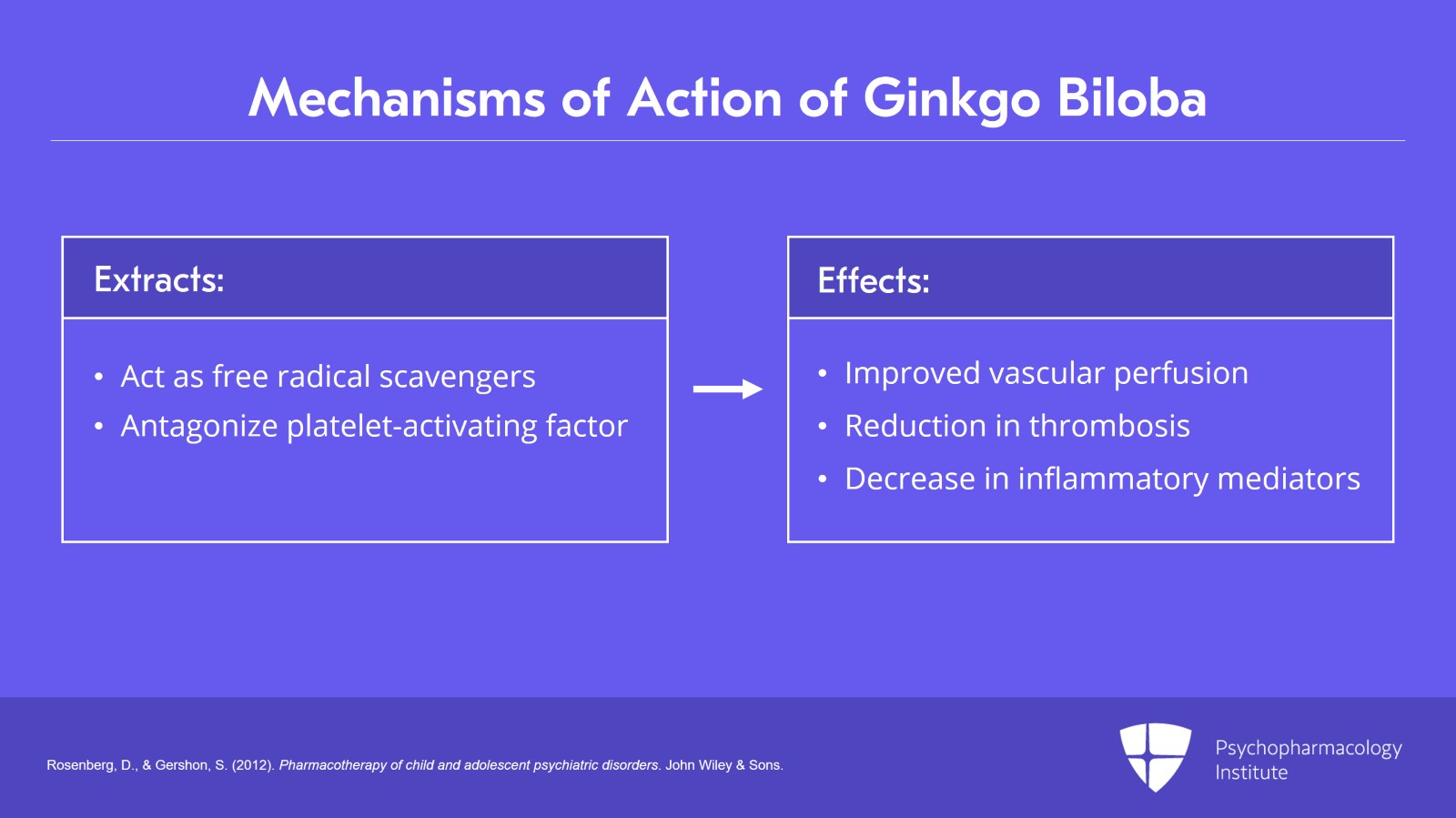
In terms of mechanism of action, ginkgo extracts, particularly the flavonoids, terpenoids, and organic acids are believed to act synergistically as free radical scavengers and antagonists of platelet activating factor. The result of this activity is improved vascular perfusion due to dilatation of arteries and capillaries, a reduction in thrombosis and a decrease in inflammatory mediators.
References:
  • Rosenberg, D., & Gershon, S. (2012). Pharmacotherapy of child and adolescent psychiatric disorders. John Wiley & Sons.

Slide 4 of 15

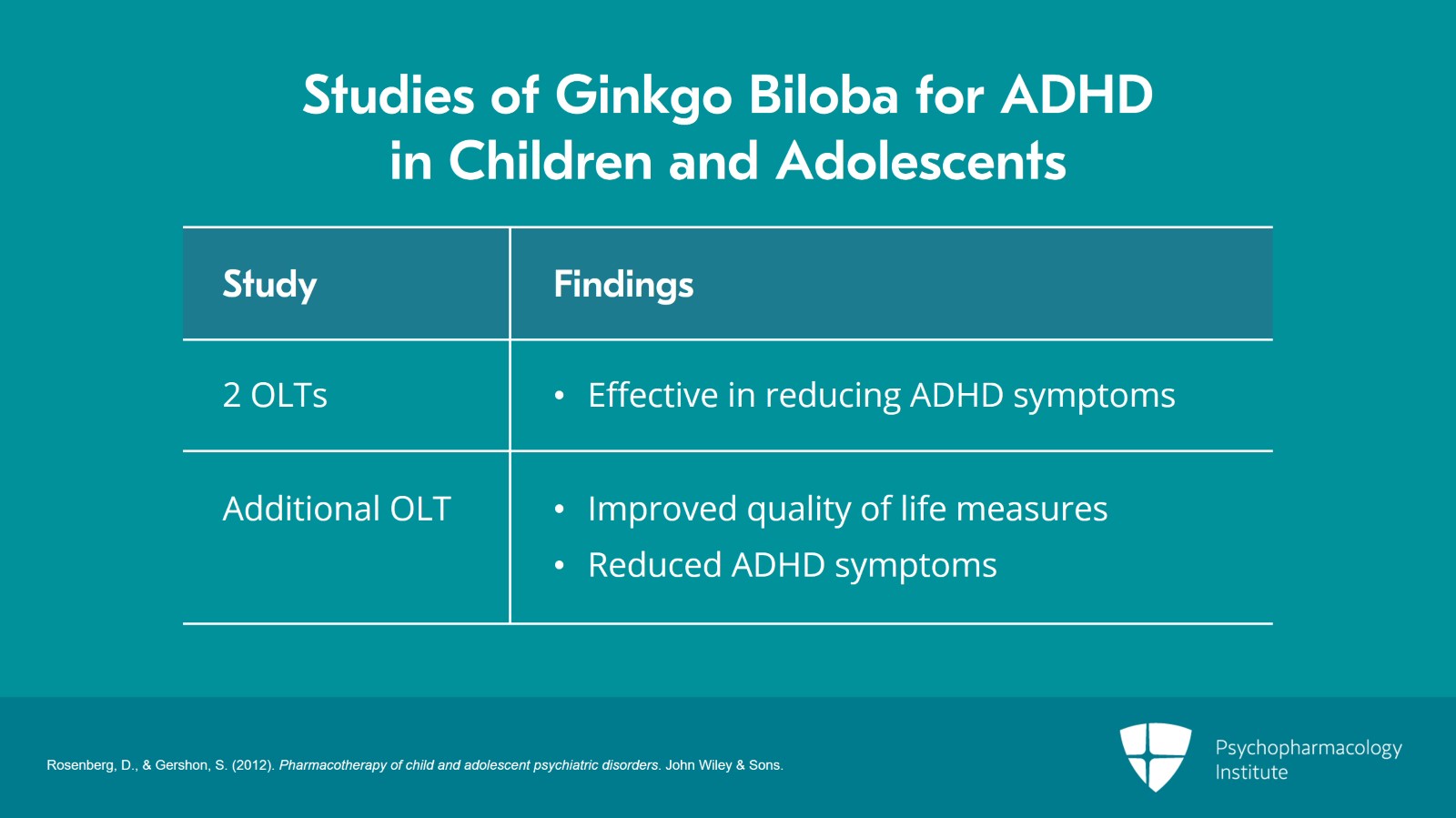
Potential indications for ginkgo biloba. ADHD. There are in fact several studies which have investigated the use of ginkgo for the treatment of ADHD in children and adolescents. Results from two open-label trials investigating the efficacy of ginkgo for the treatment of ADHD found that ginkgo was in fact effective in reducing ADHD symptoms after four weeks of treatment. An additional open-label trial also found that administration of the maximum daily dose of 240 mg of ginkgo led to improved quality of life measures and reduced ADHD symptoms.
References:
  • Rosenberg, D., & Gershon, S. (2012). Pharmacotherapy of child and adolescent psychiatric disorders. John Wiley & Sons.
Free Files
Success!
Check your inbox, we sent you all the materials there.
Slide 5 of 15

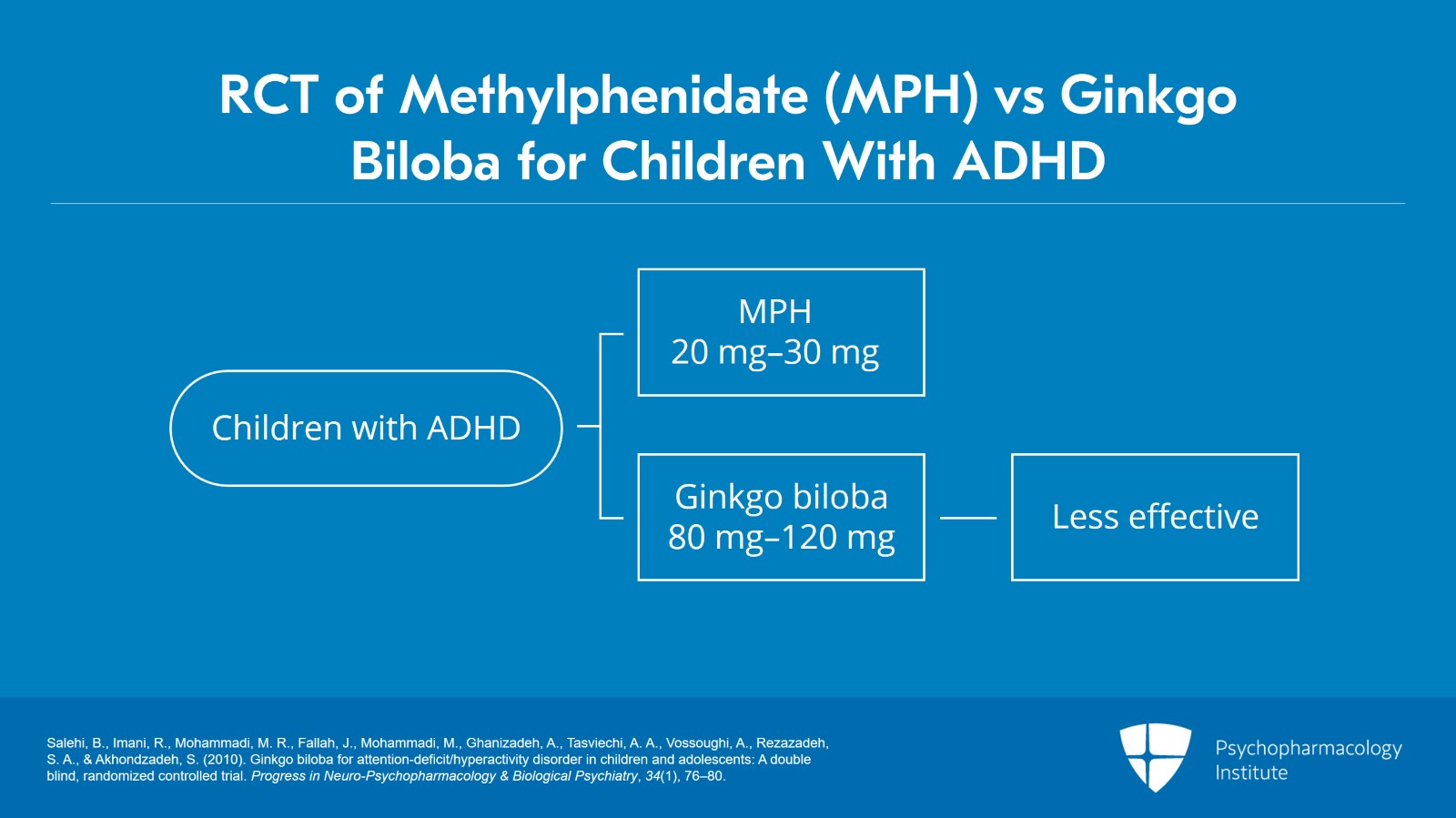
However, results from a six-week randomized controlled trial comparing methylphenidate at doses of 20 to 30 mg versus ginkgo with doses of 80 to 120 mg in children with ADHD found that ginkgo was significantly less effective than methylphenidate for the treatment of ADHD.
References:
  • Salehi, B., Imani, R., Mohammadi, M. R., Fallah, J., Mohammadi, M., Ghanizadeh, A., Tasviechi, A. A., Vossoughi, A., Rezazadeh, S. A., & Akhondzadeh, S. (2010). Ginkgo biloba for attention-deficit/hyperactivity disorder in children and adolescents: A double blind, randomized controlled trial. Progress in Neuro-Psychopharmacology & Biological Psychiatry, 34(1), 76–80.

Slide 6 of 15

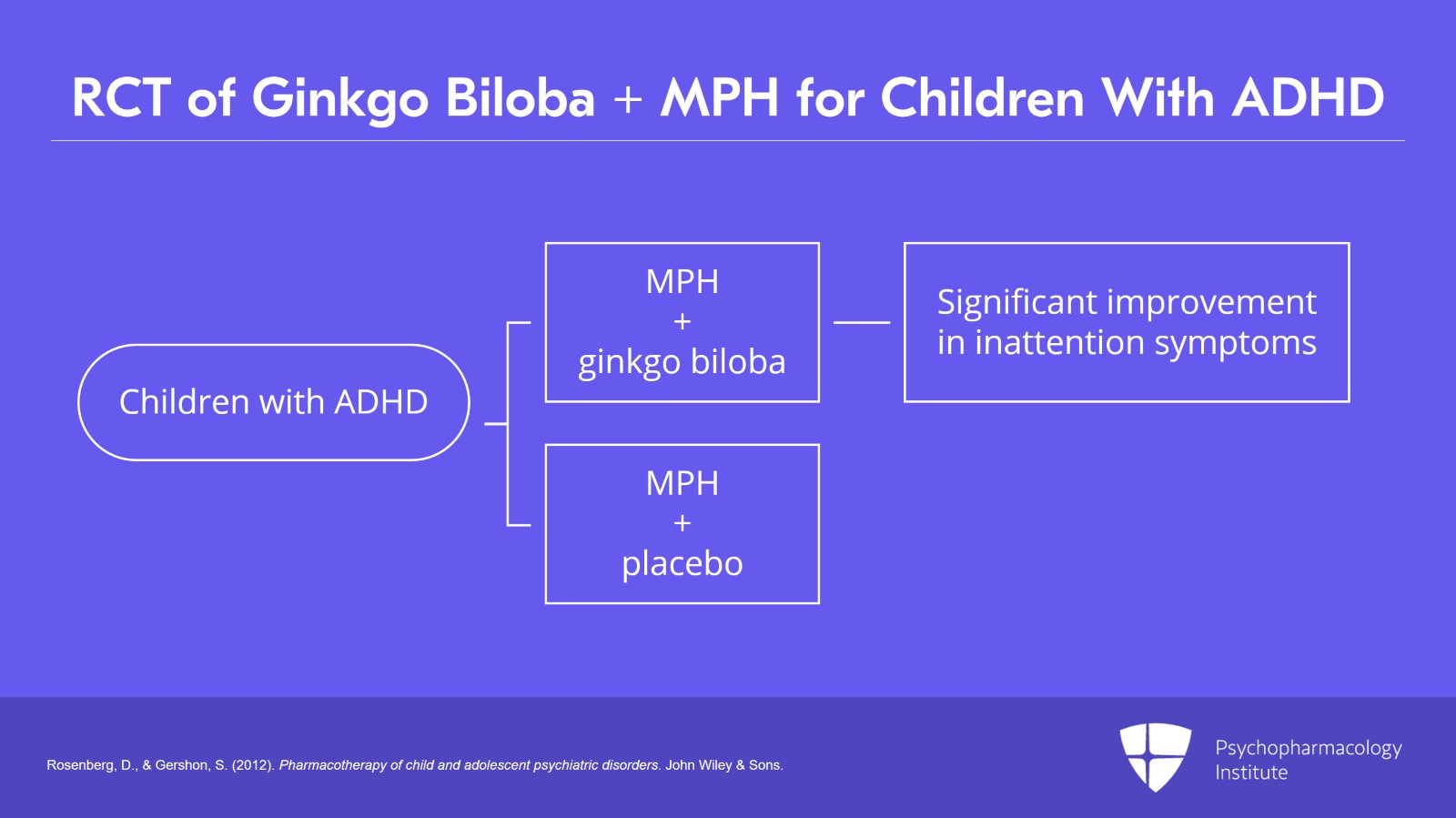
Results from an additional six-week randomized controlled trial also found that the combination of ginkgo and methylphenidate led to a significant improvement in inattention symptoms compared with methylphenidate and placebo and suggest that ginkgo when combined with methylphenidate may be effective as an adjunctive therapy for the treatment of childhood ADHD.
References:
  • Rosenberg, D., & Gershon, S. (2012). Pharmacotherapy of child and adolescent psychiatric disorders. John Wiley & Sons.
Free Files
Success!
Check your inbox, we sent you all the materials there.
Slide 7 of 15

While additional randomized controlled trials are needed to fully elucidate the therapeutic effect and value of the ginkgo in ADHD, ginkgo does appear to be well tolerated and may provide a clinically useful alternative for those patients who are unable to tolerate or who are not willing to take methylphenidate or who have incomplete responses to methylphenidate. And this is important because we know that many patients treated with ADHD are partial responders. So the additional benefit given with adjunctive ginkgo may be very important and helpful.
References:
  • Rosenberg, D., & Gershon, S. (2012). Pharmacotherapy of child and adolescent psychiatric disorders. John Wiley & Sons.

Slide 8 of 15

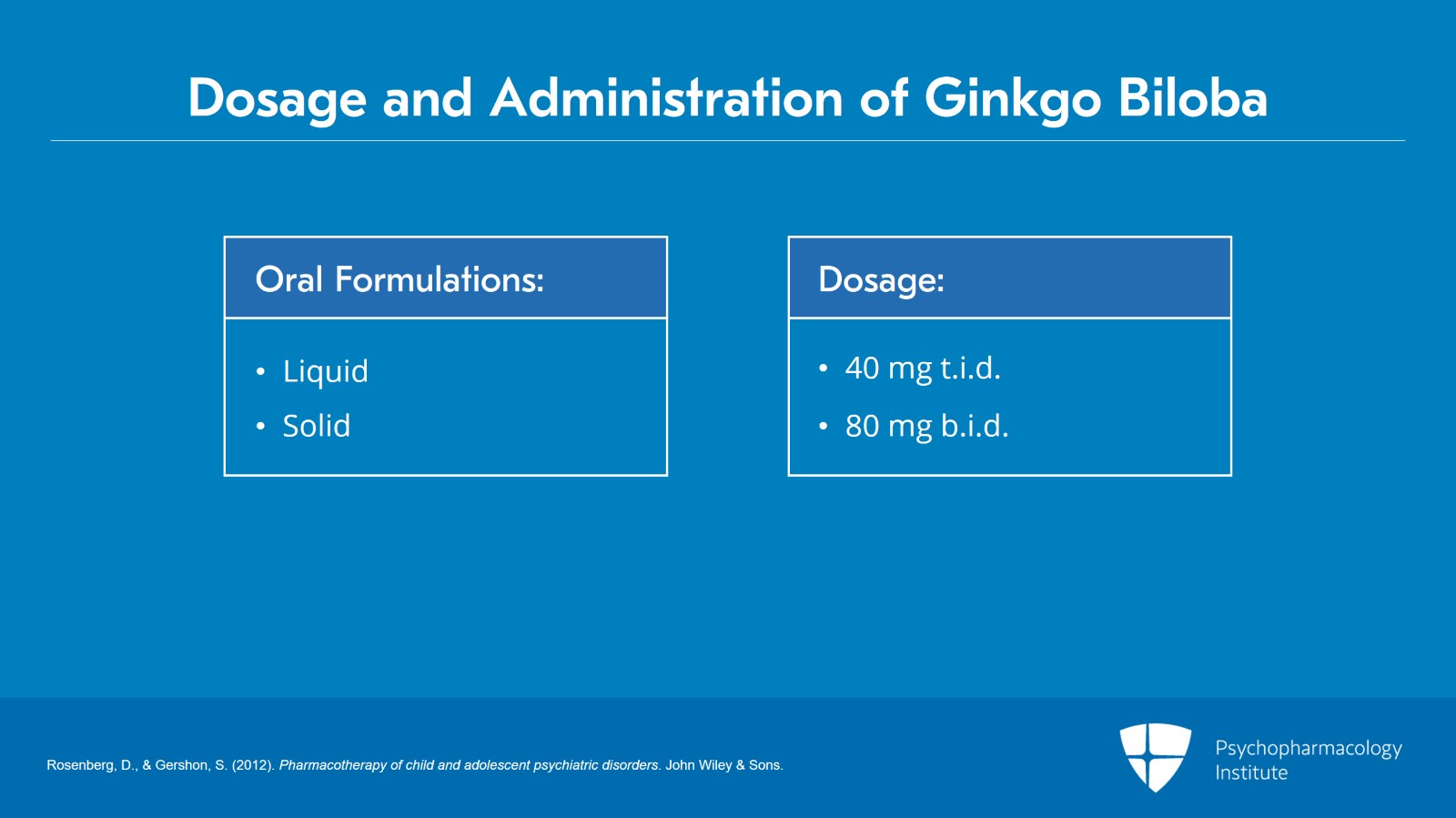
Dosage and administration. Ginkgo is available in the United States in both liquid or solid form for oral ingestion. The typical dosage regimens are 40 mg three times daily or 80 mg twice daily. Preparations should be standardized to the equivalent of the EGb 761 extract which contains 24% flavone and 6% terpene lactones.
References:
  • Rosenberg, D., & Gershon, S. (2012). Pharmacotherapy of child and adolescent psychiatric disorders. John Wiley & Sons.
Free Files
Success!
Check your inbox, we sent you all the materials there.
Slide 9 of 15

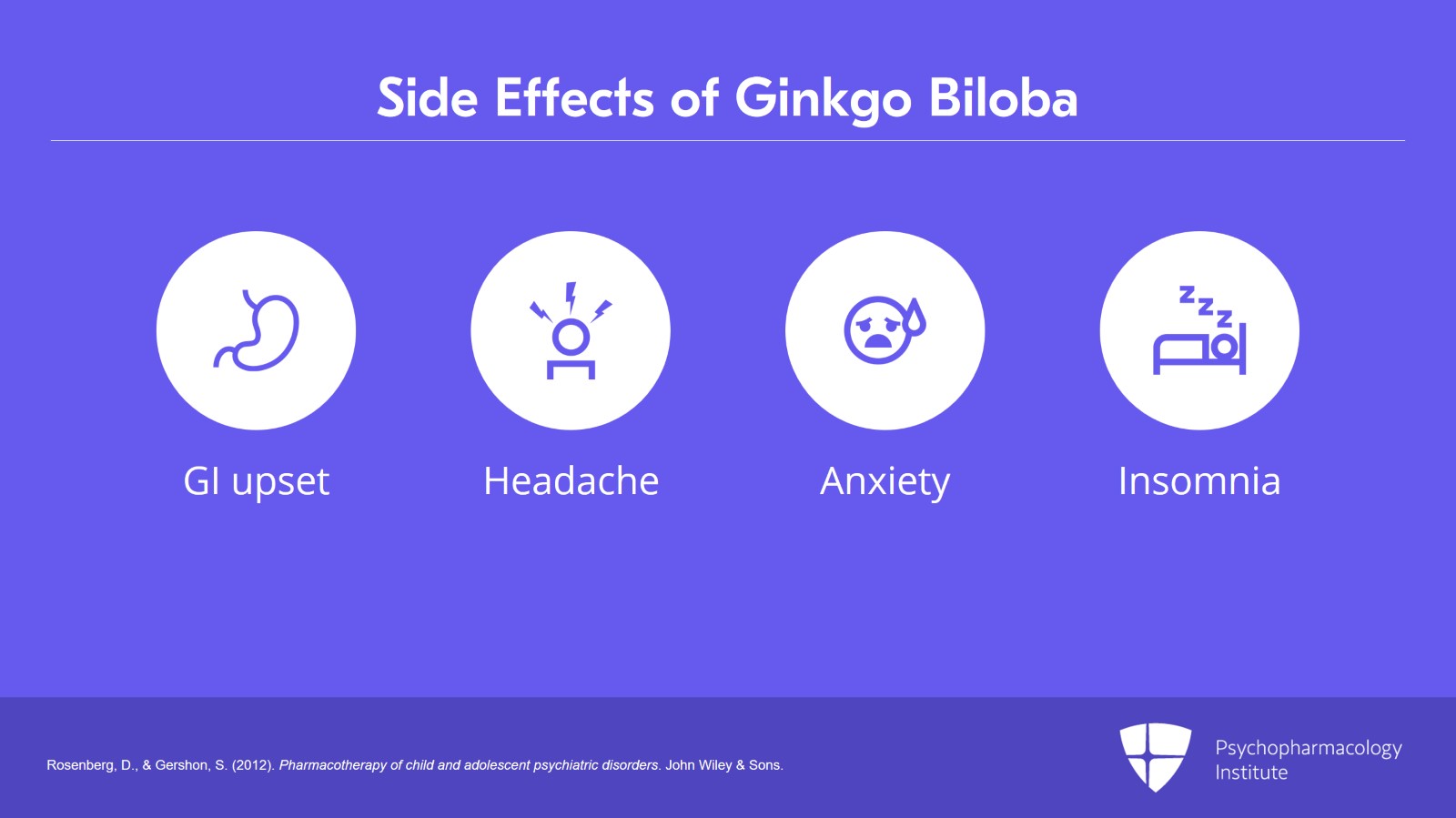
Side effects. The good news is that side effects of ginkgo are generally mild. They include GI upset, nausea, headache, diarrhea, anxiety, and insomnia.
References:
  • Rosenberg, D., & Gershon, S. (2012). Pharmacotherapy of child and adolescent psychiatric disorders. John Wiley & Sons.

Slide 10 of 15

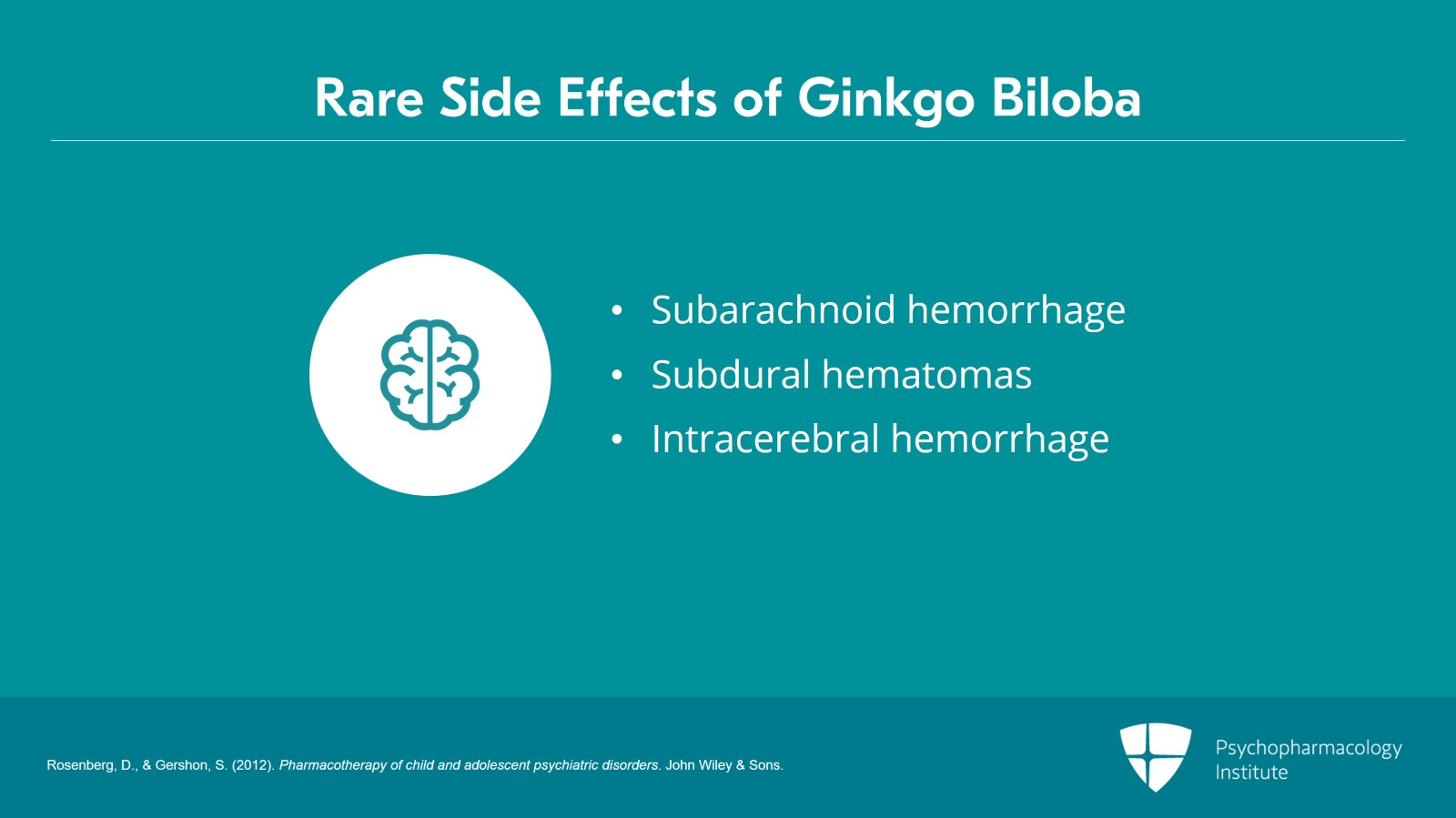
Although rare, subarachnoid hemorrhage, subdural hematomas, and intracerebral hemorrhage have been reported in individuals receiving concurrent treatment with anticoagulant medications likely secondary to ginkgo’s effect on reducing platelet aggregation.
References:
  • Rosenberg, D., & Gershon, S. (2012). Pharmacotherapy of child and adolescent psychiatric disorders. John Wiley & Sons.
Free Files
Success!
Check your inbox, we sent you all the materials there.

Slide 11 of 15

Simultaneous treatment with anticoagulants should be avoided as should treatment in individuals with impairments in blood clotting.
References:
  • Rosenberg, D., & Gershon, S. (2012). Pharmacotherapy of child and adolescent psychiatric disorders. John Wiley & Sons.

Slide 12 of 15

Key take-home points here are current evidence suggests that ginkgo is effective in reducing ADHD symptoms. Although results from a study comparing methylphenidate versus ginkgo found that ginkgo was significantly less effective than methylphenidate for the treatment of ADHD, results from an additional study found that ginkgo when combined with methylphenidate may be effective as an adjunctive therapy for the treatment of childhood ADHD.
Free Files
Success!
Check your inbox, we sent you all the materials there.
Slide 13 of 15

Side effects of ginkgo are generally mild. Simultaneous treatment with anticoagulants should likely be avoided as well as treatment in individuals with blood clotting impairments.

Slide 14 of 15

While additional randomized controlled trials are needed to fully elucidate the therapeutic value of ginkgo in ADHD, ginkgo may provide a clinically useful alternative for those patients who are unable to tolerate or who are not willing to take methylphenidate. Addition of ginkgo may provide additional benefit, for those patients taking methylphenidate who have a partial incomplete response.
Free Files
Success!
Check your inbox, we sent you all the materials there.
Slide 15 of 15

Learning Objectives:

After completing this activity, the learner will be able to:

  1. Discuss the available evidence of the use of CAMs in children and adolescents.
  2. Recognize potential indications of CAMs in pediatric patients with mental health conditions.
  3. Identify pediatric patients who can benefit from CAMs and utilize them accordingly.

Original Release Date: October 1, 2022

Review and Re-release Date: October 1, 2025

Expiration Date: October 1, 2028

Expert: David Rosenberg, M.D.

Medical Editor: Paz Badía, M.D.

Relevant Financial Disclosures: 

None of the faculty, planners, and reviewers for this educational activity have relevant financial relationships to disclose during the last 24 months with ineligible companies whose primary business is producing, marketing, selling, re-selling, or distributing healthcare products used by or on patients.

Contact Information: For questions regarding the content or access to this activity, contact us at support@psychopharmacologyinstitute.com

Instructions for Participation and Credit:

Participants must complete the activity online during the valid credit period that is noted above.

Follow these steps to earn CME credit:

  1. View the required educational content provided on this course page.
  2. Complete the Post Activity Evaluation for providing the necessary feedback for continuing accreditation purposes and for the development of future activities. NOTE: Completing the Post Activity Evaluation after the quiz is required to receive the earned credit.
  3. Download your certificate.

Accreditation Statement

This activity has been planned and implemented in accordance with the accreditation requirements and policies of the Accreditation Council for Continuing Medical Education through the joint providership of Medical Academy LLC and the Psychopharmacology Institute. Medical Academy is accredited by the ACCME to provide continuing medical education for physicians.

Credit Designation Statement

Medical Academy designates this enduring activity for a maximum of 1.25 AMA PRA Category 1 credit(s)™. Physicians should claim only the credit commensurate with the extent of their participation in the activity.

Free Files
Success!
Check your inbox, we sent you all the materials there.
Continue in the website
Instant access modal

Become a Bronze, Silver, Gold, Bronze extended, Silver extended or Gold extended Member.

2025–26 Psychopharmacology CME Program

Unlock up to 155 CME Credits, including 40 SA CME Credits.